Lung Biopsy: What Patients Need to Know
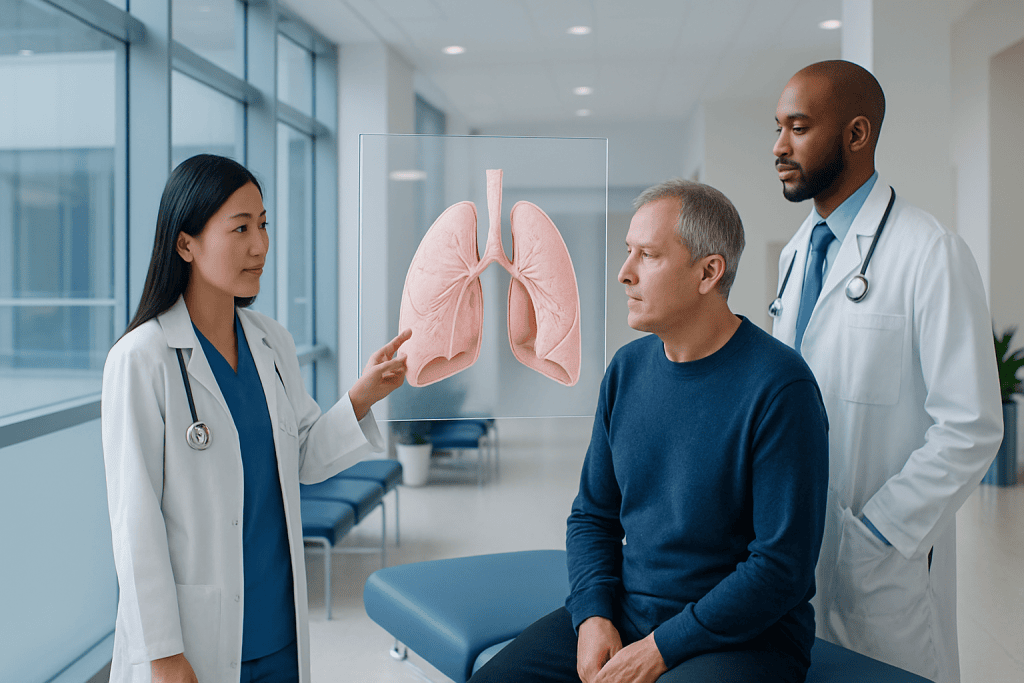
A lung biopsy is used when imaging and other tests cannot provide a clear diagnosis. The main approaches are needle biopsy, bronchoscopy-based biopsy, and surgical biopsy.
Key Takeaways
- A lung biopsy is used when imaging and other tests cannot provide a clear diagnosis.
- The main approaches are needle biopsy, bronchoscopy-based biopsy, and surgical biopsy.
- The most appropriate technique depends on where the lung area is located, its size, and a person's overall health.
- Common short-term effects include soreness, coughing, and small amounts of blood in mucus; more serious complications are uncommon but possible.
- Results may take several days or longer, especially when specialized laboratory testing is needed.
A lung biopsy is a procedure that collects a small sample of lung tissue for laboratory testing. It can help doctors identify the cause of an abnormal spot, mass, inflammation, infection, or unexplained lung symptoms and guide the next steps in care.
What Is a Lung Biopsy?
A lung biopsy is a diagnostic procedure in which a doctor removes a very small sample of lung tissue for examination in a laboratory. A pathologist studies the cells and tissue structure under a microscope and may perform additional tests. This can help determine whether an abnormality is related to cancer, an infection, inflammation, scarring, or another lung condition.
A biopsy is not automatically a sign that someone has cancer. Doctors may recommend it after a chest X-ray, CT scan, PET scan, or bronchoscopy shows an area that needs closer assessment. It may also be considered when symptoms, imaging findings, and blood or mucus tests do not provide a definite explanation.
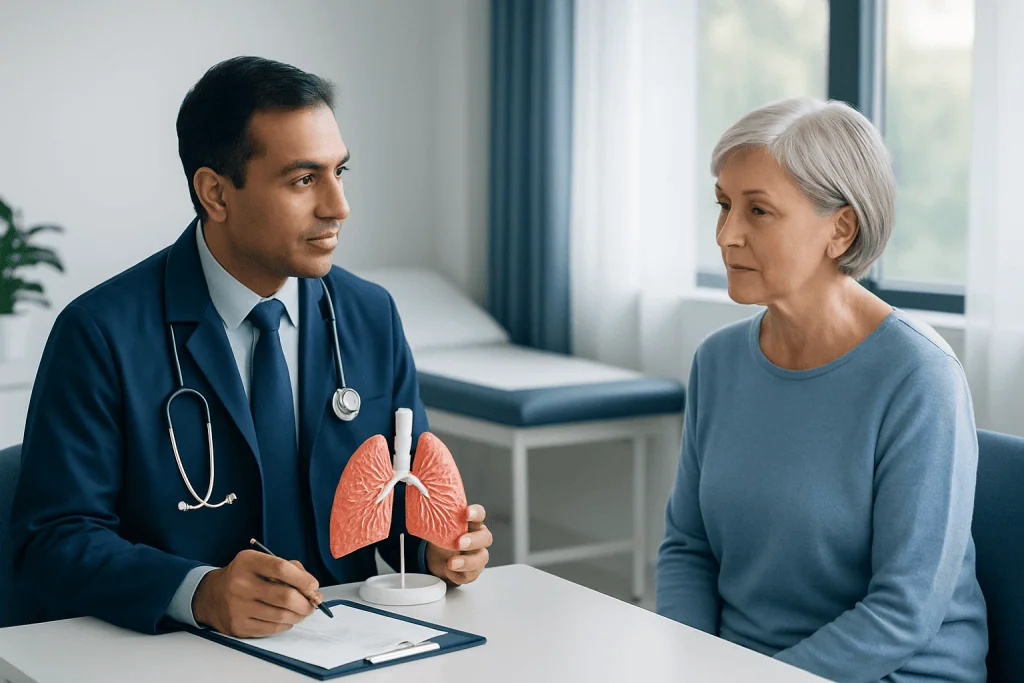
The procedure is planned individually. The medical team considers the location and appearance of the area being sampled, whether it is close to an airway or the chest wall, and factors such as breathing function, medications, and other health conditions. The goal is to obtain enough tissue for an accurate diagnosis while using the least invasive suitable approach.
Why a Lung Biopsy May Be Recommended
Doctors use a lung biopsy to investigate a lung nodule, mass, persistent shadow on imaging, enlarged lymph nodes near the lungs, or widespread changes in lung tissue. A nodule is a small spot in the lung, and many nodules are not cancer. However, the size, shape, growth pattern, and a person’s medical history may indicate that tissue testing would be helpful.
A biopsy may also help diagnose infections that have not been identified by routine tests, including certain fungal, bacterial, or mycobacterial infections. In people with diffuse lung changes, a tissue sample can sometimes help distinguish between inflammatory diseases, interstitial lung diseases, medication-related lung injury, and other causes of scarring or inflammation.
If cancer is found, the biopsy provides information that imaging alone cannot. Laboratory testing can identify the cancer type and, when appropriate, assess biomarkers or genetic changes that may influence treatment planning. This information helps a multidisciplinary team choose the most suitable care pathway rather than relying on imaging findings alone.
- To evaluate a suspicious lung nodule or mass
- To identify the cause of unexplained lung inflammation or scarring
- To investigate certain persistent or unusual lung infections
- To confirm, classify, and guide treatment for suspected lung cancer
- To assess abnormal lymph nodes in the chest
Types of Lung Biopsy Procedures
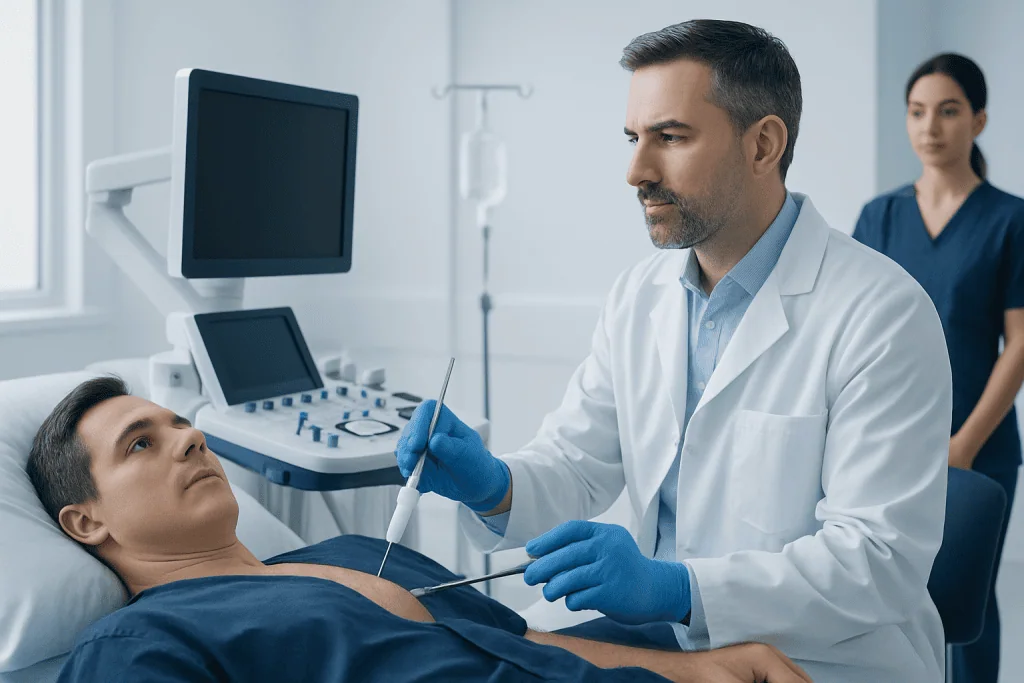
The type of lung biopsy depends largely on where the abnormal area is located. A percutaneous needle biopsy, also called a transthoracic needle biopsy, is commonly used for spots near the outer part of the lung. A radiologist usually guides a thin needle through the chest wall using CT imaging. Local anesthetic is used to numb the skin, and some people also receive medicine to help them relax.
A bronchoscopy-based biopsy is often useful when an abnormality is close to the larger airways or when lymph nodes in the center of the chest need to be sampled. A flexible tube with a camera is passed through the nose or mouth into the airways. Depending on the situation, the doctor may use ultrasound guidance, navigation technology, or fluoroscopy to improve access to the target area. Sedation or anesthesia is used according to the procedure and the person’s needs.
A surgical lung biopsy may be considered when less invasive methods are unlikely to provide enough tissue or when a larger sample is needed. It is commonly performed using video-assisted thoracoscopic surgery, which involves small incisions between the ribs under general anesthesia. Less often, an open surgical approach is necessary. Surgical biopsy generally involves more recovery time but can provide a larger tissue sample for detailed assessment.
In some cases, a doctor may recommend sampling lymph nodes rather than lung tissue itself. This can be particularly important when evaluating suspected cancer or inflammatory conditions. The care team explains why a particular method is preferred and discusses reasonable alternatives before the procedure.
Preparing for a Lung Biopsy
Preparation begins with a review of medical history, current symptoms, allergies, and medicines. It is especially important to tell the care team about blood-thinning medicines, antiplatelet drugs, diabetes medicines, supplements, and any prior problems with anesthesia or sedation. Some medicines may need to be paused or adjusted before the procedure, but patients should only do this under the instructions of their prescribing clinician.
Blood tests may be arranged to check clotting and other factors relevant to safety. The team may also review recent chest imaging and breathing tests. People with chronic lung disease, heart disease, sleep apnea, or kidney problems may need additional planning so that sedation, anesthesia, and recovery can be managed safely.
Fasting instructions vary by biopsy type and whether sedation or general anesthesia is planned. The patient should follow the specific instructions provided by the hospital regarding food, drinks, and usual medicines. It is often necessary to arrange for a responsible adult to accompany the patient home after sedation or anesthesia, because driving and important decision-making may not be safe for the rest of the day.
Before the biopsy, the clinician explains the expected benefits, possible risks, and what will happen if the sample is not adequate. This is a useful time to ask how the procedure will be guided, whether an overnight stay may be needed, when preliminary results are expected, and who to contact with concerns after discharge.
What Happens During and After the Procedure
During a needle biopsy, the patient is positioned to allow the safest route to the lung area. Imaging is used to guide needle placement. The person may be asked to hold their breath briefly while samples are taken. A pressure dressing is placed afterward, and chest imaging is often performed to check for air leaking around the lung.
During bronchoscopy, the throat may be numbed and sedation is commonly given. The bronchoscope allows the doctor to view the airways and collect tissue, fluid, or lymph node samples. Coughing can occur during the procedure, but the team monitors breathing, oxygen levels, blood pressure, and comfort throughout. Afterward, the throat may feel numb or mildly sore for a short time.
Following any lung biopsy, patients are observed for a period that depends on the technique used and their condition. Mild tenderness at an incision or needle site, tiredness, cough, and a small streak of blood in phlegm can occur. After a surgical biopsy, discomfort and fatigue may last longer, and the team will provide guidance on wound care, activity, breathing exercises, and pain control.
Most people can gradually return to usual activities as advised by their clinician. Heavy lifting, strenuous exercise, and air travel may need to be avoided temporarily after certain procedures, particularly a needle biopsy or surgery. Individual instructions matter because recovery varies according to the biopsy method and the person’s underlying lung health.
Risks, Safety, and Understanding Results
Lung biopsy procedures are performed with careful planning and monitoring, but no invasive procedure is completely risk-free. One of the better-known risks of a needle biopsy is pneumothorax, meaning air collects in the space around the lung and may cause part of the lung to partially collapse. Small pneumothoraces may resolve with observation, while larger ones may require treatment with a chest tube.
Other possible complications include bleeding, infection, breathing difficulties, reactions to sedation or anesthesia, and pain at the procedure site. The likelihood of these risks depends on the procedure type, the location of the target, and individual factors such as emphysema, impaired blood clotting, or reduced lung function. The doctor balances these considerations against the benefit of obtaining a diagnosis.
Results are not always available immediately. A pathologist first examines the tissue, and additional stains, cultures, or molecular tests may be needed. This means results can take several days and sometimes longer. Occasionally, the sample does not contain enough representative tissue, and the care team may recommend repeat testing or a different biopsy approach.
Results may be benign, show infection or inflammation, identify scarring-related disease, or confirm cancer. A result should be discussed in context with imaging, symptoms, and medical history. If a diagnosis such as cancer is made, further tests may be required to determine its extent and support an individualized treatment plan.
When to Seek Medical Care
After a lung biopsy, patients should follow the discharge instructions carefully and contact the treating team if they are unsure whether a symptom is expected. Mild soreness, fatigue, and limited blood-streaked mucus may occur, but symptoms should generally improve rather than become more severe.
Urgent medical assessment is important for new or worsening shortness of breath, chest pain, fainting, rapidly increasing coughing of blood, fever, chills, confusion, or bleeding that does not stop. These symptoms do not always indicate a serious complication, but they should be assessed promptly after a lung procedure.
People should also seek medical advice before the procedure if they develop a new respiratory infection, fever, worsening cough, or a significant change in their health. The procedure may need to be postponed or adapted for safety. It is important not to delay evaluation of persistent coughing, unexplained weight loss, coughing blood, chest discomfort, or new breathlessness, especially when these symptoms have not been medically assessed.
Acibadem International’s multidisciplinary specialists and JCI-accredited hospitals support international patients who need assessment and treatment for lung conditions, with biopsy decisions made according to individual clinical findings.
Frequently asked questions
Is a lung biopsy painful?
The biopsy site is usually numbed for a needle procedure, and sedation or anesthesia may be used for bronchoscopy or surgery. People may feel pressure, brief discomfort, coughing, or soreness afterward. The care team can provide appropriate pain-relief advice based on the type of biopsy performed.
How long does a lung biopsy take?
The procedure time varies by method and by the location of the area being sampled. A needle or bronchoscopy procedure may take less time than a surgical biopsy, but preparation and monitoring afterward add to the overall visit. The treating team can give a more specific estimate before the procedure.
How long does it take to recover from a lung biopsy?
Recovery depends on the biopsy technique, sedation or anesthesia, and a person's lung health. Many people recover from a needle or bronchoscopic biopsy within a few days, while surgical biopsy recovery can take longer. Strenuous activities should only be resumed when the clinician says it is safe.
What does a lung biopsy result show?
A lung biopsy can show whether tissue is normal, inflamed, infected, scarred, or cancerous. If cancer is identified, laboratory tests may provide further details about the cancer type and characteristics. Results are interpreted together with scans, symptoms, and other test findings.
Can a lung biopsy spread cancer?
Cancer spread along a biopsy needle path is considered very uncommon. Doctors recommend biopsy when the expected diagnostic value outweighs the procedural risks. Obtaining tissue is often important for confirming a diagnosis and selecting the most appropriate treatment.
What should a patient avoid after a lung biopsy?
Patients should avoid driving after sedation or anesthesia and follow their team's advice about exercise, heavy lifting, work, and travel. They should not restart paused blood-thinning medicines unless instructed to do so. If breathing becomes difficult or chest pain develops, urgent medical care is needed.
This article is for general information only and is not a substitute for professional medical advice. Please consult a qualified doctor about your individual situation.
Oncology care in Turkey — second opinion and treatment plan
JCI-accredited · board-certified surgeons · reply within 24h
Add us as a Preferred Source to see more of our trusted health content across Google Search, AI Overviews and Discover.

More from the Health Library
Skene’s Gland Cyst: A Complete Medical Overview

Short Chain Fatty Acids: What Patients Need to Know

Pelvic Fracture: A Complete Medical Overview
Healthy BMI for Women: A Complete Medical Overview

Baking soda and foot odor: A Complete Medical Guide for Patients