Lung Cancer Screening for Former Smokers: How It Works, Results and What to Expect
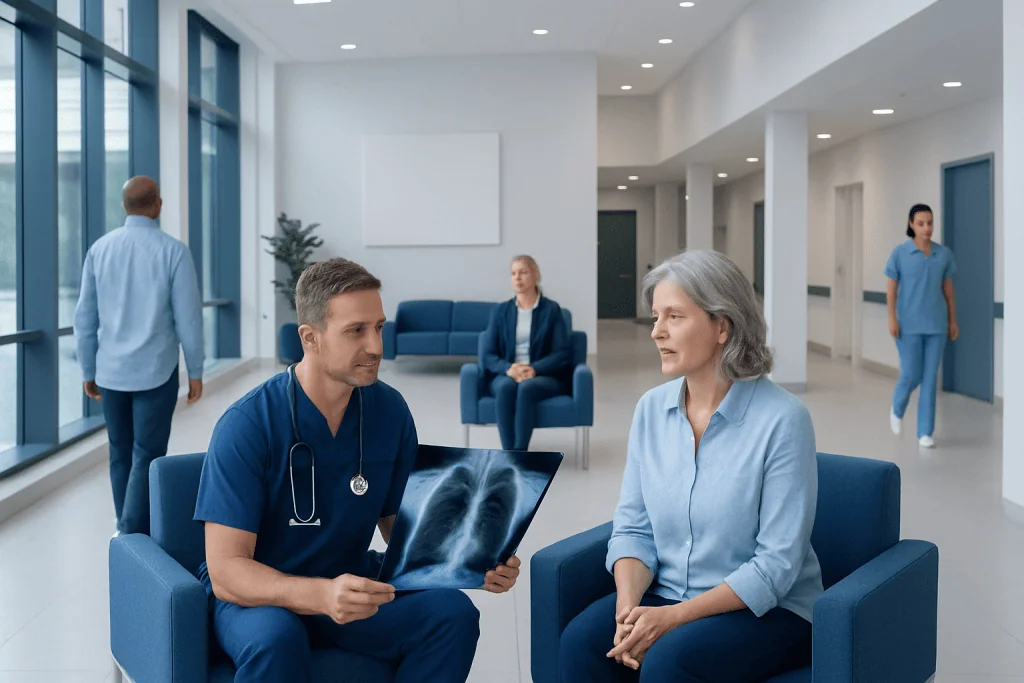
Eligible former smokers may benefit from yearly low-dose CT screening even years after quitting. Screening is intended for people without symptoms; symptoms require a diagnostic medical evaluation.
Key Takeaways
- Eligible former smokers may benefit from yearly low-dose CT screening even years after quitting.
- Screening is intended for people without symptoms; symptoms require a diagnostic medical evaluation.
- Most screening findings are not cancer, but some need repeat imaging or further assessment.
- The scan is quick, painless, and does not usually require contrast dye, injections, or recovery time.
- Stopping smoking remains beneficial at every age and lowers the risk of lung cancer and other smoking-related disease.
Lung cancer screening for former smokers generally involves an annual low-dose computed tomography (LDCT) scan for people who meet age and smoking-history criteria. It can detect some lung cancers at an earlier, more treatable stage, but it is not a replacement for medical assessment of new symptoms.
Overview: Lung Cancer Screening for Former Smokers
Lung cancer screening for former smokers uses a low-dose computed tomography scan, often called LDCT, to look for small changes in the lungs before they cause symptoms. For people at sufficiently high risk, screening can identify lung cancer earlier, when treatment options may be more effective.
The scan is different from a chest X-ray and from a diagnostic CT performed because of symptoms. LDCT produces detailed images using a relatively low radiation dose. Screening is offered to people who feel well and meet specific eligibility criteria based mainly on age, smoking exposure, and how long ago they quit.
Quitting smoking substantially improves health, but it does not immediately remove the elevated risk of lung cancer. A clinician can help a former smoker decide whether annual screening is appropriate, taking into account overall health, previous scans, and the ability to undergo follow-up testing or treatment if needed.
Should Ex-Smokers Be Screened for Lung Cancer?
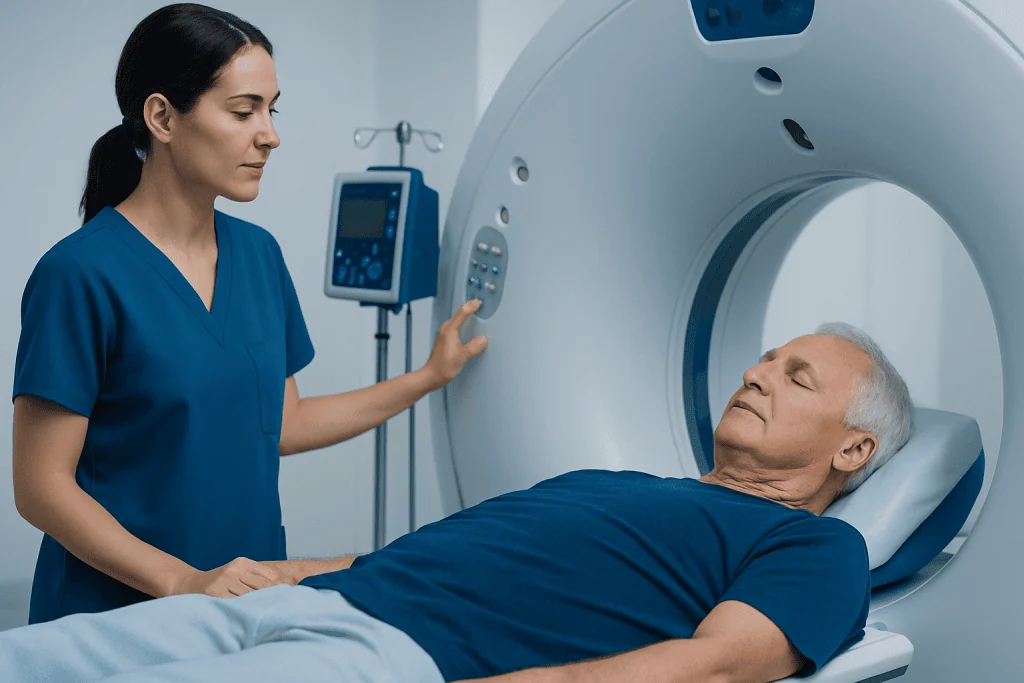
Some ex-smokers should be screened for lung cancer, particularly those with a substantial history of cigarette smoking who stopped within the recommended time window. In many widely used guidelines, annual LDCT screening is recommended for adults aged 50 to 80 years with at least a 20 pack-year smoking history who currently smoke or quit within the past 15 years. A pack-year means smoking an average of one pack of cigarettes per day for one year; for example, two packs a day for 10 years equals 20 pack-years.
Eligibility recommendations can vary by country, health system, and individual circumstances. Screening is usually not advised for people who have symptoms possibly caused by lung cancer, because they need diagnostic testing rather than a screening program. It may also be inappropriate when serious health conditions would make investigation or treatment unlikely to help.
A healthcare professional can calculate smoking exposure accurately and discuss the potential benefits and limitations. People who quit more than 15 years ago may still have lung health concerns and should discuss their personal risk with a doctor, especially if they have chronic lung disease, a strong family history, or relevant workplace exposures.
How the Low-Dose CT Screening Procedure Works
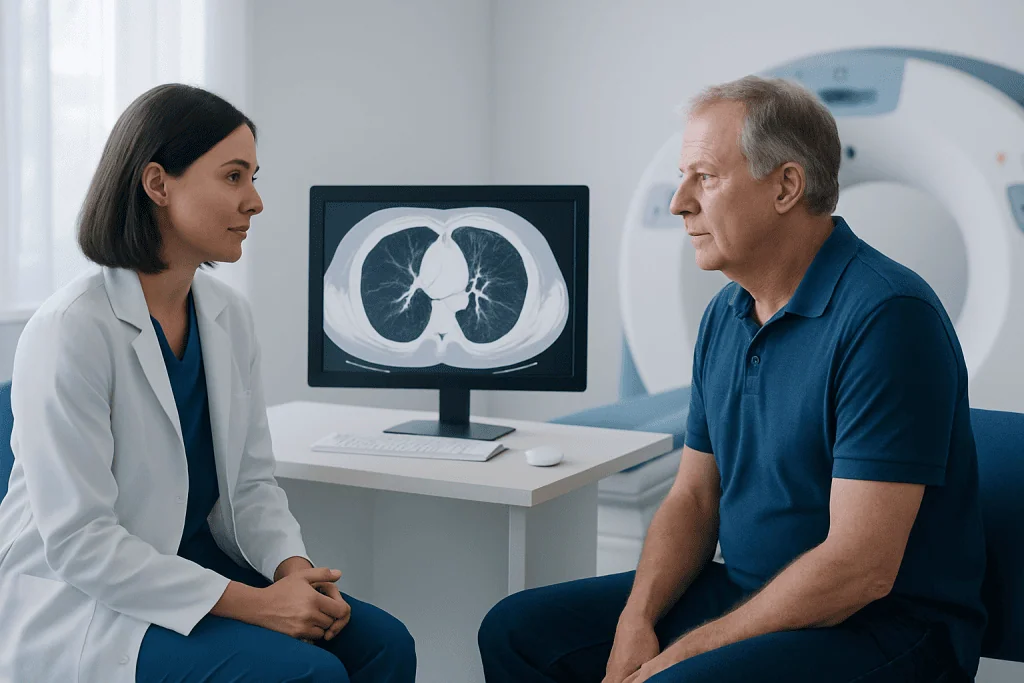
Low-dose CT uses X-rays and computer processing to create detailed cross-sectional images of the chest. It can show small lung nodules, which are round spots in the lung tissue. Nodules are common, and the great majority are not cancerous, especially when they are small.
Before the appointment, the imaging team may confirm smoking history, current health information, and prior imaging. In most cases, no special diet, fasting, injection, contrast material, or sedative is needed. Wearing clothing without metal near the chest area, or changing into a gown, may be requested.
During the scan, the person lies on a narrow table that moves through a doughnut-shaped CT scanner. Staff remain in contact from an adjacent room. The person may be asked to hold their breath briefly while images are taken. The scan itself commonly takes only a few minutes, although the complete visit may take longer for registration and preparation.
Afterward, normal activities can usually be resumed immediately. If a scan identifies a finding that needs closer review, care may involve repeat imaging, consultation with a lung specialist, or a structured lung cancer treatment evaluation when cancer is suspected or confirmed.
Benefits, Limitations and Possible Risks
The main benefit of screening is the opportunity to find some lung cancers before they spread or produce symptoms. Earlier detection may allow more treatment choices, including surgery, radiation therapy, systemic treatments, or a combination of approaches depending on the cancer type and stage.
Screening also has limitations. A result may show a nodule that is not cancer but still requires another scan, which can create uncertainty. Less commonly, follow-up tests such as PET imaging, biopsy, or surgery may be considered for a finding that ultimately proves benign. Screening can also miss some cancers, which is why new or persistent symptoms should never be ignored.
LDCT involves a small amount of ionizing radiation. The dose is lower than that of a standard diagnostic chest CT, but repeated scans still add radiation exposure over time. For eligible people at higher risk of lung cancer, clinicians weigh this risk against the expected benefit of early detection.
Screening does not prevent lung cancer and does not detect every smoking-related health problem. Continued smoking cessation support, routine preventive care, and management of conditions such as chronic obstructive pulmonary disease can all remain important parts of long-term health care.
How Long Does It Take to Get Results Back From a Lung Cancer Screening?
The time needed to receive lung cancer screening results varies between imaging centers and healthcare systems. A radiologist must review the scan, compare it with older images when available, and send a report to the clinician coordinating care. Many people receive results within several days to one or two weeks, while urgent findings are generally communicated sooner.
Results are often described as negative, meaning no concerning finding was identified; benign or probably benign, meaning a small change may simply need monitoring; or suspicious, meaning more assessment is needed. A recommendation for follow-up does not mean that cancer has been diagnosed. It means the imaging finding needs clarification.
When possible, bringing information about previous chest scans can help radiologists determine whether a nodule is new, stable, or changing. Stability over time often provides reassuring information, while growth or particular imaging features may lead to further evaluation.
People should ask how and when results will be communicated before leaving the appointment. If results have not been received within the timeframe given by the imaging center, contacting the referring clinician is reasonable.
What Does a Smoker's Lung Look Like After 20 Years?
There is no single appearance that applies to every person who has smoked for 20 years. Some people have scans that appear largely normal, while others have visible changes related to smoking, aging, infections, occupational exposures, or other lung conditions. A scan cannot reliably determine a person’s exact smoking history simply from appearance.
Long-term smoking may be associated with emphysema, in which air sacs are damaged and enlarged; thickening of airway walls; scarring; or chronic inflammation. These changes can reduce airflow and contribute to breathlessness or chronic cough. Imaging may also reveal nodules, many of which are harmless but sometimes require monitoring.
The lungs can begin to recover after smoking stops, although not all structural damage is reversible. Quitting reduces inflammation and lowers the future risk of lung cancer, heart disease, stroke, and progressive lung damage. Anyone with persistent cough, coughing up blood, unexplained weight loss, chest pain, or worsening shortness of breath should seek medical assessment rather than waiting for a routine screening scan.
How Long Does It Take to Get Lung Cancer From Secondhand Smoke?
There is no known fixed amount of time after which secondhand smoke causes lung cancer. Risk depends on the intensity, frequency, and duration of exposure, as well as individual factors such as age, other environmental exposures, and overall health. Cancer development is usually a long process involving changes that can accumulate over many years.
Secondhand smoke is a recognized cause of lung cancer in people who do not smoke. Avoiding exposure is the most effective protective measure. Smoke-free homes, vehicles, and workplaces help reduce exposure because ventilation and air filtration do not fully remove the harmful chemicals from tobacco smoke.
Most formal LDCT screening criteria are based on a person’s own cigarette smoking history, not secondhand smoke exposure alone. However, a person with significant secondhand smoke exposure and concerning symptoms should speak with a healthcare professional, who can decide whether diagnostic imaging or other tests are appropriate.
When to Seek Medical Care
Lung cancer screening is designed for people without symptoms. Medical care should be sought promptly for symptoms that are new, persistent, or worsening, including coughing up blood, chest pain, unexplained weight loss, a cough that does not go away, repeated chest infections, a new hoarse voice, or increasing shortness of breath. These symptoms often have causes other than cancer, but they need professional assessment.
People should also contact a doctor if they have been told they have a lung nodule, have an abnormal screening result, or are unsure whether they qualify for screening. Further tests are chosen according to the finding and may include repeat CT imaging, PET-CT, lung function tests, or tissue sampling.
Evaluation of a possible lung cancer may involve respiratory medicine, radiology, thoracic surgery, pathology, medical oncology, and radiation oncology. Acibadem International’s multidisciplinary specialists and JCI-accredited hospitals support diagnosis and treatment planning for international patients, including care for lung cancer.
Former smokers can also use this conversation to discuss relapse prevention, vaccinations, respiratory symptoms, and management of existing lung disease. Maintaining smoke-free surroundings and attending recommended follow-up scans are practical ways to support lung health.
Frequently asked questions
Is a chest X-ray enough for lung cancer screening?
No. Chest X-rays are not recommended as a lung cancer screening test because they have not shown the same benefit in detecting lung cancer early in high-risk people. Low-dose CT provides more detailed images and is the recommended screening method for eligible adults.
Do former smokers still need annual lung cancer screening?
Eligible former smokers are generally advised to have screening every year while they remain within the relevant age and quit-time criteria. The decision should be reviewed with a clinician because recommendations and individual health circumstances can change.
Does a lung nodule on screening mean cancer?
No. Lung nodules are common and most are not cancer. Their size, appearance, growth over time, and a person’s risk factors help clinicians decide whether routine monitoring or further tests are needed.
Is low-dose CT lung screening painful?
No. The scan is painless and noninvasive. Most people do not need injections, contrast dye, anesthesia, or recovery time, and they can return to usual activities after the appointment.
Can lung cancer screening detect COPD or emphysema?
A low-dose CT may show signs that suggest emphysema or other lung changes, but it is not a complete test for all respiratory conditions. A doctor may recommend breathing tests and clinical assessment if COPD or another lung disease is suspected.
Can someone who never smoked have lung cancer screening?
Routine low-dose CT screening is generally not recommended for people without a substantial personal smoking history because the potential harms may outweigh benefits. However, symptoms or specific individual risk factors may require diagnostic evaluation by a healthcare professional.
References
- U.S. Preventive Services Task Force
- American Cancer Society
- National Cancer Institute
- Centers for Disease Control and Prevention
- World Health Organization
This article is for general information only and is not a substitute for professional medical advice. Please consult a qualified doctor about your individual situation.
Lung Cancer in Turkey — costs, top hospitals & a free quote
JCI-accredited · board-certified surgeons · reply within 24h
Add us as a Preferred Source to see more of our trusted health content across Google Search, AI Overviews and Discover.

Medical Oncology Department
Medical treatment of cancer with chemotherapy, immunotherapy and targeted therapies under a multidisciplinary tumor board.
60 specialists in this unit