Lungs: What They Do and Why Healthy Lung Function Matters
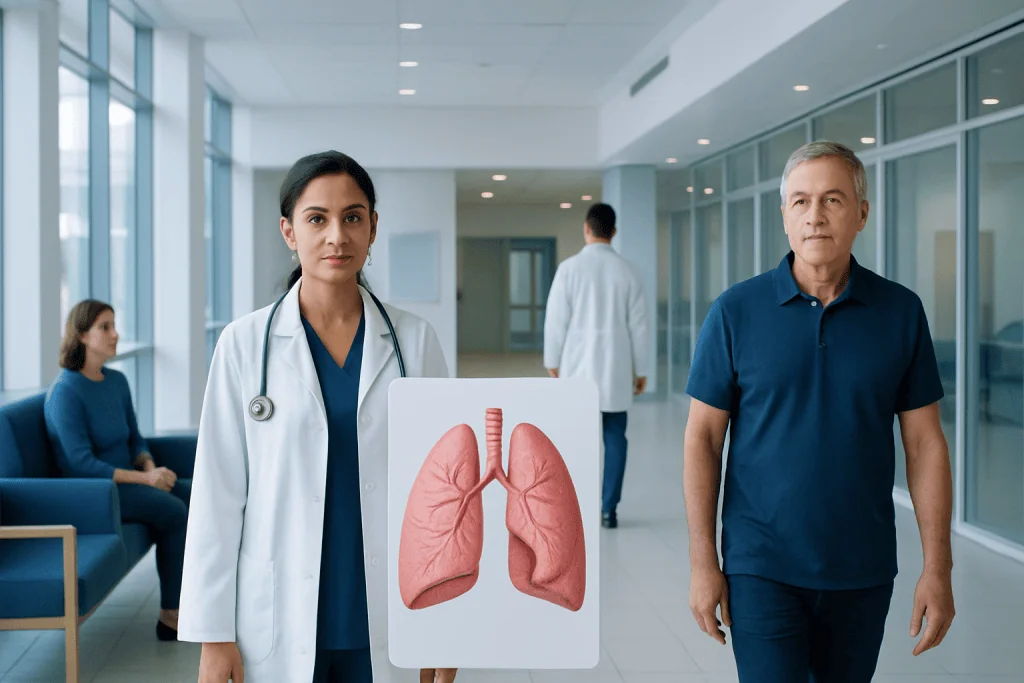
The lungs supply oxygen to the blood and remove carbon dioxide from the body. Healthy lung function supports energy, physical activity, sleep, and organ function.
Key Takeaways
- The lungs supply oxygen to the blood and remove carbon dioxide from the body.
- Healthy lung function supports energy, physical activity, sleep, and organ function.
- Smoking, air pollution, infections, and chronic diseases can damage the lungs over time.
- Breathing symptoms such as persistent cough, wheezing, or shortness of breath should be evaluated by a doctor.
- Prevention includes avoiding tobacco, staying active, reducing exposure to pollutants, and keeping vaccinations up to date.
The lungs are essential organs that bring oxygen into the body and remove carbon dioxide. Understanding how they work can help people protect lung health and recognize when breathing problems need medical attention.
Overview: What the Lungs Do
The lungs are two spongy organs in the chest that are central to the respiratory system. Their main job is to move oxygen from the air into the bloodstream and remove carbon dioxide, a waste gas produced by the body. This constant exchange helps every organ and tissue function properly.
When a person breathes in, air travels through the nose or mouth, down the windpipe, and into branching airways inside the lungs. These airways end in tiny air sacs called alveoli. The walls of the alveoli are very thin, allowing oxygen to pass into the blood and carbon dioxide to move out to be exhaled.
The lungs work closely with the diaphragm, chest muscles, heart, and blood vessels. Together, they support breathing, circulation, energy production, and the body’s acid-base balance. Healthy lung function is important not only for exercise and endurance, but also for concentration, sleep, and daily comfort.
How the Lungs Support the Whole Body
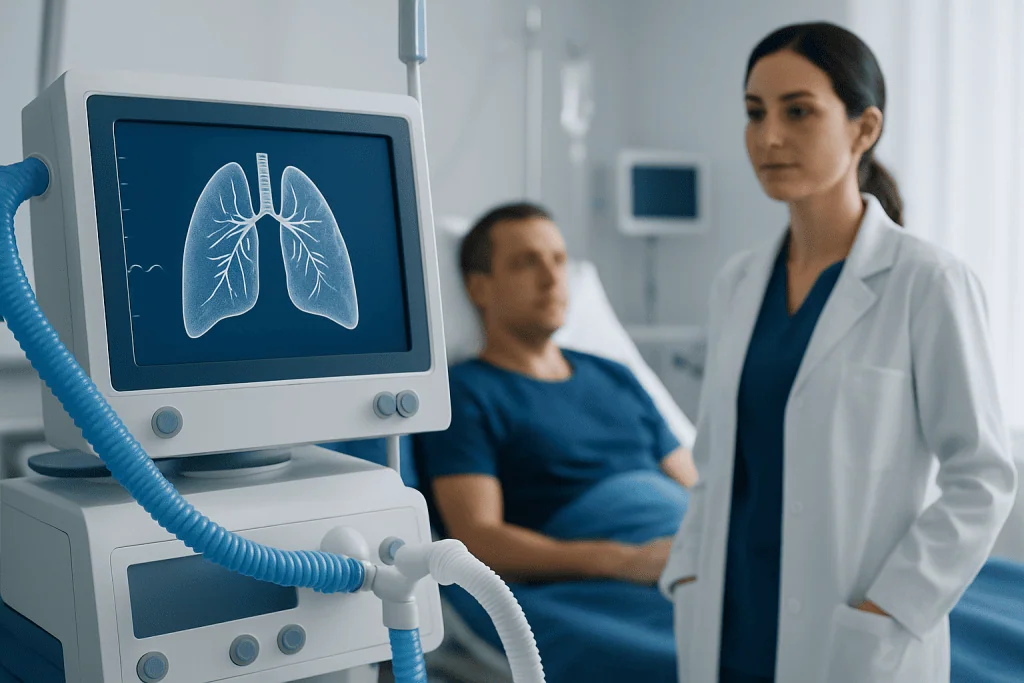
Oxygen is necessary for the body to produce energy. Once oxygen enters the blood through the lungs, it is delivered to the brain, muscles, heart, and other organs. If the lungs cannot provide enough oxygen, a person may feel tired, weak, lightheaded, or short of breath.
The lungs also help the body remove carbon dioxide efficiently. If carbon dioxide builds up, it can affect how the body feels and functions, sometimes leading to headaches, confusion, or a sense of breathlessness. Good lung function therefore supports both physical and mental well-being.
In addition, the lungs play a role in protecting the body. Tiny hairs called cilia and mucus lining the airways help trap and clear dust, germs, and irritants. The immune system within the lungs also helps fight infection. This protective function is one reason why keeping the lungs healthy matters at every age.
- Supports oxygen delivery to all organs
- Removes carbon dioxide from the body
- Helps maintain energy and exercise tolerance
- Contributes to sleep quality and daily stamina
- Provides a defense against inhaled particles and germs
Signs of Healthy and Unhealthy Lung Function
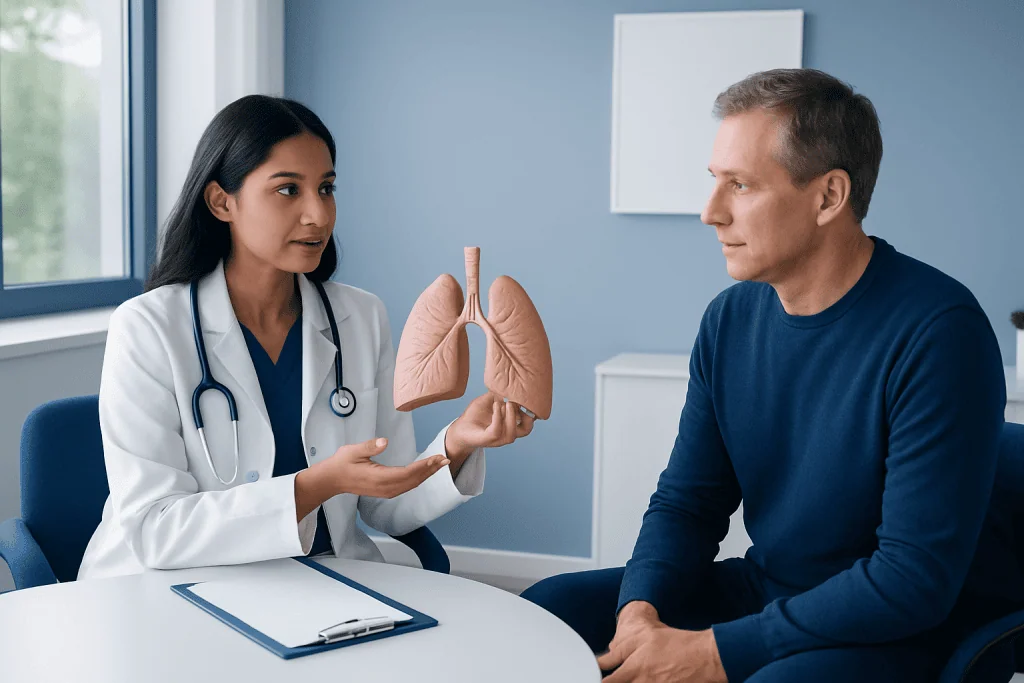
Healthy lungs usually allow comfortable breathing during rest and normal daily activity. A person with healthy lung function can often walk, climb stairs, and exercise without unusual breathlessness. Mild shortness of breath during intense activity can be normal, but persistent or worsening symptoms should not be ignored.
Symptoms of reduced lung function may include shortness of breath, chronic cough, wheezing, chest tightness, or frequent respiratory infections. Some people notice reduced stamina or become unusually tired during activities that were once easy. Others may have noisy breathing or trouble taking a full breath.
These symptoms can occur with many different conditions, including asthma, chronic bronchitis, emphysema, pneumonia, or lung cancer. They may also be related to allergies, heart problems, or environmental exposures. Because symptoms can overlap, medical evaluation is important when breathing changes persist.
What Can Harm the Lungs
Smoking is one of the most important causes of lung damage. Tobacco smoke irritates the airways, inflames lung tissue, and increases the risk of chronic obstructive pulmonary disease, infections, and cancer. Secondhand smoke can also be harmful, especially for children, older adults, and people with existing lung disease.
Air pollution, dust, chemical fumes, and workplace exposures can gradually affect breathing and lung function. Repeated exposure to indoor pollutants such as biomass smoke, mold, and poor ventilation may also contribute to respiratory symptoms. People who work around construction dust, industrial chemicals, or agricultural particles may need special protective measures.
Infections and chronic conditions can also reduce lung health. Viral and bacterial illnesses may inflame the airways or damage lung tissue. Long-term conditions such as asthma or COPD can narrow the airways and make breathing more difficult over time, especially without proper treatment and monitoring.
Other factors can include aging, limited physical activity, obesity, and certain inherited disorders. Not all lung problems are preventable, but reducing exposure to known risks and seeking early care can make a meaningful difference.
How Doctors Check Lung Function
Doctors begin by asking about symptoms, smoking history, work exposures, past infections, allergies, and family history. They also listen to the lungs and assess breathing rate, oxygen levels, and signs such as wheezing or reduced airflow. This first step often provides important clues about the cause of symptoms.
If needed, further testing may be recommended. Common tests include chest imaging and pulmonary function tests, which measure how well the lungs move air in and out. These tests can help detect airway narrowing, reduced lung volume, or other patterns that suggest a specific lung condition. In some cases, doctors may arrange pulmonary function testing to better understand breathing capacity.
Additional evaluations may include blood tests, sputum testing, allergy assessment, or advanced imaging. When doctors need a closer look at the airways, they may recommend bronchoscopy to examine the breathing passages directly. The right tests depend on the person’s age, symptoms, and overall health.
Treatment and Ways to Improve Lung Health
Treatment depends on the cause of reduced lung function. Some people need short-term care for an infection, while others may benefit from long-term management for asthma, COPD, or other chronic conditions. Common approaches can include inhaled medications, antibiotics when appropriate, pulmonary rehabilitation, breathing exercises, and lifestyle changes.
Quitting smoking is one of the most effective steps for protecting the lungs. Even after years of smoking, stopping can improve symptoms and slow further damage. Physical activity can also support lung efficiency by strengthening the muscles involved in breathing and improving endurance.
Some conditions require specialized treatment or procedures. Depending on the diagnosis, doctors may recommend care such as asthma treatment or treatment for serious disease including lung cancer treatment. A personalized care plan is important because lung symptoms can have many causes, and the best treatment is guided by accurate diagnosis.
Near the end of the care pathway, some patients may benefit from follow-up with a multidisciplinary respiratory team. Acibadem International’s specialists and JCI-accredited hospitals diagnose and treat lung conditions for international patients when expert evaluation is needed.
Prevention, Self-care, and When to See a Doctor
Many steps that protect general health also support the lungs. Avoiding tobacco, staying physically active, maintaining a healthy weight, and reducing exposure to polluted air can all help preserve lung function. Good hand hygiene and recommended vaccinations may lower the risk of respiratory infections, especially in older adults and those with chronic illness.
At home, improving ventilation and reducing exposure to mold, strong fumes, or smoke can make breathing easier. People with allergies or chronic respiratory disease may also benefit from following their treatment plan carefully and attending regular checkups. Early attention to symptoms often helps prevent complications.
A doctor should evaluate breathing symptoms that are persistent, worsening, or interfering with daily life. Medical advice is especially important for ongoing cough, wheezing, chest tightness, coughing up blood, repeated chest infections, or shortness of breath that seems out of proportion to activity. Urgent care is needed for severe breathing difficulty, bluish lips, confusion, or chest pain.
Frequently asked questions
What is the main function of the lungs?
The lungs bring oxygen into the body and remove carbon dioxide. This gas exchange is essential for energy production and normal organ function.
How do the lungs and heart work together?
The lungs add oxygen to the blood, and the heart pumps that oxygen-rich blood throughout the body. They work as a team to support the brain, muscles, and all major organs.
What are common signs that lung function may be reduced?
Common signs include shortness of breath, chronic cough, wheezing, chest tightness, and reduced exercise tolerance. Frequent respiratory infections can also suggest an underlying lung problem.
Can lung health improve after quitting smoking?
Yes, quitting smoking can benefit the lungs at any stage. It may reduce irritation and coughing, improve breathing over time, and help slow further lung damage.
How can a person keep their lungs healthy?
Helpful steps include avoiding tobacco, exercising regularly, limiting exposure to pollution and chemical fumes, and keeping vaccinations up to date. Managing allergies and chronic conditions can also support lung health.
When should someone see a doctor for breathing problems?
A doctor should be consulted if breathing symptoms persist, worsen, or affect daily activities. Urgent medical help is needed for severe shortness of breath, chest pain, bluish lips, or confusion.
References
- World Health Organization
- National Heart, Lung, and Blood Institute
- American Lung Association
- Centers for Disease Control and Prevention
- European Respiratory Society
This article is for general information only and is not a substitute for professional medical advice. Please consult a qualified doctor about your individual situation.
Persistent digestive symptoms? Get evaluated in Turkey
JCI-accredited · board-certified surgeons · reply within 24h
Add us as a Preferred Source to see more of our trusted health content across Google Search, AI Overviews and Discover.