Lymph Glands in the Armpits — Explained by Medical Evidence, Not Myths

Lymph glands in the armpits are lymph nodes that help filter lymph fluid and support immune defense. Temporary swelling is often linked to infection, shaving irritation, skin problems, or recent vaccination.
Key Takeaways
- Lymph glands in the armpits are lymph nodes that help filter lymph fluid and support immune defense.
- Temporary swelling is often linked to infection, shaving irritation, skin problems, or recent vaccination.
- Not every armpit lump is a lymph node; cysts, lipomas, and other conditions can also cause a lump.
- Medical evaluation is important if swelling lasts more than a few weeks, grows, feels hard or fixed, or comes with fever, night sweats, or weight loss.
- Diagnosis may involve a physical exam, blood tests, ultrasound, and sometimes biopsy.
- Treatment depends on the cause and may range from observation to antibiotics or specialist care.
Lymph glands in the armpits are usually the axillary lymph nodes, part of the body's immune and drainage system. They often become noticeable when reacting to infection, skin irritation, vaccines, or inflammation, though persistent or unusual swelling should be assessed by a doctor.
What lymph glands in the armpits are and why they matter
Lymph glands in the armpits are usually the axillary lymph nodes. These small, bean-shaped structures are a normal part of the lymphatic system, which helps the body fight infection, filter tissue fluid, and move immune cells where they are needed.
People often become aware of these nodes only when one or more swell. In many cases, this happens because the immune system is reacting to something nearby, such as a skin infection, an ingrown hair, irritation from shaving, or a recent vaccine. This type of swelling is often temporary and settles once the trigger improves.
The armpit contains several groups of lymph nodes that drain the arm, chest wall, and parts of the breast. Because of this, changes in the underarm area can reflect conditions affecting the skin, soft tissues, upper limb, or breast. That is why persistent swelling should not be ignored, even though common causes are often harmless or easily treated.
It is also helpful to remember that not every lump in the armpit is a lymph node. Sweat gland problems, cysts, fatty lumps called lipomas, and inflamed hair follicles can all feel similar. Careful medical assessment helps distinguish between them and guides the next steps.
What is normal and what swelling may feel like
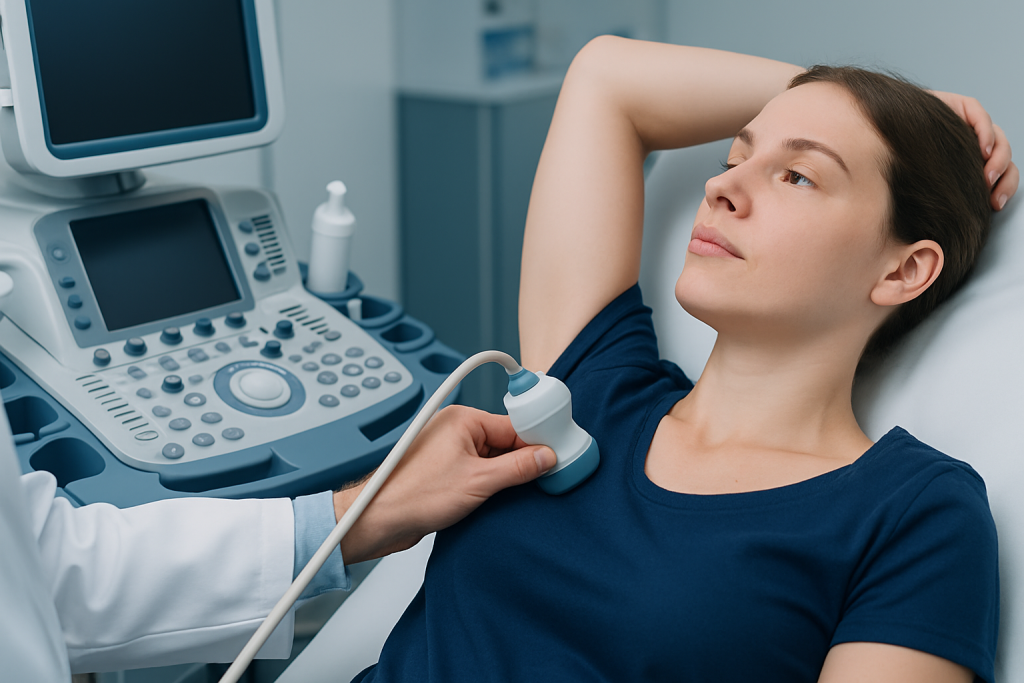
Normal axillary lymph nodes are usually too small to notice. When they enlarge, a person may feel a small lump or several lumps under the skin. These may be tender, slightly mobile, and soft or rubbery, especially when the cause is a short-term infection or inflammation.
Some swollen nodes are painless. Size alone does not reveal the cause, but doctors pay attention to whether a node is soft or firm, movable or fixed, and whether the skin over it looks red or warm. A painful, tender lump often suggests inflammation, while a hard or fixed lump may need more urgent investigation.
Symptoms can occur on one side or both sides. One-sided swelling may happen after a local skin infection, an injury to the arm or hand, or a vaccine given in that arm. Swelling on both sides can be seen with some viral illnesses or generalized immune responses.
- Common sensations include tenderness, fullness, or discomfort when moving the arm.
- The skin may look normal, or it may appear irritated if there is a nearby rash or infection.
- Some people notice swelling only while washing, shaving, or applying deodorant.
Common causes and risk factors
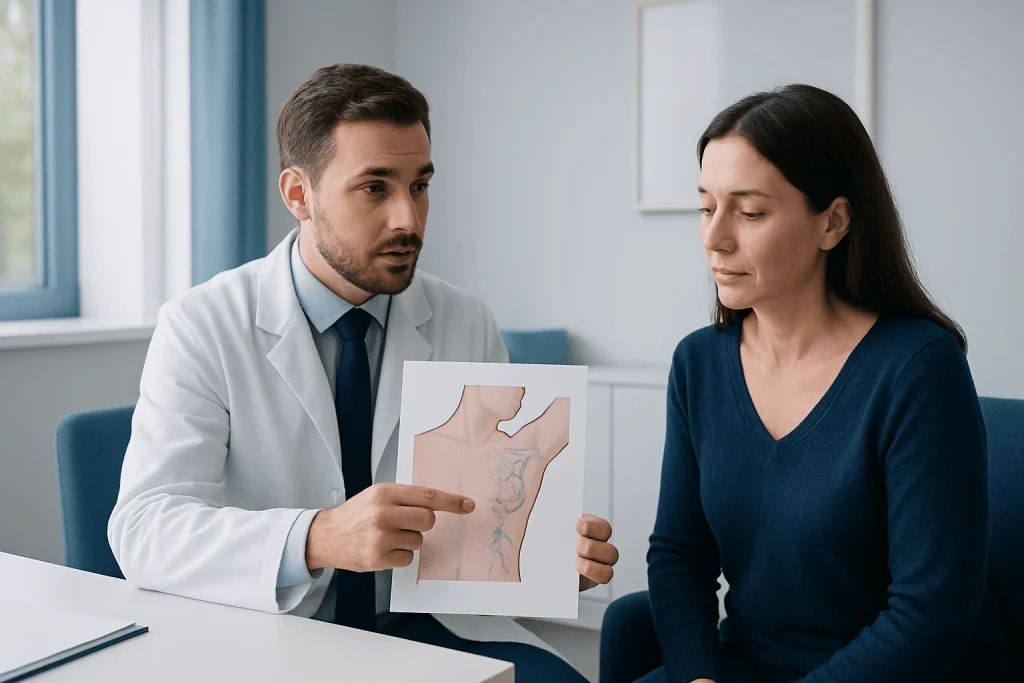
The most frequent reasons for swollen lymph glands in the armpits are minor infections and inflammation. Examples include cuts on the hand or arm, insect bites, infected hair follicles, shaving irritation, eczema, and bacterial skin infections. Viral illnesses such as a cold, flu-like illness, or infectious mononucleosis can also cause the nodes to react.
Vaccination can lead to temporary enlargement of axillary lymph nodes, especially on the same side as the injection. This happens because the immune system is responding as expected. It is often short-lived, but it can understandably cause concern if a new lump appears after vaccination.
Autoimmune and inflammatory conditions may also enlarge lymph nodes. Less commonly, swollen underarm nodes can be related to cancers of the lymphatic system, blood, skin, or breast, or to spread from another nearby area. Conditions such as breast cancer are one reason doctors ask about breast symptoms when assessing the armpit.
Risk factors that make swelling more likely include recent infection, chronic skin conditions, close contact with animals that may transmit certain infections, immune system disorders, and a personal history of cancer. In some people, recurring painful lumps in the underarm may be due to hidradenitis suppurativa, a long-term inflammatory skin condition affecting sweat gland-bearing areas.
When an armpit lump may need closer attention
Most underarm swellings are not emergencies, but some features deserve prompt medical review. A lump that continues to enlarge, lasts beyond two to four weeks, or feels hard and fixed should be examined. The same is true if there is no obvious cause such as a recent infection or vaccine.
Doctors also look for associated symptoms that suggest a broader health issue. These can include unexplained fever, drenching night sweats, unintentional weight loss, persistent fatigue, or swollen nodes in other parts of the body such as the neck or groin.
Breast-related symptoms matter as well. Changes such as a new breast lump, skin dimpling, nipple changes, or discharge alongside armpit swelling should be assessed without delay. Although many findings still turn out to be benign, timely evaluation is important.
Other warning signs include significant redness, warmth, severe pain, pus, or rapidly worsening swelling, which can point to an abscess or bacterial infection needing treatment. People with weakened immunity should seek advice early, as infections may progress more quickly.
How doctors diagnose swollen lymph nodes in the armpit
Diagnosis begins with a detailed history and physical examination. The clinician will ask when the lump was first noticed, whether it is painful, whether there has been fever, recent infection, skin irritation, vaccination, pet exposure, or weight loss, and whether there are any breast or arm symptoms.
The examination usually includes the armpit, breast area, neck, and other lymph node regions. This helps determine whether the swelling is localized or part of a more generalized pattern. The doctor will also assess the size, texture, and mobility of the lump and examine the surrounding skin.
If further testing is needed, ultrasound is often the first imaging test for an armpit lump because it can help distinguish a lymph node from a cyst or other mass and can show features that suggest benign or suspicious change. Depending on age, symptoms, and exam findings, additional imaging may include mammography or breast ultrasound when breast-related causes need to be considered.
Blood tests may be used to look for infection, inflammation, or blood disorders. If a node remains unexplained or has concerning features, the next step may be a needle sample or biopsy so a pathologist can identify the exact cause. This step is especially important when cancer, lymphoma, or unusual infection is a possibility.
Treatment options depend on the cause
Treatment for lymph glands in the armpits is directed at the underlying reason for the swelling, not the node itself. If the cause is a mild viral illness or minor irritation, the safest plan may simply be observation, since the nodes often shrink gradually over days to weeks.
Bacterial skin infections may require antibiotics, while an abscess may need drainage. If shaving, deodorant, or friction is irritating the skin, reducing the trigger and allowing the area to heal can help. For inflammatory skin conditions, treatment may involve medicated washes, creams, or specialist dermatology care.
If testing suggests an autoimmune disease, blood disorder, or cancer, treatment is tailored by the appropriate specialist team. For example, enlarged nodes related to breast disease may lead to a structured breast assessment, while suspicious lymph node disease may require input from hematology or oncology services.
Self-treating with repeated squeezing, massage, or unproven remedies is not recommended, as this can worsen irritation and delay proper diagnosis. A qualified clinician can advise whether the swelling is suitable for watchful waiting or needs more active treatment.
Self-care, prevention, and when to seek medical care
There is no single way to prevent all swollen armpit lymph nodes, because they are a normal immune response. However, good skin care can reduce some common triggers. Keeping the underarm clean, treating cuts promptly, avoiding harsh shaving practices, and managing eczema or recurrent folliculitis may help lower the chance of local inflammation.
If a person notices a new underarm lump, it is reasonable to observe it briefly if there is an obvious short-term cause, such as a recent infection or vaccination, and if the person otherwise feels well. During this time, it helps to avoid squeezing the area and to note whether the lump is shrinking, staying the same, or growing.
Medical care should be sought if the lump lasts more than a few weeks, becomes larger, feels hard, is not movable, or is associated with fever, night sweats, weight loss, marked redness, or severe pain. New breast symptoms at the same time also need medical review. This short, practical approach helps separate common temporary swelling from situations that deserve testing.
For patients who need further assessment, multidisciplinary specialists at Acibadem International and its JCI-accredited hospitals diagnose and treat underarm lumps and related conditions for international patients. Evaluation may involve breast specialists, radiologists, dermatologists, infectious disease physicians, or surgeons depending on the suspected cause.
Frequently asked questions
Are lymph glands in the armpits normal?
Yes. Lymph glands in the armpits are normal lymph nodes called axillary nodes, and they are part of the immune system. Most people do not notice them unless they enlarge in response to infection, inflammation, or another trigger.
Why do I have a swollen lymph node in one armpit?
A swollen node on one side can happen after a skin infection, shaving irritation, an ingrown hair, an injury to the arm or hand, or a vaccine given in that arm. It can also be linked to conditions in nearby tissues, including the breast, so persistent one-sided swelling should be checked.
How long can swollen armpit lymph nodes last?
The duration depends on the cause. Nodes reacting to a mild infection or vaccine often improve over days to a few weeks, but some can remain slightly enlarged for longer while settling. If swelling persists beyond a few weeks or continues to grow, medical review is advisable.
Can deodorant or shaving cause armpit lymph nodes to swell?
They can contribute indirectly by irritating the skin or causing inflamed hair follicles, which may trigger nearby lymph nodes to react. The node itself is not usually the original problem; it is responding to local inflammation.
Are swollen lymph glands in the armpits always a sign of cancer?
No. Most swollen armpit lymph nodes are caused by infections, skin irritation, or other benign inflammatory conditions. Cancer is a less common cause, but it becomes more important to rule out if the lump is hard, fixed, enlarging, or associated with breast symptoms or unexplained weight loss.
What tests are used for an armpit lump?
Doctors often start with a physical exam and may use blood tests and ultrasound. Depending on the findings, they may recommend breast imaging, other scans, or a biopsy to identify the exact cause.
This article is for general information only and is not a substitute for professional medical advice. Please consult a qualified doctor about your individual situation.
Explore treatments in Turkey — costs, top hospitals & a free quote
JCI-accredited · board-certified surgeons · reply within 24h
Add us as a Preferred Source to see more of our trusted health content across Google Search, AI Overviews and Discover.

More from the Health Library
Eye Doctor: What Patients Need to Know

Chloasma: An Evidence-Based Guide for Patients

Resmetirom: What Patients Need to Know

Drug Test: An Evidence-Based Guide for Patients

Bad Back Inversion Table: What Patients Need to Know