Eye Doctor: What Patients Need to Know
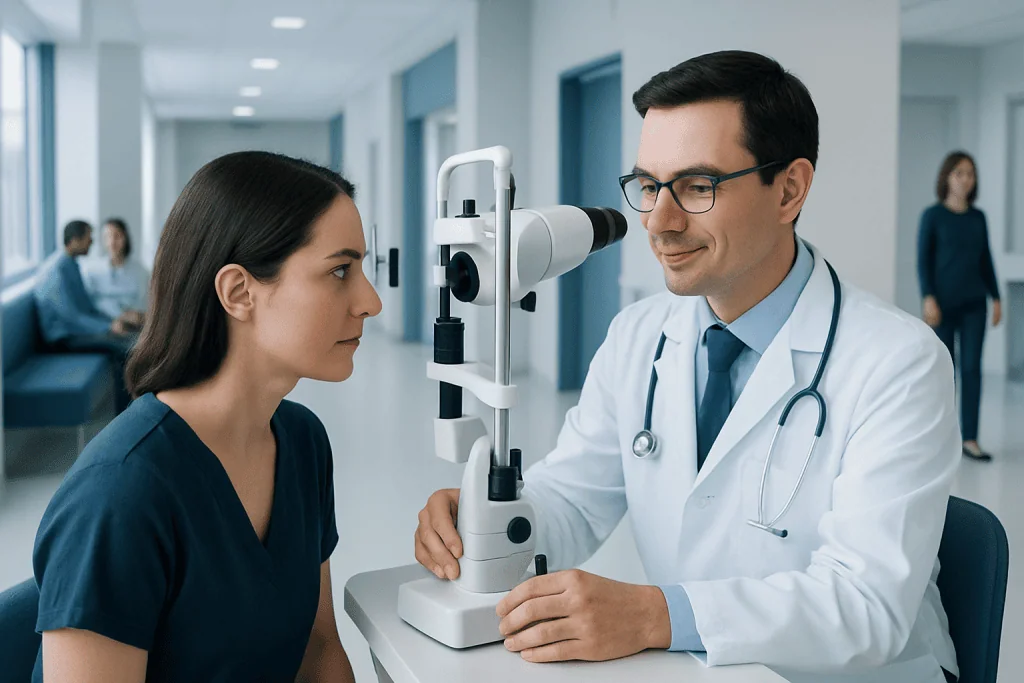
An eye doctor may be an optometrist or an ophthalmologist, and their roles are different. Routine eye exams can detect vision problems and some eye diseases before symptoms become obvious.
Key Takeaways
- An eye doctor may be an optometrist or an ophthalmologist, and their roles are different.
- Routine eye exams can detect vision problems and some eye diseases before symptoms become obvious.
- Sudden vision changes, eye pain, flashes, floaters, or injury need prompt medical attention.
- Treatment may include glasses, contact lenses, medicines, monitoring, or eye surgery.
- People with diabetes, older adults, and those with a family history of eye disease often need closer follow-up.
An eye doctor is a healthcare professional who checks vision, evaluates eye health, and helps diagnose and manage eye conditions. Knowing which type of eye doctor to see and when to seek care can help people get the right treatment at the right time.
Overview: what an eye doctor does
An eye doctor is a healthcare professional who evaluates vision, checks eye health, diagnoses eye problems, and recommends treatment. Depending on training, an eye doctor may prescribe glasses or contact lenses, treat common eye conditions, monitor chronic diseases, or perform surgery. For many patients, seeing an eye doctor is part of both routine preventive care and problem-focused medical care.
The term “eye doctor” is often used broadly, but it can refer to different specialists. An optometrist usually performs eye exams, tests visual function, prescribes corrective lenses, and manages many common eye conditions. An ophthalmologist is a medical doctor who provides eye exams and medical treatment, and can also perform eye procedures and surgery when needed.
Eye care is not only about how clearly a person sees. A visit may also identify conditions affecting the retina, optic nerve, lens, eyelids, eye pressure, or blood vessels inside the eye. In some cases, an eye exam may even suggest broader health concerns such as diabetes, high blood pressure, autoimmune disease, or neurological problems.
Types of eye doctors and how they differ
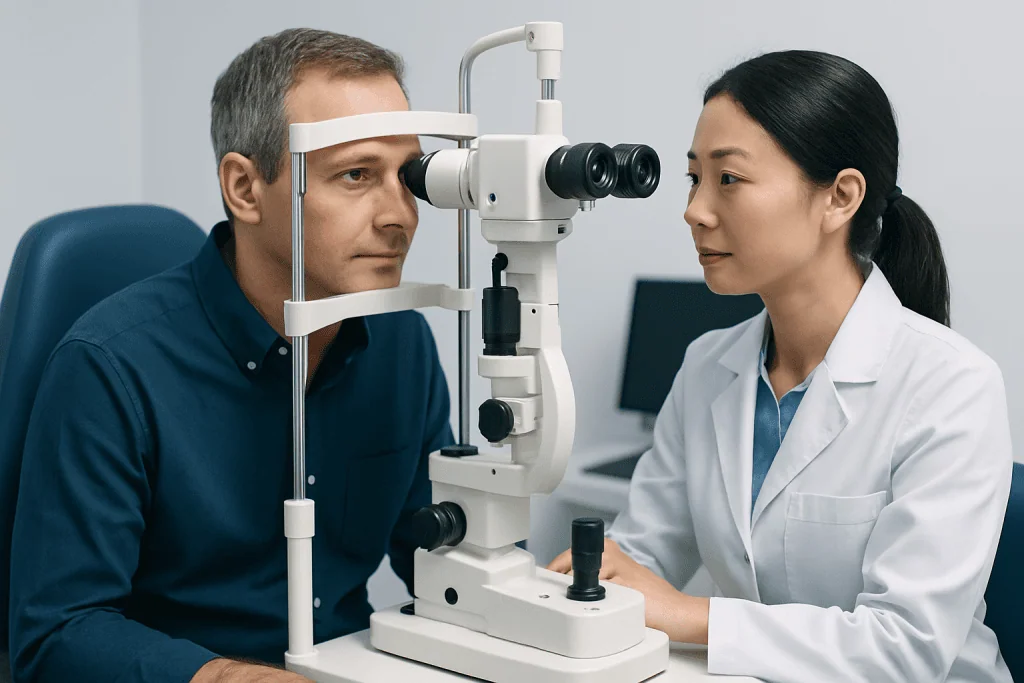
Understanding the different eye care professionals can make it easier to choose where to start. Optometrists are trained to assess vision, detect many eye disorders, prescribe glasses and contact lenses, and manage selected eye diseases with medicines and follow-up. They are often the first point of contact for blurred vision, headaches related to eye strain, and routine screening.
Ophthalmologists are physicians specializing in medical and surgical eye care. They diagnose and treat a wide range of eye diseases, prescribe medication, and perform operations such as cataract surgery and some forms of laser eye surgery. They may also provide highly specialized care for retinal disease, glaucoma, corneal disease, children’s eye disorders, or neuro-ophthalmic conditions.
Some patients may also encounter orthoptists or opticians. Orthoptists often help assess eye movement and binocular vision problems, especially in children, while opticians fit and dispense glasses or contact lenses based on a prescription. These professionals are important members of the eye care team, but they do not replace a full medical eye evaluation when symptoms are present.
Why people see an eye doctor

Many people visit an eye doctor because of vision changes. Common reasons include blurred distance vision, trouble reading, eyestrain, headaches during near work, double vision, dry or irritated eyes, or difficulty seeing at night. An eye doctor can determine whether symptoms are due to a refractive issue, aging-related changes, or an eye disease that needs treatment.
Routine eye care is also important even without symptoms. Regular exams may detect early glaucoma, cataracts, retinal changes, or other problems before they noticeably affect sight. This matters because some eye conditions progress gradually and may cause permanent damage if diagnosis is delayed.
Patients may also need an eye doctor after an injury, chemical exposure, infection, or surgery. Others are referred because they have a health condition that can affect the eyes, such as diabetes, autoimmune disease, migraine with visual symptoms, or certain medication side effects. Eye care becomes especially important during aging, since the risk of chronic eye disease increases over time.
What happens during an eye exam
An eye exam usually starts with a discussion of symptoms, medical history, medications, and family history of eye disease. The doctor may ask about changes in vision, pain, redness, light sensitivity, flashes, floaters, prior eye injuries, use of contact lenses, and work or daily activities that affect visual needs.
Testing often includes visual acuity measurement, refraction to determine a glasses prescription, and assessment of eye alignment and focusing. The doctor may examine the front of the eye with a slit lamp microscope, check the pupils, and measure intraocular pressure. Depending on the reason for the visit, the back of the eye may be examined after dilating drops are used to widen the pupils.
Additional tests may be recommended for certain concerns. These can include visual field testing, retinal imaging, corneal measurements, ultrasound, or optical coherence tomography to evaluate structures such as the retina and optic nerve. If a disease is found, the doctor explains its significance and whether treatment, monitoring, or referral is needed.
- Routine vision check and prescription update
- Screening for eye pressure and optic nerve problems
- Evaluation of cataracts, retinal disease, or eyelid problems
- Assessment before surgery or during follow-up care
Common eye conditions an eye doctor may diagnose or treat
One of the most common reasons for an appointment is refractive error, including nearsightedness, farsightedness, astigmatism, and age-related difficulty focusing up close. These conditions are usually corrected with glasses, contact lenses, or, in selected patients, procedures such as laser vision correction. Dry eye disease, allergic eye symptoms, and eyelid inflammation are also common and often respond to lifestyle measures, lubricating drops, or medication.
Eye doctors also diagnose chronic diseases that can threaten vision over time. Examples include glaucoma, cataracts, diabetic eye disease, age-related macular degeneration, and retinal tears or detachments. Some conditions can be monitored, while others need prompt treatment to protect sight. For example, a patient with advanced lens clouding may benefit from surgical treatment for cataracts, while someone with pressure-related optic nerve damage may need ongoing glaucoma care.
Infections and injuries are another important part of eye care. Conjunctivitis, corneal abrasions, contact lens-related complications, foreign bodies, and trauma can all cause redness, discomfort, or blurred vision. An eye doctor helps distinguish minor irritation from a more serious problem, such as a corneal ulcer or retinal emergency. Specialists may also evaluate less common concerns such as retinal detachment when warning signs like flashes, floaters, or a curtain-like shadow appear.
How treatment is chosen
Treatment depends on the diagnosis, severity of symptoms, the person’s age, general health, and whether vision is at risk. Some patients simply need a new prescription for glasses or contact lenses. Others benefit from lubricating drops, anti-inflammatory medicine, antibiotics, monitoring over time, or referral to an ophthalmologist for a procedure.
For chronic conditions, treatment may focus on preserving vision and slowing disease progression. Glaucoma care may include pressure-lowering drops, laser treatment, or surgery. Cataracts are treated when lens clouding begins to interfere with daily life such as reading, driving, or recognizing faces. Retinal diseases may require specialized imaging, injection-based therapies, laser treatment, or surgery depending on the exact diagnosis.
Shared decision-making is an important part of good eye care. The doctor should explain the diagnosis in understandable terms, outline available options, and discuss expected benefits and limitations. Patients should feel comfortable asking how urgent a condition is, what follow-up is needed, and whether symptoms should prompt an earlier review.
Prevention, self-care, and protecting vision
Not all eye problems can be prevented, but healthy habits can reduce risk and support long-term vision. Regular eye exams are one of the most effective ways to catch problems early. The timing depends on age, symptoms, medical history, and risk factors such as diabetes, prior eye disease, family history, or long-term steroid use.
Everyday self-care also matters. People can protect their eyes by wearing sunglasses with UV protection, using protective eyewear for sports or hazardous work, taking breaks during prolonged screen use, and handling contact lenses carefully. Good blood sugar and blood pressure control help reduce the risk of eye complications related to chronic disease.
A balanced lifestyle supports eye health as well. This includes not smoking, staying physically active, eating a varied diet rich in fruits, vegetables, and other nutrient-dense foods, and seeking advice if dryness, irritation, or visual strain becomes persistent. For international patients who need specialist evaluation, Acibadem International’s multidisciplinary specialists and JCI-accredited hospitals diagnose and treat a wide range of eye conditions.
When to seek medical care
Some symptoms should not wait for a routine appointment. Prompt medical attention is important for sudden vision loss, severe eye pain, new flashes or many floaters, a dark curtain over part of vision, significant eye injury, or chemical exposure. These may indicate conditions that can threaten sight if treatment is delayed.
Urgent assessment is also advisable for marked redness with pain or light sensitivity, sudden double vision, a swollen eyelid with fever, or contact lens-related pain and blurred vision. Children who squint, tilt the head, have a wandering eye, or seem to struggle with visual tasks should also be evaluated.
For non-urgent concerns such as gradually worsening blur, headaches with reading, dry eyes, or routine screening, scheduling a visit with an eye doctor is still worthwhile. Early assessment often simplifies treatment and helps reassure patients when symptoms are benign.
Frequently asked questions
What is the difference between an optometrist and an ophthalmologist?
An optometrist provides eye exams, checks vision, prescribes glasses or contact lenses, and manages many common eye conditions. An ophthalmologist is a medical doctor who also treats eye disease and performs eye surgery. Many patients start with either professional depending on symptoms and local access.
How often should a person see an eye doctor?
The right schedule depends on age, symptoms, and risk factors. People with diabetes, a family history of eye disease, existing vision problems, or advancing age often need more regular follow-up. A qualified eye doctor can recommend an exam interval based on individual needs.
Can an eye doctor find health problems beyond the eyes?
Yes. An eye exam can sometimes show signs linked to conditions such as diabetes, high blood pressure, autoimmune disease, or neurological disorders. This does not replace general medical care, but it can provide helpful clues that lead to further evaluation.
Is blurred vision always caused by needing glasses?
No. Blurred vision can be caused by refractive error, but it may also result from dry eye, cataracts, infections, retinal problems, glaucoma, or other medical issues. Sudden or unexplained blur should be assessed rather than assumed to be a simple prescription change.
When is an eye problem an emergency?
Sudden vision loss, severe eye pain, flashes and floaters with a shadow in vision, major injury, or chemical exposure should be treated urgently. These symptoms can signal conditions that may threaten vision. Seeking prompt medical attention can be very important.
Do children need eye exams even if they do not complain?
Yes. Children may not realize that their vision is reduced or that eye alignment is abnormal. Screening and eye exams can help detect issues early, which is important for vision development and learning.
This article is for general information only and is not a substitute for professional medical advice. Please consult a qualified doctor about your individual situation.
Explore treatments in Turkey — costs, top hospitals & a free quote
JCI-accredited · board-certified surgeons · reply within 24h
Add us as a Preferred Source to see more of our trusted health content across Google Search, AI Overviews and Discover.
Check your numbers in seconds
BMI, calories, due date, blood pressure and 30+ more clinical calculators — free, instant, doctor-reviewed ranges.

More from the Health Library

Gellan Gum — Explained by Medical Evidence, Not Myths

Test for Dementia 30 Questions: What Patients Need to Know

Calculate Height in Cms — Explained by Medical Evidence, Not Myths

Lybalvi: An Evidence-Based Guide for Patients

Pradaxa: An Evidence-Based Guide for Patients