Lymph Node Biopsy: Why It Is Done and What the Results Can Show
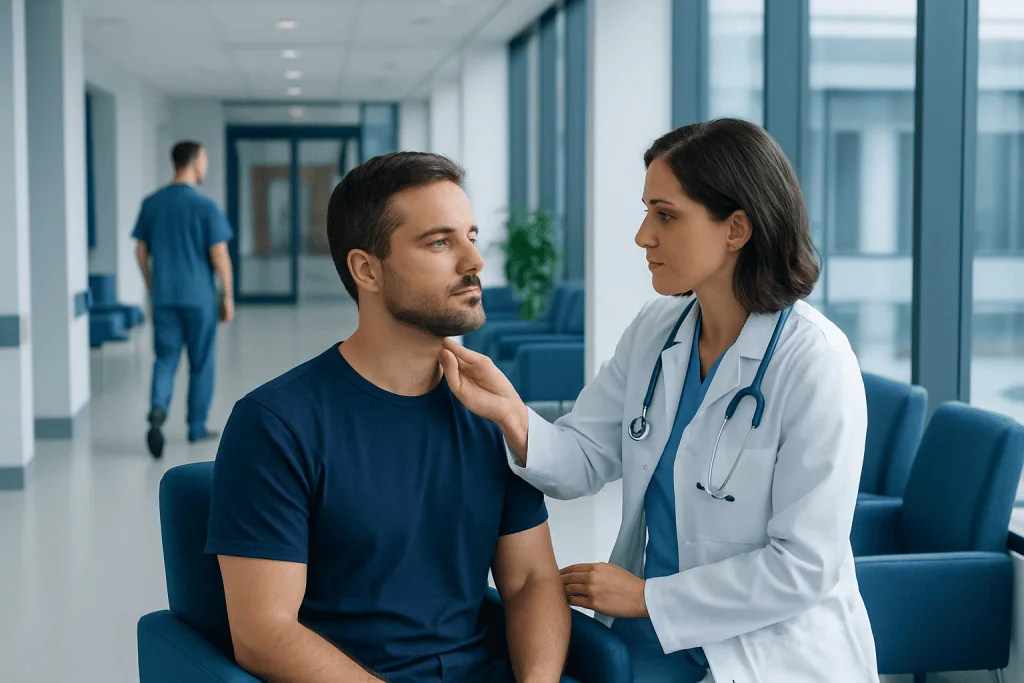
A lymph node biopsy removes part or all of a lymph node so it can be examined in a laboratory. Doctors may recommend it when lymph nodes stay enlarged, look abnormal on imaging, or when cancer needs to be confirmed or staged.
Key Takeaways
- A lymph node biopsy removes part or all of a lymph node so it can be examined in a laboratory.
- Doctors may recommend it when lymph nodes stay enlarged, look abnormal on imaging, or when cancer needs to be confirmed or staged.
- Results can show infection, inflammatory conditions, lymphoma, or spread of cancer from another part of the body.
- Several biopsy methods are used, including needle biopsy, excisional biopsy, and sentinel lymph node biopsy.
- Most people recover well, but they should follow aftercare instructions and report bleeding, fever, or worsening swelling.
A lymph node biopsy is a procedure used to examine a lymph node more closely when swelling or abnormal imaging needs further explanation. It can help doctors identify infection, inflammation, immune disorders, or cancer and guide the next steps in care.
Overview: what a lymph node biopsy is
A lymph node biopsy is a medical procedure in which a doctor removes a small sample or an entire lymph node for examination under a microscope. Lymph nodes are small, bean-shaped structures that are part of the lymphatic and immune systems. They help filter fluid and can become enlarged when the body is responding to infection, inflammation, or other disease.
In many cases, swollen lymph nodes are linked to common infections and return to normal on their own. However, if a lymph node stays enlarged, keeps growing, feels unusually firm, or appears suspicious on a scan, a biopsy may be the best way to understand the cause. The test gives more definite information than symptoms or imaging alone.
A pathologist studies the tissue to look for signs of infection, immune activity, inflammatory disease, or abnormal cells such as lymphoma or cancer that has spread from another area. This information helps doctors make an accurate diagnosis and plan treatment more confidently.
Why a lymph node biopsy may be recommended
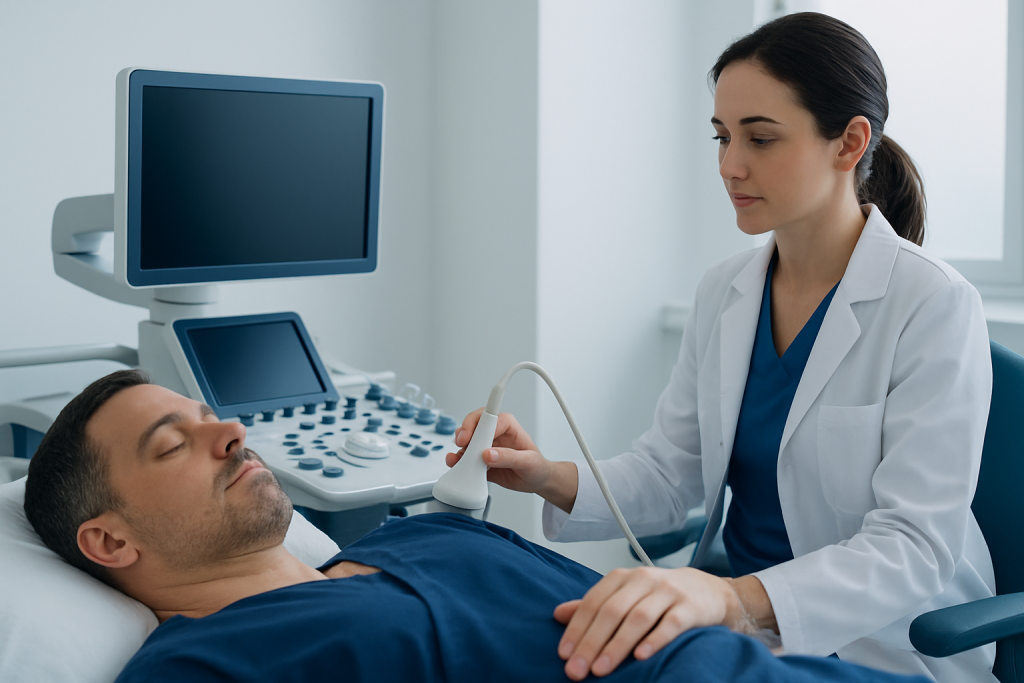
Doctors recommend a lymph node biopsy when they need to answer an important diagnostic question. One common reason is persistent lymph node enlargement that does not improve after a period of observation or treatment. A biopsy may also be advised if a lymph node is hard, fixed in place, rapidly enlarging, or associated with symptoms such as unexplained fever, night sweats, or weight loss.
Another reason is to investigate an abnormality found on ultrasound, CT, MRI, or PET imaging. In people with a known cancer, biopsy can show whether the disease has spread to nearby lymph nodes. This can affect staging and treatment decisions, especially in cancers such as breast cancer, melanoma, and some head and neck tumors.
Sometimes the biopsy is done to diagnose conditions that are not cancer. These include bacterial or viral infections, tuberculosis, sarcoidosis, and certain autoimmune or inflammatory illnesses. In this way, a lymph node biopsy is not just a cancer test; it is a broader diagnostic tool that helps explain why a node is abnormal.
Types of lymph node biopsy
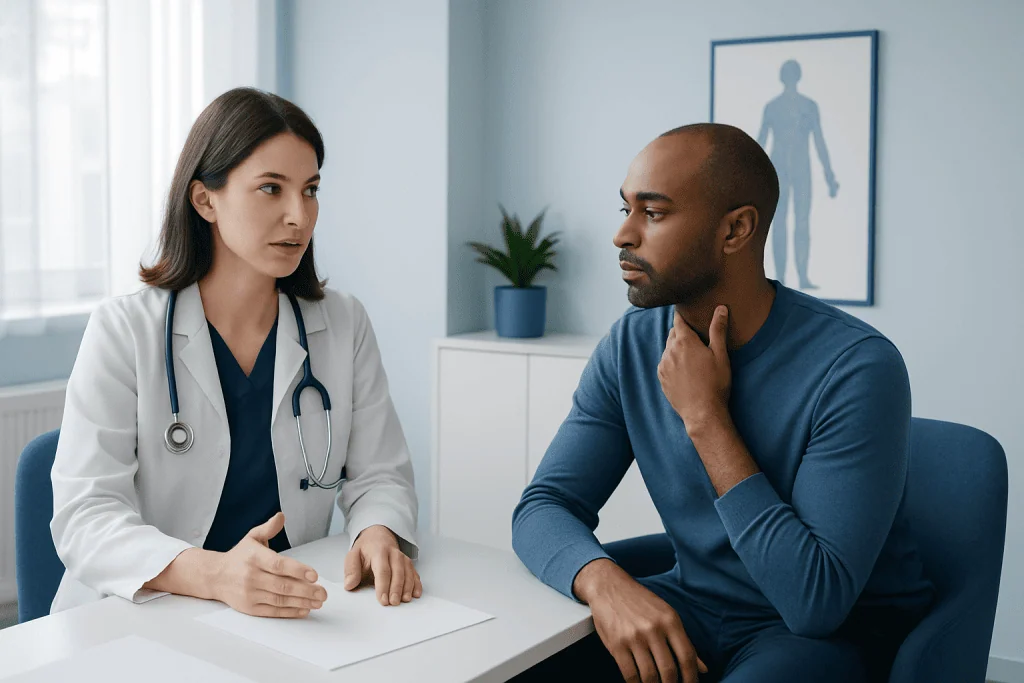
There is more than one way to perform a lymph node biopsy, and the best method depends on the location of the node and the clinical question. A fine-needle aspiration uses a thin needle to remove cells. A core needle biopsy uses a slightly larger needle to obtain a small tissue sample. These methods are less invasive and may be guided by ultrasound or CT when the node is deeper in the body.
An excisional biopsy removes the whole lymph node, while an incisional biopsy removes part of it. These surgical approaches often provide the most complete tissue architecture, which can be especially important when lymphoma is suspected. In some cases, a full node sample allows the pathologist to perform additional tests more accurately.
A sentinel lymph node biopsy is a specialized procedure used mainly in some cancers. It identifies the first lymph node or nodes most likely to receive drainage from a tumor. Examining these nodes can help determine whether cancer has started to spread. When needed as part of broader cancer assessment, doctors may also coordinate biopsy findings with PET-CT imaging or targeted biopsy procedures to build a clearer picture of the disease.
How the procedure is performed and how to prepare
Preparation depends on the type of biopsy. Before the procedure, the medical team reviews symptoms, medications, allergies, and any bleeding risks. Blood-thinning medicines may need special instructions, and the doctor may ask the person not to eat or drink for several hours if sedation or general anesthesia is planned.
Needle biopsies are often done with local anesthesia, which numbs the area while the person remains awake. Surgical biopsies may use local anesthesia, sedation, or general anesthesia depending on the lymph node location and the extent of the procedure. If imaging guidance is used, the doctor positions the needle carefully to target the abnormal node while avoiding nearby structures.
During an excisional biopsy, a small incision is made over the lymph node, and the surgeon removes all or part of it. The sample is then sent to the laboratory. Most procedures are completed the same day, and many people go home shortly afterward. The care team gives instructions about wound care, bathing, activity, and when to expect results.
What the results can show
Lymph node biopsy results can show several different patterns. In many cases, the findings point to a reactive or benign process. This means the node is enlarged because it is responding normally to an infection or inflammation somewhere in the body. The report may mention reactive hyperplasia, which generally indicates increased immune activity rather than cancer.
The biopsy can also identify specific infections. Depending on the situation, the laboratory may use special stains, cultures, or molecular tests to look for bacteria, viruses, fungi, or tuberculosis. Inflammatory and immune-mediated conditions, such as sarcoidosis, may also be recognized by characteristic changes in the tissue.
When abnormal cells are present, the biopsy helps determine whether the problem is lymphoma, another blood-related cancer, or metastatic cancer that has spread from another organ. The pathologist may perform immunohistochemistry, flow cytometry, or other specialized tests to classify the disease more precisely. This information is essential because treatment differs greatly between conditions. If a malignancy is found, doctors may combine pathology with medical oncology care and other tests to decide on the most appropriate management plan.
It is also important to know that results are not always immediate. Basic findings may be available in a few days, but specialized testing can take longer. If the sample is too small or unclear, another biopsy may occasionally be needed to reach a firm diagnosis.
Risks, recovery, and aftercare
A lymph node biopsy is generally a safe procedure, but like any medical intervention it carries some risks. Possible complications include bruising, bleeding, pain, infection, and swelling at the biopsy site. Rarely, nearby nerves or structures may be irritated, depending on where the lymph node is located.
Recovery is usually straightforward. Mild soreness for a few days is common, and many people can return to normal daily activities quickly, especially after a needle biopsy. Surgical biopsy may require a slightly longer recovery and more careful wound care. The team may advise avoiding strenuous exercise or heavy lifting for a short period.
Patients should contact their doctor if they develop fever, increasing redness, pus, significant bleeding, severe pain, or swelling that worsens rather than improves. These symptoms do not always mean a serious complication, but they should be checked promptly. Following aftercare instructions helps support smooth healing and reduces the chance of problems.
What happens after diagnosis and when to seek medical advice
The next step after a lymph node biopsy depends entirely on the result. If the biopsy shows a benign reactive process, the doctor may recommend observation, treatment of an underlying infection, or follow-up imaging or examination. If an inflammatory or immune condition is identified, further blood tests or specialist review may be needed to understand the broader cause.
If cancer is diagnosed, the biopsy becomes an important starting point for treatment planning. Additional imaging, blood tests, or bone marrow studies may sometimes be required for staging. Treatment may involve surgery, systemic therapy, radiation therapy, or a combination of approaches depending on the exact diagnosis. For example, a patient with breast cancer or another known tumor may need further staging after lymph node assessment.
People should seek medical advice if they notice lymph nodes that remain enlarged for several weeks, continue to grow, or are accompanied by fever, drenching night sweats, unexplained weight loss, or ongoing fatigue. Medical review is also important when lymph node swelling appears without a clear reason. At Acibadem International, multidisciplinary specialists in JCI-accredited hospitals evaluate lymph node conditions and plan diagnosis and treatment for international patients in a coordinated way.
Frequently asked questions
Is a lymph node biopsy always done to look for cancer?
No. A lymph node biopsy can be used to investigate many causes of enlarged lymph nodes, including infections, inflammatory conditions, and immune disorders. Although it is an important test when cancer is suspected, it is not only a cancer test.
How painful is a lymph node biopsy?
Most people feel pressure or brief discomfort rather than severe pain, especially when local anesthesia is used. Some soreness afterward is normal and usually improves over a few days. Surgical biopsies may cause more tenderness than needle biopsies, but pain is generally manageable.
How long does it take to get lymph node biopsy results?
Timing varies by laboratory and the type of testing needed. Initial findings may be available within a few days, but specialized studies can take longer. The doctor usually explains whether more detailed tests are being performed on the sample.
Can a needle biopsy miss something?
In some cases, yes. Needle biopsy is very useful, but it may not always collect enough tissue to give a complete answer, especially if lymphoma is suspected. If the result is unclear or does not match the overall clinical picture, a surgical biopsy may be recommended.
What is the difference between a sentinel lymph node biopsy and a regular lymph node biopsy?
A sentinel lymph node biopsy focuses on the first lymph node or nodes that drain a known tumor area. It is mainly used to help stage certain cancers. A regular lymph node biopsy can sample any abnormal node to diagnose the cause of enlargement or confirm spread of disease.
When should someone worry about a swollen lymph node?
Many swollen lymph nodes are related to short-term infections and settle on their own. Medical assessment is important if a node lasts for several weeks, grows, feels very hard, or is associated with symptoms such as unexplained fever, night sweats, or weight loss. A doctor can decide whether observation, imaging, or biopsy is needed.
References
- World Health Organization
- National Cancer Institute
- American Cancer Society
- Mayo Clinic
- National Health Service
This article is for general information only and is not a substitute for professional medical advice. Please consult a qualified doctor about your individual situation.
Oncology care in Turkey — second opinion and treatment plan
JCI-accredited · board-certified surgeons · reply within 24h
Add us as a Preferred Source to see more of our trusted health content across Google Search, AI Overviews and Discover.