Lymphatic Drainage: An Evidence-Based Guide for Patients

Lymphatic drainage is not a detox cure-all; its clearest medical role is in managing some forms of swelling, especially lymphedema. Manual lymphatic drainage is a light, specialized technique that differs from deep-tissue massage.
Key Takeaways
- Lymphatic drainage is not a detox cure-all; its clearest medical role is in managing some forms of swelling, especially lymphedema.
- Manual lymphatic drainage is a light, specialized technique that differs from deep-tissue massage.
- Not all swelling is lymph-related, so diagnosis matters before starting treatment.
- Treatment may also include compression, exercise, skin care, and management of the underlying cause.
- People with sudden swelling, infection signs, or shortness of breath should seek medical assessment promptly.
Lymphatic drainage is a gentle, structured technique used to encourage the movement of lymph fluid through the body. It is most evidence-based for certain types of swelling, especially lymphedema, and is best used as part of a medical care plan when symptoms are persistent or unexplained.
What lymphatic drainage is and when it helps
Lymphatic drainage is a gentle hands-on technique designed to support the flow of lymph, a clear fluid that helps remove waste products, transport immune cells, and maintain fluid balance in tissues. When the lymphatic system is working well, this fluid circulates and drains naturally. When drainage is impaired, fluid can build up and cause swelling, heaviness, discomfort, or tightness.
In medical care, lymphatic drainage usually refers to manual lymphatic drainage, a specialized therapy performed with light, rhythmic movements. It is not the same as a standard spa massage or deep-tissue massage. The goal is not to push hard on muscles, but to guide fluid toward areas where the lymphatic system can process it more effectively.
The strongest evidence for lymphatic drainage is in selected patients with lymphedema and some other swelling-related conditions. It may also be used after certain surgeries or cancer treatments when recommended by a qualified clinician. However, lymphatic drainage is not a universal solution for fatigue, weight loss, or “toxins,” and it should not replace medical evaluation for new or unexplained swelling.
How the lymphatic system works
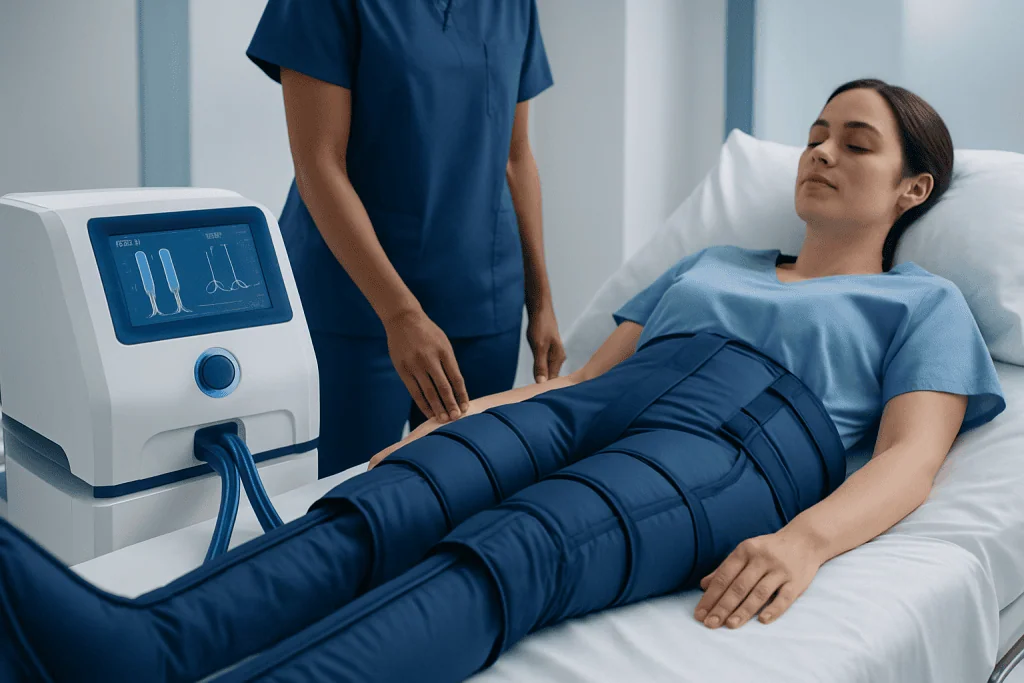
The lymphatic system is a network of small vessels, lymph nodes, and organs that works alongside the blood circulation. Fluid naturally leaks from blood vessels into tissues, bringing oxygen and nutrients to cells. Much of this fluid returns to the bloodstream, but some enters the lymphatic vessels as lymph and is filtered through lymph nodes before returning to circulation.
Lymph nodes help the body recognize and respond to infection, while lymphatic vessels act like drainage channels. Muscle movement, breathing, and normal body motion help propel lymph forward. Unlike the heart-driven blood circulation, the lymphatic system depends more heavily on these subtle body mechanics and on healthy, open lymph pathways.
If lymph vessels are damaged, blocked, removed, or overwhelmed, fluid can accumulate. This can happen after surgery, radiation therapy, infections, injury, venous disease, obesity, or certain congenital conditions. Understanding the underlying reason for swelling is essential, because treatment works best when it addresses both symptoms and cause.
Symptoms and conditions linked to impaired lymph drainage
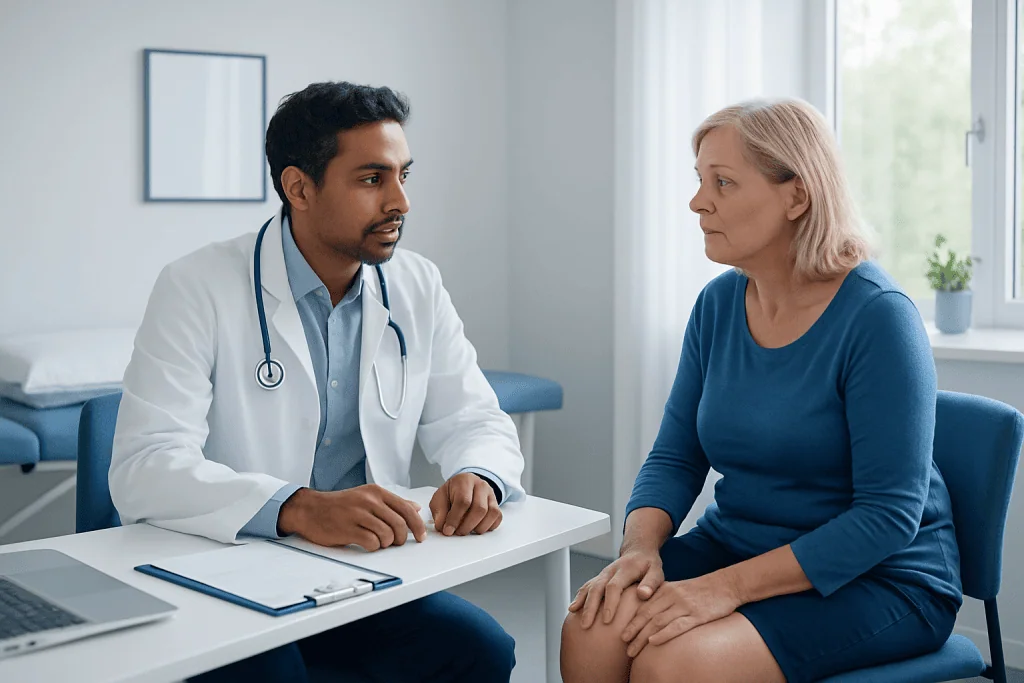
The most common symptom related to poor lymph drainage is swelling, often in an arm, leg, breast, trunk, face, or genital area. The affected area may feel heavy, tight, or less flexible. Jewelry, shoes, or clothing may begin to feel tighter than usual, and some people notice skin changes or repeated infections over time.
Lymphedema is one of the best-known conditions associated with impaired lymphatic drainage. It can develop when lymph nodes or vessels are absent, underdeveloped, damaged, or removed. A person may develop lymphedema after cancer surgery or radiation, or because of an inherited problem affecting the lymphatic system.
Not all swelling is lymphedema. Edema may also be related to vein problems, heart disease, kidney disease, liver disease, medications, inactivity, or inflammation. In some cases, lipedema, infection, or a mass can contribute to symptoms. Because the causes differ, the right treatment plan depends on an accurate diagnosis rather than on symptoms alone.
- Swelling in one or more limbs
- A feeling of heaviness or fullness
- Tight or less mobile joints
- Skin thickening or discomfort
- Recurrent skin infections such as cellulitis
Who may benefit from lymphatic drainage
Lymphatic drainage may be helpful for patients with diagnosed lymphedema, especially when it is part of a broader treatment plan. It is commonly included in complete decongestive therapy, which may combine manual drainage, compression, exercise, and skin care. This structured approach aims to reduce swelling, improve comfort, and support daily function.
Some patients may also be advised to have lymphatic drainage after cancer treatment, reconstructive procedures, or other operations if a clinician identifies lymphatic swelling during recovery. In selected cases, it can be useful alongside rehabilitation strategies that focus on range of motion, scar management, and gradual return to activity. When surgery is being considered for persistent cases, evaluation by teams experienced in lymphedema surgery may be appropriate.
By contrast, people seeking lymphatic drainage for general wellness alone should have realistic expectations. A brief sense of relaxation may occur, but claims that it rapidly removes toxins, melts fat, or cures chronic disease are not evidence-based. If swelling is persistent, painful, one-sided, or unexplained, medical assessment is more important than self-treatment.
How doctors diagnose the cause of swelling
Diagnosis starts with a medical history and physical examination. A doctor will ask when the swelling began, whether it affects one side or both, and whether it changes during the day. They may also ask about cancer treatment, surgery, infections, travel, injuries, medications, and family history.
The physical exam helps distinguish possible lymphatic swelling from other causes. Doctors assess skin texture, limb size, tenderness, varicose veins, pulses, and signs of infection. Sometimes simple measurements of limb circumference are used to monitor swelling over time.
Additional tests may be needed depending on the suspected cause. These can include blood tests, ultrasound to assess veins, and imaging to evaluate lymphatic structures or nearby tissues. When swelling may be related to a vascular problem, a specialist may also assess for conditions that overlap with varicose veins or chronic venous insufficiency. The goal is to identify whether lymphatic drainage is likely to help and whether urgent treatment is needed for another condition.
Treatment options: beyond massage alone
When lymphatic drainage is recommended, it is usually one part of a wider plan rather than a stand-alone cure. Manual lymphatic drainage is performed using light, directional strokes that follow lymphatic pathways. It is often taught and delivered by therapists trained in lymphedema care, and treatment schedules are tailored to the person’s symptoms and response.
Compression is another key treatment for many patients. This may include bandaging, compression garments, or specialist wraps that help limit fluid buildup after drainage. Movement and exercise also matter because muscle activity can encourage lymph flow. Gentle, guided exercise programs may be especially useful when paired with compression and supervised rehabilitation.
Skin care is essential because swollen tissue can be more vulnerable to irritation and infection. Patients are usually advised to keep the skin clean and moisturized, protect it from cuts and burns, and seek early care for redness or warmth. In selected patients with structural lymphatic blockage, advanced options such as lymph node transfer or microsurgical procedures may be discussed by specialist teams. If swelling is part of a broader recovery plan after cancer or other complex care, coordinated rehabilitation and physical therapy and rehabilitation can also play an important role.
Safety, self-care, and what lymphatic drainage cannot do
Lymphatic drainage is generally considered safe when performed appropriately, but it is not suitable for every situation. It may need to be delayed or avoided in people with certain active infections, uncontrolled heart failure, blood clots, or other conditions where moving fluid could be unsafe. That is why medical guidance matters, particularly for new symptoms or people with complex health conditions.
At home, self-care focuses on supporting lymph flow and preventing complications rather than aggressively massaging swollen areas. Helpful measures can include regular movement, elevating an affected limb when appropriate, wearing prescribed compression garments, maintaining a healthy weight, and taking care of the skin. Patients should avoid very tight clothing or jewelry on the affected area unless advised otherwise by a clinician.
It is also important to understand the limits of lymphatic drainage. It does not treat the root cause of every type of swelling, and it is not a substitute for care when symptoms suggest infection, vascular disease, or organ-related edema. Near the end of the care pathway, some patients may be referred to specialist centers; Acibadem International’s multidisciplinary specialists and JCI-accredited hospitals diagnose and treat lymphatic conditions for international patients when advanced assessment is needed.
When to seek medical care
A doctor should assess swelling that is new, persistent, worsening, or unexplained. Medical review is especially important if swelling affects only one limb, follows cancer treatment, limits movement, or is associated with skin thickening or repeated infections. Early evaluation can help clarify whether the problem is lymphatic, vascular, inflammatory, or related to another medical condition.
Urgent assessment is needed if swelling appears suddenly, is painful, or comes with redness, warmth, fever, chest pain, or shortness of breath. These symptoms can point to infection, a blood clot, or other conditions that need prompt treatment. Self-massage should be avoided until a clinician has ruled out serious causes.
Patients who already have diagnosed lymphedema should contact their care team if compression garments stop fitting, the limb enlarges quickly, the skin breaks down, or signs of cellulitis develop. Timely treatment can reduce complications and help protect long-term function and comfort.
Frequently asked questions
What is lymphatic drainage used for?
Lymphatic drainage is mainly used to help manage certain types of swelling caused by reduced lymph flow, especially lymphedema. It is usually part of a broader treatment plan that may also include compression, exercise, and skin care.
Is lymphatic drainage the same as a regular massage?
No. Manual lymphatic drainage uses very light, specific movements intended to encourage lymph flow, while regular massage often focuses on muscles and tension. Deep pressure is not the goal in lymphatic drainage and may not be appropriate for some patients.
Can lymphatic drainage reduce swelling in the legs or arms?
It can help in some cases, particularly when swelling is caused by lymphedema and treatment is guided by a qualified professional. But leg or arm swelling can have many causes, so a diagnosis is important before treatment begins.
Does lymphatic drainage detox the body?
The body already has natural systems for filtering and removing waste, including the liver, kidneys, and lymphatic system. Lymphatic drainage may support fluid movement in selected medical situations, but broad detox claims are not well supported by evidence.
Who should avoid lymphatic drainage?
Some people should not start lymphatic drainage without medical advice, especially those with active infection, possible blood clots, uncontrolled heart failure, or sudden unexplained swelling. A clinician can decide whether the technique is safe and appropriate.
Can lymphatic drainage help after cancer treatment?
It may help some patients who develop lymphatic swelling after surgery or radiation, particularly when used within a structured lymphedema program. Because cancer-related swelling needs careful assessment, treatment should be directed by a clinician experienced in this area.
This article is for general information only and is not a substitute for professional medical advice. Please consult a qualified doctor about your individual situation.
Explore treatments in Turkey — costs, top hospitals & a free quote
JCI-accredited · board-certified surgeons · reply within 24h
Add us as a Preferred Source to see more of our trusted health content across Google Search, AI Overviews and Discover.

More from the Health Library

Osmotic Diarrhea: What Patients Need to Know

Push Day Exercises — Explained by Medical Evidence, Not Myths

Virologist — Explained by Medical Evidence, Not Myths

Blue Lotus — Explained by Medical Evidence, Not Myths

Pebble Poop: What Patients Need to Know