Lymphatic Drainage Massage Therapy: How It Works, Results and What to Expect
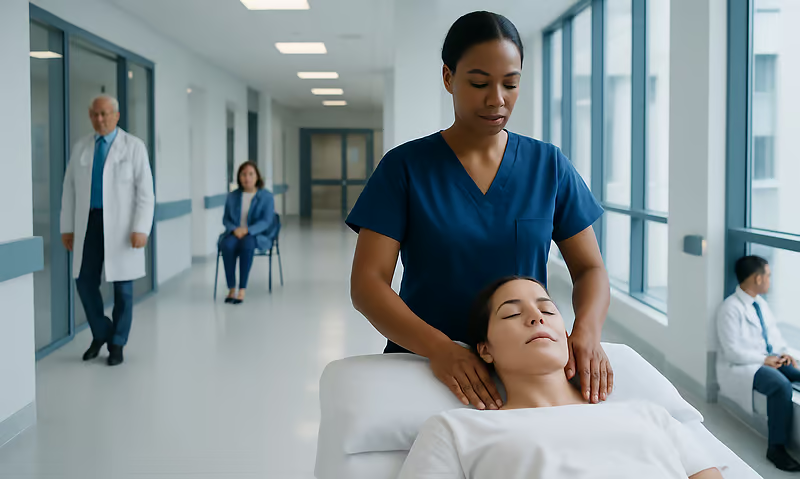
Lymphatic drainage massage therapy uses very light, specific movements and is different from deep-tissue massage. It may help reduce discomfort, tightness and swelling in people with lymphedema when included in a wider care plan.
Key Takeaways
- Lymphatic drainage massage therapy uses very light, specific movements and is different from deep-tissue massage.
- It may help reduce discomfort, tightness and swelling in people with lymphedema when included in a wider care plan.
- Results vary according to the cause of swelling, the treated area and whether compression, movement and skin care are also needed.
- New, one-sided, painful or rapidly increasing swelling needs medical assessment before massage.
- People with active infection, blood clots or certain heart and kidney conditions may need to avoid or postpone treatment.
Lymphatic drainage massage therapy is a gentle, specialised technique designed to encourage movement of lymph fluid toward working lymph nodes and drainage pathways. It is most often used as part of professional care for lymphedema or selected postoperative swelling, rather than as a general detoxification treatment.
Overview: What Is Lymphatic Drainage Massage Therapy?
Lymphatic drainage massage therapy, also called manual lymphatic drainage (MLD), is a light-touch technique that aims to support the movement of lymph fluid through lymphatic vessels. The lymphatic system is part of the immune and fluid-balance systems. It collects excess fluid, proteins and cellular material from body tissues and returns much of it to the bloodstream through a network of vessels and lymph nodes.
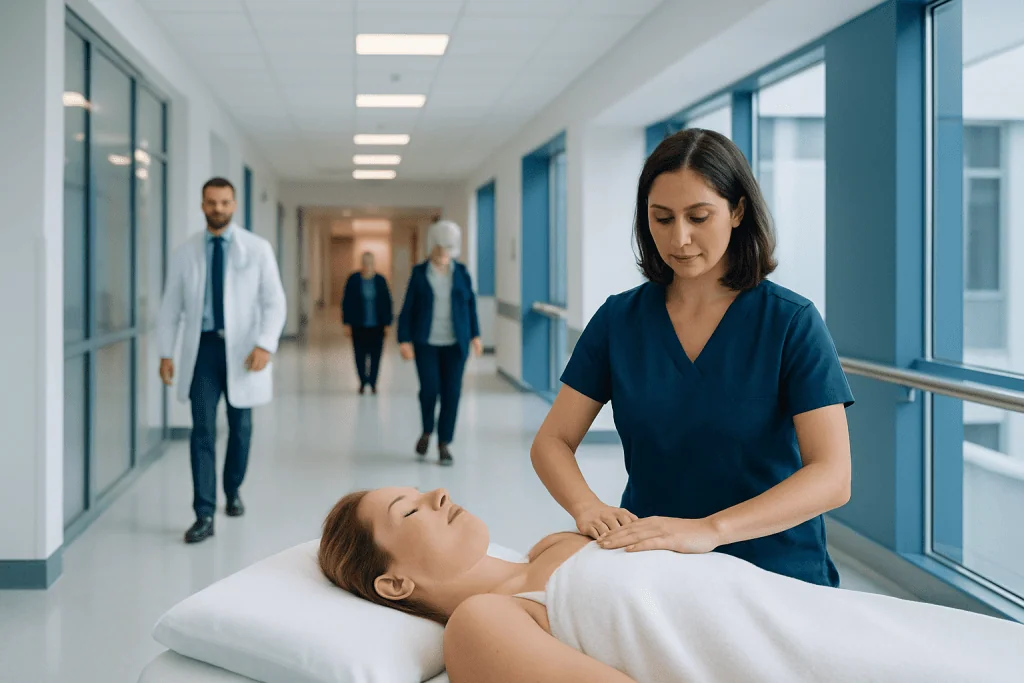
Unlike a conventional relaxation or deep-tissue massage, MLD does not use firm pressure to work on muscles. A trained clinician uses slow, gentle, stretching movements on the skin in a planned sequence, usually beginning near central drainage areas and then working toward the affected limb or body region. The goal is to encourage fluid to move through available pathways.
The best-established medical use is within complete decongestive therapy for lymphedema, a long-term swelling condition caused by reduced lymphatic transport. It may also be considered after certain operations when a surgeon or treating team advises it. It is not proven to remove toxins, cause meaningful fat loss or replace medical evaluation for unexplained swelling.
How It Works and What Happens to the Body
The lymphatic vessels lie close to the skin surface. For this reason, effective lymphatic drainage massage therapy is usually gentle rather than forceful. Skin-stretching movements may stimulate the small lymph vessels to take up fluid and direct it toward lymph nodes and channels that can transport it onward.
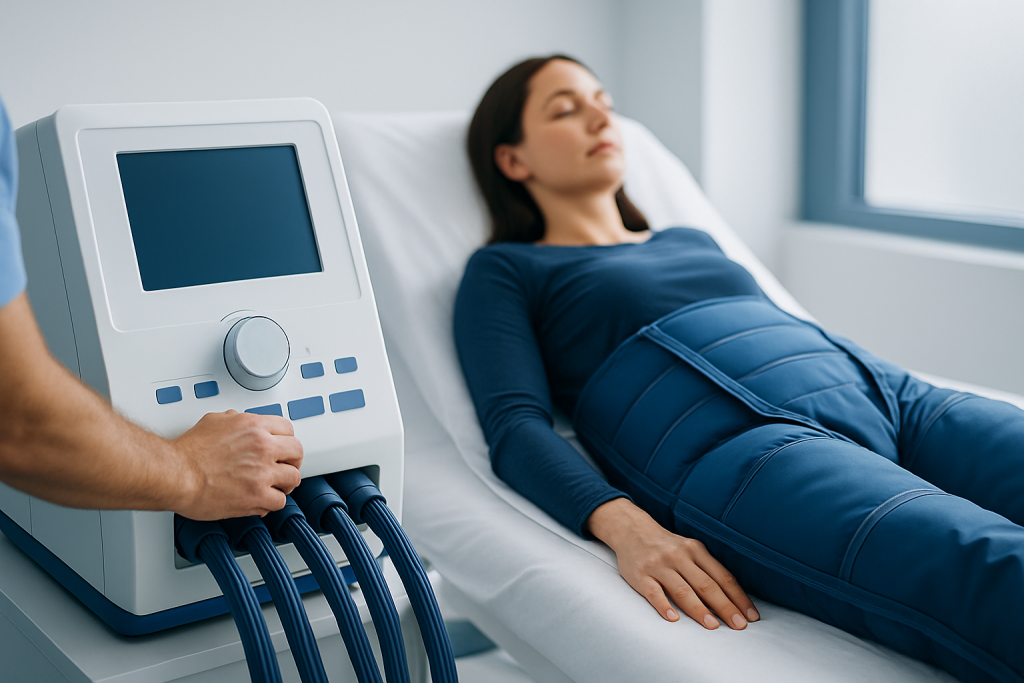
When swelling is linked to impaired lymph drainage, the technique may temporarily reduce the feeling of heaviness, fullness or tightness and can support movement of fluid from an affected region. In lymphedema care, massage is commonly combined with compression garments or bandaging, targeted exercise, skin care and education. These elements work together; massage alone is rarely a complete long-term solution.
Some people notice relaxation, warmth or a need to urinate after a session. These experiences are not reliable measures of “detoxification.” The body’s kidneys, liver, lungs and gastrointestinal tract carry out waste processing and removal. A qualified professional can explain the realistic purpose of MLD for the individual’s symptoms and diagnosis.
Candidacy, Benefits and Important Limits
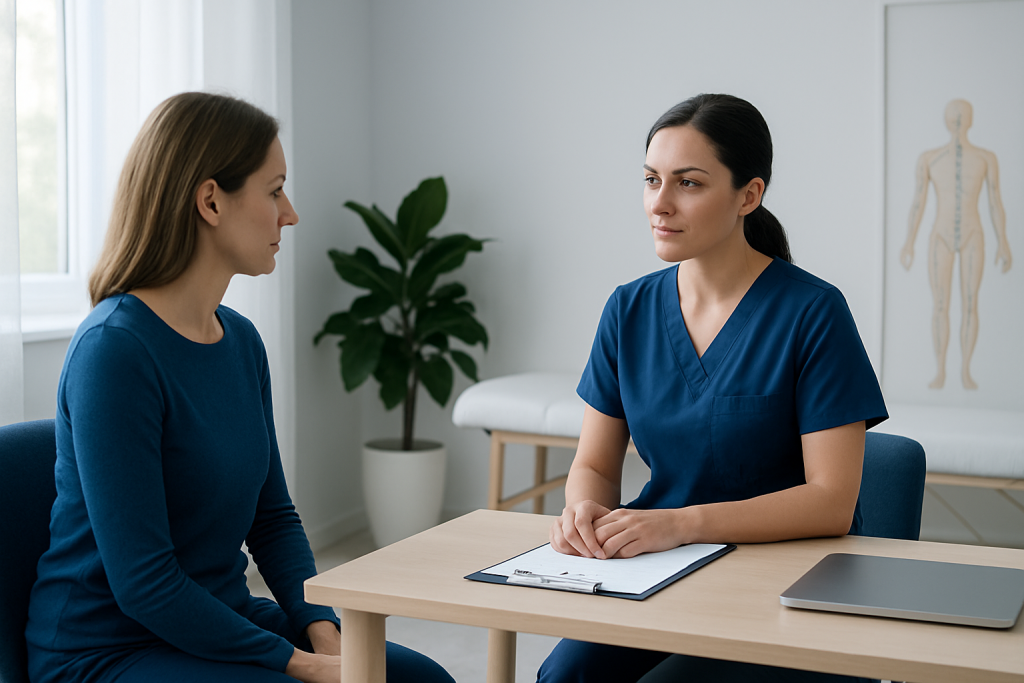
A doctor, physiotherapist or certified lymphedema therapist may recommend MLD for people with diagnosed lymphedema, including swelling that occurs after lymph node surgery, radiation therapy, infection, trauma or congenital lymphatic differences. It may also be used in carefully selected postoperative recovery plans, but the timing and techniques must be approved by the operating surgeon.
Potential benefits include a reduction in tissue tightness, improved comfort, easier movement and support for swelling management. The degree and duration of benefit vary. A person with longstanding lymphedema may need ongoing self-management, including compression and regular monitoring, even when professional treatment improves symptoms.
It is important to identify why swelling is present before arranging treatment. Swelling can result from venous disease, medication effects, heart, kidney or liver disease, injury, infection or a blood clot. Lymphatic massage should not be used as a substitute for diagnosis. Related concerns, such as chronic venous swelling, may require assessment through services such as varicose veins treatment rather than massage alone.
- Suitable candidates have an identified reason for swelling and clearance from an appropriate clinician.
- Postoperative patients need individual guidance on timing, incision healing and compression.
- People seeking cosmetic contour change should understand that any reduction in fluid-related puffiness is not the same as permanent fat loss.
Step by Step: What to Expect During a Session
Before treatment, the practitioner should review medical history, current symptoms, recent procedures, medications and any signs that require medical assessment first. They may examine the area, ask about changes in swelling through the day and, for lymphedema care, take circumference or volume measurements to monitor progress over time.
The person usually lies comfortably on a treatment table, with the affected area accessible. The therapist begins with gentle movements in areas closer to the neck, trunk or groin, depending on the treatment plan. This is followed by slow, repeated strokes that guide skin and superficial tissues in the direction of suitable lymphatic pathways. Treatment should not be painful or leave deep bruising.
A session length and schedule depend on the diagnosis and goals. In intensive lymphedema treatment, appointments may be paired with compression bandaging and self-care education. In postoperative care, the therapist follows the surgeon’s restrictions, particularly around incisions, drains, implants and areas of tissue healing. Patients should feel comfortable asking why a technique is being used and what care is expected between visits.
How Long After a Lymphatic Massage Do You See Results?
Some people with fluid-related tightness notice a temporary sense of lightness or less swelling shortly after a session. Visible changes, if they occur, can take several sessions and are influenced by the underlying condition, the size and location of the affected area, activity level and use of compression when prescribed.
For lymphedema, progress is best assessed over time rather than by one session. Clinicians may monitor limb measurements, skin texture, comfort, function and the person’s ability to maintain results with compression and self-management. A short-lived improvement does not necessarily mean the underlying lymphatic problem has resolved.
After surgery, recovery follows the body’s healing process and the surgeon’s plan. Swelling normally changes over days to weeks, and massage should only be started when the surgical team considers it appropriate. Persistent, worsening or uneven swelling should be reported rather than treated repeatedly without review.
What Shouldn't You Do After a Lymphatic Drainage Massage?
After lymphatic drainage massage therapy, patients should follow the plan provided by their clinician. If compression is prescribed, it should be worn or applied exactly as advised. Gentle movement, adequate rest and normal hydration can be appropriate for many people, but there is no need to force large amounts of water or undertake strenuous exercise immediately after treatment.
It is generally sensible to avoid deep, painful massage over the treated area, overheating the body with very hot baths or saunas if swelling is a concern, and ignoring changes in the skin. Avoid applying unapproved creams, aggressive exfoliation or tight clothing that constricts the area, especially after surgery or when skin is fragile.
People should not continue massage if they develop increasing pain, new redness, warmth, fever, shortness of breath, chest pain or sudden swelling. These symptoms can have causes that need prompt medical attention. Any postoperative restriction from the surgeon takes priority over general aftercare advice.
How Can I Tell If My Lymphatic Drainage Massage Is Working?
When MLD is appropriate, signs of benefit may include less tightness, reduced heaviness, improved range of movement, softer tissue or a gradual reduction in measured circumference. For some people, the most useful outcome is improved comfort and ability to perform daily activities rather than a dramatic visible change.
The most reliable way to judge response is to track symptoms and objective measures with a qualified clinician. In lymphedema care, the therapist may compare measurements taken at consistent points and review whether compression garments fit better or whether swelling returns quickly. Photographs may occasionally assist monitoring when taken under consistent conditions and only with the care team’s advice.
A treatment is not considered successful simply because it produces sweating, urination or immediate changes in scale weight. If swelling does not improve, returns rapidly or worsens despite treatment, the care plan should be reassessed. Other causes may need investigation, and different therapies may be more appropriate.
Risks, Recovery Timeline and When to Seek Medical Care
When delivered by a trained professional to an appropriately screened person, lymphatic drainage massage therapy is usually well tolerated. Mild temporary fatigue, tenderness or changes in urinary frequency can occur. Painful pressure, bruising or worsening swelling are not expected outcomes and should be discussed with the practitioner or doctor.
MLD may be unsuitable or need postponement in active skin infection, fever, suspected or confirmed deep vein thrombosis, uncontrolled heart failure, significant kidney disease or certain active cancer situations. The decision is individual and should be made with the treating doctor, particularly for people receiving cancer treatment or recovering from surgery.
Medical care should be sought urgently for sudden swelling of one leg or arm, redness and warmth with fever, severe pain, new shortness of breath, chest pain, coughing blood, fainting or a rapid decline in general health. These symptoms may indicate conditions that require prompt assessment and should not be managed with massage.
For planned care, Acibadem International’s multidisciplinary specialists and JCI-accredited hospitals can assess swelling and coordinate rehabilitation or postoperative treatment for international patients. A personalised plan may include physical therapy and rehabilitation alongside medical evaluation, compression guidance and skin-care education where indicated.
Frequently asked questions
Is lymphatic drainage massage therapy the same as a regular massage?
No. Lymphatic drainage massage therapy uses very gentle, directed skin-stretching movements rather than the deeper pressure often used to relax muscles. It is performed for specific clinical goals, particularly fluid management in diagnosed lymphedema or selected postoperative situations.
What happens to your body when you get a lymphatic drainage massage?
The gentle movements are intended to support the transport of fluid through superficial lymphatic vessels toward functioning drainage pathways. A person may feel relaxed or notice less tissue tightness, but the treatment does not detoxify the body or permanently remove fat.
How long after a lymphatic massage do you see results?
Some people notice symptom relief shortly after treatment, while visible or measurable changes may require several sessions. Results depend on why swelling is present and whether the full treatment plan, such as compression and exercise, is followed.
What shouldn't you do after a lymphatic drainage massage?
Do not ignore worsening pain, redness, warmth, fever or sudden swelling after treatment. Follow clinician instructions about compression, wound care and activity, and avoid deep massage or intense heat on the treated area unless the care team has approved it.
How can I tell if my lymphatic drainage massage is working?
Helpful changes may include less heaviness, softer tissue, improved movement or gradual reduction in measurements taken by a clinician. Immediate urination, sweating or weight changes are not dependable indicators of treatment success.
Can lymphatic drainage massage be done after surgery?
It may be appropriate after some procedures, but only with the operating surgeon’s approval. Timing depends on healing, the type of surgery, incision status, drains, infection risk and other individual factors.
References
- International Society of Lymphology
- National Cancer Institute
- American Cancer Society
- National Health Service
- Mayo Clinic
This article is for general information only and is not a substitute for professional medical advice. Please consult a qualified doctor about your individual situation.
Explore treatments in Turkey — costs, top hospitals & a free quote
JCI-accredited · board-certified surgeons · reply within 24h
Add us as a Preferred Source to see more of our trusted health content across Google Search, AI Overviews and Discover.