Lymphedema: Swelling Causes, Stages, and Long-Term Management

Lymphedema causes swelling when the lymphatic system cannot drain fluid effectively. It often affects an arm or leg, but it can also involve the breast, chest, genitals, head, or neck.
Key Takeaways
- Lymphedema causes swelling when the lymphatic system cannot drain fluid effectively.
- It often affects an arm or leg, but it can also involve the breast, chest, genitals, head, or neck.
- Early treatment can reduce swelling, lower the risk of infection, and slow progression.
- Compression, movement, skin care, and specialized therapy are the main parts of long-term management.
- A doctor should assess new, persistent, or worsening swelling to rule out other causes.
Lymphedema is a long-term condition that causes swelling when lymph fluid does not drain properly. Although it usually cannot be cured, early diagnosis and ongoing care can help control symptoms, protect the skin, and improve daily comfort.
Overview
Lymphedema is swelling caused by a buildup of lymph fluid in the body’s tissues. The lymphatic system is part of the immune and circulation systems. It helps collect excess fluid, filter waste, and support the body’s defenses against infection. When lymph vessels or lymph nodes are damaged, blocked, or underdeveloped, fluid can collect and lead to visible swelling.
The condition most often affects one arm or one leg, but it can also involve both limbs or other body areas. Some people develop lymphedema after cancer surgery or radiation therapy, while others are born with lymphatic changes that cause symptoms later in life. The swelling may begin gradually and can become more noticeable over time.
Lymphedema is generally described as either primary or secondary. Primary lymphedema is linked to inherited or developmental problems of the lymphatic system. Secondary lymphedema happens when a previously normal lymphatic system is affected by surgery, radiation, infection, injury, or other medical conditions.
Although lymphedema is usually a chronic condition, it can often be managed successfully. A structured plan that combines compression, skin care, exercise, and monitoring can help reduce discomfort, support function, and lower the risk of complications.
Symptoms and Stages
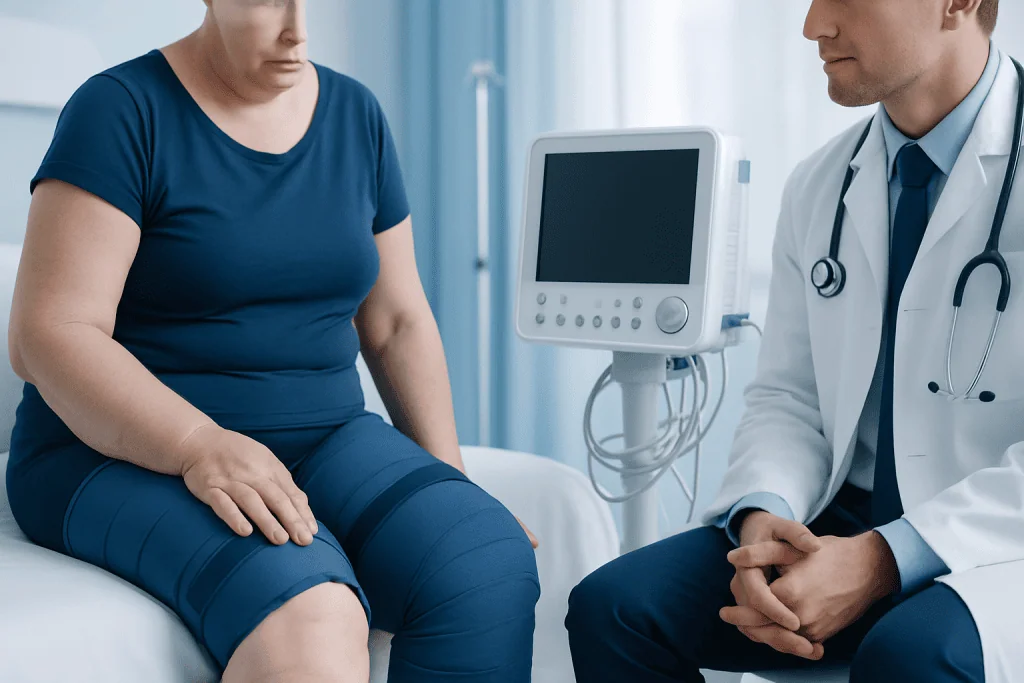
The main symptom of lymphedema is swelling, often in an arm or leg. At first, the swelling may come and go and may be more obvious later in the day or after long periods of standing or sitting. Jewelry, shoes, sleeves, or rings may feel tighter than usual. Some people notice a heavy, full, tight, or aching feeling before swelling becomes easy to see.
As lymphedema progresses, the affected area may become firmer and less flexible. The skin can feel tight, and movement in nearby joints may become more difficult. Recurrent skin infections, leakage of lymph fluid, and thickening of the skin can occur in more advanced cases.
Healthcare professionals often describe lymphedema in stages. In an early latent stage, the lymphatic system is impaired but swelling may not yet be visible. In stage 1, swelling is soft and may improve with elevation. In stage 2, the swelling becomes more persistent and tissue changes begin. In stage 3, also called severe or advanced lymphedema, the swelling is more pronounced and the skin and underlying tissues may become thickened.
- Common symptoms include swelling, heaviness, tightness, aching, and reduced range of motion.
- Skin changes may include dryness, hardening, thickening, or repeated infections.
- Symptoms can affect daily activities, clothing fit, comfort, and body image.
Causes and Risk Factors
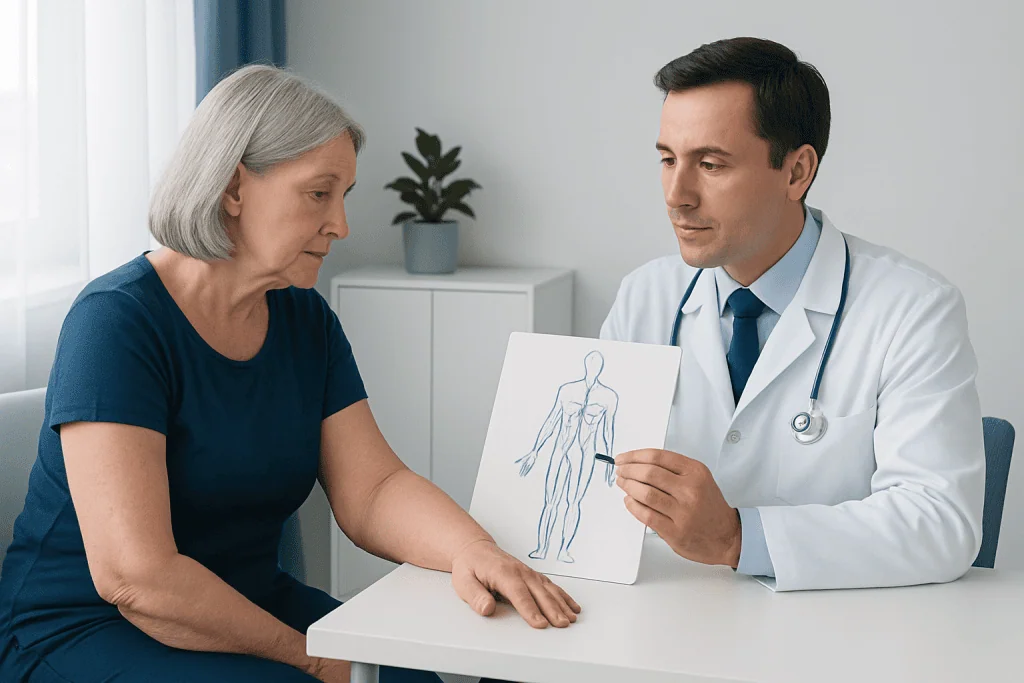
Secondary lymphedema is the most common form in many clinical settings. It often develops after cancer treatment when lymph nodes are removed or exposed to radiation. For example, it may occur after treatment for breast, gynecologic, prostate, melanoma, or other cancers. People receiving care related to breast cancer may hear about lymphedema risk as part of follow-up planning.
Other causes include trauma, severe infection, inflammation, scarring, or conditions that block lymph flow. In some parts of the world, parasitic infection is a major cause, but in many countries it is less common. Obesity can increase pressure on the lymphatic system and raise the risk of developing or worsening lymphedema.
Primary lymphedema is less common and results from abnormalities in lymphatic development. Symptoms may begin in infancy, around puberty, or later in adulthood. A family history can sometimes be present, though not always.
Risk factors do not mean a person will definitely develop lymphedema, but they can increase the likelihood. These include lymph node surgery, radiation therapy, recurrent infections, reduced mobility, obesity, and previous swelling in the affected area. Understanding these factors can help patients and clinicians monitor for early signs.
How Lymphedema Is Diagnosed
Diagnosis usually begins with a medical history and physical examination. A doctor asks when the swelling started, whether it changes during the day, and whether there is a history of surgery, radiation, infection, or injury. The pattern of swelling, skin changes, and comparison with the unaffected side can provide important clues.
Because many conditions can cause swelling, clinicians may need to rule out other problems such as venous disease, heart or kidney conditions, infection, or blood clots. In some situations, especially when swelling is sudden, painful, or associated with redness, urgent assessment is important. Evaluation may include blood tests or imaging depending on the suspected cause.
Specialized imaging can sometimes help confirm lymphedema or assess the lymphatic system. This may include ultrasound to look for other causes of swelling, or imaging tests that visualize lymph flow. If needed, a doctor may request an MRI scan or other imaging studies as part of a broader evaluation.
Early diagnosis matters because treatment is often more effective before the tissues become firm and fibrotic. People who are at increased risk after cancer treatment may benefit from baseline limb measurements and regular follow-up, especially if they begin noticing heaviness, tightness, or subtle swelling.
Treatment Options and Long-Term Management
The main goals of lymphedema treatment are to reduce swelling, improve comfort and function, protect the skin, and prevent complications. Treatment usually depends on the severity, location, and underlying cause. Most people benefit from a long-term self-management plan combined with guidance from trained clinicians.
A common approach is complete decongestive therapy, often delivered by a lymphedema therapist. This may include manual lymphatic drainage, compression bandaging or garments, skin care, and specific exercises. Compression sleeves, stockings, or wraps help support lymph flow and reduce fluid buildup. Gentle movement and muscle activity can further improve circulation and drainage.
Some patients may also use pneumatic compression devices at home under medical advice. In selected cases, surgery may be considered when conservative treatment is not enough. Depending on the patient’s situation, specialists may discuss microsurgical options such as lymph node transfer or lymphovenous bypass, or procedures to remove excess fibrofatty tissue in advanced disease.
Treatment works best when it is personalized and consistent. Follow-up is important because lymphedema can change over time. Near the end of the care journey, some international patients seek assessment in specialized centers; Acibadem International’s multidisciplinary specialists in JCI-accredited hospitals diagnose and treat lymphedema with individualized plans.
Prevention and Self-Care
Not all cases of lymphedema can be prevented, but careful self-care can lower risk and help keep symptoms stable. Skin care is especially important because breaks in the skin can allow bacteria to enter and lead to cellulitis. Washing gently, moisturizing regularly, treating cuts promptly, and protecting the skin from sunburn and insect bites are sensible steps.
Regular movement supports lymph flow. Light exercise, stretching, walking, and therapist-guided strengthening can be helpful when introduced gradually. For people at risk after surgery or cancer treatment, an exercise program is usually safest when discussed with the care team first. Extreme overexertion should generally be avoided until a doctor or therapist advises otherwise.
Weight management may also help because excess weight can strain the lymphatic system. Compression garments should be worn as prescribed and replaced when they lose elasticity. Travelers may be advised to move around during long journeys and follow their clinician’s guidance on compression use.
- Protect the skin and watch for redness, warmth, or signs of infection.
- Stay active with gentle, regular exercise suited to the individual’s condition.
- Use compression garments exactly as recommended.
- Avoid tight clothing or jewelry that constricts the affected area.
- Attend follow-up visits to monitor changes early.
When to See a Doctor
Any new or unexplained swelling in an arm, leg, breast, or another body area should be assessed by a doctor. This is especially important if the person has a history of cancer treatment, lymph node surgery, radiation, or repeated skin infections. Early evaluation can help identify lymphedema or another cause of swelling before complications develop.
Prompt medical attention is needed if swelling suddenly worsens or is associated with redness, warmth, fever, significant pain, or rapid skin changes. These features can suggest infection or another urgent problem that needs immediate treatment. Sudden swelling can also have causes unrelated to lymphedema, so it should not be ignored.
People already diagnosed with lymphedema should seek review if their compression garment no longer fits, symptoms interfere more with daily life, or the skin becomes thickened, cracked, or prone to leaking fluid. A therapist or doctor may need to adjust the treatment plan.
If swelling is persistent and the cause remains unclear, further assessment may be appropriate. Depending on symptoms and medical history, a specialist may coordinate care with vascular medicine, oncology, rehabilitation, dermatology, or plastic and reconstructive surgery teams.
Frequently asked questions
Is lymphedema permanent?
Lymphedema is usually a long-term condition, but its symptoms can often be managed well. Early treatment and ongoing self-care may reduce swelling, improve comfort, and help prevent progression.
What does lymphedema feel like at the beginning?
Early lymphedema may feel like heaviness, tightness, fullness, or mild aching before swelling becomes obvious. Clothing, shoes, watches, or rings may start to feel tighter on one side.
Can exercise make lymphedema worse?
Appropriate exercise is usually helpful rather than harmful. Gentle, gradual activity and therapist-guided strengthening can support lymph flow, but exercise plans should be tailored to the individual, especially after surgery or cancer treatment.
How is lymphedema different from ordinary swelling?
Ordinary swelling can happen for many reasons and may improve quickly once the cause resolves. Lymphedema tends to be persistent or recurrent and is linked to a problem with lymph drainage, often with feelings of heaviness, skin changes, or progressive tissue firmness.
Can lymphedema lead to infection?
Yes. The affected area can be more vulnerable to skin infections such as cellulitis because fluid buildup and skin changes can weaken natural defenses. Redness, warmth, fever, or sudden worsening of swelling should be assessed promptly.
Who is most at risk of developing lymphedema?
People who have had lymph node removal, radiation therapy, certain cancers, repeated skin infections, or significant obesity are at increased risk. Some people are also born with lymphatic abnormalities that can cause primary lymphedema.
This article is for general information only and is not a substitute for professional medical advice. Please consult a qualified doctor about your individual situation.
Explore treatments in Turkey — costs, top hospitals & a free quote
JCI-accredited · board-certified surgeons · reply within 24h
Add us as a Preferred Source to see more of our trusted health content across Google Search, AI Overviews and Discover.

More from the Health Library

Celiac Disease in Adults: When Digestive Symptoms Are Not the Only Clue

ALS vs Parkinson’s Disease: How Symptoms and Progression Differ

Aplastic Anemia: Severe Fatigue, Low Blood Counts, and Urgent Evaluation

POTS: Fast Heart Rate on Standing, Causes, and Treatment Options

What Is Wilson Disease? Liver Problems, Neurological Signs, and Copper Testing