Lymphoma: Early Signs, Risk Factors, and How It Is Treated

Lymphoma is not one disease; the two main groups are Hodgkin lymphoma and non-Hodgkin lymphoma. Common warning signs include painless swollen lymph nodes, unexplained fever, night sweats, fatigue, itching, and unintentional weight loss.
Key Takeaways
- Lymphoma is not one disease; the two main groups are Hodgkin lymphoma and non-Hodgkin lymphoma.
- Common warning signs include painless swollen lymph nodes, unexplained fever, night sweats, fatigue, itching, and unintentional weight loss.
- Diagnosis usually requires a biopsy, supported by blood tests and imaging to identify the type and stage.
- Treatment may include watchful waiting, chemotherapy, immunotherapy, targeted therapy, radiation therapy, or stem cell transplant.
- Persistent swollen glands or ongoing “B symptoms” should be assessed by a qualified doctor.
Lymphoma is a cancer that begins in lymphocytes, a type of white blood cell in the lymphatic system. Its early signs may be subtle, but timely evaluation can help clarify the cause and guide treatment based on the lymphoma type, stage, and a person’s overall health.
Overview: What lymphoma is
Lymphoma is a cancer of the lymphatic system, which is part of the body’s immune defense. It starts when lymphocytes, a type of white blood cell, grow in an abnormal and uncontrolled way. These cells can collect in lymph nodes, the spleen, bone marrow, or other organs.
There are two main groups: Hodgkin lymphoma and non-Hodgkin lymphoma. Each group includes several subtypes that behave differently, grow at different speeds, and respond to different treatments. Some lymphomas are slow-growing and may be monitored for a time, while others are more aggressive and need prompt treatment.
The signs of lymphoma can overlap with many common illnesses, which is one reason diagnosis may take time. A swollen lymph node may be caused by an infection, for example, but when symptoms persist or are accompanied by fever, night sweats, or weight loss, further assessment is important. Related blood cancers may also be part of the discussion during evaluation, including leukemia.
Early signs and symptoms of lymphoma
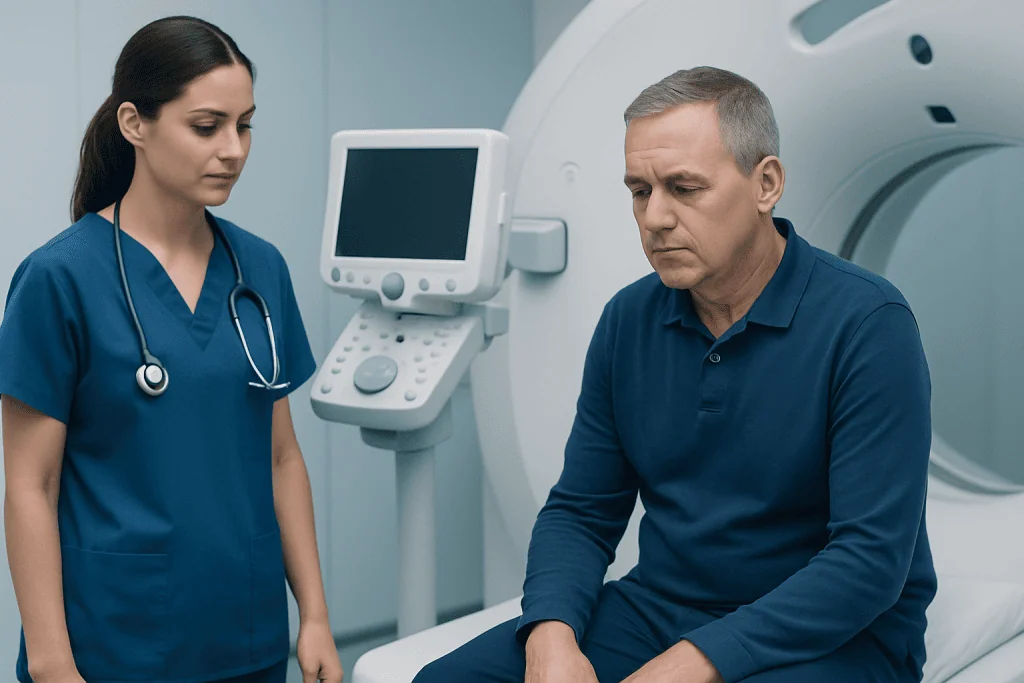
The most recognized early sign of lymphoma is a swollen lymph node that does not go away. These lumps are often found in the neck, armpit, or groin and are usually painless. Not every swollen gland is serious, but a node that stays enlarged for weeks or keeps growing should be checked.
Other symptoms can be more general and easier to overlook. Many people report unusual tiredness, reduced energy, or a feeling of being unwell without a clear reason. Fever, drenching night sweats, and unintentional weight loss are often called “B symptoms” and may help doctors assess the disease.
Symptoms can vary depending on where lymphoma is located. Lymphoma in the chest may cause cough, shortness of breath, or chest discomfort. In the abdomen, it may cause pain, bloating, loss of appetite, or a sense of fullness. Some people also develop itchy skin or frequent infections.
- Painless swollen lymph nodes
- Persistent fatigue
- Unexplained fever
- Night sweats
- Unintentional weight loss
- Itching, cough, or abdominal discomfort
Why lymphoma happens: causes and risk factors

In many cases, there is no single clear cause of lymphoma. It develops when genetic changes occur within lymphocytes and allow them to grow and survive longer than they should. These changes are not usually caused by anything a person knowingly did or did not do.
Several factors can increase risk. Age matters, although lymphoma can occur at any stage of life. Some types are more common in younger adults, while others become more common with older age. A weakened immune system, whether due to medical conditions or certain medicines, can also raise the chance of developing some lymphomas.
Other possible risk factors include certain infections, family history, autoimmune disease, and previous exposure to cancer treatments such as radiation or chemotherapy. However, having one or more risk factors does not mean a person will definitely develop lymphoma, and many people diagnosed with lymphoma have no obvious risk factor at all.
How doctors diagnose and classify lymphoma
Diagnosis begins with a medical history and physical examination. A doctor will ask about symptoms, how long they have been present, and whether there are warning features such as fever, drenching night sweats, or unexplained weight loss. They will also examine lymph nodes and look for signs of enlargement of the liver or spleen.
The key test for confirming lymphoma is a biopsy. This means taking part or all of an enlarged lymph node or another affected tissue so it can be examined under a microscope. A biopsy is important because blood tests or scans alone usually cannot determine the exact lymphoma subtype.
Additional tests help define the extent of disease and support treatment planning. These may include blood tests, bone marrow assessment in selected cases, and imaging such as MRI, CT, or PET/CT scans. Depending on symptoms and findings, doctors may also consider other cancers of the lymphatic system, including lymph node cancer.
Once the subtype is identified, doctors stage the lymphoma. Staging describes how far it has spread and whether it is above or below the diaphragm, in extranodal organs, or more widespread. Staging helps guide treatment, but the lymphoma subtype is often even more important than stage in predicting treatment approach.
Treatment options for lymphoma
Lymphoma treatment is highly individualized. The best plan depends on whether the lymphoma is Hodgkin or non-Hodgkin, whether it is slow-growing or aggressive, its stage, symptoms, laboratory results, and the person’s age and overall health. For some slow-growing lymphomas, immediate treatment is not always necessary, and careful monitoring may be the safest option.
When treatment is needed, common approaches include chemotherapy, immunotherapy, targeted therapy, and radiation therapy. These may be used alone or in combination. Hodgkin lymphoma often responds well to combination treatment, while non-Hodgkin lymphoma management varies widely by subtype.
Some people may need advanced therapies if the lymphoma is high risk, returns after treatment, or does not respond as expected. In selected situations, doctors may discuss stem cell or bone marrow transplantation. Supportive care is also an important part of treatment and can include infection prevention, symptom relief, nutrition support, and help with side effects.
Treatment decisions are best made by a multidisciplinary team that includes hematology, oncology, pathology, imaging, and supportive care specialists. Near the end of the care pathway, some international patients may choose centers such as Acibadem International, where multidisciplinary specialists in JCI-accredited hospitals diagnose and treat lymphoma and related blood cancers.
Living with lymphoma: monitoring, self-care, and recovery
Living with lymphoma often involves periods of testing, treatment, and follow-up. Even when treatment is successful, regular checkups remain important because they help monitor recovery, watch for recurrence, and manage long-term effects. The exact schedule depends on the subtype of lymphoma and the therapies used.
Self-care cannot treat lymphoma by itself, but it can support overall well-being. Balanced nutrition, adequate rest, gentle physical activity as tolerated, and infection precautions may help a person feel stronger during and after treatment. Emotional support also matters, as uncertainty and fatigue can affect mood and daily routines.
People should inform their care team about new symptoms, side effects, or concerns about work, travel, vaccination, fertility, or family life. Practical planning and open communication often make treatment easier to manage. It is also wise to avoid unproven remedies that claim to cure cancer without medical evidence.
When to seek medical care
Medical care should be sought if a swollen lymph node lasts more than a few weeks, grows larger, or is accompanied by fever, night sweats, or unexplained weight loss. A persistent cough, shortness of breath, ongoing abdominal swelling, or severe fatigue without a clear cause also deserves evaluation.
Urgent medical attention is appropriate for symptoms such as significant breathing difficulty, chest pressure, confusion, severe weakness, or signs of infection during cancer treatment, including high fever or shaking chills. People who have already been diagnosed with lymphoma should contact their doctor promptly if symptoms worsen or new problems develop.
Many causes of swollen lymph nodes are not cancerous, but persistent or unexplained symptoms should not be ignored. Early assessment can identify infections, autoimmune conditions, or cancers and help guide the right next step.
Frequently asked questions
What is the difference between Hodgkin lymphoma and non-Hodgkin lymphoma?
Hodgkin lymphoma and non-Hodgkin lymphoma are the two main categories of lymphoma. They differ in the types of abnormal cells seen under the microscope, how they spread, and which treatments are most appropriate.
Are swollen lymph nodes always a sign of lymphoma?
No. Swollen lymph nodes are more often caused by infections or other non-cancerous conditions. However, if a lymph node stays enlarged, keeps growing, or appears with fever, night sweats, or weight loss, a doctor should evaluate it.
Can lymphoma be cured?
Some lymphomas can be cured, and others can be controlled for many years. The outlook depends on the lymphoma subtype, stage, response to treatment, and the person’s general health.
How is lymphoma confirmed?
A biopsy is usually needed to confirm lymphoma and identify the exact subtype. Blood tests and imaging help support the diagnosis and determine how far the disease has spread, but they usually cannot replace tissue testing.
Does lymphoma always need treatment right away?
Not always. Some slow-growing lymphomas may be monitored closely until treatment is truly needed, especially if symptoms are mild or absent. More aggressive lymphomas usually require prompt treatment.
What are the common treatments for lymphoma?
Common treatments include chemotherapy, immunotherapy, targeted therapy, and radiation therapy. Some people may also need stem cell transplantation, depending on the lymphoma type and how it responds to initial treatment.
References
- World Health Organization
- National Cancer Institute
- American Cancer Society
- National Comprehensive Cancer Network
- Leukemia & Lymphoma Society
This article is for general information only and is not a substitute for professional medical advice. Please consult a qualified doctor about your individual situation.
Lymphoma in Turkey — costs, top hospitals & a free quote
JCI-accredited · board-certified surgeons · reply within 24h
Add us as a Preferred Source to see more of our trusted health content across Google Search, AI Overviews and Discover.

Medical Oncology Department
Medical treatment of cancer with chemotherapy, immunotherapy and targeted therapies under a multidisciplinary tumor board.
60 specialists in this unit