Lymphoma Screening: How It Works, Results and What to Expect

There is no standard population-wide lymphoma screening test comparable to mammography or cervical screening. A painless, persistent enlarged lymph node is a common reason to seek medical assessment, but it has many non-cancer causes.
Key Takeaways
- There is no standard population-wide lymphoma screening test comparable to mammography or cervical screening.
- A painless, persistent enlarged lymph node is a common reason to seek medical assessment, but it has many non-cancer causes.
- Routine blood work can show changes that support further investigation, but it cannot diagnose or rule out lymphoma on its own.
- A biopsy is usually needed to confirm lymphoma and identify its exact subtype.
- Results may return within days for routine tests, while specialized biopsy and genetic analyses can take longer.
- Persistent or worsening symptoms should be discussed with a qualified doctor rather than monitored indefinitely at home.
Lymphoma screening is not routinely recommended for people without symptoms or a known high-risk condition. When lymphoma is suspected, clinicians combine a medical history, physical examination, blood tests, imaging and—most importantly—a lymph node or tissue biopsy to establish the diagnosis and type.
Lymphoma screening: what it means and how it works
Lymphoma screening usually means evaluating a person for possible lymphoma after symptoms, examination findings or test results raise concern. There is currently no single reliable screening test for lymphoma in people who feel well and have no known high-risk condition. This differs from organized screening programs for some other cancers, because lymphoma includes many different diseases that can develop in different parts of the lymphatic system.
Lymphoma starts in lymphocytes, a type of white blood cell involved in immune defense. The two broad groups are Hodgkin lymphoma and non-Hodgkin lymphoma. Some forms grow slowly and may be monitored initially, while others need prompt treatment. Identifying the precise subtype is essential because outlook and treatment planning depend on the lymphoma’s cell type, behavior and extent.
When a doctor considers lymphoma, the assessment generally proceeds in stages: symptoms and health history, a physical examination, lymphoma screening labs, targeted imaging when appropriate, and tissue sampling. A biopsy—not a blood test alone—is usually the step that confirms whether lymphoma is present.
Who may need assessment for lymphoma?
Most people do not need cancer screening for lymphoma when they have no symptoms. Assessment is more appropriate for people with unexplained enlarged lymph nodes, persistent constitutional symptoms, abnormal blood counts or imaging findings that need clarification. Enlarged nodes are common during or after infections and are usually not lymphoma, but a node that remains enlarged, grows, feels firm, or appears without an obvious reason should be examined.
Doctors may also take a lower threshold for investigation in people with certain risk factors. These can include immune suppression after an organ transplant, medicines that suppress the immune system, HIV infection, some autoimmune diseases, or a previous history of lymphoma. Risk factors do not mean that lymphoma will develop, and most cases arise in people without a clear identifiable cause.
Age, family history, recent infections, medication use, travel, weight changes and previous cancers may all be relevant to the clinical discussion. A clinician can decide whether watchful follow-up, repeat examination, blood testing, imaging or referral to a hematology specialist is most suitable.
What is the biggest indicator of lymphoma?

A persistent, unexplained swollen lymph node is one of the most important possible indicators of lymphoma. It may occur in the neck, above the collarbone, armpit or groin. Lymphoma-related nodes are often painless, but pain or the absence of pain cannot determine the cause. Infections, inflammatory conditions and other non-cancer causes are much more frequent explanations for swollen nodes.
Clinicians consider the full pattern rather than one sign in isolation. Features that may warrant more timely evaluation include a node that is growing, firm or fixed; swelling in more than one area; enlargement lasting several weeks; or lymph node changes accompanied by fever, drenching night sweats, unintentional weight loss, fatigue or itching.
A physical examination can identify accessible enlarged nodes and signs such as liver or spleen enlargement. However, it cannot confirm lymphoma. A doctor may recommend further lymphoma screening tests when the examination and medical history suggest that additional assessment is needed.
What are the 10 warning signs of lymphoma?
There is no checklist that can diagnose lymphoma, and many of these symptoms have common, non-cancer causes. Still, medical review is sensible when symptoms are unexplained, persistent, progressive or occurring together. Ten possible warning signs are:
- Painless swelling of a lymph node in the neck, armpit, groin or above the collarbone.
- Fever without a clear infection or other explanation.
- Drenching night sweats that require changing sleepwear or bedding.
- Unintentional weight loss.
- Persistent tiredness that does not improve with rest.
- Generalized itching without an obvious skin cause.
- Shortness of breath, cough or chest discomfort, particularly if chest lymph nodes are enlarged.
- Abdominal fullness, pain or swelling, which may occur with enlarged abdominal nodes or spleen.
- Repeated or unusual infections in some cases.
- Reduced appetite or a feeling of becoming full quickly.
These signs are not specific to lymphoma, and their presence does not mean a person has cancer. A clinician can assess whether infection, medication effects, endocrine conditions, inflammatory disease or another cause is more likely, and can arrange appropriate testing if needed.
Would lymphoma show up in routine blood work?
Routine blood work may provide useful clues, but it cannot diagnose lymphoma or reliably exclude it. A complete blood count may show anemia, low or high white blood cell counts, or low platelets. These findings can occur for many reasons and may be normal even when lymphoma is present, especially when the disease is confined to lymph nodes.
Other lymphoma screening labs may include liver and kidney function tests, markers of inflammation, lactate dehydrogenase (LDH), and tests for infections that can affect the immune system or influence treatment planning. Results help doctors understand general health, identify alternative causes of symptoms and establish a baseline if further testing is required.
For people asking how to diagnose lymphoma with blood tests, the key point is that blood tests are supportive rather than confirmatory. In selected situations, specialized blood tests or examination of blood cells may identify certain blood-related cancers, but tissue analysis remains central for diagnosing most lymphomas.
Step by step: tests, biopsy and what results mean
The process usually begins with a consultation. The doctor asks about symptoms and their duration, infections, medications, personal and family history, and any immune-system conditions. During the examination, the doctor checks lymph node areas and may examine the abdomen for enlargement of the liver or spleen.
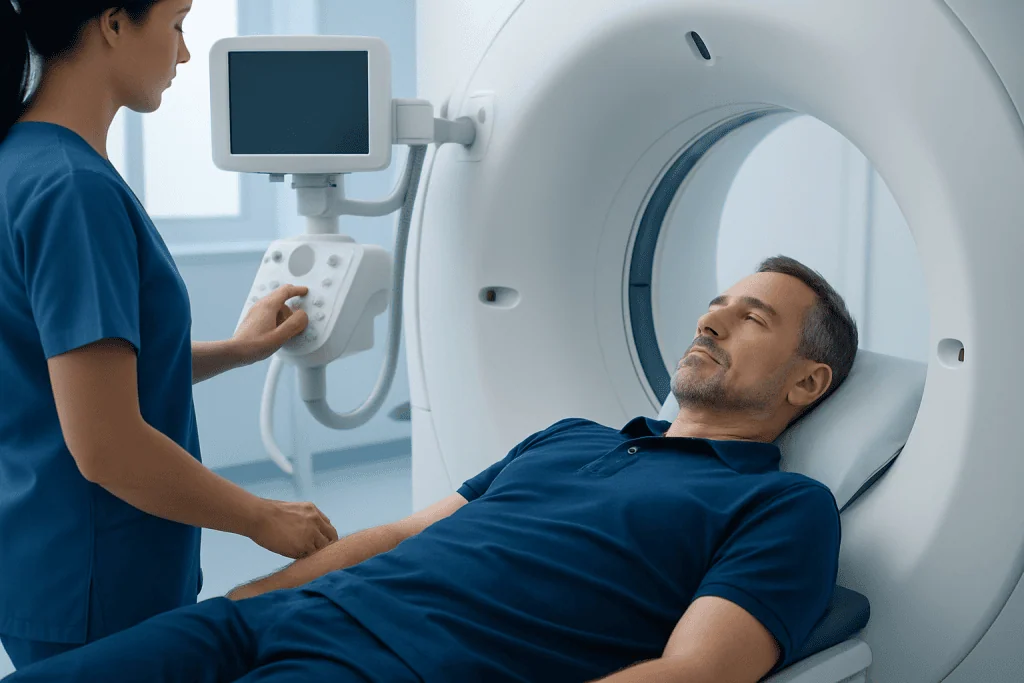
If testing is appropriate, it may include blood tests and imaging such as ultrasound, CT, PET-CT or MRI. Imaging can show the location and size of enlarged nodes or organs, but it cannot reliably distinguish lymphoma from infection or other conditions. If an abnormal area requires clarification, the doctor generally recommends a biopsy.
Whenever possible, an excisional biopsy, in which all or part of a lymph node is removed, can provide enough tissue for detailed analysis. A core needle biopsy may be suitable in some situations. A pathologist examines the sample using microscopy and specialized laboratory techniques to determine whether lymphoma is present and, if so, its subtype. Further scans, blood tests or a bone marrow assessment may be used for staging after a diagnosis.
A result described as reactive or benign often means that the node changes are consistent with immune activity, such as a recent infection. An inconclusive result may mean more tissue or follow-up is needed. A confirmed lymphoma result leads to referral to a hematology-oncology team for individualized discussions about staging, monitoring and treatment options.
What to expect: preparation, recovery, benefits and risks
Preparation depends on the test. Blood tests usually require little preparation, although some tests may have specific instructions. Imaging departments provide guidance about contrast material, eating and drinking, metal objects, pregnancy and medicines. For a lymph node biopsy, the care team explains whether local anesthesia, sedation or general anesthesia will be used and whether someone should accompany the patient home.
After a needle biopsy, mild soreness or bruising is common and often settles within a few days. Surgical lymph node biopsy recovery can take longer, particularly if general anesthesia was used. The care team gives wound-care instructions and explains when normal activity can resume. Patients should contact their clinical team promptly for increasing redness, swelling, drainage, fever, severe pain or other concerns after a procedure.
The main benefit of this assessment is diagnostic clarity: it can identify a treatable cause of symptoms, rule out lymphoma in many cases, or provide the detailed information needed to plan care. Risks are generally low but vary by procedure. Blood tests can cause brief discomfort or bruising; imaging involving contrast or radiation has specific considerations; and biopsies can involve bleeding, infection, scarring or anesthesia-related risks. These are reviewed before consent.
Acibadem International’s multidisciplinary specialists and JCI-accredited hospitals support international patients who need evaluation and treatment planning for suspected or confirmed lymphoma.
How long does it take for test results for lymphoma?
Timing varies by test and by the complexity of the findings. Routine blood test results may be available the same day or within a few days. Imaging reports can often be reviewed within several days, although timing differs between facilities and whether urgent interpretation is required.
Biopsy results commonly take several days to one or two weeks because the laboratory must process and examine the tissue carefully. Additional immunohistochemistry, flow cytometry, chromosome studies or molecular testing may be needed to classify the lymphoma accurately, which can extend the timeline. Waiting can be difficult, but the detailed analysis helps avoid making decisions based on incomplete information.
Once results are ready, the doctor should explain what they mean, whether further tests are necessary, and what follow-up is recommended. Patients may find it helpful to bring a support person and write down questions before the appointment.
When to seek medical care
Medical care should be sought for an unexplained swollen lymph node that persists beyond a few weeks, enlarges, returns repeatedly or is associated with other ongoing symptoms. A doctor should also evaluate unexplained fevers, drenching night sweats, weight loss, marked fatigue, chest symptoms, or persistent abdominal discomfort.
More urgent assessment is appropriate for trouble breathing or swallowing, rapidly increasing neck or facial swelling, severe chest pain, confusion, fainting, or significant weakness. These symptoms can have several causes and should not be self-diagnosed. Timely professional assessment is the safest approach.
There is no proven home test or lifestyle measure that prevents all lymphoma. General measures such as avoiding tobacco, following recommended infection prevention advice, attending routine health care and reporting new persistent symptoms can support overall health. People with immune suppression should follow their specialist’s monitoring plan.
Frequently asked questions
Is there a routine lymphoma screening test?
No standard screening test is recommended for lymphoma in the general population without symptoms. Unlike some cancers, lymphoma has many subtypes and no single test has been shown to reliably find it early in otherwise well people. Assessment is usually targeted to symptoms, examination findings or individual risk factors.
Can an ultrasound diagnose lymphoma?
Ultrasound can show the size, shape and internal features of an enlarged lymph node, particularly in the neck, armpit or groin. It may help guide a biopsy, but it cannot confirm lymphoma. A tissue sample examined by a pathologist is generally required for diagnosis.
Are swollen lymph nodes usually lymphoma?
No. Swollen lymph nodes are commonly caused by infections and immune responses, including common viral illnesses. A node that is persistent, enlarging, unexplained or accompanied by systemic symptoms should be assessed by a doctor.
Can lymphoma be diagnosed from a complete blood count?
A complete blood count can identify abnormalities such as anemia or changes in white blood cells and platelets. These results may support further investigation but are not specific to lymphoma, and normal results do not rule it out. A biopsy is usually needed to make a diagnosis.
What happens if a lymph node biopsy is negative?
A negative biopsy may indicate that lymphoma was not found in the sampled tissue and that the changes are benign or reactive. If symptoms or lymph node enlargement continue, the doctor may recommend follow-up, repeat imaging or another biopsy depending on the clinical situation. The next step depends on whether the sample was adequate and how the overall findings fit together.
Should people with a family history of lymphoma have regular screening?
Most people with a family history do not need regular lymphoma screening tests if they have no symptoms. A clinician can review the family history alongside other health factors and advise whether any individualized monitoring is appropriate. New or persistent symptoms should still be assessed promptly.
References
- American Cancer Society
- National Cancer Institute
- Lymphoma Coalition
- National Health Service
- World Health Organization
This article is for general information only and is not a substitute for professional medical advice. Please consult a qualified doctor about your individual situation.
Lymphoma in Turkey — costs, top hospitals & a free quote
JCI-accredited · board-certified surgeons · reply within 24h
Add us as a Preferred Source to see more of our trusted health content across Google Search, AI Overviews and Discover.

Medical Oncology Department
Medical treatment of cancer with chemotherapy, immunotherapy and targeted therapies under a multidisciplinary tumor board.
60 specialists in this unit