Lymphoma Staging: What the Tests Show and Why It Matters

Lymphoma staging shows where the disease is located and how far it has spread. Doctors use biopsy results, imaging scans, blood tests, and sometimes bone marrow testing to determine the stage.
Key Takeaways
- Lymphoma staging shows where the disease is located and how far it has spread.
- Doctors use biopsy results, imaging scans, blood tests, and sometimes bone marrow testing to determine the stage.
- Stage alone does not define prognosis; lymphoma type, symptoms, age, and overall health also matter.
- Hodgkin lymphoma and non-Hodgkin lymphoma are staged in similar ways, usually from stage I to stage IV.
- Accurate staging helps guide treatment decisions and provides a baseline for follow-up.
Lymphoma staging describes where lymphoma is in the body and how extensively it is affecting lymph nodes or other organs. The stage helps doctors choose the most appropriate treatment, estimate prognosis, and monitor response over time.
Overview: What lymphoma staging means
Lymphoma staging is the process doctors use to describe how much lymphoma is present in the body and where it is located. Lymphoma begins in the lymphatic system, which includes lymph nodes, the spleen, bone marrow, and other tissues involved in immune function. Because lymphoma can affect several parts of the body, staging helps create a clear picture before treatment begins.
Most lymphomas are staged from I to IV. In general, stage I means lymphoma is limited to one lymph node region or one nearby lymphatic area, while stage IV means it has spread more widely, such as to organs outside the lymphatic system. These stages do not always reflect severity in the same way they do for solid tumors, because many lymphomas can still respond well to treatment even at advanced stages.
Doctors usually stage both Hodgkin lymphoma and many types of non-Hodgkin lymphoma using similar principles. They also note whether a person has symptoms such as fever, night sweats, or unexplained weight loss, because these details can affect treatment planning. Staging is therefore not just a label; it is part of a larger clinical assessment.
The stages of lymphoma explained
The stage number describes how many areas are involved and whether lymphoma is present on one side or both sides of the diaphragm, the muscle that separates the chest from the abdomen. Stage I usually means one lymph node area is affected, or a single site outside the lymph nodes is involved in a limited way. Stage II usually means two or more lymph node regions are affected on the same side of the diaphragm.
Stage III generally means lymph node regions on both sides of the diaphragm are involved. This may include the spleen or nearby tissues. Stage IV usually means lymphoma has spread to one or more organs outside the lymphatic system, such as the liver, lungs, or bone marrow, in a more diffuse pattern.
Doctors may add letters to the stage. For example, A means there are no so-called B symptoms, and B means symptoms such as unexplained fever, drenching night sweats, or unintentional weight loss are present. In some cases, other descriptors may be used to show bulky disease or involvement outside lymph nodes. These details help make the stage more meaningful for treatment decisions.
- Stage I: one lymph node region or one limited extranodal site
- Stage II: two or more regions on the same side of the diaphragm
- Stage III: regions on both sides of the diaphragm
- Stage IV: more widespread involvement of organs outside the lymphatic system
What tests are used for lymphoma staging

Staging begins with confirming the diagnosis. The most important test is usually a biopsy, in which a lymph node or other affected tissue is removed and examined under a microscope. This tells doctors whether lymphoma is present and what type it is. Because treatment differs by subtype, identifying the exact form of lymphoma is just as important as finding the stage.
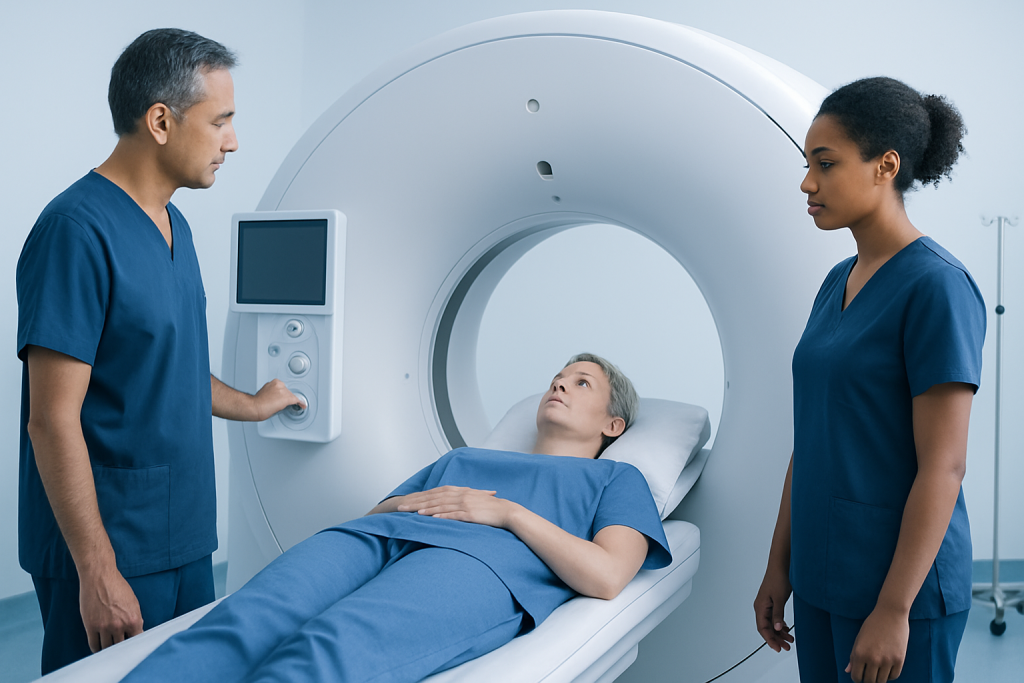
Imaging tests are central to staging. PET/CT is commonly used for many lymphomas because it shows both structure and metabolic activity, helping doctors identify involved lymph nodes and tissues throughout the body. CT scans may also be used to assess the chest, abdomen, and pelvis. In certain situations, MRI or ultrasound may provide additional information depending on symptoms or the area being assessed.
Blood tests help evaluate general health and show how the body is functioning. These may include a complete blood count, kidney and liver tests, and markers such as lactate dehydrogenase. Blood tests do not determine the stage by themselves, but they add important context about disease activity and whether organs may be affected.
Some people also need a bone marrow biopsy if doctors suspect marrow involvement, especially in selected non-Hodgkin lymphomas. Depending on the lymphoma type and symptoms, additional tests may include echocardiography before treatment, viral screening, or spinal fluid testing if there is concern that lymphoma could affect the central nervous system.
How doctors interpret the test results
Once the results are available, doctors combine information from the biopsy, physical examination, symptom history, and scans to assign a stage. They look at how many lymph node regions are involved, whether those regions are above or below the diaphragm, and whether organs outside the lymphatic system are affected. This full review is often discussed in a multidisciplinary team setting.
Doctors also consider the biology of the lymphoma. Some lymphomas are indolent, meaning they grow slowly, while others are more aggressive and need prompt treatment. Two people can have the same stage but different lymphoma subtypes, and their treatment plans may be very different. This is why stage is only one part of the overall picture.
Prognostic scoring systems may also be used, especially for certain subtypes of non-Hodgkin lymphoma and Hodgkin lymphoma. These systems may include age, blood test results, performance status, and the number of involved sites. The goal is to understand not only where the lymphoma is, but also how it may behave and how best to treat it.
Why lymphoma staging matters for treatment
Staging helps doctors decide which treatment approach is most suitable. Early-stage lymphoma may sometimes be treated with fewer treatment cycles, localized radiotherapy, or a carefully tailored combination of therapies. More advanced-stage lymphoma may require systemic treatment that reaches lymphoma cells throughout the body, such as chemotherapy or immunotherapy.
The stage also helps establish a baseline before treatment starts. After therapy begins, scans and other assessments can be compared with the original staging results to see how well the lymphoma is responding. In many lymphomas, PET/CT is especially useful for this purpose because it can show whether metabolically active disease remains.
Importantly, stage does not automatically predict a poor outcome. Many people with stage III or IV lymphoma respond well to modern treatments. The treatment plan depends on the lymphoma subtype, pace of disease, symptoms, overall health, and personal preferences. For some slow-growing lymphomas, careful observation may even be appropriate at first, depending on the clinical situation.
When treatment is more complex, care may involve experts in hematology and medical oncology, along with radiology and pathology specialists. This coordinated approach helps ensure that staging and treatment decisions are aligned with the exact type of lymphoma, including conditions such as lymphoma.
Questions patients often have after staging
One common concern is whether a higher stage always means the lymphoma is harder to treat. In lymphoma, the answer is not always. Unlike many solid cancers, lymphoma often remains highly treatable even when it is found in several areas of the body. That is why doctors interpret stage together with the subtype and other clinical factors.
Patients also often ask whether staging can change. The stage assigned at diagnosis generally stays the same as the original stage, even if the disease responds or later returns. If lymphoma comes back, doctors describe it as relapsed or recurrent rather than assigning a completely new original stage. Follow-up tests are then used to reassess the current extent of disease.
Another frequent question is whether every abnormal area on a scan definitely means lymphoma. Not always. Inflammation, infection, or other conditions can sometimes affect scan findings. Doctors interpret imaging in the context of biopsy results, symptoms, and lab tests to avoid relying on a single result alone.
Preparing for staging tests and follow-up care
Preparing for lymphoma staging can feel overwhelming, but knowing what to expect often helps. Before imaging tests, patients may receive instructions about eating, drinking, medications, or contrast material. It is useful to bring a list of current medicines, prior test results, and any symptoms such as fevers, night sweats, weight loss, or new pain.
After staging is complete, follow-up appointments are an important part of care. Doctors explain the stage, the lymphoma subtype, the treatment options, and the expected goals of therapy. Patients may find it helpful to ask for the stage in plain language and request a written summary of the plan, especially if several specialists are involved.
Supportive care also matters. Adequate nutrition, rest, vaccination guidance where appropriate, infection precautions, and emotional support can all play a role during evaluation and treatment. If care is being coordinated internationally, Acibadem International’s multidisciplinary specialists in JCI-accredited hospitals diagnose and treat lymphoma for international patients, with care plans based on staging, pathology, and the individual’s overall health.
When to see a doctor
A person should see a doctor if they notice swollen lymph nodes that do not go away, especially if the swelling lasts for several weeks or is getting larger. Medical advice is also important for unexplained fever, drenching night sweats, persistent fatigue, shortness of breath, unexplained itching, or unintentional weight loss. These symptoms do not always mean lymphoma, but they deserve proper evaluation.
Anyone already diagnosed with lymphoma should contact their care team if new symptoms appear, existing symptoms worsen, or there are concerns during treatment or follow-up. Prompt communication helps doctors decide whether repeat testing, symptom management, or urgent review is needed. Seeking medical advice early can support timely diagnosis and well-informed treatment planning.
Because lymphoma staging depends on expert interpretation of several tests, patients benefit from care by clinicians experienced in blood cancers. If the diagnosis or stage is unclear, asking about review by a hematologist, oncologist, or multidisciplinary tumor board can be helpful and reassuring.
Frequently asked questions
What is lymphoma staging?
Lymphoma staging is the process of determining where lymphoma is located in the body and how far it has spread. Doctors use this information to choose treatment, discuss prognosis, and create a baseline for follow-up.
What tests are usually done to stage lymphoma?
Common staging tests include a biopsy, imaging such as PET/CT or CT, and blood tests. Some people also need a bone marrow biopsy or other tests depending on the lymphoma type and symptoms.
What is the difference between stage I and stage IV lymphoma?
Stage I usually means lymphoma is limited to one lymph node region or one nearby site. Stage IV usually means there is more widespread involvement of organs outside the lymphatic system, but it can still be treatable depending on the subtype.
Does a higher lymphoma stage always mean a worse prognosis?
Not necessarily. In lymphoma, stage is important, but prognosis also depends on the specific subtype, symptoms, blood test results, age, and overall health. Many people with advanced-stage lymphoma respond well to treatment.
Can lymphoma staging change over time?
The original stage at diagnosis usually remains the same in the medical record. If lymphoma returns or progresses, doctors describe the current disease status and extent rather than replacing the original stage.
Is PET/CT always needed for lymphoma staging?
PET/CT is very useful for many lymphomas, but not every person needs the same tests. The exact imaging plan depends on the lymphoma subtype, symptoms, and the doctor's clinical judgment.
References
- World Health Organization
- American Cancer Society
- National Cancer Institute
- Leukemia & Lymphoma Society
- National Comprehensive Cancer Network
This article is for general information only and is not a substitute for professional medical advice. Please consult a qualified doctor about your individual situation.
Lymphoma in Turkey — costs, top hospitals & a free quote
JCI-accredited · board-certified surgeons · reply within 24h
Add us as a Preferred Source to see more of our trusted health content across Google Search, AI Overviews and Discover.

Medical Oncology Department
Medical treatment of cancer with chemotherapy, immunotherapy and targeted therapies under a multidisciplinary tumor board.
60 specialists in this unit