Mammogram Cost: What Affects the Price and What May Be Included

Mammogram cost is influenced by the type of mammogram, the imaging center, the country or region, and whether extra tests are needed. A screening mammogram is usually simpler and may cost less than a diagnostic mammogram.
Key Takeaways
- Mammogram cost is influenced by the type of mammogram, the imaging center, the country or region, and whether extra tests are needed.
- A screening mammogram is usually simpler and may cost less than a diagnostic mammogram.
- The quoted price may or may not include the radiologist’s interpretation, consultation, prior image comparison, or additional imaging.
- Insurance coverage and local health systems can change out-of-pocket costs significantly.
- Patients can often reduce surprises by asking for an itemized estimate before the appointment.
Mammogram cost can vary widely because pricing depends on why the test is needed, where it is done, and what is included in the quote. Understanding the common cost factors can help patients compare options and avoid unexpected charges.
Overview: Why Mammogram Cost Varies
A mammogram is an X-ray examination of the breast used to look for early signs of breast changes, including possible cancer. When patients ask about mammogram cost, there is rarely one universal answer. The total price can differ because mammograms are performed in different settings, for different reasons, and with different technologies.
In general, the cost may depend on whether the test is being done as a routine screening or to investigate a symptom such as a lump, breast pain, nipple discharge, or an abnormal earlier image. A screening mammogram is typically planned preventive care, while a diagnostic mammogram is more tailored and may involve extra views or immediate review by a radiologist.
Another important point is that the advertised price does not always reflect the full cost of care. Some quotes include only the imaging itself, while others include image interpretation, administrative fees, or follow-up recommendations. This is why comparing prices requires more than looking at a single number.
What Can Affect Mammogram Price?
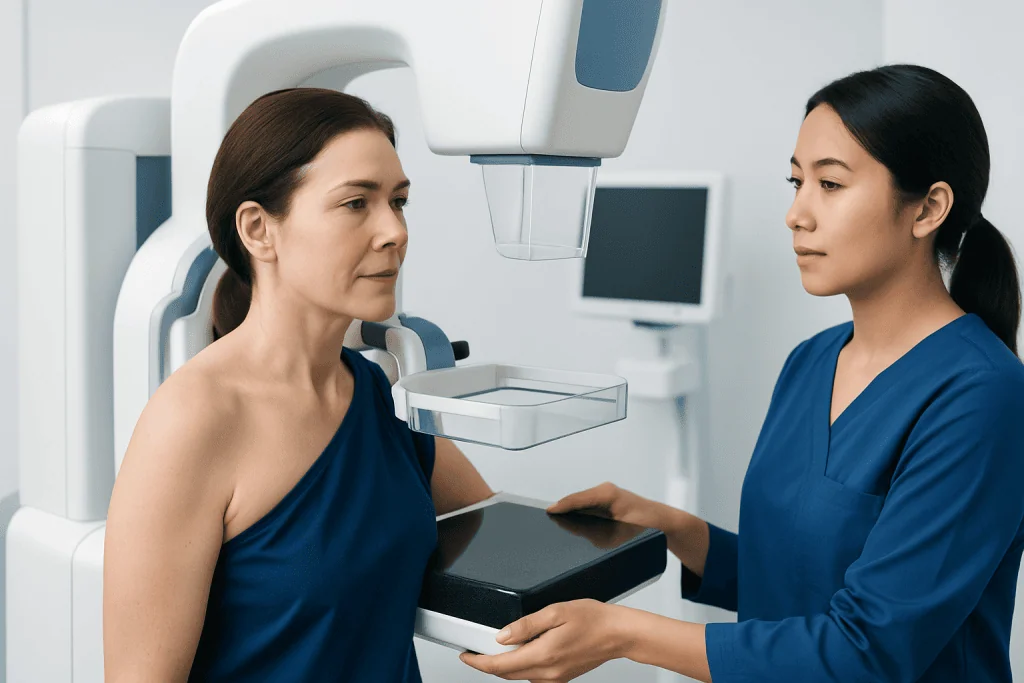
Several practical factors can influence mammogram price. One of the biggest is the type of imaging used. A standard 2D mammogram may be priced differently from digital breast tomosynthesis, often called 3D mammography. Some centers also use additional tools such as ultrasound or breast MRI when clinically appropriate, which can raise the overall cost.
The facility itself also matters. Hospital-based imaging departments may have different pricing structures than independent outpatient radiology centers or dedicated breast clinics. Costs may also vary according to city, country, private versus public healthcare systems, and whether the patient is paying directly or using insurance.
Other common cost factors include:
- whether the exam is screening or diagnostic
- the need for extra images during the same visit
- the radiologist’s reporting fee
- comparison with prior mammograms from another center
- the urgency and complexity of the case
- sedation or special support needs, though these are uncommon for mammography
Patients who are traveling for care may also need to consider non-medical costs such as transportation, accommodation, translation support, or mailing previous imaging records in advance.
Screening vs Diagnostic Mammogram: Why the Cost May Differ
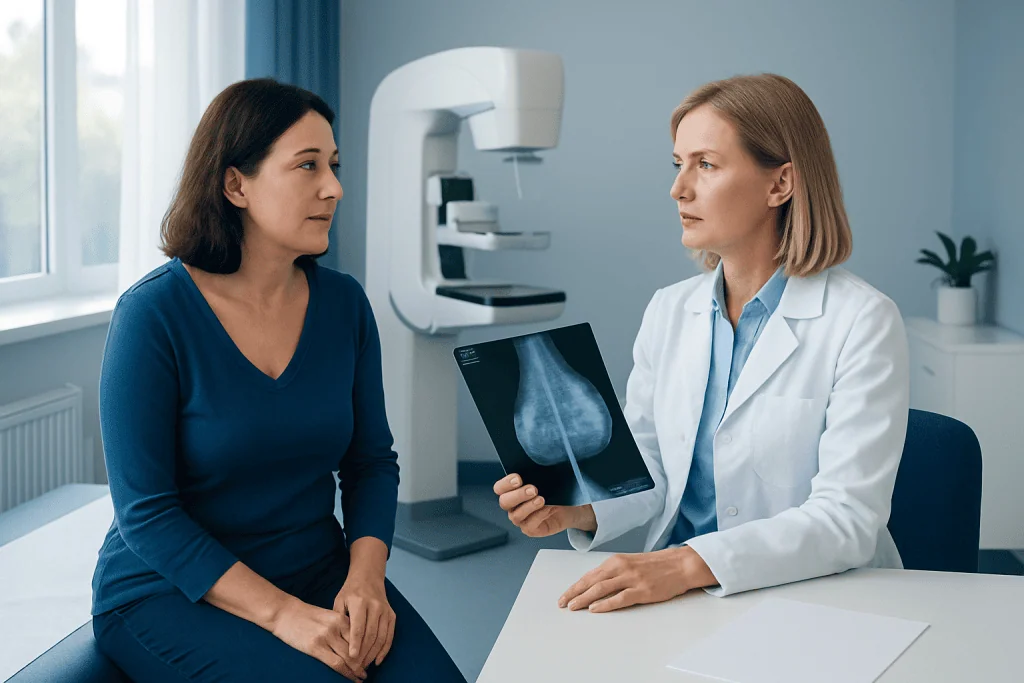
A screening mammogram is usually recommended for people without breast symptoms, based on age, risk profile, and national screening guidance. It is designed to check for early changes before symptoms appear. Because it follows a standardized protocol, it may be less expensive than a diagnostic exam.
A diagnostic mammogram is used when there is a breast symptom, an abnormal screening result, or a need for a closer look at a specific area. It often requires more targeted images and may involve direct radiologist review during the appointment. For this reason, diagnostic mammogram cost can be higher than screening mammogram price.
In some cases, the visit does not end with mammography alone. If the radiologist sees an area that needs more evaluation, a doctor may recommend a breast ultrasound or, in selected cases, a breast MRI. These tests are important for diagnosis, but they can increase the total amount a patient pays if they are not already included in the initial estimate.
What May Be Included in the Quoted Cost
When a patient receives a quote for a mammogram, it is helpful to ask exactly what the price covers. Some centers provide a bundled fee, while others bill separate components. A bundled quote may be easier to understand, but itemized pricing can make comparisons more transparent.
Items that may be included in mammogram cost are the imaging procedure itself, use of the mammography equipment, the technologist’s work, and the radiologist’s interpretation. Some facilities also include a written report, review of earlier images if available, and communication of results to the referring doctor.
However, some costs may be billed separately. These can include registration or facility fees, doctor consultation, additional spot compression or magnification views, follow-up ultrasound, biopsy planning, or repeat imaging if previous studies are not available. If the exam leads to further evaluation such as a breast biopsy, that would usually be a separate service.
Asking for an itemized estimate before the appointment can help patients understand whether the quoted price is likely to remain the same or change depending on the findings.
Insurance, Public Coverage, and Out-of-Pocket Costs
Insurance coverage can strongly affect out-of-pocket mammogram cost. In some healthcare systems, routine screening mammograms may be fully or partly covered for eligible age groups or risk categories. In others, coverage may depend on the patient’s insurance plan, referral pathway, or use of an approved facility.
Diagnostic mammograms are often handled differently from screening tests. A patient may face copayments, deductibles, or separate charges for related imaging. Even when the mammogram itself is covered, extra studies or specialist consultations may not be fully included.
For self-paying patients, advance price confirmation is especially important. It can be helpful to ask whether the estimate includes taxes, interpretation fees, same-day extra images, and result delivery. If medical travel is involved, patients should also clarify whether the price includes coordination services and whether follow-up care would be arranged locally or at the treating center.
How to Compare Mammogram Prices Safely
Choosing based on price alone is not always the best approach. A lower quote may not include all parts of the exam, while a higher quote may reflect more comprehensive service, newer technology, or faster reporting. Quality, accreditation, radiologist expertise, and the ability to perform further evaluation if needed are all important considerations.
Patients may find it useful to ask a few direct questions before booking. For example: Is this a screening or diagnostic price? Does it include the radiologist’s report? Are 2D and 3D mammography priced differently? What happens if extra images are needed? How and when will results be given?
If a person has dense breasts, symptoms, a strong family history, or prior breast treatment, it may also be reasonable to discuss whether a mammogram alone is sufficient. Some patients eventually need assessment for related conditions such as breast cancer, but a mammogram is only one step in the diagnostic process and does not by itself confirm a diagnosis.
When to Seek Medical Advice and Final Considerations
Cost matters, but breast symptoms should not be ignored because of uncertainty about pricing. Anyone who notices a new breast lump, skin changes, nipple discharge, persistent focal pain, or a significant change in breast shape should speak with a qualified doctor. The most appropriate test may differ depending on age, symptoms, personal history, and clinical examination.
For routine screening, following a doctor’s advice or local screening guidance is a sensible way to balance prevention, safety, and cost planning. Bringing previous breast images and reports to the appointment can sometimes reduce repeat testing and improve comparison.
Near the time of booking, patients may wish to confirm preparation instructions, expected turnaround time for results, and likely next steps if an abnormality is found. If more evaluation is needed, options can include targeted imaging or broader assessment within breast health and diagnosis services.
For international patients, Acibadem International’s multidisciplinary specialists and JCI-accredited hospitals diagnose and treat breast conditions with coordinated imaging and follow-up care. A clear written estimate and discussion with the care team can help patients understand what is included and plan with greater confidence.
Frequently asked questions
What is the main factor that affects mammogram cost?
The main factor is often the type of mammogram and the reason for it. A routine screening mammogram is usually less complex than a diagnostic mammogram, which may require extra images and immediate radiologist review.
Is a 3D mammogram more expensive than a standard mammogram?
It can be. A 3D mammogram, also called tomosynthesis, may cost more because it uses different imaging technology and may not be priced the same way as standard 2D mammography.
Does the quoted mammogram price usually include the radiologist’s report?
Not always. Some facilities include the radiologist’s interpretation in one bundled price, while others bill it separately, so it is wise to ask for an itemized estimate.
Why does a diagnostic mammogram cost more?
A diagnostic mammogram is more personalized and often involves additional views focused on a specific concern. It may also include real-time radiologist oversight and lead to same-day follow-up imaging.
Can extra tests be added after the mammogram?
Yes. If the mammogram shows an area that needs more evaluation, a doctor may recommend tests such as ultrasound, MRI, or biopsy. These are usually billed separately unless the center clearly states they are included.
How can patients avoid unexpected mammogram charges?
Before the appointment, patients can ask whether the quote is for screening or diagnostic imaging and whether it includes reporting fees, extra views, and possible same-day follow-up. Bringing previous mammograms can also help reduce unnecessary repeat imaging.
References
- World Health Organization
- American Cancer Society
- American College of Radiology
- Centers for Disease Control and Prevention
- National Cancer Institute
This article is for general information only and is not a substitute for professional medical advice. Please consult a qualified doctor about your individual situation.
Oncology care in Turkey — second opinion and treatment plan
JCI-accredited · board-certified surgeons · reply within 24h
Add us as a Preferred Source to see more of our trusted health content across Google Search, AI Overviews and Discover.