Massage: An Evidence-Based Guide for Patients
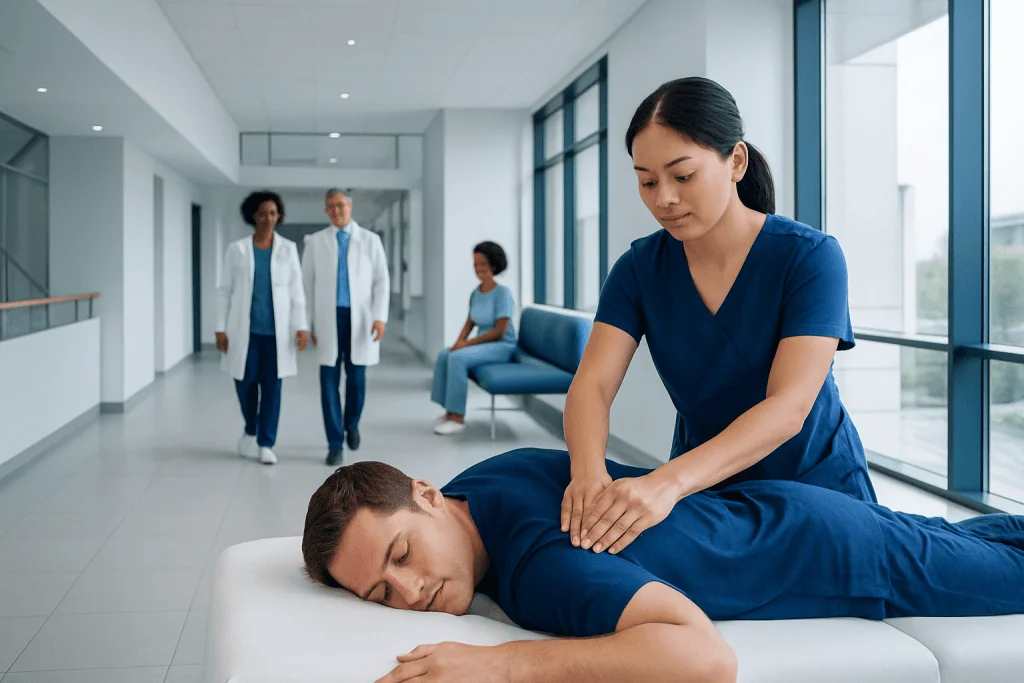
Massage may help reduce muscle tension, stress, and some types of short-term pain. Different massage techniques have different goals, from relaxation to targeted soft-tissue work.
Key Takeaways
- Massage may help reduce muscle tension, stress, and some types of short-term pain.
- Different massage techniques have different goals, from relaxation to targeted soft-tissue work.
- Massage is generally safe when provided appropriately, but some people should avoid it or seek medical advice first.
- It should not replace medical evaluation for severe pain, injury, numbness, weakness, fever, or other warning signs.
- Clear communication about symptoms, pressure, comfort, and medical history helps make massage safer and more effective.
Massage is a hands-on therapy used to relax soft tissues, ease muscle tension, and support general well-being. Evidence suggests it can help some people with stress, short-term pain, and stiffness, but it is not the right choice for every symptom or every medical condition.
Overview: what massage is and what it can help with
Massage is a manual therapy in which a trained practitioner uses their hands, and sometimes forearms or elbows, to work on muscles and other soft tissues. In everyday use, people often seek massage for relaxation, stress relief, muscle tightness, or soreness after activity. In clinical settings, it may also be used as part of supportive care for selected pain conditions or recovery plans.
The evidence for massage is mixed but meaningful. Research suggests it may help reduce perceived stress, improve short-term comfort, and ease some forms of neck pain, back pain, tension-related discomfort, and muscle stiffness. Benefits are usually modest rather than dramatic, and they can vary depending on the person, the technique used, the underlying cause of symptoms, and whether massage is combined with exercise, rehabilitation, or other medical care.
Massage is best understood as one supportive tool rather than a cure-all. It does not treat fractures, infections, blood clots, nerve compression, inflammatory disease flares, or internal medical causes of pain. For that reason, persistent or unexplained symptoms should be assessed by a qualified doctor rather than managed with massage alone.
How massage works in the body
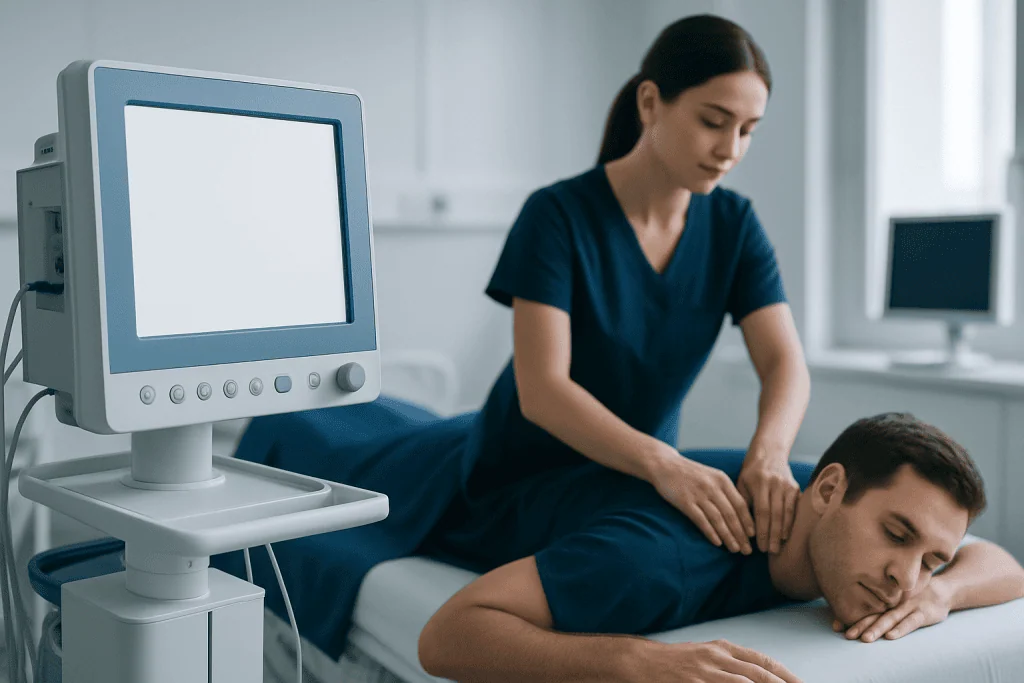
Massage appears to work through several pathways at once. Mechanical pressure and movement may help reduce the feeling of tightness in muscles and fascia, improve local circulation, and encourage easier movement in stiff areas. Just as important, massage can affect the nervous system by lowering stress responses and increasing a sense of relaxation and body awareness.
Many people describe less pain after massage, but this does not always mean a tissue problem has been “fixed.” Pain is influenced by muscle tension, stress, sleep, mood, past injuries, and how the brain interprets signals from the body. Massage may temporarily calm these signals, making movement feel easier and more comfortable.
This is one reason expectations matter. A helpful session may reduce pain, improve sleep, or restore confidence in movement, even if symptoms do not disappear completely. When pain is ongoing, massage often works best alongside a broader plan that may include stretching, strengthening, posture advice, rehabilitation, or treatment for an underlying condition.
Types of massage and how they differ
There is no single type of massage that suits everyone. Swedish massage usually focuses on relaxation with lighter to moderate pressure and flowing strokes. Deep tissue massage uses slower, more focused pressure for areas of persistent tightness, although “deeper” is not always better and should never feel intolerable.
Sports massage is often used around training or recovery and may focus on specific muscle groups involved in activity. Myofascial techniques aim to address soft-tissue restriction and movement discomfort. Some people also explore trigger point work, prenatal massage, or gentler supportive massage during rehabilitation. For musculoskeletal problems, massage may be one part of a wider plan that includes physical therapy and rehabilitation.
The best choice depends on the goal. Relaxation, recovery after exercise, and support for chronic muscle tension may call for different techniques and pressure levels. A reputable practitioner should ask about symptoms, medical conditions, recent injuries, pregnancy, medications, and personal preferences before deciding on an approach.
- Relaxation-focused massage: often used for stress, sleep support, and general well-being
- Targeted therapeutic massage: often used for localized tightness or movement-related discomfort
- Sports massage: commonly used before or after physical activity
- Rehabilitation support: may be combined with exercise and mobility training
What the evidence says: realistic benefits and limits
Evidence-based care means matching massage to the right purpose and keeping expectations realistic. Massage may help some people with nonspecific low back pain, neck and shoulder tension, temporary muscle soreness, stress, and anxiety symptoms. It can also be a useful comfort measure in supportive care, especially when touch and relaxation are part of a person’s overall coping strategy.
At the same time, massage is not equally effective for every complaint. If pain is caused by a structural problem, nerve irritation, inflammatory disease, or an untreated medical condition, massage alone may not be enough. For example, pain radiating down an arm or leg, or pain associated with numbness and weakness, may need assessment for a herniated disc or other causes. Joint pain from wear-and-tear conditions such as osteoarthritis may improve somewhat with surrounding muscle relaxation, but the joint condition itself still needs proper management.
It is also important to separate temporary relief from long-term change. Many patients feel better after a session, but lasting improvement often depends on habits outside the treatment room, such as regular movement, sleep, stress management, ergonomic changes, and guided exercise. A balanced view helps people use massage wisely without delaying needed medical care.
Safety, side effects, and when massage may not be appropriate
Massage is generally safe for many healthy adults, especially when the practitioner adapts the technique to the person’s comfort and medical history. Common mild side effects include temporary soreness, fatigue, lightheadedness, or tenderness in treated areas. These effects usually settle within a day or two.
However, massage is not appropriate in every situation. Strong pressure over an acute injury, an inflamed area, a skin infection, an open wound, a recent surgical site, or a suspected fracture can be harmful. People with bleeding disorders, those who take blood thinners, and those with severe osteoporosis or fragile bones should ask a doctor before having massage. Caution is also needed if there is cancer, uncontrolled heart disease, significant swelling, or possible deep vein thrombosis.
Pregnancy is another situation where technique matters. Massage may still be possible, but it should be adapted and, when needed, discussed with the person’s obstetric clinician. Any session should stop if there is dizziness, sharp pain, numbness, or worsening symptoms. A qualified practitioner should welcome feedback and adjust pressure, positioning, and technique throughout the session.
What to expect before, during, and after a session
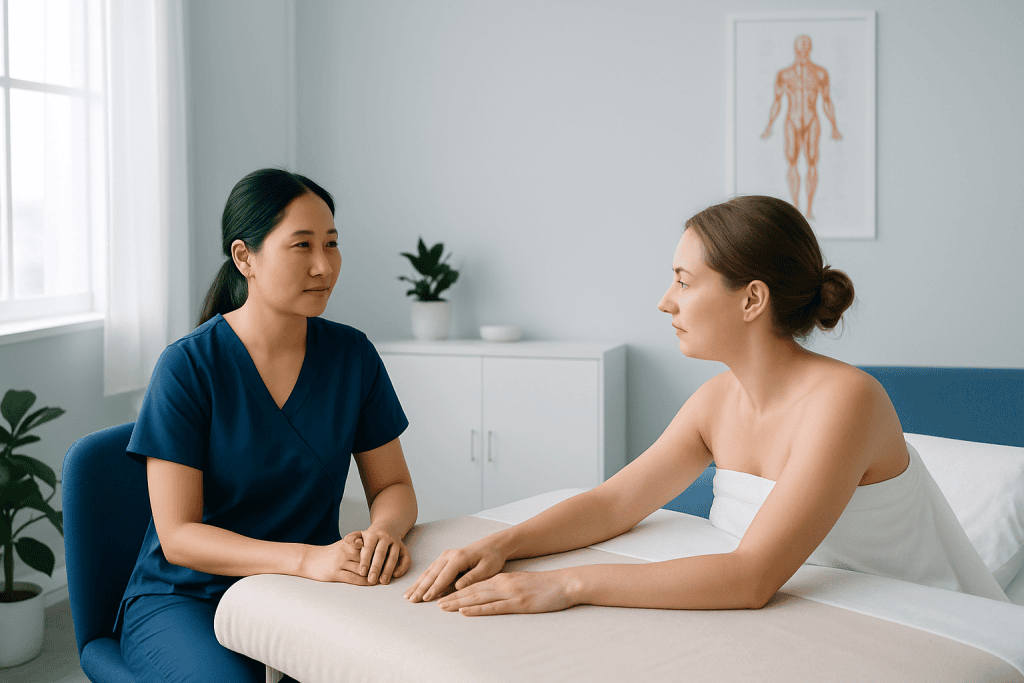
A safe massage usually begins with a brief health review. The practitioner may ask where symptoms are felt, what makes them better or worse, whether there was a recent injury, and whether there are medical conditions such as osteoporosis, nerve problems, circulation issues, or previous surgery. This conversation helps decide whether massage is suitable and what technique is most appropriate.
During the session, the person should expect privacy, clear explanations, and the option to stop or change anything that feels uncomfortable. Pressure should be therapeutic but tolerable. Pain that is sharp, burning, electric, or causes guarding is not usually helpful and should be reported immediately. Good massage does not require “pushing through” severe discomfort.
Afterward, many people feel relaxed or looser in the treated area. Gentle walking, normal hydration, and paying attention to how symptoms respond over the next day can be useful. If relief is short-lived, repeated sessions may not be the best next step; it may be more helpful to look for contributing factors such as posture, workload, sleep, footwear, or an untreated medical issue.
Using massage as part of a broader care plan
Massage often works best when it supports, rather than replaces, evidence-based treatment. For musculoskeletal complaints, this may mean combining hands-on care with exercise, flexibility work, pacing strategies, and attention to daily movement habits. In some cases, symptoms that seem muscular are actually related to spinal, joint, or nerve conditions and need a fuller assessment.
If symptoms are persistent or limiting, doctors may recommend targeted evaluation or treatment. Depending on the cause, supportive care may include orthopedic rehabilitation or further review by specialists. The aim is to address both symptom relief and the reason symptoms keep returning.
For international patients who need multidisciplinary assessment, Acibadem International’s specialists and JCI-accredited hospitals diagnose and treat musculoskeletal and pain-related conditions using coordinated medical and rehabilitation services. Massage, when appropriate, is most useful within a careful, individualized plan rather than as a stand-alone answer for ongoing pain.
When to seek medical care
Medical assessment is important if pain is severe, starts after a fall or accident, or keeps returning despite rest and self-care. A doctor should also evaluate pain that wakes a person from sleep, worsens steadily, or limits walking, lifting, work, or usual daily activities. Massage should not delay diagnosis when symptoms are unexplained.
Urgent medical care is needed if pain is accompanied by fever, shortness of breath, chest pain, significant swelling in one leg, sudden weakness, numbness, loss of bladder or bowel control, or severe headache. These are not situations for routine massage. If there is concern about a pinched nerve, spinal condition, or a more complex pain problem, the person may need examination, imaging, or specialist referral before any hands-on treatment is considered.
For mild muscle tension without warning signs, self-care may include relative rest, gentle movement, heat or cold as appropriate, and posture or activity adjustments. If symptoms do not improve or there is uncertainty about the cause, it is sensible to consult a qualified healthcare professional.
Frequently asked questions
Is massage medically proven to work?
Massage has evidence for some uses, especially short-term relief of stress, muscle tension, and certain pain conditions such as nonspecific back or neck discomfort. Its effects are usually modest and vary from person to person. It is most useful when chosen for the right problem and combined with appropriate medical or rehabilitation care when needed.
How often should someone get a massage?
There is no single schedule that fits everyone. Frequency depends on the goal, such as occasional relaxation, recovery after exercise, or support for ongoing muscle tension. If symptoms return quickly or never improve, a medical review may be more helpful than simply increasing the number of sessions.
Can massage make pain worse?
It can, especially if pressure is too strong, the area is acutely injured, or the pain is caused by a condition that should not be massaged. Mild soreness for a day can happen, but sharp, radiating, or worsening pain is not expected. Symptoms that intensify after massage should be discussed with a healthcare professional.
Who should avoid massage or ask a doctor first?
People with suspected fractures, infections, open wounds, blood clots, severe osteoporosis, bleeding disorders, or those taking blood thinners should seek advice before massage. Extra caution is also needed after surgery, during pregnancy, and in people with cancer or significant heart or circulation problems. A practitioner should always be told about medical conditions and medications.
Is deep tissue massage better than gentle massage?
Not necessarily. The best technique depends on the person’s symptoms, pain sensitivity, and goals. Gentle or moderate pressure may be just as helpful as deep pressure for relaxation and some types of muscle tension, while excessive pressure can increase soreness or guarding.
Can massage replace physical therapy or a doctor’s treatment plan?
Massage should usually be seen as supportive care rather than a replacement for diagnosis or treatment. When pain is related to weakness, limited mobility, injury recovery, nerve symptoms, or joint disease, exercise-based rehabilitation and medical evaluation are often important. A combined approach is often more effective than massage alone.
References
- World Health Organization
- National Center for Complementary and Integrative Health
- National Health Service
- American Academy of Orthopaedic Surgeons
- International Association for the Study of Pain
This article is for general information only and is not a substitute for professional medical advice. Please consult a qualified doctor about your individual situation.
Explore treatments in Turkey — costs, top hospitals & a free quote
JCI-accredited · board-certified surgeons · reply within 24h
Add us as a Preferred Source to see more of our trusted health content across Google Search, AI Overviews and Discover.

More from the Health Library

Room Hot Tub Hotels — Explained by Medical Evidence, Not Myths

Muscle Flutter in Stomach: A Complete Medical Overview
Compound Exercises: An Evidence-Based Guide for Patients

M C a Medical Abbreviation: A Complete Medical Overview

Blackheads on Nose — Explained by Medical Evidence, Not Myths