

Masseter Muscle — Explained by Medical Evidence, Not Myths

The masseter muscle is a strong jaw muscle that helps close the mouth and chew. Pain or enlargement of the masseter muscle is often linked to clenching, teeth grinding, stress, or temporomandibular joint problems.
Key Takeaways
- The masseter muscle is a strong jaw muscle that helps close the mouth and chew.
- Pain or enlargement of the masseter muscle is often linked to clenching, teeth grinding, stress, or temporomandibular joint problems.
- Symptoms can include jaw tenderness, facial fullness, headaches, ear-area discomfort, and limited mouth opening.
- Diagnosis usually relies on medical history and examination, with imaging used when another jaw condition is suspected.
- Treatment depends on the cause and may include self-care, dental protection, physical therapy, medication, or specialist procedures.
The masseter muscle is one of the main muscles used for chewing and jaw closing. When it becomes overworked, tense, enlarged, or painful, symptoms may include jaw ache, facial tightness, headaches, and difficulty chewing, but the cause can often be identified and managed with appropriate care.
Overview: What the Masseter Muscle Is
The masseter muscle is a thick, powerful muscle on each side of the jaw. It runs from the cheekbone area to the lower jaw and plays a central role in closing the mouth, biting, and chewing. Because it is used many times every day, it can become sore, tight, or enlarged when it is under repeated strain.
Many people search for the masseter muscle because they notice jaw pain, facial tension, a square-looking jawline, or headaches. Medical evidence shows that these symptoms are commonly related to overactivity of the muscle rather than a dangerous disease. Common triggers include jaw clenching, teeth grinding during sleep, prolonged gum chewing, stress, and disorders that affect the jaw joint.
The masseter is not the only muscle involved in chewing, but it is one of the strongest. It works with other muscles of mastication and with the temporomandibular joint, or TMJ, to create smooth jaw movement. If the muscle or the joint is irritated, everyday actions such as eating, yawning, or speaking may become uncomfortable.
Understanding the masseter muscle helps separate myths from evidence. A prominent or painful masseter does not automatically mean severe joint disease, and facial asymmetry does not always require a procedure. The best approach is to identify the underlying cause, rule out dental or jaw-joint problems, and choose treatment based on symptoms and function.
How the Masseter Muscle Works
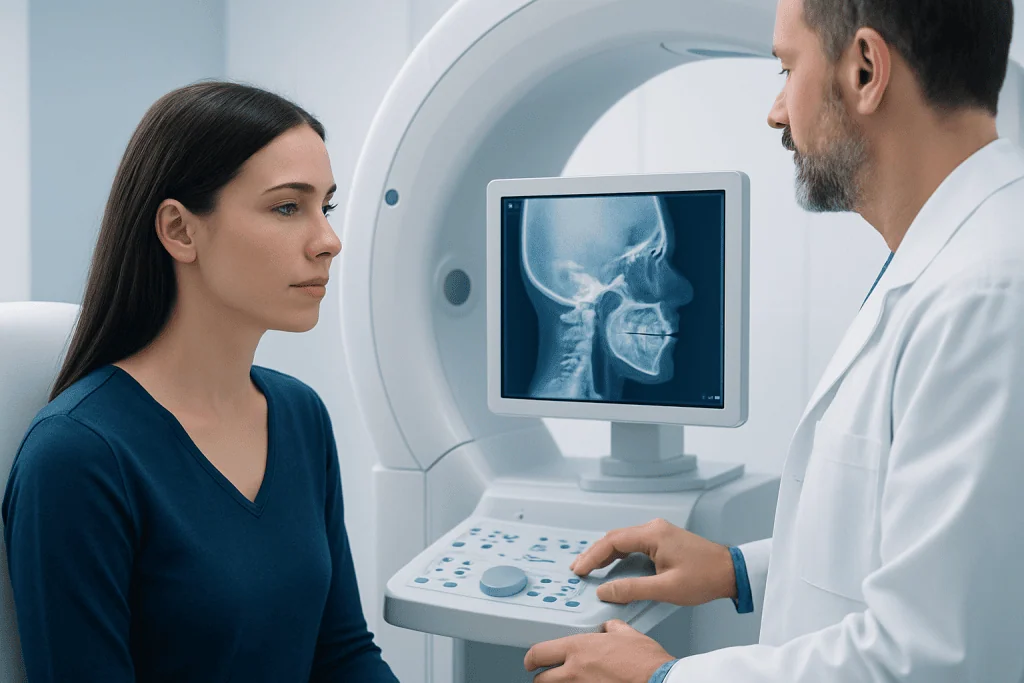
The main action of the masseter muscle is to elevate the lower jaw, which means bringing the jaw upward to close the mouth. This movement is essential for chewing food, biting into firmer textures, and maintaining normal jaw stability. The muscle also helps control jaw force during talking and swallowing.
Each person has a right and left masseter muscle. These muscles usually work in balance, but one side can become more active than the other. That may happen because of an uneven bite, habitual chewing on one side, dental discomfort, or posture-related strain. Over time, one side may feel tighter or appear bulkier.
Like other skeletal muscles, the masseter can adapt to increased workload by becoming larger, a change called hypertrophy. This is not necessarily harmful, but it may cause facial fullness near the angle of the jaw or contribute to tension and fatigue. In some cases, enlargement is mainly a cosmetic concern; in others, it is a sign of chronic clenching or grinding that needs treatment.
The jaw system is also closely connected to the teeth, joints, and nerves of the face. For that reason, symptoms that seem to come from the masseter muscle can overlap with dental pain, TMJ disorders, sinus discomfort, or some headache types. Careful assessment helps identify which structure is driving the symptoms.
Symptoms and Signs of Masseter Problems

Masseter-related symptoms often develop gradually. A person may first notice morning jaw soreness, a tired feeling when chewing, or tenderness over the sides of the jaw. Some people describe the area as tight, swollen, or heavy, especially during stressful periods or after poor sleep.
Common symptoms may include:
- Jaw pain or tenderness near the cheeks or jaw angle
- Facial tightness or a sensation of muscle spasm
- Pain with chewing, yawning, or opening the mouth wide
- Headaches, especially around the temples
- Ear-area discomfort without an ear infection
- Clicking or stiffness if the jaw joint is also involved
- Visible widening or squaring of the lower face from muscle enlargement
Symptoms can vary in intensity. Some people mainly have aching after meals or after waking up, which may suggest nighttime grinding. Others have persistent discomfort during the day because of unconscious clenching while working, concentrating, or exercising. Stress does not cause every case, but it can worsen muscle tension significantly.
Not every jaw symptom comes from the masseter muscle. Tooth decay, gum disease, impacted teeth, salivary gland problems, arthritis, and nerve-related facial pain can cause similar complaints. This is why persistent or one-sided symptoms deserve evaluation rather than self-diagnosis alone.
Common Causes and Risk Factors
The most common reason for masseter muscle pain is overuse. This often happens with bruxism, the medical term for teeth grinding or jaw clenching. Bruxism may occur during sleep or while awake. A person may not realize it is happening until they develop worn teeth, jaw fatigue, or morning headaches.
Temporomandibular joint strain is another frequent contributor. When the joint does not move comfortably or the bite places uneven pressure on the jaw, the masseter may compensate by working harder. This can create a cycle of muscle tension and joint irritation. In some patients, symptoms overlap with broader jaw pain conditions that involve both muscles and joint structures.
Other causes and risk factors include:
- Emotional stress, anxiety, or poor sleep
- Frequent chewing of gum or hard foods
- Poor posture, especially forward head posture
- Dental misalignment or missing teeth
- Recent dental work that changes the bite temporarily
- Trauma to the jaw or face
- Muscle overdevelopment from habitual clenching
Less commonly, infection, inflammatory joint disease, or a growth in the salivary gland or jaw area can mimic a masseter problem. A new lump, fever, significant swelling, or rapidly worsening pain should not be assumed to be simple muscle tension. A clinician can determine whether the issue is muscular, dental, joint-related, or something else.
How Doctors Diagnose Masseter Muscle Conditions
Diagnosis usually begins with a detailed history. The doctor or dentist may ask when the pain started, whether it is worse in the morning, whether there is clicking in the jaw, and whether the person has noticed grinding, stress, or changes in chewing. Questions about headaches, ear symptoms, and dental problems help narrow the cause.
A physical examination often provides important clues. The clinician may gently feel the masseter muscle while the patient clenches and relaxes the jaw, checking for tenderness, tight bands, asymmetry, or enlargement. They may also assess mouth opening, joint sounds, bite alignment, and tooth wear that suggests bruxism.
Imaging is not needed in every case, but it may be helpful when symptoms are persistent, unusual, or clearly related to the jaw joint. Depending on the situation, clinicians may use dental X-rays, ultrasound, or advanced imaging. For patients with complex jaw symptoms, TMJ treatment evaluation may include a more structured assessment of the joint, muscles, and bite.
The goal of diagnosis is not only to name the muscle involved but to find the reason it is irritated. Effective treatment depends on whether the main issue is clenching, joint dysfunction, dental disease, inflammation, or another facial condition. That is why a team approach involving dentistry, oral and maxillofacial care, physical therapy, or ENT evaluation may sometimes be useful.
Treatment Options and Symptom Relief
Treatment for masseter muscle problems depends on the cause, severity, and how long the symptoms have been present. Many mild cases improve with conservative care. Resting the jaw, avoiding very chewy or hard foods for a short period, and using warm compresses may help relax the muscle. If stress-related clenching is part of the problem, relaxation strategies and sleep support can also be useful.
Dental management is often important when grinding or bite issues are contributing. A dentist may recommend a night guard or other protective appliance to reduce pressure on the teeth and jaw. If tooth wear, bite imbalance, or related oral disease is present, addressing those issues can reduce repeated strain. In selected cases, evaluation through dental treatment is an appropriate next step.
Physical therapy and guided jaw exercises may help improve muscle function and reduce pain. Treatment can focus on posture, gentle stretching, trigger-point techniques, and habits that overload the jaw. Short-term medicines may sometimes be used for pain or inflammation, but medication should be chosen by a qualified clinician based on the person’s health history.
When symptoms persist despite self-care, specialist treatment may be considered. Some patients benefit from targeted therapies to reduce excessive muscle activity, particularly if there is significant hypertrophy or chronic clenching. If surgery or another structural issue is suspected, assessment by maxillofacial surgery specialists may be appropriate. Near the end of the care pathway, Acibadem International’s multidisciplinary specialists in JCI-accredited hospitals also evaluate and treat jaw muscle and TMJ-related conditions for international patients.
Prevention and Self-care
Prevention focuses on reducing unnecessary strain on the jaw. Many people clench without noticing, especially during concentration, driving, or emotional stress. A helpful reminder is to keep the lips together, the teeth slightly apart, and the tongue resting gently on the roof of the mouth. This relaxed jaw position can reduce muscle overactivity.
Helpful self-care measures may include:
- Avoiding gum chewing and limiting hard or very tough foods during flare-ups
- Using warm compresses over the jaw muscles
- Practicing posture correction, especially when using screens
- Taking breaks from prolonged speaking or chewing
- Managing stress with breathing exercises, mindfulness, or regular sleep habits
- Following a dentist’s advice about a night guard if grinding is suspected
It is usually best to avoid forceful self-massage, aggressive jaw stretching, or repeated jaw cracking. These habits may temporarily feel relieving but can increase irritation. If a person is unsure whether the pain is muscular, dental, or joint-related, professional guidance is safer than trying repeated home remedies.
Regular dental care can also play a preventive role. Dentists may detect tooth wear, enamel damage, or bite patterns that suggest clenching before symptoms become severe. Early recognition can help prevent chronic pain and long-term changes in the masseter muscle.
When to Seek Medical Care
Medical or dental evaluation is appropriate if jaw pain lasts more than a few days, keeps returning, or interferes with eating, speaking, or sleep. Care is also important if the jaw locks, opening becomes limited, or there is a clear change in bite. Persistent one-sided swelling or increasing facial asymmetry should be assessed rather than assumed to be a simple muscle issue.
Prompt medical attention is especially important if there is fever, redness, trauma, severe dental pain, numbness, unexplained weight loss, or a new lump in the jaw or cheek region. These features may point to infection, injury, salivary gland disease, or another condition that needs targeted treatment.
For many people, masseter muscle problems are manageable and improve with diagnosis and conservative care. The key is to treat the cause rather than only the symptom. A doctor, dentist, or jaw specialist can help create a safe plan if symptoms are persistent, recurrent, or difficult to interpret.
Frequently asked questions
What does the masseter muscle do?
The masseter muscle helps close the jaw and is one of the main muscles used for chewing. It works with other jaw muscles and the temporomandibular joint to create strong, controlled biting movements.
Why does my masseter muscle hurt?
Masseter muscle pain is often caused by clenching, teeth grinding, stress, overuse, or jaw-joint strain. It can also be related to dental problems, so ongoing or one-sided pain should be evaluated by a clinician.
Can the masseter muscle get bigger?
Yes. Repeated clenching or heavy use can cause the muscle to enlarge, a change called hypertrophy. This may make the lower face look wider or more square and can sometimes come with tension or discomfort.
Is masseter pain the same as TMJ disorder?
Not exactly. Masseter pain refers to discomfort in the chewing muscle, while TMJ disorder involves the jaw joint and related structures. The two often overlap, which is why a careful examination is helpful.
How is a masseter muscle problem diagnosed?
Diagnosis usually involves a medical or dental history and a physical examination of the jaw muscles, bite, and mouth opening. Imaging may be used if a joint problem, dental issue, or another facial condition is suspected.
What helps relieve masseter muscle tension?
Resting the jaw, eating softer foods for a short time, using warm compresses, improving posture, and reducing clenching habits may help. If symptoms keep returning, a dentist or doctor may recommend a night guard, therapy, or other targeted treatment.
References
- National Institute of Dental and Craniofacial Research
- American Dental Association
- National Health Service
- Mayo Clinic
- Merck Manual
This article is for general information only and is not a substitute for professional medical advice. Please consult a qualified doctor about your individual situation.
Explore treatments in Turkey — costs, top hospitals & a free quote
JCI-accredited · board-certified surgeons · reply within 24h
Add us as a Preferred Source to see more of our trusted health content across Google Search, AI Overviews and Discover.

More from the Health Library



Related Specialists

Dr. Mehmet Ali Sayan
Anesthesiology
Assoc. Prof. Dr. Muhammet Ahmet Karakaya
Anesthesiology
Prof. Dr. M.Faruk Köse
Gynecology & Obstetrics
Mehmet Çakır
Physical Medicine & Rehabilitation