Mastoiditis: Warning Signs of a Serious Ear Infection Complication

Mastoiditis most often happens after a middle ear infection that has not fully cleared. Common warning signs include ear pain, fever, swelling or redness behind the ear, and ear drainage.
Key Takeaways
- Mastoiditis most often happens after a middle ear infection that has not fully cleared.
- Common warning signs include ear pain, fever, swelling or redness behind the ear, and ear drainage.
- Diagnosis usually involves an ear examination and sometimes imaging tests to look for complications.
- Treatment often includes antibiotics, and some people may also need drainage or surgery.
- Prompt evaluation is important, especially in children or if symptoms are severe or worsening.
Mastoiditis is an infection of the mastoid bone behind the ear, usually developing as a complication of a middle ear infection. It is treatable, but early medical attention is important to prevent the infection from spreading and to protect hearing.
Overview of mastoiditis
Mastoiditis is an infection of the mastoid, the part of the skull located just behind the ear. This bone contains small air spaces and is connected to the middle ear. In most cases, mastoiditis develops when a middle ear infection spreads from the ear into the mastoid air cells.
Although antibiotics have made this condition less common than it once was, mastoiditis is still considered a serious complication of an ear infection. It can affect both children and adults, but it is seen more often in children because middle ear infections are more common in early life.
With timely care, most people recover well. The key is recognizing that mastoiditis is more than a routine ear infection. When pain, swelling, fever, or ear discharge worsen or do not improve, medical assessment is needed to confirm the diagnosis and begin the right treatment.
Symptoms and warning signs
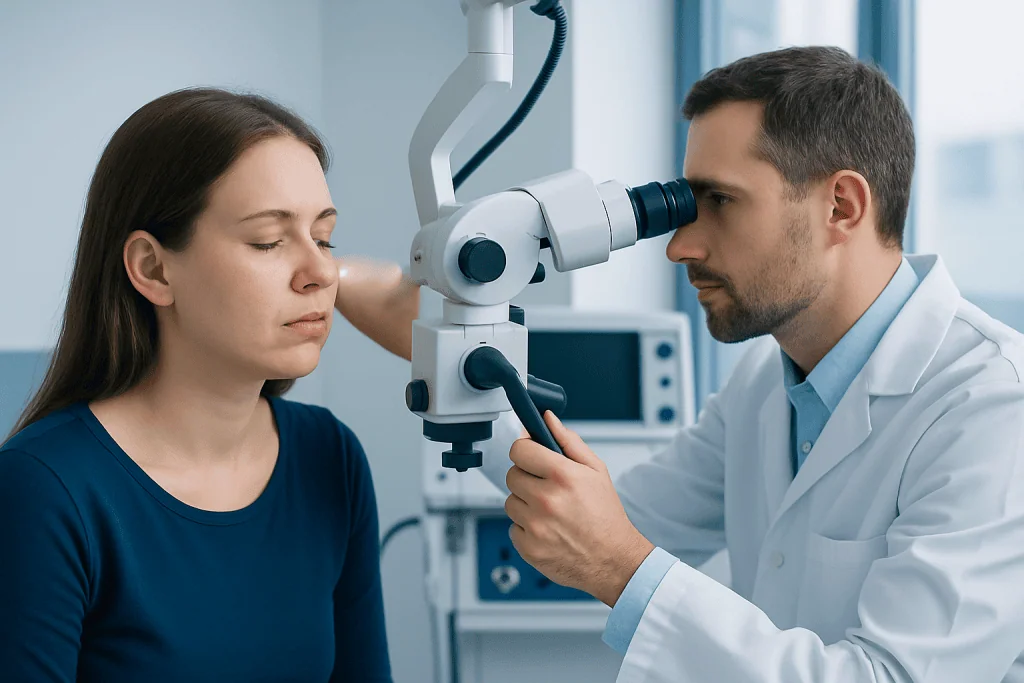
Mastoiditis symptoms often begin after, or alongside, signs of a middle ear infection. A person may have ongoing ear pain, fever, irritability, a feeling of pressure in the ear, or reduced hearing. Sometimes the original ear infection seems to improve and then new symptoms develop.
One of the most important warning signs is swelling, redness, or tenderness behind the ear. The skin over the mastoid area may look inflamed, and the ear itself can appear pushed forward or downward. This outward change can help distinguish mastoiditis from a simple ear infection.
Other symptoms may include drainage from the ear, throbbing pain, headache, fatigue, and trouble sleeping. In young children, the signs can be less specific, such as fussiness, poor feeding, or pulling at the ear.
- Persistent or worsening ear pain
- Fever
- Redness or swelling behind the ear
- Ear discharge
- Hearing changes
- The ear appearing to stick out more than usual
Causes and risk factors

The most common cause of mastoiditis is a bacterial middle ear infection, also called acute otitis media, that spreads beyond the middle ear. The infection can travel into the air cells of the mastoid bone, where inflammation and pus may build up. If pressure increases, the normal bone structure can begin to break down.
Some of the same bacteria that cause routine ear infections can also cause mastoiditis. In certain situations, the infection may develop when an ear infection is severe, not fully treated, or does not respond as expected to antibiotics.
Several factors can raise the risk. These include frequent ear infections, very young age, delayed treatment of ear infection symptoms, a weakened immune system, and structural problems that affect normal ear drainage. Chronic ear disease may also increase the chance of complications, including conditions related to cholesteatoma.
It is important to remember that most ear infections do not lead to mastoiditis. Still, when symptoms are intense, prolonged, or changing in an unusual way, the possibility of a complication should be considered by a doctor.
How mastoiditis is diagnosed
Diagnosis begins with a medical history and physical examination. A doctor will ask about recent ear infections, fever, drainage, pain, hearing changes, and the timing of symptoms. Examining the ear with an otoscope can show signs of infection or pressure behind the eardrum.
The area behind the ear is also carefully checked for redness, warmth, tenderness, and swelling. In some cases, the doctor may gently assess whether the ear is displaced outward. These findings can strongly suggest mastoiditis, especially when paired with symptoms of active ear infection.
Tests may be needed to understand the severity of the infection. Blood tests can help look for signs of inflammation or infection. Imaging, such as a CT scan, may be used if there is concern about complications, unclear findings, or the need for surgery. Hearing evaluation can also be helpful in some cases, particularly if symptoms are prolonged.
Because other conditions can also cause ear pain or swelling, doctors may consider related ear disorders during assessment, including middle ear infection and otitis media. Accurate diagnosis helps guide the safest and most effective treatment plan.
Treatment options
Mastoiditis usually requires prompt treatment with antibiotics. Because this infection can become serious, treatment is often started quickly, sometimes in the hospital depending on the person’s age, overall health, and severity of symptoms. Intravenous antibiotics may be used first, especially if the infection is advanced or the person appears unwell.
If pus has collected behind the eardrum or in the mastoid area, drainage may be necessary. Some patients benefit from a small incision in the eardrum to release fluid and reduce pressure, a procedure known as myringotomy. In selected cases, doctors may place tiny ventilation tubes to help the ear drain and heal, using ear tube insertion.
When infection does not improve with antibiotics, or when imaging shows extensive involvement of the mastoid bone, surgery may be needed to remove infected tissue. This operation is called mastoidectomy. The exact approach depends on the extent of the infection and whether nearby structures are affected.
Pain relief, rest, fluids, and close follow-up are also important parts of care. Even when symptoms start to improve, completing the prescribed treatment and attending follow-up appointments helps reduce the risk of recurrence or lingering ear problems.
Possible complications and recovery
Without treatment, mastoiditis can lead to complications because the mastoid bone is close to important structures such as the inner ear, facial nerve, and brain. The infection may spread into nearby tissues, form an abscess, or contribute to more serious problems affecting hearing and balance.
Complications are less likely when treatment begins early. This is why mastoiditis is treated with urgency even though many people recover well. Doctors monitor patients closely for signs that the infection is not responding as expected or is spreading beyond the ear.
Recovery time varies. Some people improve quickly after antibiotics and drainage, while others need a longer period of treatment and observation. Hearing usually returns as the infection clears, but temporary hearing reduction can happen during recovery because of fluid or inflammation in the ear.
Follow-up is important to confirm that the infection has resolved completely. In rare cases, repeat examinations, hearing tests, or additional procedures may be recommended if symptoms continue or if chronic ear disease is present.
Prevention and self-care
The best way to help prevent mastoiditis is to take ear infection symptoms seriously and seek medical advice when needed. Early treatment of a middle ear infection may reduce the chance that the infection will spread into the mastoid bone. This is especially important for infants and young children.
At home, self-care should focus on comfort and observation rather than trying to manage a suspected serious infection alone. Rest, fluids, and using medicines exactly as prescribed can support recovery. It is also important not to stop antibiotics early unless a doctor advises otherwise.
People should avoid putting cotton swabs, oils, or other objects into the ear, as these can irritate the ear canal or make symptoms harder to assess. If there is ear discharge, keeping the outer ear clean and dry can help, but the ear should not be packed or manipulated without professional guidance.
For patients with repeated ear infections or chronic ear problems, an ear, nose, and throat specialist may recommend further evaluation. Near the end of the care journey, some international patients choose centers such as Acibadem International, where multidisciplinary specialists in JCI-accredited hospitals evaluate and treat complex ear infections and their complications.
When to see a doctor
A doctor should be consulted promptly if ear pain is severe, fever is high or persistent, ear drainage develops, or symptoms of an ear infection do not improve as expected. Swelling, redness, or tenderness behind the ear should always be assessed urgently, particularly if the ear looks pushed outward.
Parents should seek medical help quickly for children who are unusually sleepy, very irritable, not drinking enough, or showing obvious pain around the ear. Young children may not be able to describe symptoms clearly, so changes in behavior can be an important clue.
Emergency care is needed if there are signs such as severe headache, confusion, vomiting, weakness of the face, neck stiffness, or worsening swelling. These symptoms do not always mean a complication is present, but they need immediate evaluation.
Prompt treatment can make a major difference. Anyone who suspects mastoiditis should be evaluated by a qualified healthcare professional rather than waiting to see if it goes away on its own.
Frequently asked questions
Is mastoiditis an emergency?
Mastoiditis needs prompt medical attention because it can become serious if treatment is delayed. It is not something to manage at home without evaluation, especially if there is swelling behind the ear, fever, or worsening pain.
Can mastoiditis happen without an ear infection?
Mastoiditis usually develops as a complication of a middle ear infection. Less commonly, it may occur in the setting of chronic ear disease or persistent infection that has not been fully recognized.
What does swelling behind the ear mean?
Swelling behind the ear can be a warning sign of mastoiditis, especially when it happens with ear pain, fever, or drainage. It does not always mean mastoiditis, but it should be checked by a doctor as soon as possible.
How is mastoiditis treated in children?
Children are often treated with antibiotics and close medical observation. Some may also need drainage of the middle ear or surgery if the infection is severe, not improving, or causing complications.
Can mastoiditis cause hearing loss?
Mastoiditis can affect hearing, usually temporarily, because infection and fluid can interfere with how the ear works. In more severe cases, complications may pose a greater risk, which is why early treatment is important.
How long does recovery from mastoiditis take?
Recovery time depends on how advanced the infection is and what treatment is needed. Some people improve within days of starting treatment, while others need a longer period of antibiotics, follow-up visits, or surgery.
References
- National Health Service
- American Academy of Otolaryngology–Head and Neck Surgery
- Centers for Disease Control and Prevention
- Merck Manual Professional Edition
- Mayo Clinic
This article is for general information only and is not a substitute for professional medical advice. Please consult a qualified doctor about your individual situation.
Explore treatments in Turkey — costs, top hospitals & a free quote
JCI-accredited · board-certified surgeons · reply within 24h
Add us as a Preferred Source to see more of our trusted health content across Google Search, AI Overviews and Discover.

Otorhinolaryngology (ENT)
Care for ear, nose, throat and head-and-neck conditions, including hearing and balance disorders.
126 specialists in this unitMore from the Health Library



Related Specialists

Prof. Dr. İftahar Köksal
Infectious Diseases & Clinical Microbiology
Prof. Dr. Sezgin Sarban
Orthopedic Surgery & Traumatology
Dr. Mustafa Bozkurt
Medical Oncology
Dr. Duygu Gür Ünal
Pediatrics