Mediport Removal: Procedure, Recovery and Results

A mediport may be removed after treatment is complete or when it is no longer medically necessary. Removal is commonly performed with local anesthesia and sometimes sedation, depending on the patient and clinical setting.
Key Takeaways
- A mediport may be removed after treatment is complete or when it is no longer medically necessary.
- Removal is commonly performed with local anesthesia and sometimes sedation, depending on the patient and clinical setting.
- The procedure involves a small incision over the port, removal of the device and catheter, and closure of the incision.
- Mild soreness, bruising and tightness around the incision are common during early recovery.
- Prompt medical review is important for fever, worsening redness, drainage, swelling, bleeding or breathing symptoms after removal.
Mediport removal is usually a brief outpatient procedure in which a clinician removes an implanted venous access port from beneath the skin. Most people go home the same day and recover over days to a few weeks, with follow-up tailored to wound healing and the reason the port was removed.
Overview: What Is Mediport Removal?
Mediport removal is the procedure used to take out an implanted venous access device, often called a port, port-a-cath or mediport. The device sits under the skin, usually in the upper chest, and connects to a thin catheter placed in a large vein. It can provide reliable access for chemotherapy, intravenous medicines, blood draws or other treatments that need repeated vein access.
When treatment has ended, a port may no longer be needed. Removal can also be recommended if the port becomes infected, stops working properly, causes persistent discomfort, or is associated with a clot or skin problem. The decision is individualized and should be made with the clinician managing the person’s treatment plan.
Although the term may sound complex, mediport removal is often a planned minor surgical procedure. It is different from simply removing an intravenous line from an arm: the port and its catheter are implanted beneath the skin and must be removed in a sterile setting by an appropriately trained clinician.
Who May Be a Candidate for Port Removal?
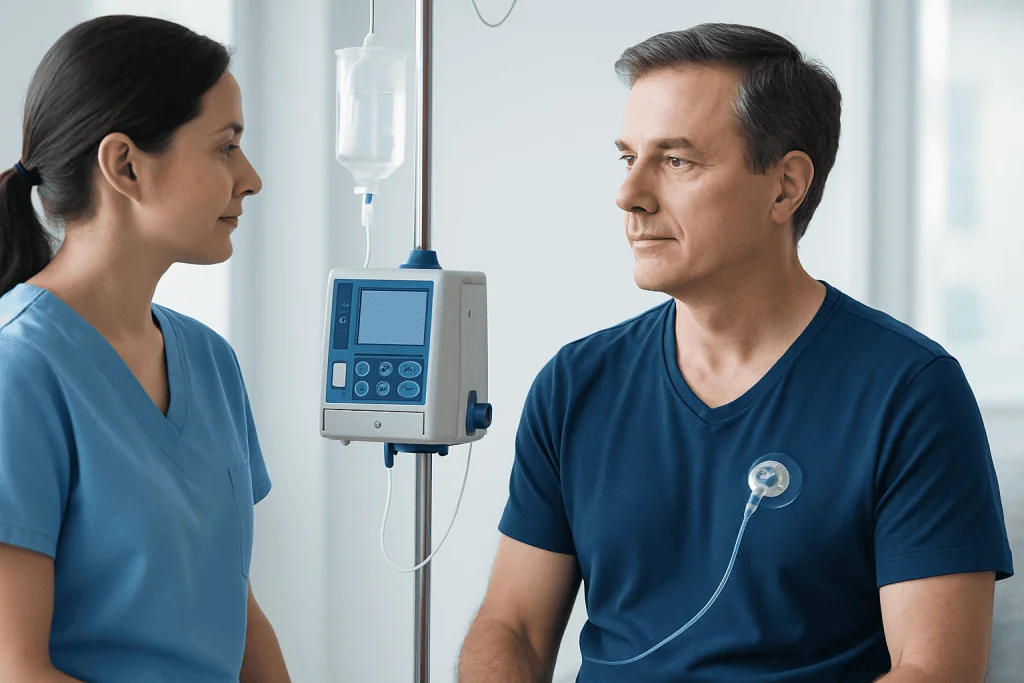
People are commonly considered for mediport removal once their planned intravenous treatment is complete and the care team believes future frequent access is unlikely to be needed. In cancer care, this decision may be discussed after chemotherapy or other infusion treatment is finished, taking into account follow-up plans and the possibility of additional treatment.
Some ports are removed earlier because of a complication. These may include a suspected or confirmed port infection, blockage, catheter damage, movement of the device, skin breakdown over the port, repeated difficulty accessing it, or a blood clot involving the catheter-associated vein. In these circumstances, clinicians assess the urgency and may arrange tests or treatment before or alongside removal.
Before scheduling the procedure, the team reviews medical history, medications, allergies, previous surgery and bleeding risk. People taking anticoagulant or antiplatelet medicines should not stop them independently; the prescribing clinician and procedural team will provide individualized instructions. In oncology care, discussions about chemotherapy treatment can help clarify whether keeping the port temporarily remains useful.
How the Mediport Removal Procedure Works

The mediport removal procedure is generally performed in a procedure room, operating room or interventional setting. It is usually done with local anesthetic to numb the area. Some people also receive sedation to help them relax, particularly if anxiety, the expected complexity of removal or other health needs make this appropriate.
After the skin is cleaned and covered with sterile drapes, the clinician typically reopens or makes a small incision near the original port scar. The port is carefully separated from the surrounding tissue. The catheter is then gently withdrawn from the vein, and the clinician confirms that the device has been removed intact.
The incision is closed with stitches, skin adhesive or adhesive strips, depending on the situation. A dressing is applied, and the removed port may be inspected or sent for testing if infection is suspected. A mediport removal procedure note in the medical record commonly documents the indication, anesthesia, removal technique, whether the device was intact, any complications and postoperative instructions.
Most uncomplicated removals are completed relatively quickly, but timing can vary. Ports that have been in place for a long time may have scar tissue around the device or catheter, and removal may require additional care. Rarely, imaging or a more specialized approach is needed if a catheter cannot be withdrawn easily.
Mediport Removal Steps: What to Expect on the Day
Patients usually receive preparation instructions in advance. Depending on whether sedation is planned, these may include guidance about eating and drinking, transportation home and which medicines to take on the morning of the procedure. Wearing comfortable clothing that allows access to the upper chest can be helpful.
The main mediport removal steps generally include registration and consent, a review of health information and medications, preparation of the skin, anesthesia, removal of the port and catheter, incision closure, and observation before discharge. Blood tests or imaging are not necessary for every person, but may be requested when there are concerns about infection, clotting or device position.
Following the procedure, the care team checks the dressing, pain level and general recovery from anesthesia or sedation. A person who has received sedation should arrange for a responsible adult to accompany them home and avoid driving or important decisions for the period advised by the clinical team.
- Ask when the dressing may be removed or changed.
- Confirm when showering, exercise and lifting can safely resume.
- Request clear instructions about pain relief and prescribed medicines.
- Know whom to contact if a wound concern develops outside normal clinic hours.
Mediport Removal Recovery and Expected Results
Mediport removal recovery usually begins with mild tenderness, bruising, swelling or a pulling sensation around the incision. These symptoms often improve over several days. The incision may remain sensitive while the tissue heals, and a small scar is expected where the port had been placed.
Many people return to quiet daily activities within a day or two, depending on the type of anesthesia used, their overall health and the physical demands of their work. Strenuous activity, swimming, heavy lifting and upper-body exercise may need to wait until the incision is healing well and the clinician gives approval. Keeping the wound clean and dry as instructed supports healing.
Stitches may dissolve on their own or need removal at a follow-up appointment. The care team will explain what is expected for the chosen closure method. If a port was removed because of infection, a person may also need antibiotics, wound monitoring or further treatment based on culture results and their general condition.
The main result of successful removal is that the implanted device and catheter are no longer present. This may bring practical comfort when treatment is complete, but it also means future intravenous therapies may require peripheral vein access or placement of another device if needed later.
Benefits, Risks and Possible Complications
For an individual who no longer needs long-term venous access, removing a mediport avoids maintaining an implanted device unnecessarily. It may eliminate port-related discomfort, simplify ongoing care and remove a potential source of infection or mechanical problems. When a complication is present, removal can be an important part of resolving it.
As with any invasive procedure, risks are possible, though serious complications are uncommon. Potential concerns include pain, bruising, bleeding, wound infection, fluid collection, scarring, delayed healing, allergic reaction to medicines, and temporary numbness or altered sensation near the incision.
Less commonly, scar tissue can make it difficult to remove the catheter, or part of a damaged catheter may require specialized imaging or retrieval. People with certain health conditions or those using medicines that affect clotting may have a higher bleeding risk. The clinician will discuss relevant risks in the context of the person’s medical history and the reason for removal.
For patients receiving cancer care, follow-up may continue with the oncology team after port removal. Ongoing surveillance, supportive care and symptom review remain important even after infusion treatment has finished.
Caring for the Incision and When to Seek Medical Care
Care instructions should always follow the recommendations of the procedural team. In general, patients are advised to protect the dressing, avoid touching the incision with unwashed hands, and monitor the area for changes. Pain medicine may be recommended if needed, but patients should ask their clinician before using any medication that may affect bleeding or interact with their regular treatment.
It is important to seek medical care promptly for fever, chills, increasing pain, spreading redness, warmth, pus-like drainage, persistent bleeding, a rapidly enlarging swelling, opening of the incision, or a rash suggesting an allergic reaction. Urgent assessment is also needed for chest pain, shortness of breath, fainting, new arm or neck swelling, or any symptom that feels severe or sudden.
Patients should contact their care team if they are uncertain whether a symptom is normal. Early review can help distinguish expected healing from an infection, bleeding issue or other complication. Acibadem International’s multidisciplinary specialists and JCI-accredited hospitals support international patients requiring coordinated evaluation and treatment planning for port-related concerns.
Frequently asked questions
Is mediport removal painful?
Local anesthetic is commonly used to numb the area, so sharp pain during the procedure should be minimized. Some pressure or pulling may be felt, and mild soreness around the incision is common afterward. Sedation may be offered in selected situations.
How long does mediport removal take?
An uncomplicated mediport removal procedure is often relatively short, but the total visit includes preparation and recovery time. Duration can be longer if there is substantial scar tissue, suspected infection or difficulty withdrawing the catheter. The procedural team can give the most accurate estimate for the individual case.
How long is mediport removal recovery?
Many people resume light activities within one or two days, while incision healing continues over the following weeks. Bruising and tenderness commonly improve gradually during the first several days. Activity restrictions vary, so patients should follow their own clinician’s instructions.
When should a mediport be removed after chemotherapy?
There is no single timing that is right for everyone. The oncology team considers whether treatment is complete, the likelihood of needing future intravenous therapy, the condition of the port and the patient’s preferences. Some people keep a functioning port for a period of follow-up, while others have it removed sooner.
Can a mediport be removed if it is infected?
Yes, removal may be recommended for certain port infections, particularly when infection involves the bloodstream, port pocket or catheter. The care team may order blood cultures and prescribe antimicrobial treatment. The timing and method of removal depend on the infection, the patient’s condition and the need for ongoing vascular access.
Will there be a scar after mediport removal?
A small scar is expected because removal requires an incision over or near the original port site. Its appearance can change over months as healing continues. Protecting the healing area and following wound-care advice may support the best possible result.
References
- American Cancer Society
- National Cancer Institute
- Centers for Disease Control and Prevention
- Society of Interventional Radiology
- National Health Service
This article is for general information only and is not a substitute for professional medical advice. Please consult a qualified doctor about your individual situation.
Oncology care in Turkey — second opinion and treatment plan
JCI-accredited · board-certified surgeons · reply within 24h
Add us as a Preferred Source to see more of our trusted health content across Google Search, AI Overviews and Discover.