Memory Clinic Costs: What Affects the Price of Dementia Evaluation?

The total price of a dementia evaluation depends on which tests and specialist visits are needed. A memory clinic assessment often includes medical history, physical and neurological examination, and cognitive testing.
Key Takeaways
- The total price of a dementia evaluation depends on which tests and specialist visits are needed.
- A memory clinic assessment often includes medical history, physical and neurological examination, and cognitive testing.
- Blood tests, MRI or CT scans, and more advanced studies can increase overall memory clinic costs.
- Choosing a clinic with a multidisciplinary team may improve coordination, but the scope of services can affect pricing.
- Asking for an itemized estimate before the visit helps families understand what is included and what may be added later.
Memory clinic costs can vary widely because a dementia evaluation may include specialist consultations, cognitive testing, laboratory work, and brain imaging. Understanding what is usually included can help patients and families plan ahead and ask informed questions.
Overview: What memory clinic costs usually cover
Memory clinic costs refer to the price of assessing concerns such as forgetfulness, confusion, changes in thinking, or suspected dementia. In many cases, the evaluation is not a single test but a step-by-step process designed to understand whether symptoms are related to normal aging, mild cognitive impairment, depression, medication effects, or a condition such as Alzheimer’s disease. Because each person’s symptoms and medical history are different, the total cost can vary.
A typical dementia evaluation often begins with a consultation and clinical examination. The doctor may review current symptoms, daily functioning, medications, past medical conditions, family history, and any concerns noticed by relatives or caregivers. This first stage helps the team decide which additional tests are truly necessary.
In some clinics, the quoted fee includes only the initial specialist visit. In others, it may include cognitive screening, blood work, imaging, or a follow-up appointment to discuss results. For this reason, two clinics may appear to offer very different prices even when both provide high-quality care. The important question is not only how much the assessment costs, but also what services are included in that amount.
Why the price of a dementia evaluation varies
The main reason memory clinic costs differ is that dementia evaluation is highly individualized. A person with mild, recent memory complaints may need a simpler workup than someone with rapid decline, movement problems, or unusual behavioral changes. The more complex the presentation, the more likely it is that additional testing will be recommended.
Location also affects pricing. Costs may be higher or lower depending on the country, city, hospital type, and whether the clinic is private or publicly funded. Fees can also differ based on whether the assessment is performed in a general neurology setting, a specialized memory clinic, or a large academic hospital with multiple specialists.
Another factor is the level of expertise involved. An evaluation led by a neurologist, geriatrician, psychiatrist, or neuropsychologist may have different pricing structures. Some centers use a multidisciplinary model, where several professionals contribute to diagnosis and care planning. This can be very helpful for patients and families, but the broader service range may increase the total bill.
Finally, the number of visits matters. Some patients receive answers after one or two appointments, while others need a staged workup over several weeks. Follow-up discussions, repeat testing, or second opinions may all influence the final cost.
Common parts of a memory clinic assessment

A standard memory clinic assessment usually includes a detailed consultation. During this visit, the specialist asks about memory, attention, language, problem-solving, mood, sleep, and daily independence. Family members are often invited to share observations, because changes in cognition may be more noticeable to those living with the patient.
Cognitive screening tests are also common. These brief assessments check memory, orientation, language, and other thinking skills. In some cases, more detailed neuropsychological testing is advised. This takes longer and is often more costly, but it can provide a clearer picture of strengths and weaknesses across different areas of brain function.
Laboratory tests may be ordered to look for treatable causes of cognitive symptoms. Doctors may check for vitamin deficiencies, thyroid disorders, infections, or metabolic problems. These tests can add to memory clinic costs, but they are an important part of ruling out conditions that may mimic dementia.
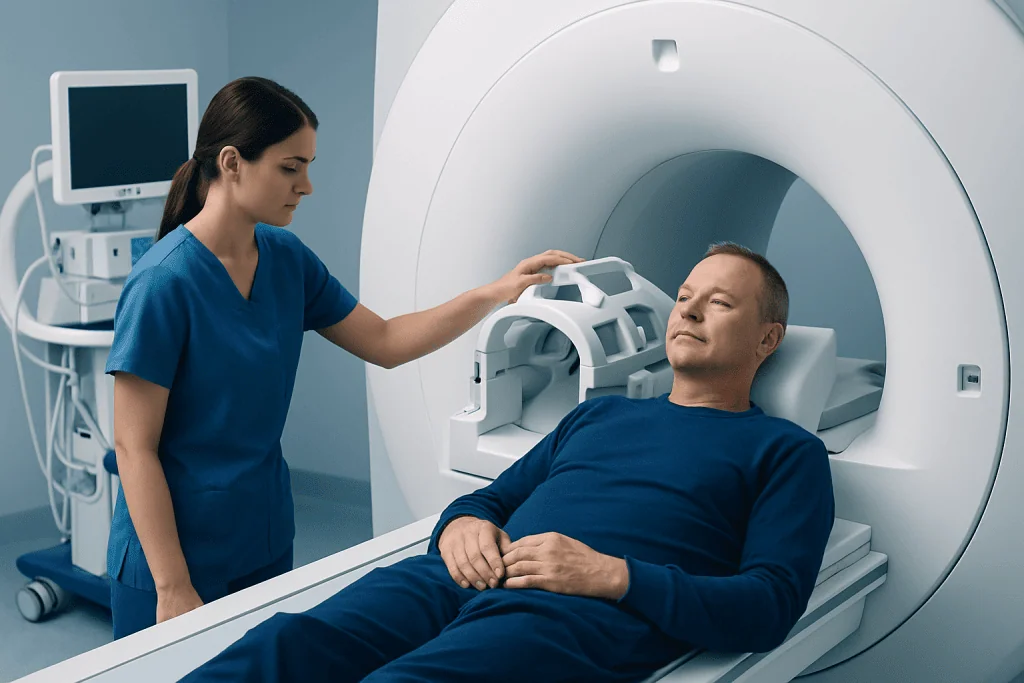
Imaging studies are another common cost component. A doctor may recommend brain MRI or, in some settings, a CT scan to look for stroke, bleeding, tumors, hydrocephalus, or patterns of brain atrophy. In more selective situations, advanced imaging or specialized biomarker tests may be discussed, particularly when the diagnosis remains uncertain after routine evaluation.
Which tests and services can increase memory clinic costs
Some parts of the evaluation are relatively routine, while others are used only when there is a specific clinical reason. More advanced testing often raises the total cost. For example, extended neuropsychological assessment is more comprehensive than a quick office screening and may involve several hours of testing and interpretation.
Brain imaging can also make a significant difference in price. MRI is often preferred for evaluating structural brain changes, but costs vary depending on the center and whether contrast, specialist reporting, or repeat imaging is needed. If symptoms suggest another neurological issue, the specialist may sometimes request electroencephalography (EEG) or other studies to rule out seizures or related conditions.
Additional consultations may be recommended based on the patient’s symptoms. A psychiatrist may help evaluate depression, anxiety, hallucinations, or behavioral changes. A cardiologist or internal medicine specialist may be involved if vascular risk factors are relevant. Physical, speech, or occupational assessments can also be useful when functional decline is part of the concern.
In some cases, the workup includes testing for less common causes of cognitive decline, such as autoimmune, inflammatory, infectious, or inherited conditions. These investigations are not needed for everyone, but when they are appropriate, they can increase both the complexity and cost of the assessment.
Questions to ask before booking a memory clinic visit
Before scheduling an appointment, it helps to ask whether the quoted price covers only the first consultation or a full diagnostic package. Families may wish to request an itemized estimate that lists the specialist fee, cognitive testing, blood tests, imaging, and follow-up visits separately. This makes it easier to compare clinics fairly.
It is also useful to ask which tests are commonly recommended and which are ordered only if needed. Some clinics provide a basic evaluation first and then suggest further studies depending on the findings. Others offer a same-day or one-stop model that includes multiple assessments. Neither approach is automatically better; the right choice depends on the patient’s needs, timing, and budget.
Patients should also ask how results are communicated. A clear review of findings, diagnosis, and next steps is an important part of the service. Knowing whether a written report, care plan, medication review, or family counseling is included can help families understand the true value of the assessment, not just the headline price.
If the patient is traveling internationally, additional planning questions matter. Families may want to confirm interpreter support, expected length of stay, whether imaging can be completed promptly, and whether prior records can be reviewed before arrival. Near the end of the diagnostic pathway, centers such as Acibadem International can support international patients through multidisciplinary specialists in JCI-accredited hospitals for dementia evaluation and ongoing care planning.
How insurance, location, and clinic type affect the total price
Insurance coverage can strongly influence out-of-pocket memory clinic costs. In some health systems, an initial consultation may be covered but imaging, neuropsychological testing, or laboratory work may involve separate co-payments or authorization requirements. In others, private payment may be the main route for accessing a specialist memory clinic. Patients should confirm what their plan covers before the visit.
Geographic location is another major factor. Prices differ between countries and within the same country depending on the city, hospital network, and availability of specialists. Private hospitals and academic centers may charge differently from community-based clinics. Travel, accommodation, and time away from work can also be part of the real cost for families, especially when evaluations require more than one visit.
The type of clinic matters too. A general neurologist may be able to perform an initial evaluation at a lower cost than a highly specialized memory center, but the specialized center may offer easier access to multidisciplinary testing in one setting. For some patients, this coordination can save time and reduce the burden of arranging appointments across multiple facilities.
Families should remember that the least expensive option is not always the most cost-effective if it does not provide a clear diagnosis or appropriate follow-up. A thoughtful, well-organized evaluation may reduce delays, avoid unnecessary repeat testing, and support better long-term care decisions.
Planning ahead: practical ways to manage the process
Preparing before the appointment can make the evaluation more efficient and may help avoid duplicate testing. Patients should bring a list of medications, previous brain scans if available, blood test results, and notes about when symptoms began. A relative or caregiver can often provide valuable examples of daily changes in memory or behavior.
It can also help to write down goals for the visit. Some families want to know whether symptoms fit normal aging or something more serious. Others are trying to understand if finances, driving, medication management, or home safety are becoming concerns. Clear questions can help the specialist tailor the workup and explain which tests are most useful.
After diagnosis, there may be additional costs related to treatment and long-term support. These can include medications, counseling, rehabilitation, home adjustments, or follow-up visits. If a condition such as dementia is confirmed, early planning can help families organize care gradually rather than in a crisis.
Memory concerns should not be ignored simply because the price of evaluation feels uncertain. Asking for transparent information, comparing what is included, and seeing a qualified specialist can help patients receive the right level of assessment without unnecessary expense.
Frequently asked questions
What is usually included in memory clinic costs?
Memory clinic costs often include the initial consultation, medical history review, neurological examination, and basic cognitive testing. Depending on the clinic, blood tests, brain imaging, neuropsychological testing, and follow-up visits may be charged separately or included in a package.
Why can dementia evaluation cost more for some patients than others?
The total cost depends on how complex the symptoms are and how many tests are needed to reach a clear diagnosis. Patients with unusual symptoms, rapid decline, or possible overlapping medical problems may need more detailed imaging, consultations, or specialized testing.
Is an MRI always part of a dementia evaluation?
Not always, but brain imaging is commonly recommended as part of the assessment. MRI is often used to look for structural causes of symptoms or patterns that support diagnosis, while some patients may have a CT scan instead depending on their situation.
Can blood tests affect memory clinic costs?
Yes. Blood tests may seem like a smaller part of the evaluation, but they add to the total price. They are important because some treatable conditions, such as thyroid problems or vitamin deficiencies, can contribute to memory symptoms.
How can families compare memory clinic prices fairly?
The best approach is to ask for an itemized estimate and clarify exactly what is included. A lower quoted price may cover only the first visit, while a higher price may include testing, imaging, and a full follow-up discussion of results.
Does a higher-priced memory clinic always mean better care?
Not necessarily. Cost alone does not determine quality. Families should look at the experience of the specialists, whether the clinic offers appropriate testing, how clearly results are explained, and whether follow-up care is available.
References
- World Health Organization
- National Institute on Aging
- Alzheimer's Association
- National Institute for Health and Care Excellence
- American Academy of Neurology
This article is for general information only and is not a substitute for professional medical advice. Please consult a qualified doctor about your individual situation.
Dementia in Turkey — costs, top hospitals & a free quote
JCI-accredited · board-certified surgeons · reply within 24h
Add us as a Preferred Source to see more of our trusted health content across Google Search, AI Overviews and Discover.

Neurology
Diagnosis and treatment of disorders of the brain, spinal cord, nerves and muscles.
51 specialists in this unitMore from the Health Library



Related Specialists

Assoc. Prof. Dr. Selen Kanar
Ophthalmology
Prof. Dr. Yusuf Serdar Sakın
Gastroenterology
Prof. Dr. Süleyman Özyalçin
Treatment of Pain Algology
Prof. Dr. Namık Şahin
Orthopedic Surgery & Traumatology