Memory Loss, Brain Fog, or Concussion: When Neuropsych Testing May Be Recommended

Neuropsych testing measures memory, attention, language, problem-solving, and other thinking skills in a structured way. It may be recommended for memory concerns, brain fog, concussion, stroke, neurological conditions, or unexplained changes in functioning.
Key Takeaways
- Neuropsych testing measures memory, attention, language, problem-solving, and other thinking skills in a structured way.
- It may be recommended for memory concerns, brain fog, concussion, stroke, neurological conditions, or unexplained changes in functioning.
- The results do not just identify problems; they can also show strengths and guide treatment, school, work, and rehabilitation plans.
- Testing is noninvasive and usually involves interviews, paper-and-pencil tasks, and computer-based exercises.
- A neuropsychological evaluation works best when interpreted together with medical history, imaging, lab tests, and a doctor’s examination.
Neuropsych testing can help clarify why a person is having problems with memory, concentration, processing speed, or other thinking skills. It is often recommended when symptoms such as memory loss, brain fog, or concussion-related changes affect daily life and need a more detailed evaluation.
Overview: What Neuropsych Testing Is
Neuropsych testing, also called a neuropsychological evaluation, is a detailed assessment of how the brain is functioning in daily life. It looks at thinking skills such as attention, memory, language, planning, problem-solving, visual-spatial abilities, and processing speed. It may also explore mood, behavior, fatigue, and emotional factors that can affect cognition.
Unlike a quick memory screening done during a routine visit, neuropsych testing uses standardized tasks to create a fuller picture of a person’s cognitive strengths and challenges. This can help explain why someone is forgetting appointments, struggling to focus, feeling mentally slowed down, or not performing as expected at work or school.
The goal is not simply to label a problem. The results can help doctors understand whether symptoms may be related to concussion, stress, depression, sleep issues, medication effects, a neurological condition, or another medical cause. In many cases, testing helps guide practical next steps, including rehabilitation, treatment planning, and supportive strategies at home.
When It May Be Recommended
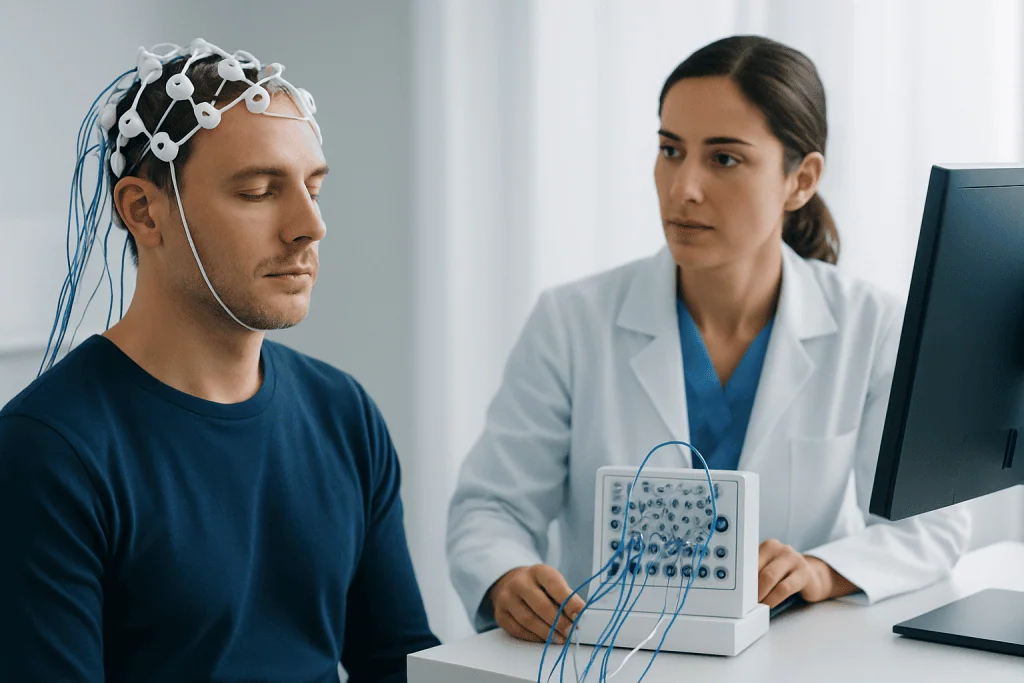
A doctor may recommend neuropsych testing when a person reports memory loss, brain fog, difficulty finding words, poor concentration, mental fatigue, or changes in judgment and organization. It is especially useful when symptoms are persistent, worsening, or interfering with work, school, driving, finances, or independent living.
Testing is commonly used after a head injury, including a concussion, when symptoms do not fully resolve or when there is a need to document cognitive recovery. It may also be helpful after stroke, brain infection, seizures, cancer treatment, or major surgery, as well as in people being evaluated for conditions such as Alzheimer’s disease or other causes of cognitive decline.
Neuropsych testing can also be appropriate when the concern is not a progressive brain disease. Many people experience “brain fog” related to sleep problems, anxiety, depression, chronic pain, hormonal changes, autoimmune illness, or medication side effects. In these situations, testing may help distinguish patterns that suggest attention or processing problems rather than true memory storage problems.
In children, teenagers, and adults, testing may be used to support educational accommodations, return-to-learn planning after concussion, or workplace recommendations. The reason for referral matters, and the testing plan is usually tailored to the person’s age, symptoms, medical background, and day-to-day demands.
Symptoms and Situations That Raise Concern

Many people occasionally forget names or feel mentally tired during stressful periods. That alone does not always mean formal testing is needed. Doctors usually look for symptoms that are persistent, unusual for the person, or serious enough to affect everyday function.
Examples of concerns that may lead to referral include repeated misplacing of important items, trouble following conversations, slowed thinking, poor concentration, reduced multitasking ability, confusion with directions, difficulty managing medications or bills, or a noticeable decline in school or work performance. Family members sometimes notice personality or behavioral changes before the person does.
After concussion, common symptoms include headaches, dizziness, sensitivity to light or noise, slowed reaction time, memory lapses, and difficulty concentrating. Neuropsych testing may be considered when these symptoms last longer than expected, when an athlete or worker needs help with return-to-activity decisions, or when there is concern about repeated head injury.
- Memory loss that disrupts daily routines
- Brain fog that persists for weeks or months
- Problems with focus, planning, or word-finding
- Cognitive changes after head injury, stroke, or illness
- Concerns raised by family, school, or employer
Possible Causes Behind Memory Loss or Brain Fog
Memory loss and brain fog are symptoms, not diagnoses. They can happen for many reasons, ranging from temporary and treatable conditions to more complex neurological disorders. That is why neuropsych testing is usually part of a broader medical evaluation rather than a standalone answer.
Potential causes include sleep deprivation, obstructive sleep apnea, anxiety, depression, chronic stress, thyroid disorders, vitamin deficiencies, infections, medication effects, alcohol or substance use, and chronic pain. In other cases, symptoms may be related to migraine, epilepsy, multiple sclerosis, stroke, traumatic brain injury, or neurodegenerative disease.
Concussion deserves special attention because standard brain scans may be normal even when a person clearly feels cognitively different. Neuropsych testing can reveal patterns in attention, speed, working memory, and executive function that match post-concussion difficulties. It can also help separate cognitive symptoms from overlapping issues such as fatigue, poor sleep, mood changes, or vestibular problems.
Because no single pattern explains every patient, doctors often combine testing results with laboratory work, neurological examination, and imaging such as MRI when needed. This broader approach helps identify what is most likely causing the symptoms and what type of care may help.
What Happens During a Neuropsychological Evaluation
The process usually begins with a clinical interview. The neuropsychologist asks about symptoms, medical history, medications, education, work demands, emotional health, sleep, and daily functioning. In some cases, a family member may also provide useful observations, especially if changes have developed gradually.
The testing itself is noninvasive. It may include spoken questions, memory tasks, drawing, problem-solving exercises, timed activities, reading or naming tasks, and sometimes computer-based measures. The length varies depending on the referral question, but a full evaluation may take several hours, sometimes with breaks to reduce fatigue.
People do not need to “study” for neuropsych testing. The most helpful preparation is to sleep as well as possible, bring glasses or hearing aids if needed, take medications as instructed by the treating doctor, and report any factors that could affect performance, such as pain, poor sleep, anxiety, or language barriers. Honest effort is important because the results are only useful when they reflect typical functioning.
After testing, the neuropsychologist interprets the results in relation to age, education, language, and medical background. The final report usually explains areas of strength and weakness, possible causes, and recommendations for treatment, rehabilitation, school or work accommodations, and follow-up care. Depending on the situation, additional tests such as EEG or CT imaging may also be part of the broader medical workup.
How Results Are Used in Diagnosis and Treatment Planning
Neuropsych testing does not diagnose every condition by itself, but it provides valuable evidence. A pattern of impaired short-term recall, slowed processing, poor mental flexibility, or language difficulty can support a doctor’s assessment and help narrow the possible causes. Just as importantly, normal or near-normal results can be reassuring and may point attention toward treatable contributors such as anxiety, sleep loss, or medication effects.
The findings can shape treatment in practical ways. For example, after concussion, results may help guide a gradual return to school, work, sports, or driving. In memory disorders, they may help distinguish normal aging from mild cognitive impairment or dementia. In people with depression or chronic illness, testing can clarify whether perceived “brain fog” reflects attention, motivation, fatigue, or another cognitive pattern.
Recommendations may include cognitive rehabilitation, speech and language therapy, psychotherapy, medication review, sleep evaluation, occupational therapy, or neurologic follow-up. Some patients may benefit from structured strategies such as planners, reminders, reduced multitasking, shorter work blocks, and energy-conservation techniques.
Near the end of the care pathway, coordinated follow-up matters. Acibadem International’s multidisciplinary specialists and JCI-accredited hospitals evaluate and treat neurological and cognitive concerns for international patients, integrating neuropsychology with imaging, neurology, and rehabilitation when appropriate.
Self-Care, Prevention, and When to See a Doctor
Not every episode of forgetfulness requires formal testing, but persistent cognitive symptoms should not be ignored. A person should consider medical evaluation if memory loss, brain fog, or slowed thinking lasts for several weeks, becomes more frequent, or starts affecting safety, independence, or performance at work or school.
Self-care can support brain function, especially when symptoms are related to stress or recovery from illness. Helpful steps include regular sleep, hydration, balanced meals, physical activity within a doctor’s guidance, reduced alcohol intake, good management of chronic conditions, and scheduled breaks from screens or mentally demanding tasks. Writing things down, using phone reminders, and focusing on one task at a time can also make day-to-day life easier.
Urgent medical attention is needed if cognitive changes are sudden or accompanied by weakness, facial drooping, severe headache, fainting, seizure, confusion, trouble speaking, or new vision changes. These symptoms may signal a medical emergency rather than a problem that can wait for outpatient testing.
In general, neuropsych testing is most useful when symptoms are ongoing, unexplained, or functionally important. Early evaluation can provide clarity, reduce uncertainty, and help a person access the right support sooner.
Frequently asked questions
What is the difference between neuropsych testing and a regular memory screening?
A regular memory screening is usually brief and designed to spot possible problems quickly. Neuropsych testing is much more detailed and evaluates multiple cognitive skills, such as attention, language, processing speed, and executive function, in addition to memory.
Does neuropsych testing diagnose dementia?
It can help support or clarify a diagnosis, but it does not usually diagnose dementia by itself. Doctors interpret the results together with the medical history, physical and neurological examination, lab tests, and sometimes brain imaging.
Can neuropsych testing help after a concussion?
Yes. It can identify cognitive effects of concussion, track recovery over time, and help guide return-to-school, return-to-work, or return-to-sport decisions when symptoms persist.
How should someone prepare for neuropsych testing?
The best preparation is to get as much rest as possible, eat normally unless told otherwise, and bring any needed glasses or hearing aids. It is also helpful to share a complete medication list and mention issues such as pain, fatigue, anxiety, or language concerns that could affect performance.
Is brain fog the same as memory loss?
Not always. Brain fog is a general term people use for mental cloudiness, poor concentration, slowed thinking, or fatigue, while memory loss more specifically refers to problems recalling or retaining information. Neuropsych testing can help tell these patterns apart.
How long does a neuropsychological evaluation take?
It depends on the reason for referral and the number of tests needed. Some evaluations are relatively short, while a comprehensive assessment may take several hours, often with breaks.
References
- World Health Organization
- Centers for Disease Control and Prevention
- National Institute on Aging
- American Academy of Neurology
- American Psychological Association
This article is for general information only and is not a substitute for professional medical advice. Please consult a qualified doctor about your individual situation.
Explore treatments in Turkey — costs, top hospitals & a free quote
JCI-accredited · board-certified surgeons · reply within 24h
Add us as a Preferred Source to see more of our trusted health content across Google Search, AI Overviews and Discover.