Meningitis Rash: Common Causes, Related Conditions, and When to See a Doctor

A meningitis rash is most concerning when it appears with fever and symptoms such as headache, stiff neck, vomiting, confusion, or drowsiness. Not all meningitis causes a rash, and not every rash with fever means meningitis.
Key Takeaways
- A meningitis rash is most concerning when it appears with fever and symptoms such as headache, stiff neck, vomiting, confusion, or drowsiness.
- Not all meningitis causes a rash, and not every rash with fever means meningitis.
- A petechial or purpuric rash that does not fade when pressed can be a warning sign of meningococcal disease.
- Doctors diagnose the cause using the history, physical exam, blood tests, and sometimes imaging or lumbar puncture.
- Prompt treatment matters because bacterial meningitis can become serious quickly.
- Anyone with sudden severe illness, reduced alertness, breathing trouble, seizures, or a rapidly spreading rash should get urgent care.
Meningitis rash is not present in every case of meningitis, but when a new rash appears together with fever, severe headache, neck stiffness, vomiting, confusion, or unusual sleepiness, urgent medical assessment is important. The rash most classically linked to meningococcal infection may look like tiny red or purple spots and can spread quickly, though many other illnesses and harmless skin conditions can also cause a rash.
Overview: What a Meningitis Rash Means
Meningitis rash refers to a skin eruption that may appear in some people with meningitis, especially meningococcal disease. It is not a diagnosis by itself. Rather, it is a clue that may point to an underlying infection affecting the membranes around the brain and spinal cord, or to bacteria spreading through the bloodstream.
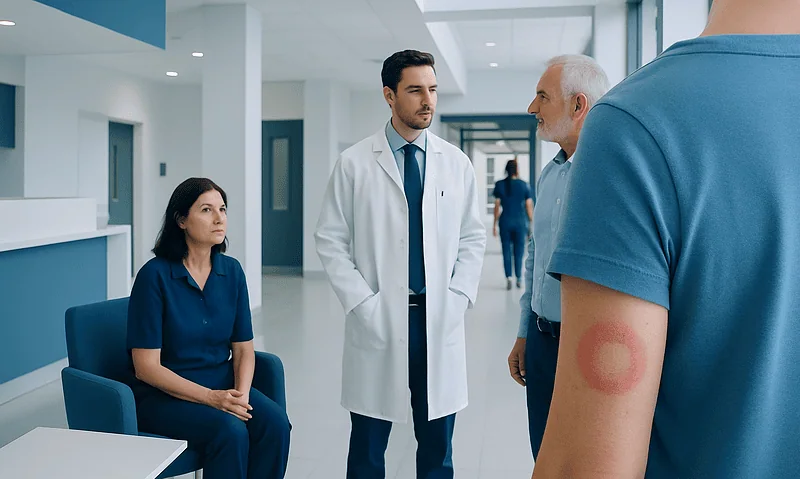
The rash most often discussed is a petechial or purpuric rash. Petechiae are tiny red, brown, or purple spots caused by small areas of bleeding under the skin. Purpura are larger purple patches. These marks may be easier or harder to see depending on a person’s skin tone, and they can occur anywhere on the body.
It is important to know that many people with meningitis do not develop a rash at all. Viral meningitis, for example, may cause fever and headache without any skin changes. On the other hand, many common viral illnesses can cause a rash and fever without involving the brain or spinal cord.
Because the symptom can be confusing, the most useful approach is to look at the whole picture. A new rash becomes more urgent if it appears together with high fever, severe headache, neck stiffness, sensitivity to light, vomiting, confusion, lethargy, or a person who seems much more unwell than expected.
How the Rash May Look and Feel

A meningococcal rash often begins as small pinpoint spots that may resemble a cluster of tiny bruises or broken blood vessels. In some people, it later becomes larger purple patches. Unlike many simple viral rashes, it may not blanch, meaning it does not fade when a clear glass is pressed against it. This so-called glass test can be a helpful clue, but it is not a perfect rule and should never delay medical care.
The rash may start on the trunk, legs, hands, or feet and then spread. Sometimes it appears late, after other symptoms have already started. In infants and young children, signs can be subtle, and the rash may be harder to notice early on.
Not every meningitis-related rash is painful or itchy. Some people feel very ill while the skin itself causes little discomfort. Others may notice cold hands and feet, pale or mottled skin, or a generally unwell appearance along with the rash, which can suggest a bloodstream infection.
Features that deserve urgent attention include:
- A rapidly spreading rash
- Red, purple, or bruise-like spots that do not fade with pressure
- Rash with high fever, severe headache, or neck stiffness
- Rash with confusion, fainting, trouble breathing, or seizures
- Rash in a baby who is difficult to wake, feeding poorly, or has a bulging soft spot
Common Causes and Related Conditions
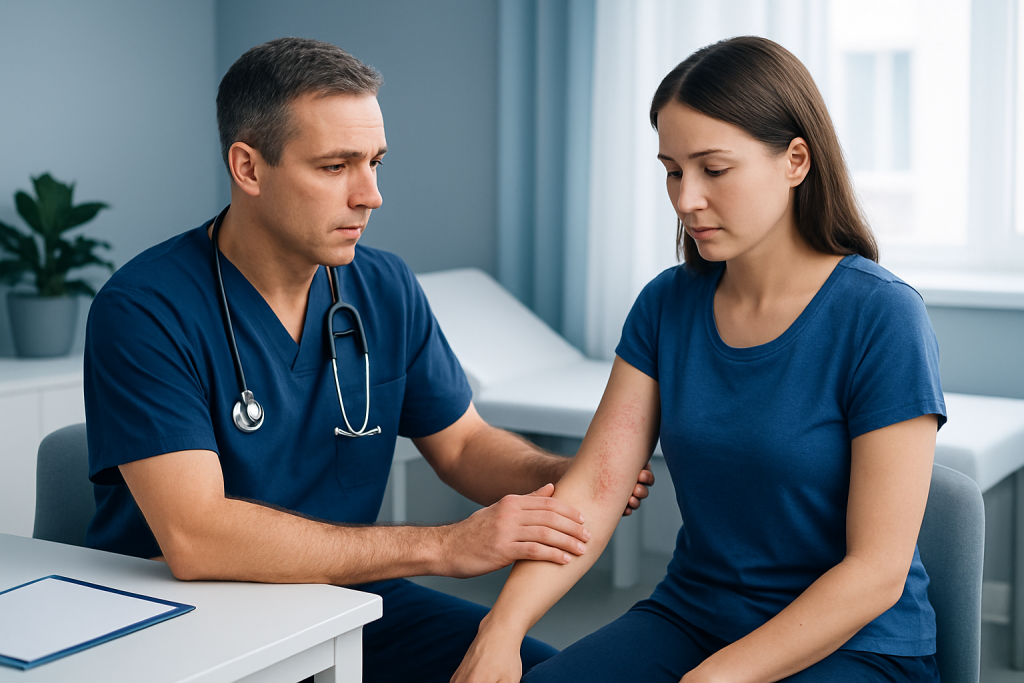
The classic cause of a dangerous meningitis rash is meningococcal disease, caused by Neisseria meningitidis. This bacteria can cause both meningitis and sepsis, a severe bloodstream infection. In these cases, the rash reflects bleeding under the skin and can develop quickly. This is why clinicians treat suspected meningococcal disease as urgent.
Other infections can also lead to meningitis or meningitis-like symptoms with rash. Some viral infections cause fever, headache, and a widespread rash but are much less dangerous than bacterial meningitis. Examples include enteroviruses and other childhood viral illnesses. Less commonly, other bacteria, certain fungi, and inflammatory conditions may be involved depending on age, immune status, travel, and exposure history.
There are also several conditions that can resemble meningitis rash without being meningitis. These include allergic reactions, drug rashes, common viral exanthems, vasculitis, immune thrombocytopenia, and noninfectious causes of petechiae such as intense coughing or vomiting. A doctor may also consider related neurological conditions if symptoms overlap, such as meningitis itself or, in selected cases with brain inflammation symptoms, encephalitis.
Because the range of possibilities is broad, self-diagnosis is not reliable. The same skin finding can have very different meanings depending on the person’s age, medical history, temperature, level of alertness, and how quickly the illness is changing.
Other Symptoms That Matter More Than the Rash Alone
Doctors do not judge meningitis risk by the rash alone. They look for a group of symptoms that suggest infection of the nervous system or bloodstream. In adults and older children, common warning symptoms include fever, severe headache, neck stiffness, nausea or vomiting, light sensitivity, confusion, drowsiness, and a person who is difficult to wake.
In babies, signs may be less specific. They can include poor feeding, unusual irritability, weak cry, limpness or stiffness, a bulging fontanelle, grunting, cold extremities, and reduced responsiveness. A baby may not have obvious neck stiffness, so changes in behavior and alertness matter greatly.
Septic illness can also produce symptoms beyond the nervous system. Fast breathing, rapid heart rate, low blood pressure, cool mottled skin, and decreased urine output may suggest that the infection is affecting the whole body. This is especially relevant when a petechial or purpuric rash is present.
Some symptoms overlap with other serious neurological disorders, so clinicians may consider broader assessment when needed. For example, severe headache or reduced consciousness can require brain evaluation, and this may involve neurology assessment or urgent hospital-based care.
How Doctors Diagnose the Cause
Diagnosis begins with the history and physical examination. A clinician will ask when the rash started, whether it is spreading, whether there is fever or headache, recent illness contacts, vaccination status, travel, and any medicines that might trigger a drug reaction. They will also examine the skin closely and assess alertness, neck movement, circulation, and breathing.
If meningitis or sepsis is suspected, hospital evaluation is usually needed right away. Blood tests may check infection markers, blood counts, clotting, and organ function. Blood cultures can help identify bacteria in the bloodstream. Doctors may also use swabs or other microbiology tests depending on the situation.
A lumbar puncture, also called a spinal tap, may be recommended to analyze cerebrospinal fluid and confirm meningitis. In some cases, brain imaging is done first, especially if there are focal neurological symptoms, seizures, or concern about increased pressure in the skull. When a patient is very unwell, treatment often starts before all test results are back.
Sometimes the rash turns out to be unrelated to meningitis. Even then, medical evaluation can still be important to distinguish between benign viral rashes, allergic conditions, blood disorders, and more serious infectious causes. The aim is to identify who needs urgent antibiotics and supportive care, and who can be managed differently and safely.
Treatment Options and What to Expect
Treatment depends on the cause. Suspected bacterial meningitis is treated urgently, usually in hospital, with intravenous antibiotics and close monitoring. Supportive care may include fluids, oxygen, fever control, and treatment for complications such as low blood pressure or seizures. Because time matters, doctors do not wait for every test result before starting treatment when bacterial meningitis is a real concern.
Viral meningitis is often milder and may improve with rest, fluids, and symptom relief, although some people still need hospital care for observation or hydration. Fungal or other less common causes require more specialized treatment. If the rash is due to a noninfectious problem such as a drug reaction or platelet disorder, management follows that diagnosis instead.
Some people need care from multiple specialists, particularly if the illness affects the nervous system, circulation, or recovery afterward. Depending on clinical findings, evaluation may include infectious diseases care and, when the brain or spinal cord needs detailed evaluation, advanced neuroradiology imaging.
Near the end of the care pathway, follow-up may focus on recovery, hearing, energy levels, and any lingering neurological symptoms. Acibadem International’s multidisciplinary specialists in JCI-accredited hospitals diagnose and treat meningitis-related conditions for international patients when expert hospital care is needed.
Prevention and Self-Care
Vaccination is one of the most effective ways to reduce the risk of certain types of bacterial meningitis, including some meningococcal strains. Routine vaccines also help prevent infections that can lead to meningitis indirectly, such as pneumococcal or Haemophilus influenzae type b disease. A doctor can advise which vaccines are appropriate based on age, health conditions, and travel plans.
General infection prevention also matters. Handwashing, avoiding close contact with people who are acutely ill, covering coughs and sneezes, and not sharing drinking containers can reduce exposure to germs. In some situations, close contacts of someone with confirmed meningococcal disease may be offered preventive antibiotics by public health teams or clinicians.
At home, self-care should never replace assessment if meningitis is possible. A person with rash and mild cold-like symptoms may rest, drink fluids, and monitor for changes, but any worsening fever, headache, stiff neck, confusion, breathing difficulty, or new non-blanching spots should prompt medical review immediately.
It can help to take note of when the rash began, whether it fades with pressure, and what other symptoms are present. Photos can sometimes help clinicians understand how quickly it changed, but taking pictures should not delay calling emergency services or going to urgent care if the person appears seriously unwell.
When to Seek Medical Care
Urgent medical care is needed for a new rash with fever when the person also has severe headache, neck stiffness, vomiting, confusion, unusual drowsiness, seizures, breathing problems, or signs of poor circulation such as cold hands and feet. This is especially true if the rash is purple, bruise-like, or does not fade when pressed.
Parents and caregivers should seek prompt assessment for babies and young children with rash plus poor feeding, persistent crying, reduced responsiveness, limpness, bulging fontanelle, or fever with an ill appearance. In children, serious infection can progress quickly, so it is safer to have a concerning combination of symptoms evaluated early.
If symptoms are milder and there is uncertainty, same-day medical advice is still sensible. A clinician can decide whether the rash is more consistent with a harmless viral illness, an allergic reaction, or something that needs immediate hospital treatment. When in doubt, it is appropriate to err on the side of caution.
Emergency help should not be delayed while waiting for a rash to become more obvious. In some cases, the rash appears late or not at all, so a person with fever, severe headache, neck stiffness, and reduced alertness still needs urgent assessment even if the skin looks normal.
Frequently asked questions
Does a meningitis rash always mean meningitis?
No. Many illnesses can cause a rash, including common viral infections, medication reactions, and noninfectious skin conditions. The rash becomes more concerning when it appears with fever, headache, neck stiffness, confusion, or a person who seems significantly unwell.
Can someone have meningitis without a rash?
Yes. Many people with meningitis, especially viral meningitis, do not develop a rash. That is why symptoms such as severe headache, stiff neck, fever, vomiting, light sensitivity, and reduced alertness are also very important.
What does a dangerous meningitis rash look like?
The most concerning rash is often described as tiny red or purple spots or larger bruise-like patches that may not fade when pressed. It can spread quickly, but appearance varies and may be harder to detect on some skin tones. Any rapidly changing rash with serious illness symptoms needs urgent medical review.
Is the glass test enough to rule out meningitis rash?
No. A rash that does not fade when a clear glass is pressed against it can be a warning sign, but the test is not perfect. A rash may fade early on, or meningitis may be present without a rash, so medical assessment should not be delayed.
How is meningitis rash treated?
Doctors do not treat the rash by itself; they treat the underlying cause. If bacterial meningitis or meningococcal sepsis is suspected, urgent hospital treatment with intravenous antibiotics and supportive care is usually needed. Viral and noninfectious causes are managed differently.
When should a child with rash and fever see a doctor?
A child should be assessed urgently if the rash is purple, bruise-like, spreading, or non-blanching, or if there is drowsiness, poor feeding, breathing difficulty, or unusual irritability. If a baby or child looks seriously unwell, emergency care is the safest choice.
References
- World Health Organization
- Centers for Disease Control and Prevention
- National Health Service
- National Institute of Neurological Disorders and Stroke
- Meningitis Research Foundation
This article is for general information only and is not a substitute for professional medical advice. Please consult a qualified doctor about your individual situation.
Meningitis in Turkey — costs, top hospitals & a free quote
JCI-accredited · board-certified surgeons · reply within 24h
Add us as a Preferred Source to see more of our trusted health content across Google Search, AI Overviews and Discover.