Menometrorrhagia: A Complete Medical Overview

Menometrorrhagia means bleeding that is heavy, prolonged, and irregular. It can be linked to hormonal imbalance, fibroids, polyps, pregnancy-related causes, bleeding disorders, or other medical conditions.
Key Takeaways
- Menometrorrhagia means bleeding that is heavy, prolonged, and irregular.
- It can be linked to hormonal imbalance, fibroids, polyps, pregnancy-related causes, bleeding disorders, or other medical conditions.
- Diagnosis usually includes a medical history, pelvic exam, blood tests, and sometimes ultrasound or tissue sampling.
- Treatment depends on the cause and may involve medicines, hormonal therapy, or procedures.
- Ongoing heavy bleeding should not be ignored because it can lead to iron deficiency anemia and affect daily life.
Menometrorrhagia is abnormal uterine bleeding that is both heavy and irregular, often occurring between expected menstrual periods or lasting longer than usual. It is a symptom pattern rather than a disease itself, and evaluation focuses on finding the underlying cause and treating blood loss safely.
Overview
Menometrorrhagia is a term used when uterine bleeding is both unusually heavy and irregular in timing. In practical terms, a person may bleed for longer than a normal menstrual period, soak through pads or tampons more quickly than expected, or have bleeding between periods. Doctors now often group this pattern under the broader term abnormal uterine bleeding, but menometrorrhagia remains a useful description because it captures both problems at once: too much bleeding and bleeding at unpredictable times.
This pattern is not a diagnosis by itself. Instead, it signals that there may be an underlying gynecologic, hormonal, or medical cause that needs attention. Common possibilities include changes in ovulation, uterine growths such as fibroids or polyps, pregnancy-related problems, medication effects, or less commonly, disorders affecting blood clotting. Because the causes vary widely, proper evaluation is important.
Although menometrorrhagia can be disruptive and worrying, many causes are treatable. The goals of care are to identify the reason for bleeding, control blood loss, prevent complications such as anemia, and support long-term menstrual health. In some cases, people may also benefit from evaluation of related conditions such as uterine fibroids if symptoms suggest a structural cause.
How Menometrorrhagia Can Affect Daily Life
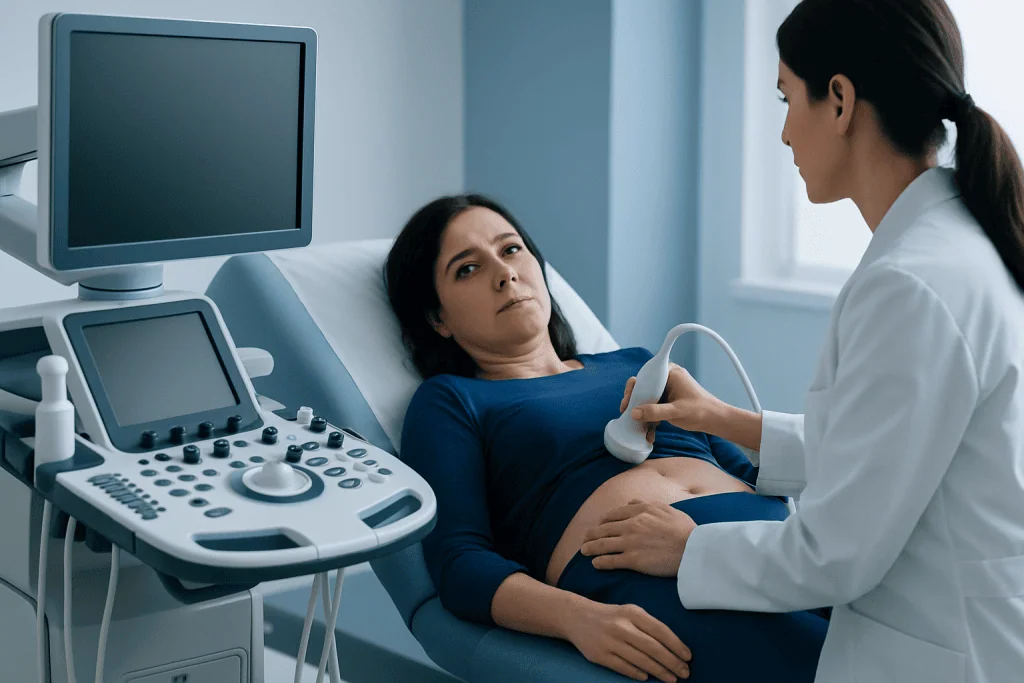
Menometrorrhagia can affect more than the menstrual cycle. Heavy, repeated bleeding may lead to tiredness, reduced concentration, shortness of breath on exertion, headaches, or dizziness, especially if iron deficiency develops. Some people also experience significant interruption to work, school, exercise, sleep, sexual activity, or travel because bleeding is difficult to predict or manage.
The emotional impact can also be substantial. Uncertainty about when bleeding will happen may create stress, embarrassment, or social withdrawal. For adolescents, the condition can interfere with school attendance and sports. For adults, it may affect family life and confidence in daily routines.
Another important issue is reproductive health. Depending on the cause, menometrorrhagia may occur alongside pelvic pain, fertility concerns, or symptoms related to hormonal imbalance. For example, irregular bleeding can sometimes reflect ovulation problems, while heavy bleeding with pressure symptoms may point toward fibroids or adenomyosis. Looking at the whole pattern helps clinicians choose the most appropriate tests.
Symptoms and Warning Signs

The main feature of menometrorrhagia is uterine bleeding that is both excessive and irregular. Bleeding may last longer than a usual period, occur sooner than expected, happen between periods, or vary widely from month to month. Some people notice flooding, passage of large clots, or the need to change pads or tampons very frequently.
Associated symptoms depend on the underlying cause. Cramping or pelvic pressure may suggest conditions affecting the uterus, while acne, weight changes, excess hair growth, or infrequent ovulation may point toward hormonal imbalance. If blood loss has been ongoing, symptoms of anemia may appear, such as fatigue, weakness, pale skin, rapid heartbeat, dizziness, or shortness of breath.
- Bleeding between menstrual periods
- Periods that last longer than usual
- Very heavy menstrual flow or clots
- Unpredictable cycle timing
- Pelvic pain, pressure, or bloating
- Fatigue or lightheadedness from blood loss
Not every irregular or heavy period means a serious problem, especially around the first years after menstruation begins or during the transition toward menopause. Even so, persistent symptoms deserve medical review so that treatable causes are not missed.
Causes and Risk Factors
Menometrorrhagia has many possible causes, which is why a structured medical assessment is important. One major group is ovulatory and hormonal causes. When ovulation does not happen regularly, the uterine lining may build up unevenly and then shed unpredictably and heavily. This can happen during adolescence, around perimenopause, with thyroid disease, with significant stress or weight changes, or with conditions such as polycystic ovary syndrome.
Structural causes inside the uterus are also common. These include fibroids, endometrial polyps, adenomyosis, or less commonly precancerous changes and endometrial cancer. Infection or inflammation may contribute in some cases. Pregnancy-related causes, including miscarriage or ectopic pregnancy, must be considered in anyone of reproductive age with unexpected bleeding, even if pregnancy seems unlikely.
Other causes can come from outside the reproductive system. Blood clotting disorders, liver disease, kidney disease, certain medicines such as anticoagulants, and some contraceptive methods can all affect bleeding. Risk factors that may increase the chance of abnormal uterine bleeding include obesity, a history of irregular ovulation, family or personal history of bleeding disorders, and increasing age, especially if bleeding patterns change suddenly after previously regular cycles.
How Doctors Diagnose Menometrorrhagia
Diagnosis begins with a careful history. A clinician will ask about the timing, duration, and amount of bleeding, whether clots are present, and whether there are symptoms such as pain, dizziness, or fatigue. It is often helpful for the patient to track bleeding days, pad or tampon use, and cycle irregularity before the appointment. Questions may also cover pregnancy possibility, medications, contraception, prior gynecologic conditions, and family history of bleeding disorders.
A physical examination may include a pelvic exam, depending on age, symptoms, and comfort. Blood tests commonly look for anemia, pregnancy, thyroid problems, or other hormonal or clotting issues. Imaging is often used if a structural cause is suspected. A pelvic ultrasound is a common first step because it can help identify fibroids, polyps, or thickening of the uterine lining. In some cases, doctors may recommend ultrasound imaging as part of this assessment.
Further testing depends on the situation. Some patients need endometrial sampling to check the uterine lining, especially if they are older, have risk factors for endometrial disease, or have persistent bleeding without a clear explanation. Others may need hysteroscopy, in which a small camera is used to look inside the uterus. If a tissue diagnosis is needed, clinicians may discuss biopsy of the endometrium in a carefully selected setting.
Treatment Options
Treatment is guided by the cause, the severity of bleeding, the patient’s age, whether anemia is present, and reproductive goals. For mild to moderate cases, medical treatment is often the first step. Options may include iron supplementation for anemia, nonhormonal medicines that reduce bleeding, or hormonal treatments that help regulate the cycle and stabilize the uterine lining. The best choice depends on medical history and whether pregnancy is desired.
When bleeding is linked to a structural problem such as fibroids or polyps, procedures may be considered. Depending on the case, doctors may remove a polyp, treat fibroids, or recommend minimally invasive approaches to reduce bleeding. Some patients with significant fibroids may need targeted care such as myomectomy if preserving the uterus is important. Others may be candidates for endometrial ablation or hysterectomy, although these are usually considered only after careful evaluation and discussion.
Urgent treatment may be needed if bleeding is very heavy or causing signs of instability or severe anemia. In those situations, care focuses first on controlling blood loss and supporting the patient safely. Long-term follow-up matters as well, because treatment may need adjustment over time if symptoms change or if the underlying condition evolves.
For international patients who need coordinated evaluation, Acibadem International’s multidisciplinary specialists in JCI-accredited hospitals diagnose and treat abnormal uterine bleeding using individualized plans based on the underlying cause.
Prevention, Self-care, and Monitoring
Not every cause of menometrorrhagia can be prevented, but practical self-care can make symptoms easier to manage and can support earlier diagnosis. Tracking the menstrual cycle is one of the most useful steps. Recording start and stop dates, spotting, heavy days, clots, pain, and products used can give a clearer picture of the bleeding pattern and help the doctor decide what tests are needed.
People with frequent or heavy bleeding should also watch for signs of anemia, such as unusual fatigue, reduced exercise tolerance, dizziness, or paleness. Eating an iron-rich diet may be helpful, though diet alone may not be enough if blood loss is substantial. Iron supplements should ideally be taken under medical guidance because the right approach depends on blood test results and overall health.
General health measures can also support menstrual regulation in some cases, especially when ovulation is affected by weight changes, thyroid problems, or chronic medical conditions. Still, self-care should not replace medical assessment when bleeding is prolonged, worsening, or unexpected. Menometrorrhagia is best managed with a clear diagnosis rather than symptom masking alone.
When to Seek Medical Care
Medical care is appropriate if bleeding becomes persistently heavy, lasts longer than usual, occurs between periods, or changes significantly from a person’s usual pattern. Evaluation is especially important if there is pelvic pain, symptoms of anemia, bleeding after menopause, or irregular bleeding during treatment with hormones or blood thinners. Anyone who might be pregnant and has abnormal bleeding should seek prompt medical advice.
Urgent care is needed if bleeding is so heavy that it causes fainting, chest discomfort, severe weakness, shortness of breath, or rapid soaking of menstrual products over a short time. These symptoms can suggest major blood loss or another urgent condition. Sudden severe pain with bleeding may also need immediate assessment to rule out pregnancy-related complications or other acute problems.
Many causes of menometrorrhagia are manageable once identified. A timely appointment with a gynecologist or qualified doctor can help clarify the cause, reduce bleeding safely, and protect long-term health.
Frequently asked questions
Is menometrorrhagia the same as a heavy period?
Not exactly. Menometrorrhagia refers to bleeding that is both heavy and irregular, while a heavy period may still come at expected times. The term describes a pattern that usually needs evaluation to find the cause.
Can menometrorrhagia cause anemia?
Yes. Repeated heavy blood loss can lower iron stores and lead to iron deficiency anemia. This may cause fatigue, weakness, dizziness, shortness of breath, or headaches, so blood tests are often part of the evaluation.
Does menometrorrhagia always mean there is a serious disease?
No. Many cases are caused by treatable hormonal changes or benign uterine conditions such as fibroids or polyps. However, persistent or changing bleeding patterns should still be assessed so that important causes are not overlooked.
What tests are usually done for menometrorrhagia?
Doctors often begin with a medical history, bleeding pattern review, physical examination, pregnancy testing, and blood tests. Depending on age and symptoms, pelvic ultrasound or sampling of the uterine lining may also be recommended.
Can birth control help treat menometrorrhagia?
Hormonal birth control can help some patients by regulating the cycle and reducing bleeding. The most suitable option depends on the underlying cause, overall health, and whether pregnancy is desired. A clinician can explain which methods may be appropriate.
When is surgery considered for menometrorrhagia?
Surgery or procedures may be considered when medicines do not control symptoms, when there is a structural cause such as fibroids or polyps, or when tissue evaluation is needed. The type of procedure depends on the diagnosis, symptom severity, and fertility goals.
References
- American College of Obstetricians and Gynecologists
- National Institute for Health and Care Excellence
- Centers for Disease Control and Prevention
- Mayo Clinic
- Merck Manual Consumer Version
This article is for general information only and is not a substitute for professional medical advice. Please consult a qualified doctor about your individual situation.
Explore treatments in Turkey — costs, top hospitals & a free quote
JCI-accredited · board-certified surgeons · reply within 24h
Add us as a Preferred Source to see more of our trusted health content across Google Search, AI Overviews and Discover.
Check your numbers in seconds
BMI, calories, due date, blood pressure and 30+ more clinical calculators — free, instant, doctor-reviewed ranges.

More from the Health Library



Related Specialists

Dr. Esra Boyar
Gynecology & Obstetrics
Prof. Dr. Memet Özek
Neurosurgery
Assoc. Prof. Dr. Mehmet Sağır
Aesthetic Plastic & Reconstructive Surgery
Prof. Dr. Bilgi Baca
General Surgery