Mental Health Exercises: What Patients Need to Know

Mental health exercises include breathing, mindfulness, movement, journaling, social connection, and sleep-supporting routines. Regular practice may help reduce stress, improve focus, and support mood over time.
Key Takeaways
- Mental health exercises include breathing, mindfulness, movement, journaling, social connection, and sleep-supporting routines.
- Regular practice may help reduce stress, improve focus, and support mood over time.
- The best approach is usually simple, realistic, and matched to a person’s symptoms, energy level, and daily routine.
- These exercises do not replace diagnosis or treatment for mental health conditions when professional care is needed.
- Urgent help is important if someone has thoughts of self-harm, severe distress, or major changes in behavior or functioning.
Mental health exercises are practical habits that can help support emotional well-being, stress management, attention, and resilience. They are not a replacement for medical care, but they can be useful daily tools for many people when tailored to personal needs and used consistently.
Overview: what mental health exercises are
Mental health exercises are structured activities that support emotional well-being, stress regulation, attention, and coping skills. They can be as brief as a one-minute breathing exercise or as involved as a regular routine of movement, journaling, meditation, and social connection. In everyday life, these practices help people respond to stress more effectively and build healthier habits around sleep, thoughts, and emotions.
These exercises are best understood as skills rather than quick fixes. Like physical exercise, they tend to work through repetition. A person may not feel dramatic benefits after one session, but steady practice often helps the nervous system settle more easily, improves self-awareness, and makes it easier to notice early signs of stress, anxiety, or low mood.
Mental health exercises are not the same as treatment for a diagnosed condition, although they are often used alongside professional care. For example, they may be recommended as part of support for people living with depression or anxiety disorders. A qualified clinician can help decide which approaches are most appropriate, especially when symptoms are persistent, severe, or interfering with work, school, relationships, or sleep.
How mental health exercises can help
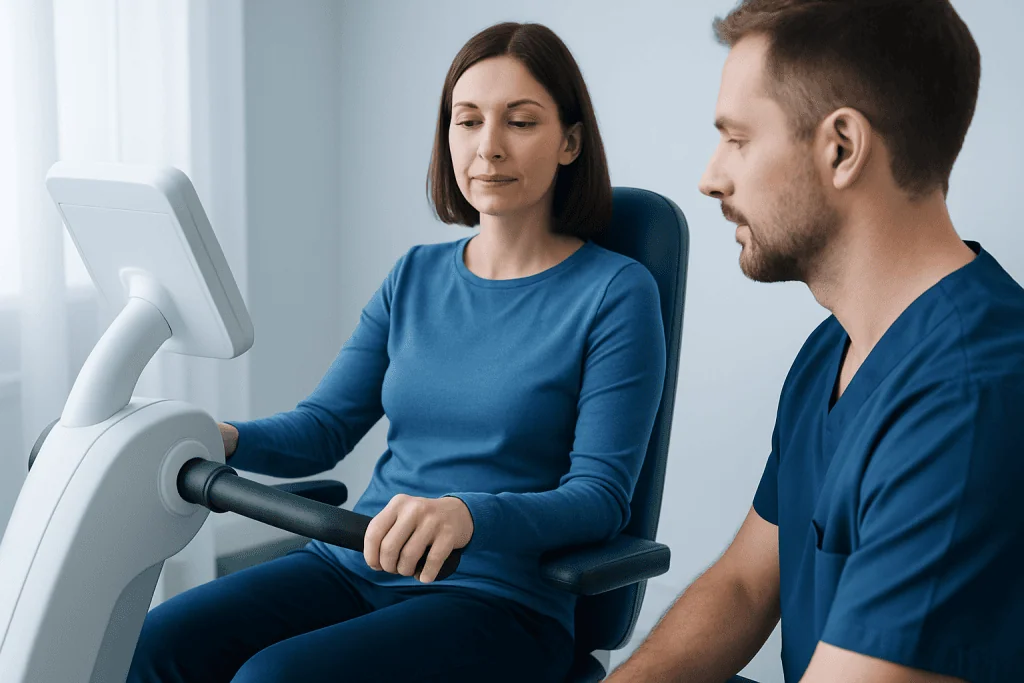
Mental health exercises can influence both the mind and body. Many work by lowering physical tension, slowing rapid breathing, and reducing the sense of being overwhelmed. Others help organize thoughts, improve concentration, or create a greater sense of control during difficult periods. This is especially helpful because emotional stress often affects sleep, appetite, energy, and physical comfort.
Benefits may include a calmer stress response, improved emotional awareness, more flexible thinking, better daily structure, and a stronger sense of connection with other people. Some exercises also support healthy routines that indirectly benefit mental health, such as movement, regular sleep patterns, and reduced screen overload late in the day.
Results vary from person to person. Someone with mild everyday stress may notice improvement quickly, while a person with longstanding symptoms may need a combination of self-care and medical support. Mental health exercises are most useful when they are realistic, sustainable, and adapted to a person’s age, culture, preferences, and any coexisting physical or mental health concerns.
Types of mental health exercises patients can try

There is no single best exercise for everyone. A balanced routine often combines calming techniques, reflection, movement, and supportive connection. Starting small is usually more effective than trying too many methods at once. A person might choose one or two exercises to practice at the same time each day and then build gradually.
Common mental health exercises include:
- Breathing exercises: Slow, steady breathing can help reduce physical signs of stress and create a sense of grounding.
- Mindfulness practices: Brief attention exercises encourage noticing thoughts, emotions, and body sensations without immediately reacting to them.
- Journaling: Writing down worries, triggers, or daily positives may help organize thoughts and identify patterns.
- Physical activity: Walking, stretching, yoga, and other movement can support mood, energy, and sleep.
- Relaxation exercises: Progressive muscle relaxation and guided imagery may help release tension.
- Connection exercises: Setting aside time for conversation, gratitude, or acts of kindness can strengthen social support.
For some people, structured therapies may also include guided mental health exercises delivered by professionals. These can be part of psychotherapy or, when clinically appropriate, combined with psychiatric care. Professional guidance can be especially useful when symptoms are more than occasional stress or when self-help efforts do not seem to work.
Building a routine that is realistic and effective
A useful mental health routine is usually simple, predictable, and flexible. It helps to attach an exercise to something that already happens every day, such as waking up, taking a lunch break, or preparing for sleep. For example, a person might do two minutes of breathing in the morning, a short walk in the afternoon, and a brief journal entry in the evening.
Consistency matters more than intensity. A short practice done most days is often more helpful than a long session done only occasionally. It can also help to track how each exercise affects mood, sleep, focus, and stress. This makes it easier to notice which techniques are helpful and which ones feel frustrating, tiring, or unrealistic.
People should also expect some trial and error. Someone who feels restless during meditation may prefer walking or stretching. A person who finds writing difficult may respond better to voice notes or a simple mood tracker. The goal is not perfect performance but a pattern of healthy self-regulation that can be maintained over time.
When symptoms are interfering with daily life, structured care may be needed in addition to self-guided exercises. In some cases, doctors may recommend evaluation in mental health services to clarify whether stress, burnout, depression, anxiety, trauma, or another medical issue is contributing to the problem.
Limits, cautions, and when exercises may not be enough
Mental health exercises can be helpful, but they do have limits. They may reduce stress and improve coping, yet they do not by themselves diagnose a condition or address every cause of emotional distress. Persistent sadness, panic symptoms, trauma reactions, severe sleep disturbance, substance misuse, or major changes in appetite and functioning usually need professional assessment.
Some exercises may also feel uncomfortable at first. For example, people with trauma histories sometimes find certain mindfulness practices too intense because quiet attention can increase awareness of distressing sensations or memories. In these situations, gentler grounding methods, guided support, or trauma-informed care may be more appropriate.
It is also important to consider medical causes of mental symptoms. Thyroid disease, chronic pain, medication effects, sleep disorders, hormonal changes, and neurological conditions can all affect mood and concentration. A healthcare professional can help determine whether symptoms are primarily emotional, physical, or a combination of both.
Prevention and self-care habits that support mental health
Mental health exercises work best when they are part of broader self-care. Basic daily habits strongly influence emotional well-being, and small adjustments can make formal exercises more effective. Regular sleep, nourishing meals, hydration, movement, time outdoors, and reduced alcohol or recreational drug use can all support steadier mood and energy.
Screen use and information overload also matter. Many people benefit from setting boundaries around distressing news, social media comparison, or late-night device use. Creating short periods of quiet during the day can make it easier to focus, reflect, and recover mentally. Even brief pauses between work tasks may help reduce the buildup of stress.
Supportive relationships are another important part of prevention. Trusted family members, friends, support groups, teachers, or colleagues can provide reassurance and perspective. Asking for help early is often easier than waiting until distress becomes overwhelming. A clinician may suggest self-care strategies alongside counseling, lifestyle adjustments, or other treatments depending on the person’s needs.
Near the end of a care pathway, some people may benefit from a coordinated plan involving psychologists, psychiatrists, neurologists, or sleep specialists. Acibadem International’s multidisciplinary specialists and JCI-accredited hospitals diagnose and treat mental health concerns for international patients when further evaluation or treatment is needed.
When to seek medical care
A doctor or mental health professional should be consulted if symptoms last for more than a couple of weeks, keep returning, or start to affect work, study, relationships, sleep, appetite, or daily responsibilities. Professional advice is also important when someone feels persistently hopeless, has frequent panic attacks, cannot control worry, or notices major changes in concentration, energy, or behavior.
Urgent care is needed if there are thoughts of self-harm or suicide, a feeling that a person may harm someone else, severe agitation, confusion, hallucinations, or an inability to care for basic needs. These situations should not be managed with self-help exercises alone.
Early assessment can make treatment clearer and more effective. Depending on the symptoms, care may include counseling, medical review, lifestyle support, and sometimes therapy focused on coping strategies and emotional regulation. A qualified professional can help choose the safest and most helpful plan for the individual.
Frequently asked questions
What are mental health exercises?
Mental health exercises are activities that help support emotional well-being, stress regulation, attention, and coping. They often include breathing exercises, mindfulness, journaling, movement, relaxation techniques, and routines that improve sleep and daily structure.
Do mental health exercises really work?
They can help many people, especially when practiced regularly and matched to personal needs. They are most effective for stress management and coping support, but they are not a substitute for professional treatment when symptoms are severe or persistent.
How often should someone do mental health exercises?
Short daily practice is often more useful than longer sessions done only occasionally. Many people start with 5 to 10 minutes a day and adjust based on energy, symptoms, and what feels realistic to maintain.
Can mental health exercises replace therapy or medication?
No, not in every situation. They can be an important part of self-care and may complement therapy or medication, but they should not replace professional evaluation when a person has significant anxiety, depression, trauma symptoms, or safety concerns.
Which mental health exercise is best for anxiety?
There is no single best choice for everyone, but slow breathing, grounding exercises, mindfulness, and regular physical activity are commonly helpful. A person with frequent or intense anxiety may benefit from a clinician’s guidance to find the safest and most effective approach.
Are mental health exercises safe for children and older adults?
Many are safe when adapted to age, attention span, mobility, and medical needs. Simple breathing, gentle movement, calming routines, and guided relaxation can often be used, but persistent symptoms in any age group should still be assessed by a qualified professional.
References
- World Health Organization
- National Institute of Mental Health
- American Psychiatric Association
- Centers for Disease Control and Prevention
- National Health Service
This article is for general information only and is not a substitute for professional medical advice. Please consult a qualified doctor about your individual situation.
Explore treatments in Turkey — costs, top hospitals & a free quote
JCI-accredited · board-certified surgeons · reply within 24h
Add us as a Preferred Source to see more of our trusted health content across Google Search, AI Overviews and Discover.

More from the Health Library

Januvia: What Patients Need to Know

Coffee Urine Odor: An Evidence-Based Guide for Patients

Glutamine Benefits: What Patients Need to Know

Neovascularization: What Patients Need to Know

Ringworm: A Complete Medical Overview