

Meralgia Paresthetica: Early Signs, Risk Factors, and How It Is Treated

Meralgia paresthetica affects sensation in the outer thigh but does not usually weaken the leg. Common triggers include tight clothing, weight gain, pregnancy, prolonged standing, and pressure around the groin or hip area.
Key Takeaways
- Meralgia paresthetica affects sensation in the outer thigh but does not usually weaken the leg.
- Common triggers include tight clothing, weight gain, pregnancy, prolonged standing, and pressure around the groin or hip area.
- Diagnosis is mainly based on symptoms, physical examination, and ruling out other causes such as spine or hip problems.
- Treatment often starts with avoiding pressure on the nerve, wearing looser clothing, and addressing contributing factors.
- Persistent, severe, or unclear symptoms should be assessed by a qualified doctor.
Meralgia paresthetica is a nerve compression problem that usually causes burning, tingling, numbness, or increased sensitivity on the outer thigh. It often improves when pressure on the lateral femoral cutaneous nerve is reduced, though some people need medical treatment if symptoms persist or interfere with daily life.
Overview: what meralgia paresthetica is
Meralgia paresthetica is a condition caused by pressure on the lateral femoral cutaneous nerve, a sensory nerve that supplies the skin of the outer thigh. When this nerve becomes compressed or irritated, a person may notice burning, tingling, numbness, or unusual skin sensitivity over one side of the thigh. Although the symptoms can be uncomfortable, the condition is usually not dangerous and often relates to external pressure rather than permanent nerve damage.
A useful way to understand meralgia paresthetica is to think of it as a “pinched sensory nerve” near the front of the hip or groin. Because the affected nerve does not control the thigh muscles, the problem typically changes sensation rather than strength. This helps distinguish it from many back-related nerve conditions that may also cause weakness or shooting pain below the knee.
The condition may come on gradually or appear after a change such as weight gain, pregnancy, wearing a heavy work belt, or starting clothing that fits tightly around the waist. Some people have only mild numbness, while others experience burning pain that becomes more noticeable with standing or walking. In many cases, identifying and removing the source of pressure is an important first step toward relief.
Early signs and symptoms
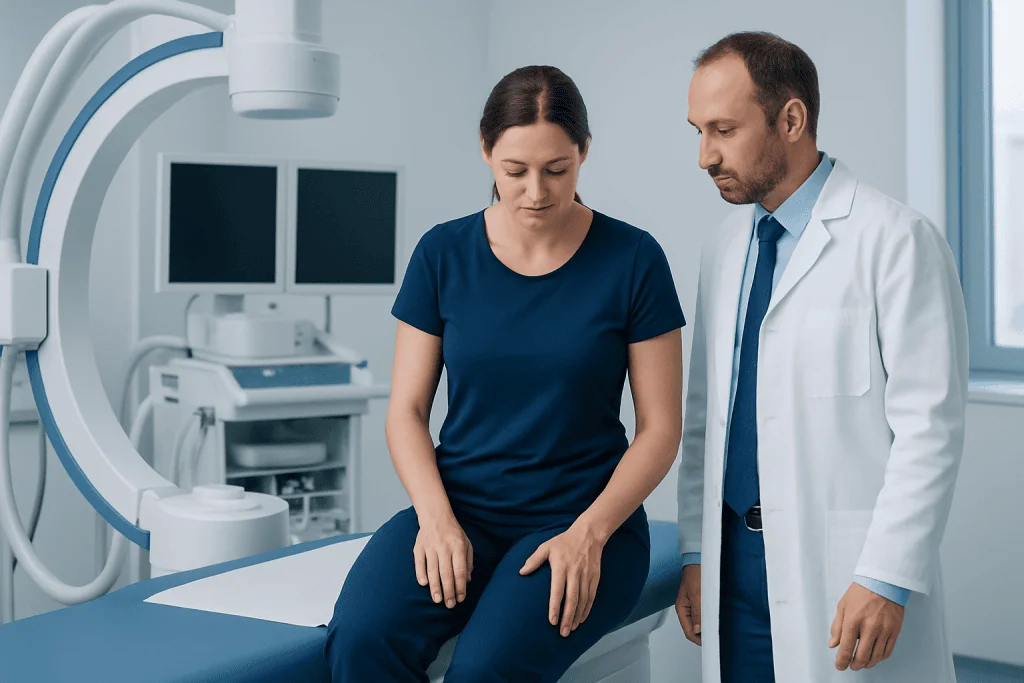
The earliest signs of meralgia paresthetica are often sensory changes over the outer or front-outer part of the thigh. People may describe a patch of skin that feels numb, prickly, burning, or unusually sensitive to light touch. The symptoms are usually on one side, though both sides can occasionally be involved.
Discomfort may feel worse after prolonged standing, walking, or hip extension, and sometimes improves with sitting or changing position. Tight waistbands, belts, shapewear, or equipment around the hips may aggravate the area. Some people notice that even normal fabric contact becomes irritating, while others mainly experience a dull numbness.
Typical symptoms can include:
- Burning or stinging pain on the outer thigh
- Tingling, pins-and-needles, or prickling
- Numbness in a clearly defined patch of skin
- Increased sensitivity to touch or clothing
- Symptoms that worsen with standing, walking, or pressure at the waist
Unlike many other nerve problems, meralgia paresthetica usually does not cause knee buckling, foot weakness, or loss of bladder or bowel control. If these occur, another diagnosis may be more likely and prompt medical assessment is important.
Why it happens: causes and risk factors
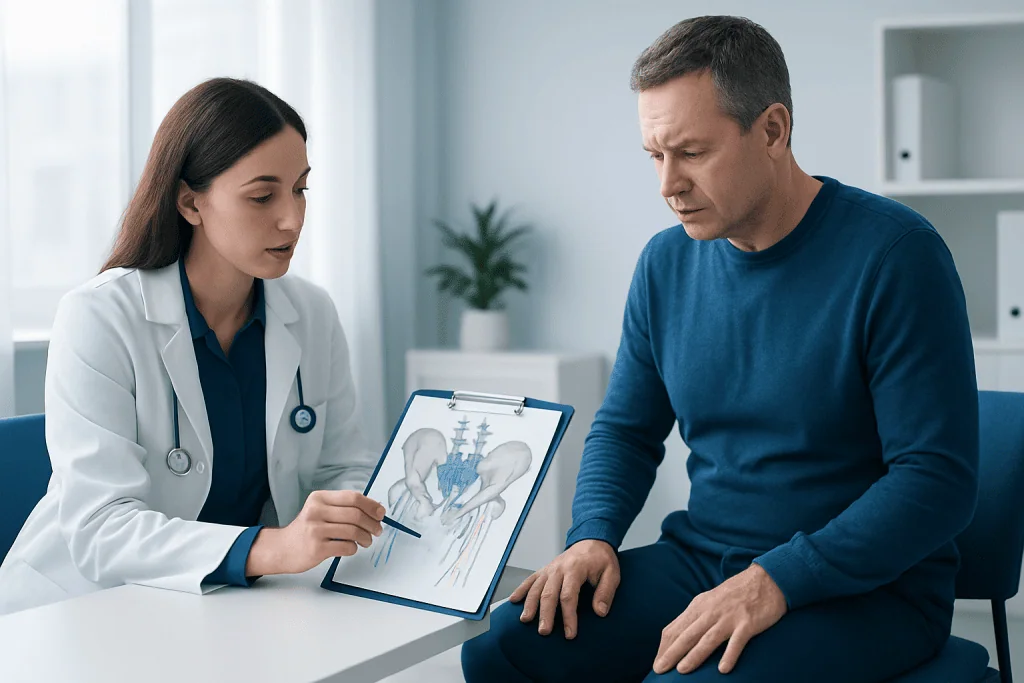
The lateral femoral cutaneous nerve travels from the pelvis toward the thigh and passes near structures that can compress it, especially around the groin and front of the hip. Anything that increases pressure in this area can trigger symptoms. For many people, the cause is mechanical and reversible.
Common risk factors include weight gain, obesity, pregnancy, and tight garments around the waist. Heavy tool belts, corset-like clothing, tight jeans, body armor, backpacks with hip straps, or prolonged use of belts can all increase local pressure. Repetitive hip movement, long periods of standing, or scar tissue after surgery may also contribute in some cases.
Other medical factors can make nerves more vulnerable. Diabetes and other causes of peripheral nerve irritation may increase the chance of symptoms, and previous trauma to the pelvis or upper thigh can be relevant. Less commonly, a mass, pelvic abnormality, or spine-related issue may mimic or contribute to symptoms, which is why persistent cases need proper evaluation.
In clinical practice, doctors also consider whether symptoms could be due to another condition such as sciatica or a structural spine problem. While these conditions may also cause leg discomfort, meralgia paresthetica is more localized to the outer thigh and is primarily sensory.
How doctors diagnose meralgia paresthetica
Diagnosis usually begins with a detailed history and physical examination. A doctor asks where the symptoms are felt, what makes them better or worse, whether clothing or belts trigger them, and whether there are signs of back, hip, or pelvic disease. The pattern of symptoms alone can strongly suggest meralgia paresthetica.
During the examination, the doctor may check the exact area of numbness or sensitivity, look for tenderness near the nerve’s path, and test leg strength and reflexes. Normal strength with sensory symptoms limited to the outer thigh supports the diagnosis. The main aim is not only to recognize meralgia paresthetica, but also to rule out other causes of thigh pain or numbness.
Additional tests are not always needed, but they may be useful if symptoms are severe, long-lasting, atypical, or if another diagnosis is possible. Depending on the situation, a clinician might request nerve studies, blood tests for contributing conditions, or imaging such as MRI scan to exclude problems involving the spine, pelvis, or hip. In some people, a diagnostic nerve block can also help confirm the source of symptoms.
Treatment options and what recovery looks like
Treatment for meralgia paresthetica usually starts with reducing pressure on the nerve. This may mean choosing looser clothing, avoiding tight belts or heavy waist gear, adjusting posture or activity, and addressing factors such as recent weight gain. If pregnancy is the main trigger, symptoms often improve after delivery as pressure changes.
When symptoms are painful or persistent, doctors may recommend medicines aimed at nerve-related pain, though the best option depends on the individual’s overall health and symptom pattern. Some people benefit from physical therapy, especially if posture, gait, hip tightness, or core mechanics seem to contribute. A targeted nerve injection may be considered when simple measures are not enough or when confirmation of the diagnosis is helpful.
Surgery is not commonly needed, but it can be discussed in carefully selected cases where symptoms are severe, prolonged, and resistant to conservative treatment. If another structural issue is suspected, further evaluation may be needed, sometimes alongside assessments such as CT scan or consultation with specialists experienced in neurosurgery when appropriate. Most people, however, are treated without an operation.
Recovery varies. Some patients improve within weeks after pressure is relieved, while others notice a slower reduction in burning or numbness over several months. Even when numbness lingers, the pain component often becomes more manageable with the right treatment plan and removal of aggravating factors.
Self-care, prevention, and daily habits that help
Self-care focuses on minimizing pressure where the nerve passes near the groin. Looser waistbands, less restrictive work gear, and avoiding prolonged compression are simple changes that may significantly reduce symptoms. If a person notices that standing or walking for long periods worsens discomfort, scheduled breaks and position changes can help.
Weight management can be an important preventive step for some people, especially when symptoms began after weight gain. Exercise may still be possible, but it is often helpful to choose activities that do not aggravate the thigh, at least temporarily. Gentle stretching and guided physical therapy can sometimes support better posture and movement patterns without putting extra strain on the irritated nerve.
Helpful self-care measures may include:
- Wearing loose, comfortable clothing around the waist and hips
- Avoiding heavy belts, tight shapewear, or equipment that presses on the groin
- Taking breaks from prolonged standing or repetitive hip extension
- Working toward a healthy weight if recommended by a doctor
- Managing conditions such as diabetes with routine medical care
Because not all outer thigh symptoms are caused by meralgia paresthetica, self-care should not replace medical advice if symptoms are severe, progressive, or unclear. A doctor can help confirm the diagnosis and make sure an important alternative cause is not being missed.
When to seek medical care
A person should consider medical evaluation if outer thigh burning, numbness, or tingling lasts more than a short time, keeps returning, or interferes with walking, sleep, work, or exercise. Assessment is also sensible if symptoms started without an obvious pressure-related trigger or if home measures do not help. A clear diagnosis can prevent unnecessary worry and guide the most appropriate treatment.
Prompt medical attention is especially important if symptoms include leg weakness, back pain with pain radiating below the knee, fever, recent significant injury, new swelling, or problems with bladder or bowel control. These features are not typical of meralgia paresthetica and may suggest a different condition that needs urgent evaluation.
For international patients who need specialist assessment, Acibadem International’s multidisciplinary teams in JCI-accredited hospitals evaluate nerve, spine, and musculoskeletal causes of thigh symptoms and provide individualized treatment plans. The goal is to determine whether the problem is meralgia paresthetica or another condition requiring different care.
Frequently asked questions
Is meralgia paresthetica serious?
Meralgia paresthetica is usually not a dangerous condition, but it can be uncomfortable and disruptive. It mainly affects sensation in the outer thigh because a sensory nerve is compressed. A doctor should still evaluate persistent or unusual symptoms to confirm the diagnosis and rule out other causes.
What does meralgia paresthetica feel like?
Many people describe burning, tingling, numbness, or a patch of skin on the outer thigh that feels extra sensitive. Some notice discomfort from clothing brushing the area, while others feel pain that worsens with standing or walking. The symptoms are often limited to one side.
Can meralgia paresthetica go away on its own?
Yes, it often improves when the source of pressure on the nerve is removed. For example, changing tight clothing, adjusting belts, or addressing weight-related pressure may help. Recovery can be quick for some people, while others improve more gradually.
Does meralgia paresthetica cause leg weakness?
Typically, no. The lateral femoral cutaneous nerve is a sensory nerve, so meralgia paresthetica usually changes feeling in the thigh rather than muscle strength. If weakness is present, a doctor may need to look for another cause.
How is meralgia paresthetica different from sciatica?
Meralgia paresthetica usually causes symptoms only on the outer thigh and does not commonly affect the lower leg or foot. Sciatica more often starts in the lower back or buttock and can travel down the back of the leg. The two conditions can feel different, but a medical exam may be needed to tell them apart.
What kind of doctor treats meralgia paresthetica?
Evaluation may begin with a primary care doctor, neurologist, physical medicine specialist, orthopedic specialist, or spine specialist, depending on the symptoms. The most important step is finding the true source of the nerve irritation. Persistent cases may benefit from multidisciplinary assessment.
References
- National Institute of Neurological Disorders and Stroke
- American Academy of Orthopaedic Surgeons
- American Academy of Neurology
- Mayo Clinic
- Merck Manual
This article is for general information only and is not a substitute for professional medical advice. Please consult a qualified doctor about your individual situation.
Explore treatments in Turkey — costs, top hospitals & a free quote
JCI-accredited · board-certified surgeons · reply within 24h
Add us as a Preferred Source to see more of our trusted health content across Google Search, AI Overviews and Discover.

More from the Health Library


Related Specialists

Embriyolog Hasan Benli
Vitro Fertilization and Reproductive Medicine Center
Dyt. Çisem Gündüz
Nutrition & Diet
Dr. Recep Murat Mert
Emergency Service
Assoc. Prof. Dr. Özden Sıla Ulus Buturak
Breast Clinic Clinical Service