Mesotherapy: A Complete Medical Guide for Patients
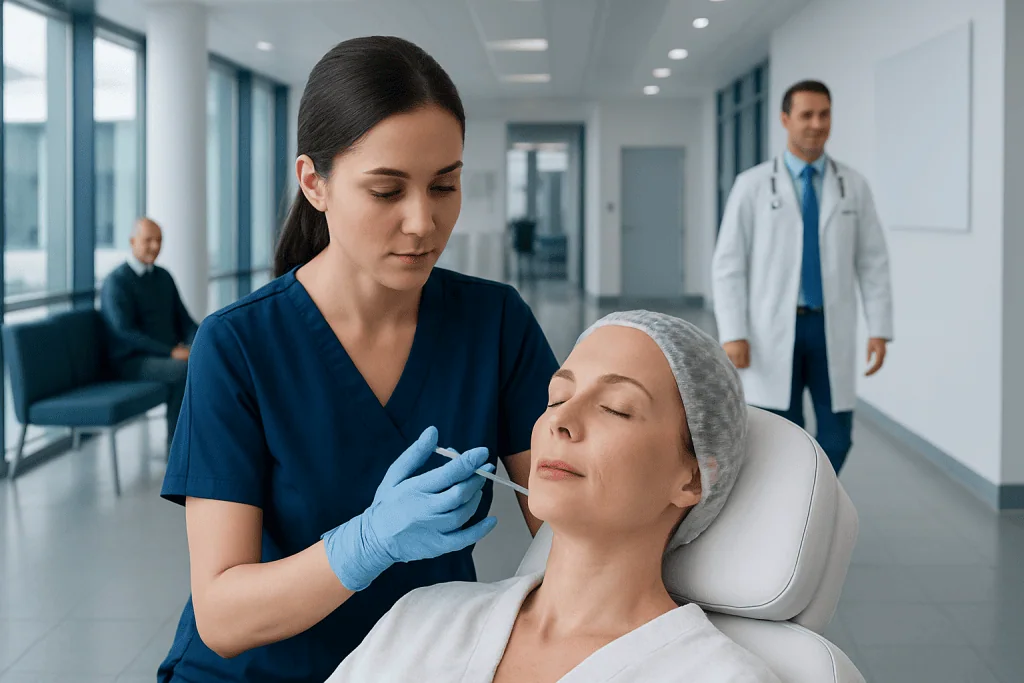
Mesotherapy involves multiple small injections into the skin using customized substances chosen for a specific goal. It is most commonly discussed for cosmetic uses such as skin quality, hair thinning, and localized fat, though evidence is stronger for some uses than others.
Key Takeaways
- Mesotherapy involves multiple small injections into the skin using customized substances chosen for a specific goal.
- It is most commonly discussed for cosmetic uses such as skin quality, hair thinning, and localized fat, though evidence is stronger for some uses than others.
- Treatment should be performed by a qualified medical professional because injection technique, sterility, and patient selection matter for safety.
- Common side effects include redness, swelling, bruising, and tenderness; rarer complications can include infection, allergic reactions, or uneven results.
- A medical evaluation helps determine whether mesotherapy is appropriate or whether better-studied alternatives may be more suitable.
Mesotherapy is a technique that uses a series of small injections placed into the middle layer of the skin for selected cosmetic or medical purposes. It may be used for concerns such as skin rejuvenation, localized fat reduction, hair thinning, or certain pain conditions, but results, safety, and supporting evidence vary by indication.
Overview: what mesotherapy is and what it is used for
Mesotherapy is a medical technique in which very small amounts of selected substances are injected into the mesoderm, the middle layer of the skin. In practice, the term often refers to a broad group of injection-based treatments rather than a single standardized procedure. Depending on the treatment goal, a clinician may use vitamins, amino acids, hyaluronic acid, plant extracts, medications, or other compounds. The exact formulation can vary from one clinic to another.
Patients most often ask about mesotherapy for cosmetic concerns. These can include skin hydration and texture, fine lines, dull skin, localized fat deposits, cellulite, and some forms of hair thinning. In some settings, mesotherapy is also used as part of pain management for musculoskeletal complaints, although this use may differ by country and medical practice. The likely benefit depends heavily on the condition being treated and the substance injected.
A helpful way to understand mesotherapy is to see it as a delivery method, not a diagnosis or a single medication. Because of that, outcomes are not the same for every person or every indication. For example, a patient exploring options for hair thinning may also need evaluation for hair loss, while someone concerned about body contour may benefit from discussing established liposuction or other evidence-based alternatives when appropriate.
How mesotherapy works
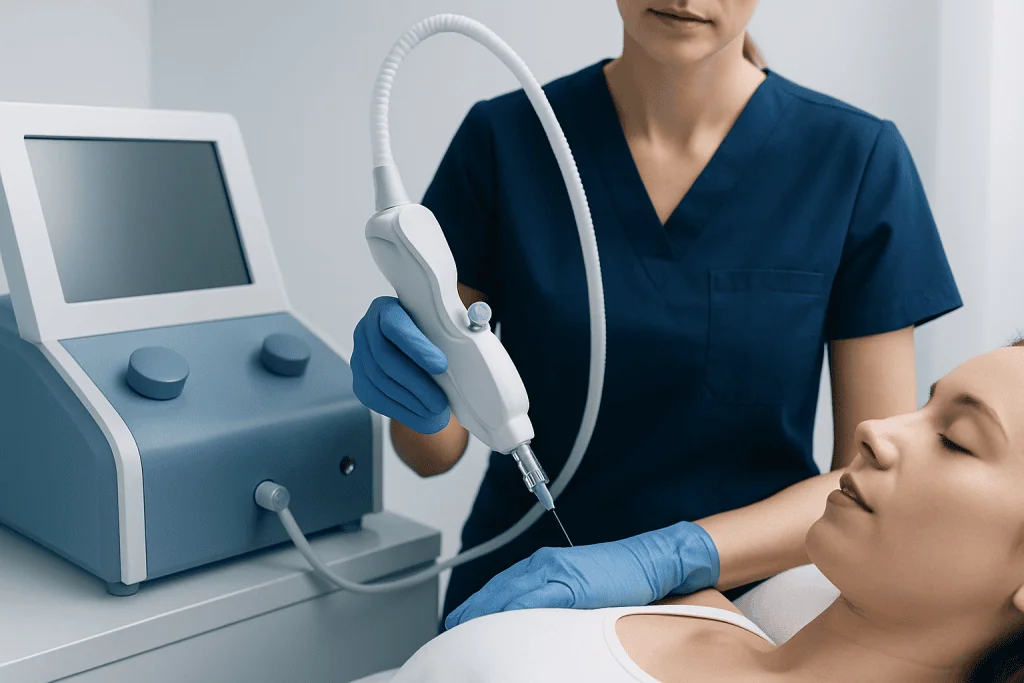
The main idea behind mesotherapy is localized delivery. By placing substances into or just under the skin, the treatment aims to act more directly on the target area than a cream or an oral supplement. In cosmetic practice, this may be intended to improve hydration, support skin texture, stimulate the scalp environment, or affect fat metabolism in a limited area. However, the exact biological mechanism is not always fully established for every formulation used.
The procedure itself is usually done in an outpatient setting. After the skin is cleaned, the clinician uses a fine needle or a mechanical injector to place multiple small injections into the selected area. Common treatment areas include the face, scalp, neck, abdomen, thighs, arms, and under-eye region. Sessions are usually spaced over time rather than performed once, because improvement, when it occurs, is often gradual.
What matters most medically is that mesotherapy is not one uniform protocol. The treatment depth, substances used, number of injections, and treatment schedule can all differ. This is one reason patients should ask detailed questions in advance about what will be injected, why it is being chosen, what evidence supports that choice, and what alternatives are available.
Common reasons patients consider mesotherapy

Interest in mesotherapy often starts with a visible concern that feels difficult to address with home care alone. In aesthetic medicine, common goals include brighter-looking skin, improved hydration, mild rejuvenation, and support for thinning hair. Some clinics also use it as part of programs for cellulite or localized fat, although patients should know that expectations need to be realistic and that body-shaping results are usually modest compared with established procedures.
For the scalp, mesotherapy may be offered to people with hair thinning as a supportive treatment. A doctor should first look for the underlying cause, because nutritional deficiencies, hormonal changes, stress-related shedding, and inherited pattern loss can require different treatment plans. Related options may include hair transplant in carefully selected patients, especially when hair loss is more advanced or permanent.
For the skin, mesotherapy is sometimes described as a way to refresh tired or dehydrated skin. Patients with acne scarring, deep wrinkles, or significant skin laxity may need a different approach, such as dermatology evaluation and treatment to choose the most appropriate method. A thorough consultation helps match the treatment to the problem instead of relying on broad claims.
- Skin hydration and texture support
- Scalp and hair-thinning support
- Localized fat or cellulite concerns
- Selected pain-related uses in some practices
Benefits, limitations, and who may be a good candidate
The potential advantages of mesotherapy are that it is minimally invasive, usually performed without general anesthesia, and often involves little downtime. For some patients, this makes it appealing as a step between topical products and more invasive procedures. When the indication is appropriate and the provider is experienced, treatment can be tailored to the person’s skin type, scalp condition, or cosmetic goals.
At the same time, mesotherapy has important limitations. The quality of evidence varies, especially for newer or customized mixtures. Not all products used in practice have the same level of clinical support, and treatment responses can be inconsistent. Patients should be cautious about promises of dramatic fat loss, permanent results, or guaranteed hair regrowth, because these claims are not medically reliable.
A good candidate is someone with clearly defined treatment goals, realistic expectations, and no medical reasons to avoid injections. A doctor may postpone or avoid mesotherapy in people who are pregnant, breastfeeding, have active skin infections, uncontrolled chronic disease, bleeding disorders, certain allergies, or a history of problematic scarring. For localized fat concerns, a patient may also want to compare mesotherapy with more established body-contouring options such as body contouring procedures after a proper assessment.
Risks, side effects, and safety considerations
Most side effects after mesotherapy are mild and temporary. These commonly include redness, swelling, tenderness, itching, bruising, and small bumps at injection sites. These effects often settle within a few days, depending on the area treated and the depth of injection. Some people notice temporary sensitivity or a feeling of tightness in the skin.
Less common but more important complications can occur. These include infection, allergic reaction, prolonged inflammation, changes in skin color, scarring, nodules, and uneven cosmetic results. If substances are not suitable for the person or are injected improperly, the risk rises. Safety depends not only on the product but also on sterile technique, accurate diagnosis, and the clinician’s understanding of anatomy.
Patients can lower risk by choosing a qualified medical professional and by discussing their full health history in advance. It is sensible to ask what product will be used, whether the treatment is evidence-based for the intended goal, what side effects are expected, and what aftercare is recommended. Anyone considering mesotherapy for a skin or scalp problem should also make sure the underlying condition has been properly diagnosed rather than assuming all cosmetic concerns can be treated the same way.
What happens before, during, and after treatment
Before treatment, the clinician usually reviews the patient’s medical history, medications, allergies, skin type, and treatment goals. Photographs may be taken for comparison over time. This consultation is an important step because it helps identify whether mesotherapy is appropriate or whether another treatment may be more suitable. A patch test or additional precautions may be considered if there is concern about sensitivity to ingredients.
During the session, the skin is cleaned carefully and multiple injections are placed into the target area. Some clinics use topical numbing cream, especially for sensitive areas such as the face or scalp. The procedure length depends on the treatment area, but many sessions are relatively short. Patients often return to their normal routine the same day, although they may be advised to avoid intense exercise, heat exposure, makeup, or touching the area for a short period.
After treatment, simple aftercare is usually recommended. This may include gentle cleansing, sun protection, and avoiding harsh skin products until irritation settles. Results, if they occur, generally build over several sessions rather than appearing immediately. If a patient experiences worsening redness, severe pain, drainage, fever, or a widespread rash, they should contact a doctor promptly because these signs may suggest a complication.
How doctors evaluate results and alternatives
One of the challenges with mesotherapy is that success can be subjective unless the treatment goal is clearly defined at the start. Doctors often assess progress with serial photographs, symptom review, physical examination, and the patient’s own goals. For hair-related concerns, scalp examination is important. For skin concerns, doctors look at hydration, texture, tone, and overall appearance rather than expecting one treatment to fix every issue.
If mesotherapy does not deliver the expected benefit, this does not necessarily mean the concern cannot be treated. It may mean the diagnosis needs to be refined or that another method is more appropriate. For example, a patient with persistent facial aging concerns may need a broader skin treatment plan, while someone with progressive hair thinning may require medical management of the underlying cause. In some cases, the most helpful next step is referral to a specialist in dermatology, plastic surgery, or another related field.
Near the end of the treatment journey, patients may benefit from care in a center with coordinated expertise. Acibadem International’s multidisciplinary specialists and JCI-accredited hospitals diagnose and treat cosmetic, dermatologic, and hair-related concerns for international patients when further evaluation is needed.
When to seek medical care
Mesotherapy should be discussed with a qualified doctor before treatment if the patient has a chronic medical condition, takes blood thinners, has a history of allergies, or is not sure whether the cosmetic concern might reflect an underlying disease. A pre-treatment evaluation is especially important for scalp hair loss, sudden skin changes, or painful lesions, because these issues may need diagnosis first rather than cosmetic treatment alone.
After the procedure, medical advice should be sought if there is severe or increasing pain, spreading redness, warmth, pus, fever, significant swelling, or signs of an allergic reaction such as hives or difficulty breathing. Persistent lumps, skin discoloration, or delayed healing also deserve professional review. If results are disappointing or uneven, a follow-up visit can help determine whether this is part of normal recovery or whether a complication or alternative diagnosis should be considered.
Frequently asked questions
Is mesotherapy the same as fillers or Botox?
No. Mesotherapy is a broad injection technique that may use different substances placed into the skin, while dermal fillers and botulinum toxin are distinct treatments with specific approved uses. The goals, depth of injection, and expected results are different.
Does mesotherapy work for hair loss?
It may help some patients as part of a broader plan, but it is not a universal solution for hair loss. The best approach depends on the cause, such as pattern hair loss, stress-related shedding, or nutritional deficiency. A medical evaluation is important before starting treatment.
How long do mesotherapy results last?
Duration varies by treatment goal, the product used, the area treated, and individual response. Some patients notice temporary improvement that needs maintenance sessions, while others may see limited benefit. Results are usually not considered permanent.
Is mesotherapy painful?
Most people describe it as mildly uncomfortable rather than severely painful. Because it involves many small injections, there can be brief stinging or tenderness during and after the session. Topical numbing cream may be used for sensitive areas.
What are the main side effects of mesotherapy?
The most common side effects are redness, swelling, bruising, and tenderness at the injection sites. These are usually short-lived. Less common but more serious problems include infection, allergic reaction, lumps, discoloration, or scarring.
Who should avoid mesotherapy?
It may not be suitable for people who are pregnant or breastfeeding, have active skin infections, uncontrolled illness, certain allergies, or bleeding problems. Suitability also depends on medications and the area being treated. A doctor should review the person’s health history first.
This article is for general information only and is not a substitute for professional medical advice. Please consult a qualified doctor about your individual situation.
Hair transplant in Turkey — costs, graft counts & a free assessment
JCI-accredited · board-certified surgeons · reply within 24h
Add us as a Preferred Source to see more of our trusted health content across Google Search, AI Overviews and Discover.

More from the Health Library

Big Poop: What Patients Need to Know

Castor Oil for Hair — Explained by Medical Evidence, Not Myths

Tardive Dyskinesia: An Evidence-Based Guide for Patients

Green Tea Matcha: A Complete Medical Overview

Hilum: What Patients Need to Know