Migraine Myths: What Headache Specialists Want Patients to Know

Migraine is a neurologic disorder, not just a severe headache. Migraine symptoms can include nausea, light sensitivity, visual changes, and difficulty concentrating.
Key Takeaways
- Migraine is a neurologic disorder, not just a severe headache.
- Migraine symptoms can include nausea, light sensitivity, visual changes, and difficulty concentrating.
- Triggers vary from person to person, and identifying patterns can help with prevention.
- Effective treatment may include lifestyle strategies, acute medicines, and preventive therapies.
- Frequent or disabling headaches should be assessed by a qualified doctor or headache specialist.
Many people still misunderstand migraine, which can lead to delayed diagnosis and unnecessary suffering. Understanding the facts can help patients recognize symptoms, avoid common myths, and seek appropriate care.
Overview: Why Migraine Is Often Misunderstood
Migraine is one of the most misunderstood health conditions. Many people think it is simply a bad headache, but specialists view it as a complex neurologic disorder that can affect pain pathways, sensory processing, digestion, mood, and daily functioning. For some people, head pain is the most obvious feature. For others, nausea, sensitivity to light or sound, fatigue, or visual symptoms may be just as disruptive.
Myths about migraine can prevent people from getting the right care. A person may dismiss symptoms, assume they should just push through, or believe that only certain kinds of people get migraine. In reality, migraine can affect children and adults, and symptoms can vary widely from one individual to another.
Another reason migraine is misunderstood is that attacks are often invisible. A person may look well from the outside while coping with intense pain, dizziness, sensory sensitivity, or trouble thinking clearly. Because symptoms can come and go, others may not realize how much migraine interferes with work, school, family life, and sleep.
Accurate information matters. When patients understand what migraine is, what it is not, and what treatments are available, they are more likely to recognize patterns, discuss symptoms clearly with a doctor, and find a management plan that fits their needs.
Common Migraine Myths and the Facts Behind Them
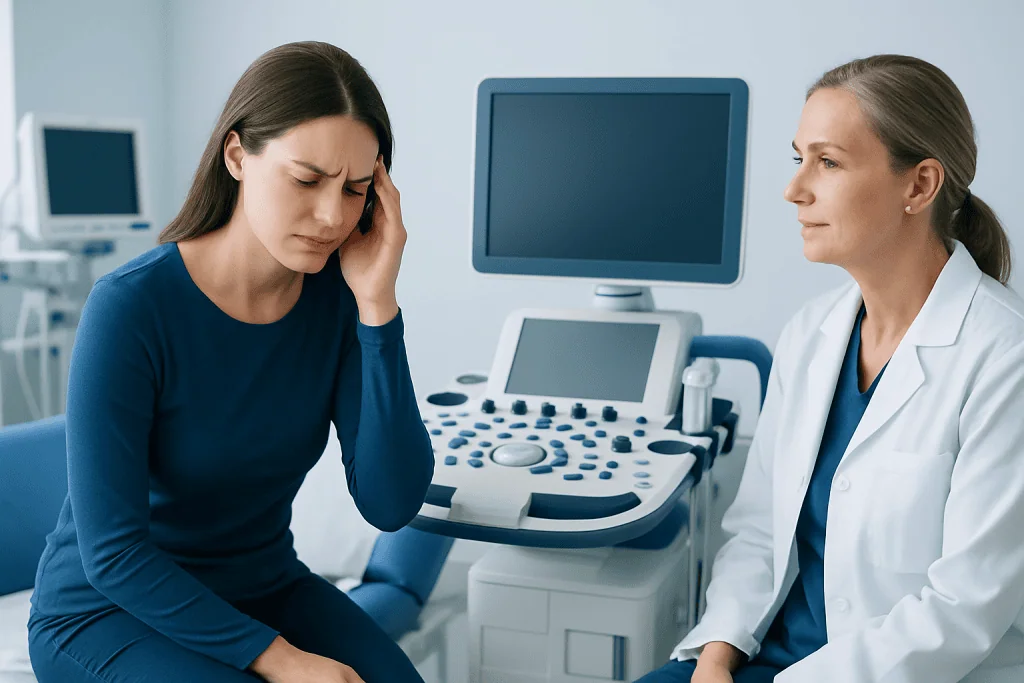
One common myth is that migraine is just a severe tension headache. In fact, migraine and other headache disorders are different conditions. Migraine often involves a combination of symptoms beyond pain, such as nausea, vomiting, sensitivity to light, sound, or smell, and worsening with routine activity. Some people also experience aura, which may include visual disturbances, tingling, or speech changes before or during an attack.
Another myth is that migraine only affects women. Migraine is more common in women, partly because hormonal changes can play a role, but men, teenagers, and children can also develop it. Symptoms may look different across age groups, and some people are not diagnosed for years because their pattern does not match common assumptions.
It is also untrue that all migraine is caused by stress. Stress can be a trigger for some people, but it is only one possible factor. Sleep changes, skipped meals, hormonal shifts, certain foods or drinks, dehydration, weather changes, strong odors, and sensory overload may also contribute. In many cases, migraine results from a combination of genetic susceptibility and environmental triggers.
Some people believe migraine is not serious unless imaging shows a problem. Most migraine attacks do not appear on routine brain scans, yet they are still very real and can be highly disabling. Diagnosis is usually based on medical history and symptom patterns rather than on a scan alone.
- Myth: Migraine is just a headache.
- Fact: It is a neurologic condition with many possible symptoms.
- Myth: Only women get migraine.
- Fact: People of all sexes and ages can be affected.
- Myth: Stress is the only cause.
- Fact: Migraine triggers are diverse and highly individual.
How Migraine Symptoms Can Appear

Migraine symptoms can change from one attack to another. The best-known symptom is moderate to severe head pain, often described as throbbing or pulsating. However, the pain may affect one side of the head, both sides, or shift locations. Some people feel pressure rather than throbbing, which is one reason migraine can be confused with other headache types.
Many patients have symptoms before the pain begins. These may include tiredness, mood changes, food cravings, neck discomfort, yawning, or difficulty concentrating. Some experience aura, such as flashing lights, zigzag lines, blind spots, numbness, or trouble finding words. Aura can be frightening, especially the first time it happens, so medical evaluation is important.
During the headache phase, people may become sensitive to light, sound, movement, or smells. Nausea and vomiting are also common. Routine tasks such as reading, driving, working at a screen, or climbing stairs may become difficult. After the attack, a person may feel exhausted, foggy, or unusually drained for hours or even longer.
Because symptoms overlap with other conditions, migraine may sometimes be confused with sinus headache, tension-type headache, or other neurologic problems. In some cases, a specialist may also consider related conditions such as migraine patterns or evaluate symptoms that overlap with other headache disorders. Careful history-taking helps distinguish between these possibilities.
Causes, Triggers, and Risk Factors
There is no single cause of migraine. Specialists generally understand migraine as a neurologic disorder influenced by genetics, brain chemistry, and changes in the nervous system. People with a family history of migraine are more likely to develop it, which helps explain why it often runs in families.
Triggers do not cause migraine in the same way that an infection causes illness, but they can make an attack more likely in someone who is already susceptible. Common triggers include poor sleep, too much or too little caffeine, dehydration, skipped meals, stress, sudden letdown after stress, hormonal changes, alcohol, bright lights, strong smells, and weather or pressure changes. Not every trigger affects every person, and a suspected trigger may only matter when combined with other factors.
Hormonal influences are especially important for some patients. Migraine may become more common around menstruation, pregnancy, perimenopause, or when starting or stopping certain hormonal medicines. This does not mean hormones are the only explanation, but they can strongly shape a person’s attack pattern.
Another important issue is medication overuse. Taking pain-relieving medicine too often for headache can sometimes make headaches more frequent over time. This does not mean patients should avoid treatment, but it does mean frequent headaches deserve medical review so that a safer, more effective plan can be developed.
How Headache Specialists Diagnose Migraine
Migraine is usually diagnosed through a detailed clinical evaluation. A doctor asks about the pattern of symptoms, how often attacks happen, how long they last, what the pain feels like, what other symptoms occur, and whether there are any warning signs. Family history, medication use, menstrual pattern, sleep, caffeine intake, and lifestyle factors may also be discussed.
A physical and neurologic examination helps the doctor look for signs that point toward migraine or another cause of headache. In many people with typical migraine symptoms and a normal examination, no special test is needed to confirm the diagnosis. Instead, the diagnosis is made by matching symptoms to established clinical criteria.
Sometimes imaging or other tests are recommended, especially if symptoms are new, unusual, rapidly changing, or accompanied by warning signs. Examples include a sudden severe headache, fever, weakness, confusion, seizures, a significant change in headache pattern, or headache after head injury. In those situations, tests help rule out other conditions rather than prove migraine itself.
Keeping a headache diary can be very helpful. Recording timing, symptoms, possible triggers, menstrual cycle information, and treatment response often gives the specialist a clearer picture. This can support a more accurate diagnosis and a more personalized treatment plan.
Treatment Options: More Than Just Pain Relief
Another common myth is that nothing truly helps migraine. In reality, many treatment options are available, and care is often most successful when it is individualized. Treatment usually includes two main approaches: acute treatment to stop or reduce an attack once it starts, and preventive treatment to reduce how often attacks occur or how severe they become.
Acute treatment may involve rest in a dark, quiet room, fluids, anti-nausea medicines, or migraine-specific medications prescribed by a doctor. Preventive treatment may be considered when attacks are frequent, long-lasting, or significantly disabling. Depending on the person’s health history, preventive options can include daily medicines, periodic injections, or other targeted therapies. For some patients with persistent or complex symptoms, a specialist may discuss advanced approaches such as neurology treatment or selected forms of pain management.
Non-drug strategies are also important. Regular sleep, hydration, consistent meals, stress management, exercise, limiting trigger exposure where possible, and reducing excessive reliance on pain medicines can all support better control. Patients often benefit from combining medical treatment with lifestyle measures rather than depending on one strategy alone.
If migraine is frequent or difficult to manage, referral to a specialist can be helpful. In some settings, doctors may also evaluate whether symptoms fit a broader neurologic picture and consider services such as brain and nerve care when needed for diagnosis of other conditions, although surgery is not a standard treatment for migraine itself.
Prevention, Self-care, and Daily Management
Prevention starts with understanding personal patterns. A headache diary can help patients notice links between attacks and sleep changes, dehydration, missed meals, hormonal shifts, stress, travel, or certain environments. The goal is not to avoid every possible trigger perfectly, which is often unrealistic, but to reduce the most consistent contributors where possible.
Daily habits can make a meaningful difference. Going to bed and waking up at regular times, drinking enough water, eating balanced meals on schedule, and taking breaks from screens may help reduce attacks in some people. Gentle, regular exercise can also support overall migraine control, although intense activity during an active attack may make symptoms worse.
Self-care also includes using medicines wisely. Taking acute medicines early in an attack may improve results, but frequent use without supervision can sometimes lead to medication-overuse headache. Patients who need treatment often, or who find that symptoms are increasingly hard to control, should speak with a doctor rather than simply increasing over-the-counter medicine.
Near the end of the care pathway, some patients seek structured support from multidisciplinary teams. Acibadem International’s multidisciplinary specialists and JCI-accredited hospitals diagnose and treat migraine and other headache disorders for international patients, with evaluation tailored to each person’s symptoms and medical history.
When to See a Doctor
Many people live with migraine for years before seeking help, especially if they have been told headaches are normal or stress-related. A doctor should be consulted when headaches are frequent, severe, disabling, or changing over time. Medical review is also important if over-the-counter medicines are needed often or no longer work well.
Urgent assessment is needed for warning signs such as a sudden explosive headache, headache with fever or stiff neck, new neurologic symptoms like weakness or confusion, a new headache after age 50, headache after a head injury, or a major change in an established pattern. These symptoms do not always mean something serious is present, but they deserve prompt evaluation.
Patients should also seek advice if headaches interfere with work, school, sleep, mood, or daily routines. Migraine is treatable, and support is available even when symptoms have been present for a long time. Early diagnosis can reduce uncertainty and help prevent unnecessary suffering.
A headache specialist can help confirm the diagnosis, review possible triggers, identify coexisting conditions, and create a plan for acute treatment and prevention. The most effective approach is one that is realistic, safe, and adapted to the patient’s own pattern of symptoms.
Frequently asked questions
Is migraine the same as a regular headache?
No. Migraine is a neurologic condition that often includes symptoms beyond head pain, such as nausea, light sensitivity, sound sensitivity, and sometimes visual or sensory changes. A regular headache may be uncomfortable, but migraine usually has a broader symptom pattern.
Can someone have migraine without aura?
Yes. Many people with migraine never experience aura. Aura is only one possible feature and is not required for a migraine diagnosis.
Do certain foods always trigger migraine?
Not always. Food triggers vary from person to person, and some suspected triggers may only matter in combination with other factors such as poor sleep, stress, or dehydration. A headache diary can help identify whether a food is a consistent trigger.
When should a person worry about a headache?
A person should seek urgent medical attention for a sudden severe headache, headache with fever or stiff neck, new weakness, confusion, seizure, or headache after a head injury. A doctor should also evaluate headaches that are frequent, worsening, or different from the usual pattern.
Can migraine be prevented?
In many cases, yes. Prevention may include regular sleep, hydration, consistent meals, stress management, exercise, and prescribed preventive treatments when needed. The right plan depends on how often attacks happen and how much they affect daily life.
Does stress cause all migraine attacks?
No. Stress is a common trigger, but it is not the only one. Migraine can also be influenced by genetics, hormonal changes, sleep disruption, dehydration, skipped meals, sensory triggers, and other factors.
References
- World Health Organization
- International Headache Society
- American Migraine Foundation
- National Institute of Neurological Disorders and Stroke
- Mayo Clinic
This article is for general information only and is not a substitute for professional medical advice. Please consult a qualified doctor about your individual situation.
Migraine in Turkey — costs, top hospitals & a free quote
JCI-accredited · board-certified surgeons · reply within 24h
Add us as a Preferred Source to see more of our trusted health content across Google Search, AI Overviews and Discover.