Mild Rosacea: An Evidence-Based Guide for Patients

Mild rosacea often begins with flushing and redness on the cheeks, nose, forehead, or chin. Common triggers include sunlight, heat, alcohol, spicy foods, stress, and irritating skin products.
Key Takeaways
- Mild rosacea often begins with flushing and redness on the cheeks, nose, forehead, or chin.
- Common triggers include sunlight, heat, alcohol, spicy foods, stress, and irritating skin products.
- Rosacea is not caused by poor hygiene and it is not contagious.
- Early evaluation can help confirm the diagnosis and prevent symptoms from becoming more persistent.
- Treatment may include skin care changes, sun protection, and prescription creams, gels, or other therapies.
Mild rosacea is a common long-term skin condition that usually causes easy flushing, persistent facial redness, and sometimes visible small blood vessels or acne-like bumps. In many people, symptoms can be improved with trigger awareness, gentle skin care, sun protection, and treatment recommended by a doctor.
Overview: what mild rosacea means
Mild rosacea is an early or less severe form of rosacea, a chronic inflammatory skin condition that most often affects the center of the face. It commonly appears as repeated flushing, lingering redness, visible fine blood vessels, or small sensitive bumps. Although symptoms may seem minor at first, they can still affect comfort, appearance, and confidence.
Rosacea can vary from person to person. Some people mainly notice easy blushing or warmth in the skin, while others develop dryness, stinging, or acne-like spots. “Mild” usually means the signs are limited in intensity or area, but it does not mean they should be ignored, especially if symptoms are becoming more frequent.
One important point for patients is that rosacea tends to come and go. Flares may be triggered by everyday factors such as sun exposure, hot weather, emotional stress, exercise, alcohol, or certain skin products. Learning these patterns often becomes a key part of control.
Mild rosacea is manageable for many people. A clinician can help distinguish it from acne, eczema, seborrheic dermatitis, lupus, or allergic reactions, and can advise on treatment that matches the skin type, symptoms, and lifestyle.
Symptoms and early signs to notice
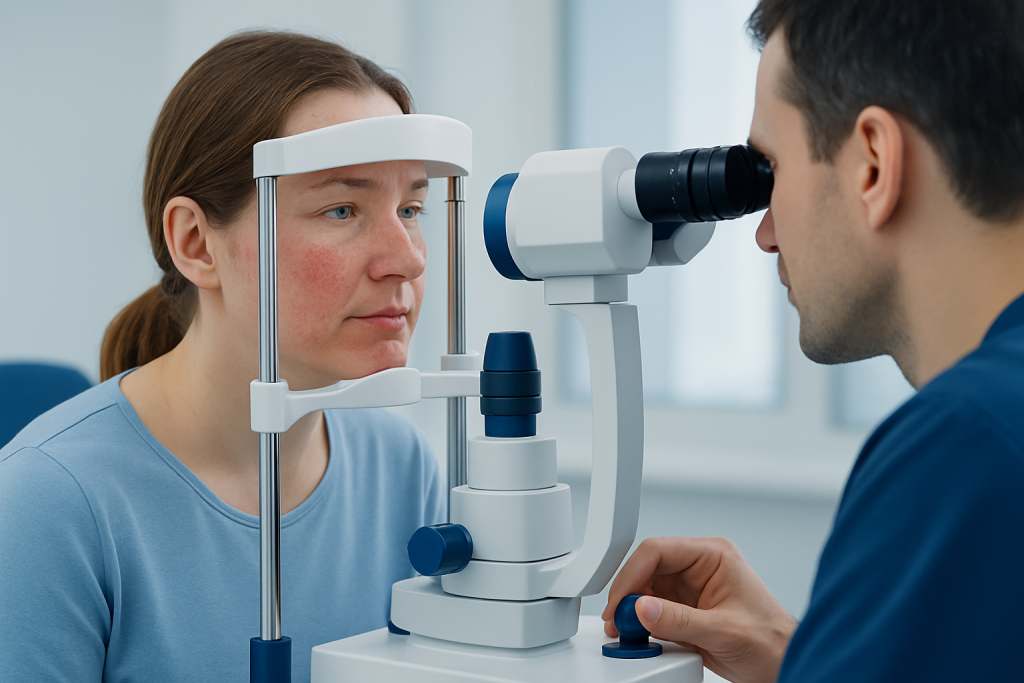
The most common early sign of mild rosacea is facial flushing that happens more easily than before. At first, the redness may fade after a trigger passes, but over time it can last longer and become more noticeable on the cheeks, nose, forehead, or chin.
People with mild rosacea may also notice sensitive skin. The face may burn, sting, itch, or feel unusually warm, especially after using exfoliants, fragranced cosmetics, or active ingredients that are otherwise well tolerated by non-sensitive skin. Dryness and roughness can happen at the same time as redness.
Some patients develop tiny visible blood vessels, called telangiectasias, near the surface of the skin. Others have small red bumps or pus-filled spots that resemble acne, but rosacea does not usually include blackheads. In some cases, the eyes can also feel dry, gritty, watery, or irritated.
- Frequent flushing or blushing
- Persistent central facial redness
- Visible small blood vessels
- Burning, stinging, or skin sensitivity
- Dry, rough, or easily irritated skin
- Acne-like bumps without typical blackheads
Why mild rosacea happens: causes and risk factors
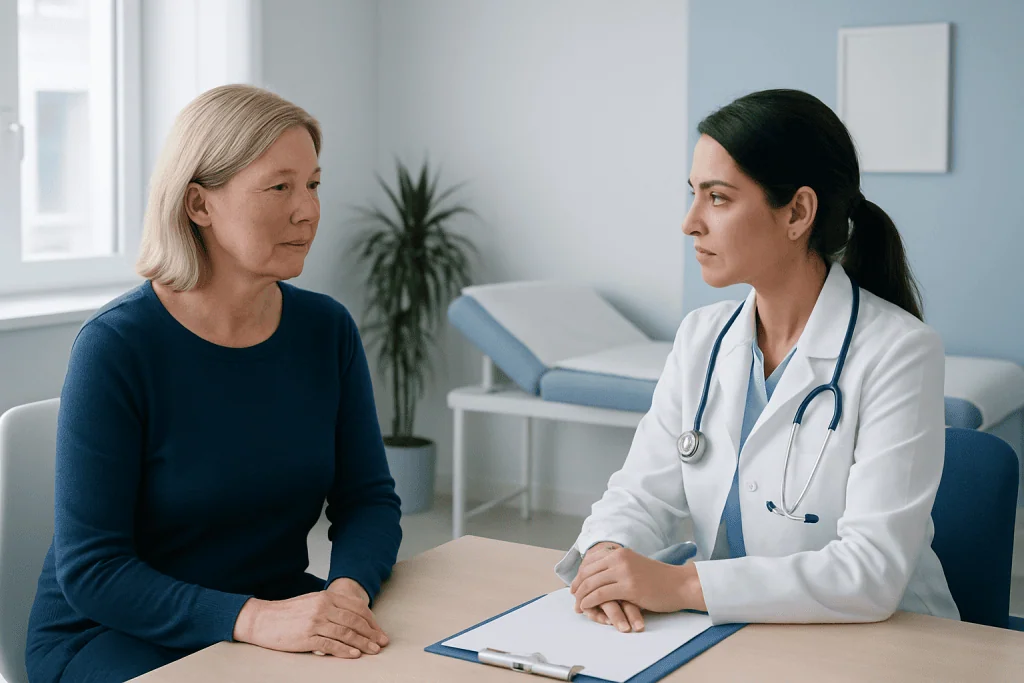
The exact cause of rosacea is not fully understood. Current evidence suggests it involves a combination of skin barrier dysfunction, changes in the immune response, overreactive blood vessels, and possibly microbes that normally live on the skin. In other words, rosacea is not caused by a single factor, and it is not a sign of poor cleanliness.
Rosacea often runs in families, which suggests a genetic tendency in some people. It is seen more often in adults and may be more noticeable in people with lighter skin tones, although it can affect any skin color. In darker skin tones, persistent flushing may be less obvious, while warmth, stinging, bumps, or uneven texture may stand out more.
Triggers do not cause rosacea by themselves, but they can provoke symptoms in people who are susceptible. Common triggers include ultraviolet exposure, high or low temperatures, wind, hot drinks, spicy foods, alcohol, emotional stress, strenuous exercise, and irritating cosmetics or skin care products.
Long-term use of steroid creams on the face can also worsen redness or create a rosacea-like picture in some people. Because several inflammatory skin conditions can look alike, a proper diagnosis matters before beginning treatment. Conditions such as acne or eczema may overlap in appearance but are managed differently.
How doctors diagnose mild rosacea
Rosacea is usually diagnosed clinically, meaning a doctor identifies it by listening to the history and examining the skin. There is no single blood test or scan that confirms rosacea in routine care. Instead, the pattern of redness, flushing, sensitivity, visible blood vessels, and bumps helps guide the diagnosis.
The doctor may ask when symptoms began, what makes them worse, which skin products are being used, and whether there are eye symptoms such as dryness or irritation. Photos of flares on a phone can be helpful because redness may vary from day to day.
In many cases, no special testing is needed. If the appearance is unclear, the clinician may consider other conditions such as acne, contact dermatitis, seborrheic dermatitis, lupus, or perioral dermatitis. Distinguishing these conditions is important because some treatments that help one problem may irritate another.
If the eyes are involved, an eye doctor may be recommended. Eye symptoms should not be dismissed because ocular rosacea can occur even when facial findings seem mild.
Treatment options for mild rosacea
Treatment for mild rosacea focuses on reducing redness, calming inflammation, protecting the skin barrier, and preventing flares. The first step is often to identify and reduce personal triggers. This does not mean avoiding every possible trigger forever, but rather learning which ones clearly affect the skin and finding practical ways to limit them.
Doctors often recommend a simple skin care routine. This usually includes a gentle cleanser, a non-irritating moisturizer, and broad-spectrum sunscreen used every day. For some patients, prescription topical treatments can help decrease redness or inflammatory bumps. Depending on symptoms, a dermatologist may discuss options within dermatology care or, for visible vessels and persistent redness, selected laser treatment approaches.
If bumps or inflammation are more noticeable, prescription creams, gels, or oral medicines may be considered. The choice depends on whether the main concern is flushing, background redness, papules and pustules, sensitivity, or eye symptoms. Treatment usually works best when combined with skin care changes rather than used alone.
For patients with significant eye irritation, a doctor may advise eyelid hygiene, artificial tears, or further evaluation in ophthalmology. In more persistent or complicated cases, assessment by a skin specialist helps tailor treatment and avoid products that can worsen the condition.
Daily skin care, trigger control, and self-care
Self-care is a central part of managing mild rosacea. Because the skin barrier is often sensitive, a “less is more” approach is usually best. Fragrance-free, alcohol-free, and non-abrasive products are often easier to tolerate than complicated routines with multiple active ingredients.
Sun protection is especially important because ultraviolet light is a common trigger. A broad-spectrum sunscreen with good daily tolerability, along with hats and shade when possible, can help reduce flares. People who react to some sunscreens may need to try alternatives to find one that feels comfortable on sensitive skin.
Patients may benefit from keeping a symptom diary for a few weeks. This can reveal patterns related to weather, exercise, hot drinks, spicy foods, alcohol, or stress. Trigger control should be realistic and individualized rather than overly restrictive.
- Wash with lukewarm, not hot, water
- Choose gentle cleansers and moisturizers
- Avoid scrubs, harsh exfoliants, and fragranced products
- Use sunscreen consistently
- Test new products on a small area first
- Manage stress and overheating when possible
When to seek medical care
Mild rosacea is not usually an emergency, but medical advice is helpful if redness keeps returning, becomes more persistent, or starts to interfere with daily life. Early care can improve comfort, clarify the diagnosis, and reduce the chance of long-term visible changes.
A person should arrange a medical review if over-the-counter products sting or worsen the face, if acne-like bumps continue despite gentle care, or if there is uncertainty about whether the problem is rosacea at all. A clinician can also advise on safer product choices and prescription options.
Prompt assessment is especially important if the eyes feel dry, painful, gritty, light-sensitive, or blurry. Eye symptoms may suggest ocular rosacea and should not be treated as a cosmetic concern. Medical advice is also needed if the skin thickens, the nose changes shape, or symptoms spread and intensify.
Near the end of the care pathway, some patients may choose specialist evaluation for persistent symptoms. Acibadem International’s multidisciplinary specialists and JCI-accredited hospitals diagnose and treat rosacea and related skin concerns for international patients when expert assessment is needed.
Frequently asked questions
Can mild rosacea go away on its own?
Mild rosacea may improve for periods of time, especially when triggers are avoided, but it usually does not disappear permanently without some form of management. Because it is a chronic condition, symptoms often come and go over time.
What does mild rosacea look like?
It often looks like easy flushing or persistent redness on the cheeks, nose, forehead, or chin. Some people also develop visible tiny blood vessels, sensitivity, dryness, or small acne-like bumps.
Is mild rosacea the same as acne?
No. Rosacea can cause bumps that resemble acne, but it usually does not cause blackheads and is often associated with flushing, persistent redness, and skin sensitivity. A doctor can help tell the difference because treatment approaches are not the same.
What are the most common triggers for mild rosacea?
Common triggers include sunlight, heat, wind, spicy foods, hot drinks, alcohol, stress, and some skin care or cosmetic products. Triggers vary between individuals, so keeping a symptom diary can be useful.
Can makeup or skin care make mild rosacea worse?
Yes. Fragrances, alcohol-based products, harsh exfoliants, and strong active ingredients can irritate sensitive skin and trigger flares. Gentle, non-irritating products are usually better tolerated.
When should someone with mild rosacea see a doctor?
A medical review is a good idea if redness keeps returning, symptoms are worsening, the diagnosis is uncertain, or over-the-counter products are not helping. Eye irritation, blurred vision, or significant skin changes should be assessed promptly.
This article is for general information only and is not a substitute for professional medical advice. Please consult a qualified doctor about your individual situation.
Rosacea in Turkey — costs, top hospitals & a free quote
JCI-accredited · board-certified surgeons · reply within 24h
Add us as a Preferred Source to see more of our trusted health content across Google Search, AI Overviews and Discover.

More from the Health Library

Rectum — Explained by Medical Evidence, Not Myths

Cedar Point Dragster Height: What Patients Need to Know

Adrenaline Junkie — Explained by Medical Evidence, Not Myths

Hair Care: What Patients Need to Know
At Home Blood Type Test: What Patients Need to Know