Milieu Therapy: Early Signs, Risk Factors, and How It Is Treated

Milieu therapy is not a single procedure or medication; it is a therapeutic treatment setting. It uses structure, routines, boundaries, and supportive relationships to promote recovery.
Key Takeaways
- Milieu therapy is not a single procedure or medication; it is a therapeutic treatment setting.
- It uses structure, routines, boundaries, and supportive relationships to promote recovery.
- It is often part of care for people with significant mental health symptoms or behavioral difficulties.
- Milieu therapy usually works best when combined with psychotherapy, medication, and family support when appropriate.
- The need for treatment depends on the underlying mental health condition rather than on milieu therapy itself.
Milieu therapy is a mental health treatment approach that uses a safe, structured, and supportive environment as part of care. It is commonly used in inpatient or residential settings to help people build coping skills, improve behavior, and support recovery alongside other treatments.
Overview: What milieu therapy is
Milieu therapy is a form of mental health treatment in which the person’s everyday surroundings are carefully organized to support healing, safety, and emotional stability. Rather than focusing only on one counseling session at a time, this approach uses the full treatment environment—daily routines, social interactions, clear expectations, and therapeutic support—as part of care. In simple terms, the environment itself becomes a structured tool for recovery.
Milieu therapy is most often used in psychiatric hospitals, residential programs, and some specialized outpatient settings. It may help children, adolescents, adults, or older adults depending on the condition being treated. The goal is to create a setting where patients can practice communication, self-control, problem-solving, and coping skills in real time, with guidance from trained professionals.
This approach is not a diagnosis and does not have “early signs” in the same way a disease does. Instead, doctors may recommend a milieu-based program when a person’s symptoms, behaviors, or level of distress suggest that a more structured therapeutic environment is needed. It can be used as part of care for conditions such as depression, anxiety disorders, trauma-related conditions, psychotic disorders, substance-related problems, eating disorders, or severe behavioral dysregulation.
Who may benefit and what concerns may lead to it
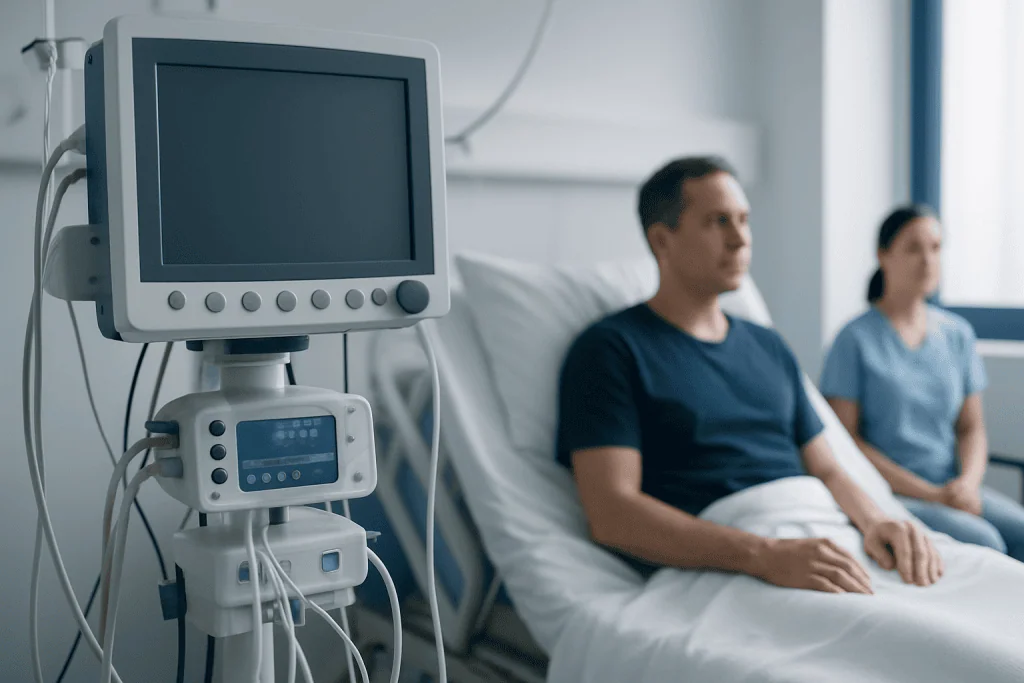
Because milieu therapy is a treatment model rather than an illness, the reasons for considering it depend on the person’s underlying mental health needs. A clinician may recommend it when symptoms begin to interfere with safety, daily functioning, relationships, school, or work. The approach can be especially helpful when a person needs more support than ordinary outpatient visits can provide.
Common concerns that may lead to a structured therapeutic setting include marked mood changes, severe anxiety, impulsive behavior, aggression, social withdrawal, poor self-care, difficulty following daily routines, or repeated emotional crises. In some cases, a person may struggle to use coping skills outside a supervised setting, making a therapeutic environment useful for stabilization and skill-building.
Milieu therapy is often considered when there is a need for consistent observation, predictable routines, and coordinated teamwork. This may happen during recovery from a severe episode of mental illness or while adjusting a treatment plan. For some patients, the setting provides a bridge between crisis care and long-term outpatient follow-up.
How milieu therapy works in practice

The core idea of milieu therapy is that healing can be supported through daily life, not only through formal therapy sessions. The treatment environment is designed to be safe, respectful, and consistent. Patients usually follow a daily schedule that may include meals, personal care, group activities, individual therapy, recreation, education, and time for rest. Predictability can reduce stress and help patients feel more secure.
Relationships are also central to this approach. Staff members model calm communication, set clear boundaries, and encourage responsibility in age-appropriate and clinically appropriate ways. Patients learn by participating in the community around them, receiving feedback, and practicing healthier ways of responding to emotions and conflict.
Programs often include a combination of therapeutic elements such as
- structured routines and clearly defined expectations
- group therapy and social skills practice
- individual psychotherapy
- family involvement when appropriate
- behavioral reinforcement and problem-solving support
- medication management if needed
Milieu therapy is not meant to replace standard psychiatric care. Instead, it strengthens treatment by giving patients repeated opportunities to apply what they are learning. In many settings, it works alongside psychiatric care and other therapies tailored to the person’s diagnosis and needs.
Conditions commonly treated in a milieu setting
Milieu therapy may be used for a wide range of psychiatric and behavioral conditions. The exact plan depends on the person’s age, diagnosis, symptom severity, and safety needs. In some cases, the approach is used for short-term stabilization; in others, it is part of longer rehabilitation and recovery.
Examples of conditions or presentations that may be managed in a milieu-based setting include severe mood disorders, psychotic disorders, trauma-related symptoms, personality-related difficulties, disruptive behaviors in children or adolescents, and substance use recovery support. It may also be used when someone has repeated crises, self-harm risk, or major difficulty functioning independently.
For example, a person with bipolar disorder may need a structured environment during an acute mood episode, while someone with schizophrenia may benefit from support with reality testing, routine, and social functioning. Some patients also receive concurrent psychological support to help them process thoughts, emotions, and behavior patterns more deeply.
Assessment, diagnosis, and care planning
There is no test that diagnoses “need for milieu therapy” by itself. Instead, healthcare professionals first assess the underlying mental health condition and the level of support required. This usually involves a detailed clinical interview, review of symptoms, mental status examination, medical history, medication review, and discussion of safety concerns. Family members or caregivers may also provide helpful information when appropriate.
The treatment team may include psychiatrists, psychologists, nurses, social workers, occupational therapists, and other mental health professionals. Together, they evaluate how symptoms affect the person’s judgment, behavior, sleep, appetite, relationships, and ability to manage daily life. They also consider whether outpatient treatment is enough or whether a more structured setting would offer better support.
Based on this assessment, the team creates an individualized care plan. Goals may include emotional stabilization, safer behavior, improved coping skills, medication adjustment, better sleep and self-care, or preparation for a return to home, school, or work. Progress is reviewed regularly so the plan can be adjusted as the person’s needs change.
Treatment options used alongside milieu therapy
Milieu therapy is usually one part of a broader mental health treatment plan. Most patients benefit from a combination of therapies rather than relying on the environment alone. The exact combination depends on the diagnosis, symptom severity, and personal goals.
Additional treatments may include individual psychotherapy, group therapy, family therapy, occupational or recreational therapy, and medication when indicated. For some people, supportive education about symptoms, stress management, sleep habits, and relapse prevention is also important. If there are medical or neurological concerns, doctors may recommend further evaluation to rule out other causes of behavioral or emotional changes.
In more complex cases, care may involve specialized services such as neurological evaluation when symptoms overlap with brain or nervous system conditions, or coordinated psychiatric follow-up after discharge. Near the end of treatment, the team typically develops a transition plan that includes outpatient care, medications if prescribed, crisis planning, and practical support for daily life.
Acibadem International’s multidisciplinary specialists and JCI-accredited hospitals diagnose and treat mental health conditions for international patients, including those who may benefit from structured therapeutic programs as part of comprehensive care.
What patients and families can do to support recovery
Families and caregivers can play an important role in recovery, especially when they understand the purpose of a structured therapeutic setting. Supportive involvement may include attending family meetings, learning about the diagnosis, encouraging treatment participation, and helping maintain routines after discharge. A calm, consistent home environment can reinforce the progress made during treatment.
Patients often do best when they actively engage with the program. This may mean participating in group sessions, following the daily schedule, practicing coping techniques, and being honest about symptoms or side effects. Recovery is rarely perfectly linear, so setbacks should be viewed as signals to adjust support rather than as failures.
Healthy habits can also strengthen long-term outcomes. These may include regular sleep, balanced meals, movement appropriate to the person’s health, reduced substance use, stress management, and ongoing follow-up with mental health professionals. Self-care does not replace treatment, but it can support emotional stability and resilience.
When to seek medical care
A person should seek professional mental health care when emotional or behavioral symptoms are persistent, worsening, or interfering with everyday life. This includes changes in mood, thinking, behavior, sleep, or social functioning that make it difficult to manage at home, school, or work. Early assessment can help identify the cause and guide the right level of support.
Urgent medical attention is especially important if there are thoughts of self-harm, suicidal thinking, threats toward others, severe confusion, hallucinations, extreme agitation, inability to care for basic needs, or sudden major changes in behavior. In these situations, emergency services or immediate psychiatric evaluation may be necessary.
Even when symptoms are not an emergency, it is wise to speak with a qualified doctor or mental health professional if there is concern about safety, repeated crises, medication difficulties, or decline in daily functioning. Timely support can reduce complications and help the person move toward a more stable recovery.
Frequently asked questions
Is milieu therapy a treatment or a diagnosis?
Milieu therapy is a treatment approach, not a diagnosis. It refers to a structured therapeutic environment used to support people with mental health or behavioral difficulties.
Where is milieu therapy usually provided?
It is most commonly provided in inpatient psychiatric units, residential treatment centers, and some specialized day or outpatient programs. These settings can offer close supervision, routine, and coordinated multidisciplinary care.
Who can benefit from milieu therapy?
People who need more structure and support than standard outpatient care can often benefit. This may include individuals with severe mood symptoms, psychosis, trauma-related problems, behavioral dysregulation, or repeated emotional crises.
Does milieu therapy replace medication or psychotherapy?
Usually, no. Milieu therapy is typically combined with psychotherapy, medication when needed, and other supportive treatments to address the underlying condition more fully.
How long does milieu therapy last?
The duration varies depending on the person’s diagnosis, symptom severity, safety needs, and progress. Some people need short-term stabilization, while others benefit from a longer structured program.
Can children and teenagers receive milieu therapy?
Yes, children and adolescents may receive milieu-based care in age-appropriate settings. Programs are usually adapted to developmental needs and often involve family participation.
What is the main goal of milieu therapy?
Its main goal is to create a safe, consistent environment where patients can stabilize symptoms and practice healthier ways of coping, communicating, and functioning. The wider aim is to support recovery and make the transition back to daily life safer and more manageable.
References
- World Health Organization
- National Institute of Mental Health
- American Psychiatric Association
- Substance Abuse and Mental Health Services Administration
- National Alliance on Mental Illness
This article is for general information only and is not a substitute for professional medical advice. Please consult a qualified doctor about your individual situation.
Explore treatments in Turkey — costs, top hospitals & a free quote
JCI-accredited · board-certified surgeons · reply within 24h
Add us as a Preferred Source to see more of our trusted health content across Google Search, AI Overviews and Discover.