Miscarriage: A Complete Medical Overview

Miscarriage most often happens in the first trimester and is commonly linked to chromosomal changes in the embryo. Typical symptoms include vaginal bleeding, cramping, and passage of tissue, but some miscarriages are found only on ultrasound.
Key Takeaways
- Miscarriage most often happens in the first trimester and is commonly linked to chromosomal changes in the embryo.
- Typical symptoms include vaginal bleeding, cramping, and passage of tissue, but some miscarriages are found only on ultrasound.
- Diagnosis may involve pelvic examination, ultrasound, and blood tests to confirm whether a pregnancy is continuing or has ended.
- Treatment depends on the situation and may include watchful waiting, medication, or a procedure to empty the uterus.
- Urgent medical care is needed for heavy bleeding, severe pain, fever, fainting, or suspected ectopic pregnancy.
Miscarriage is the loss of a pregnancy before 20 weeks, most often in the first trimester. It is common, usually not caused by anything the pregnant person did, and should be medically assessed when bleeding, pain, or tissue passage occurs.
Overview
Miscarriage is the medical term for the loss of a pregnancy before 20 weeks. It most often occurs in the first trimester, and in many cases it happens because the embryo was not developing normally. Although it can be physically and emotionally difficult, miscarriage is common and usually does not mean a person cannot have a healthy pregnancy in the future.
Many people worry that exercise, work, stress, or sex caused the loss. In most cases, that is not true. The most frequent cause is a random chromosomal problem that happens at conception and cannot be prevented.
Miscarriage is not one single event. Doctors may use different terms depending on what is happening, such as threatened miscarriage, missed miscarriage, inevitable miscarriage, incomplete miscarriage, or complete miscarriage. Pregnancy loss can also sometimes be related to other conditions, including ectopic pregnancy, which needs prompt medical attention because it is not managed the same way as a miscarriage inside the uterus.
Symptoms and what they may feel like
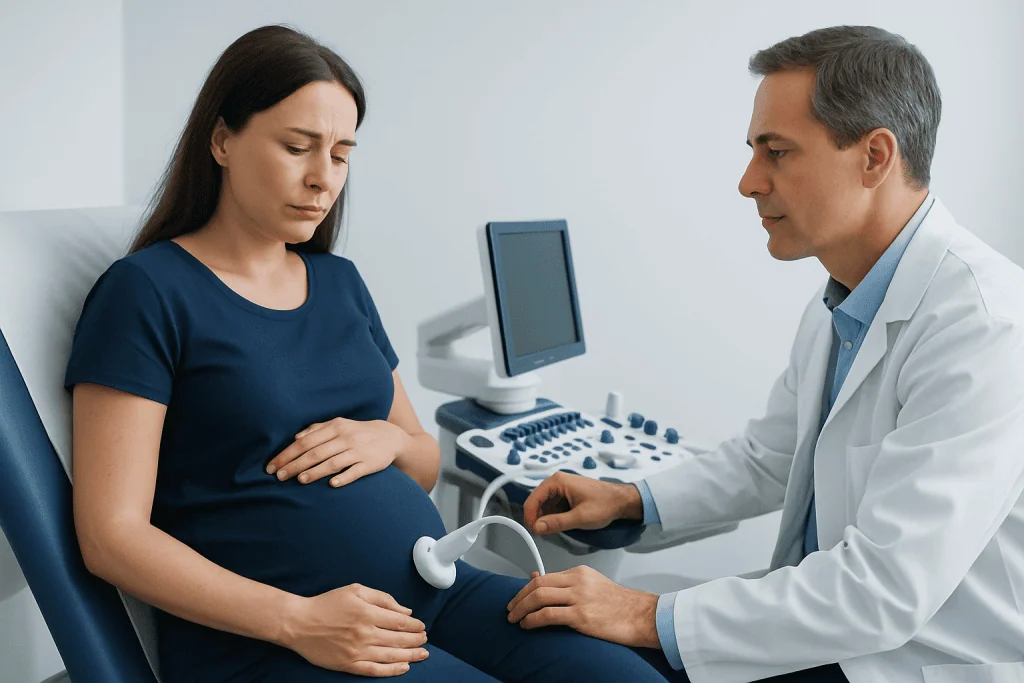
The most common symptoms of miscarriage are vaginal bleeding and lower abdominal or pelvic cramping. Bleeding can range from light spotting to heavier flow with clots. Some people also notice lower back pain or the passage of grayish or pink tissue.
Symptoms are not always straightforward. Light bleeding in early pregnancy can happen without miscarriage, and some miscarriages cause very few symptoms at first. A missed miscarriage may be discovered during an ultrasound when the pregnancy is no longer developing, even though bleeding and pain have not yet started.
Possible signs include:
- Vaginal spotting or bleeding
- Cramping or pain in the lower abdomen
- Back pain or pelvic pressure
- Passage of clots or tissue from the vagina
- A sudden decrease in pregnancy symptoms, such as breast tenderness or nausea, in some cases
Because bleeding in pregnancy has several possible causes, symptoms should be evaluated by a qualified clinician. Heavy bleeding, one-sided pain, dizziness, or shoulder pain can suggest another urgent condition and should not be ignored.
Causes and risk factors

Most first-trimester miscarriages happen because of chromosomal abnormalities in the embryo. These genetic changes usually occur by chance and are not caused by something the pregnant person did or did not do. This is why a single miscarriage is often considered an unfortunate but common biological event rather than a sign of an ongoing health problem.
Other possible causes include structural problems of the uterus, certain hormone disorders, uncontrolled chronic medical conditions, infections in specific situations, and immune or clotting disorders in selected cases. In later pregnancy loss, causes can differ and may include cervical weakness or placental problems. Some people with repeated losses may need evaluation for recurrent pregnancy loss or fertility-related concerns.
Factors that can increase risk include:
- Higher maternal age
- Previous miscarriage, especially repeated losses
- Uncontrolled diabetes or thyroid disease
- Smoking, heavy alcohol use, or illicit drug use
- Obesity in some cases
- Certain uterine abnormalities or fibroids that distort the uterine cavity
Having a risk factor does not mean miscarriage will occur, and many people who miscarry have no known risk factors at all. A doctor can help decide whether further testing is needed based on the pregnancy history and overall health.
How miscarriage is diagnosed
Diagnosis starts with a review of symptoms, pregnancy dates, and past medical history. A clinician may perform a pelvic examination to assess bleeding and check whether the cervix is closed or open. This helps guide the next steps, but it does not usually provide a complete answer on its own.
Ultrasound is one of the main tools used to confirm whether a pregnancy is developing normally. In early pregnancy, ultrasound can show the gestational sac, yolk sac, embryo, and heartbeat at expected stages. If findings are uncertain, a repeat scan after several days may be needed rather than making a diagnosis too early.
Blood tests may include serial hCG measurements and, in some cases, a blood type test. These tests can help show whether the pregnancy hormone is rising as expected and whether anti-D immunoglobulin may be needed for some Rh-negative patients. The doctor may also look for other causes of bleeding, including ectopic pregnancy, which can be serious.
When miscarriages happen more than once, additional evaluation may be recommended. Depending on the history, this may include genetic testing, hormonal testing, imaging of the uterus, or referral for fertility evaluation and IVF-related care if conception or recurrent loss is part of a broader reproductive health concern.
Treatment options and what recovery involves
Treatment depends on the type of miscarriage, the amount of bleeding, whether tissue has already passed, and the person’s preferences and medical condition. In some cases, no immediate intervention is needed because the body completes the process naturally. In others, medication or a procedure is the safer or more effective option.
Expectant management, often called watchful waiting, allows the tissue to pass on its own over time. Medication management uses drugs that help the uterus empty. Surgical management, such as dilation and curettage or vacuum aspiration, may be advised for heavy bleeding, infection, retained tissue, or patient preference; this may be discussed as dilation and curettage when appropriate.
After a miscarriage, cramping and bleeding can continue for days to a couple of weeks, depending on the treatment method. Recovery plans usually include guidance on pain relief, signs of complications, and timing for follow-up. If there is concern about retained tissue or prolonged bleeding, doctors may use ultrasound and sometimes hysteroscopy in selected situations to assess the uterine cavity.
Emotional recovery matters as much as physical recovery. People may feel sadness, guilt, anger, numbness, or relief, and all of these responses can be normal. Support from a partner, family, counselor, or pregnancy-loss support group can be helpful, especially if symptoms of anxiety or depression are persistent.
Prevention, future pregnancy, and self-care
Many miscarriages cannot be prevented because they are caused by random chromosomal changes. Even so, healthy pregnancy planning can support overall reproductive health. This includes managing chronic conditions before conception, taking folic acid as advised, avoiding smoking and alcohol, and discussing any medicines with a doctor before or during pregnancy.
People who have had one miscarriage often go on to have healthy pregnancies. A single miscarriage usually does not require extensive testing. However, repeated losses, infertility, or known uterine problems may call for a more detailed assessment, sometimes including laparoscopy or other gynecologic evaluation when a structural cause is suspected.
During physical recovery, general self-care may include rest, hydration, using sanitary pads instead of tampons for a period if advised, and avoiding intercourse until bleeding and discomfort have improved or a doctor says it is safe. It is important to follow the care instructions given after medication or a procedure, because advice can differ from person to person.
Many people also want to know when they can try again. The answer varies, but future pregnancy attempts are usually guided by physical recovery, emotional readiness, and the doctor’s advice based on the cause of the loss and any treatment received.
When to seek medical care
Any bleeding or significant cramping during pregnancy should be discussed with a healthcare professional. While not all bleeding means miscarriage, medical assessment helps confirm the cause and check whether urgent treatment is needed. Early evaluation is especially important if the pregnancy location has not yet been confirmed on ultrasound.
Urgent or emergency care is needed if there is very heavy bleeding, severe or worsening abdominal pain, fainting, dizziness, fever, chills, bad-smelling vaginal discharge, or one-sided pelvic pain. These symptoms can suggest heavy blood loss, infection, or an ectopic pregnancy.
Patients should also arrange follow-up if bleeding continues longer than expected, pregnancy symptoms persist after a confirmed loss, or they have had more than one miscarriage. Multidisciplinary specialists at Acibadem International and its JCI-accredited hospitals diagnose and treat miscarriage and related reproductive conditions for international patients.
Frequently asked questions
What is the difference between miscarriage and stillbirth?
Miscarriage refers to pregnancy loss before 20 weeks. Stillbirth generally refers to pregnancy loss at 20 weeks or later, though exact definitions can vary by country and clinical guideline.
Can a person have a miscarriage and not know it right away?
Yes. A missed miscarriage can happen when the pregnancy stops developing but bleeding or cramping has not started yet. It is often discovered during a routine ultrasound or when expected pregnancy growth is not seen.
Does bleeding in early pregnancy always mean miscarriage?
No. Light bleeding or spotting can occur in early pregnancy for several reasons and does not always mean the pregnancy will be lost. Because bleeding can also signal miscarriage or ectopic pregnancy, it should still be assessed by a healthcare professional.
How long does bleeding last after a miscarriage?
Bleeding can last from several days to around two weeks, depending on whether the miscarriage resolves naturally, with medication, or after a procedure. If bleeding becomes very heavy, lasts longer than expected, or is accompanied by fever or severe pain, medical review is needed.
When should testing be done after miscarriage?
After one miscarriage, extensive testing is not always necessary because a single loss is often due to random chromosomal changes. Testing is more commonly considered after repeated miscarriages, later pregnancy losses, or when there are signs of an underlying medical issue.
Can someone get pregnant again after a miscarriage?
Many people become pregnant again and go on to have a healthy baby after a miscarriage. The best timing for trying again depends on physical recovery, emotional readiness, and medical advice based on the cause of the loss and any treatment received.
References
- American College of Obstetricians and Gynecologists
- National Institute for Health and Care Excellence
- World Health Organization
- Royal College of Obstetricians and Gynaecologists
This article is for general information only and is not a substitute for professional medical advice. Please consult a qualified doctor about your individual situation.
Explore treatments in Turkey — costs, top hospitals & a free quote
JCI-accredited · board-certified surgeons · reply within 24h
Add us as a Preferred Source to see more of our trusted health content across Google Search, AI Overviews and Discover.

More from the Health Library



Related Specialists

Dr. Mehmet Bilhan Hayırlıoğlu
Anesthesiology
Dr. Yeliz Kantürk
Otorhinolaryngology
Assoc. Prof. Dr. Mustafa Taş
Gynecology & Obstetrics
Dr. Hafsa Hicret Bülbül Göktaş
Neurology