Mommy makeover Before & After: What Realistic Results Look Like
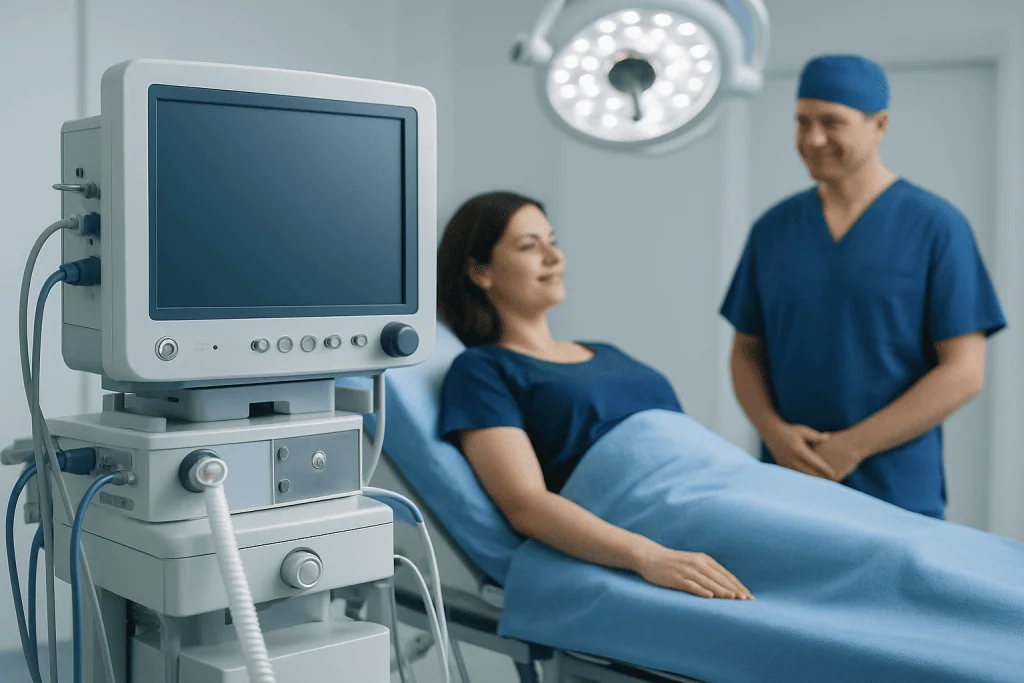
A mommy makeover is a tailored combination of plastic surgery procedures rather than one standard operation. Before-and-after images are most useful when they show patients with a similar body shape, concerns and procedure plan.
Key Takeaways
- A mommy makeover is a tailored combination of plastic surgery procedures rather than one standard operation.
- Before-and-after images are most useful when they show patients with a similar body shape, concerns and procedure plan.
- Early postoperative appearance is affected by swelling, bruising, incision healing and changes in sensation.
- Stable weight, completed pregnancies where possible, good overall health and realistic goals support safer planning and lasting results.
- Final contours often take several months to develop, while scars can continue to fade and mature for up to a year or longer.
Mommy makeover before and after results usually show improved breast and abdominal contour, but they are not immediate and should not be expected to create a different body or guarantee a specific clothing size. The most realistic outcome is a personalized improvement in areas changed by pregnancy, weight fluctuation and aging after swelling settles and scars mature.
What Mommy Makeover Before and After Results Can Realistically Show
Mommy makeover before and after photographs may show changes in the breasts, abdomen, waist, buttocks or other areas affected by pregnancy. However, they should be understood as examples of individual surgical plans and healing responses, not as a promise that another person will achieve the same result. Skin quality, abdominal muscle separation, breast volume, body proportions, weight stability and the procedures performed all influence the outcome.
A realistic “after” result commonly means a firmer or flatter abdominal profile, removal of loose skin where appropriate, improved breast shape or volume, and more balanced body contours. Surgery cannot stop natural aging, prevent future weight changes or ensure that stretch marks disappear completely. Some stretch marks may be removed with excess skin, while others may remain.
It is also important to consider timing. Images taken soon after surgery may show temporary swelling, a high breast position or unevenness that improves during healing. More meaningful comparisons are usually made after several months, when swelling has reduced and tissues have settled.
How a Mommy Makeover Works
A mommy makeover is an individualized approach to post-pregnancy body contouring. It may combine breast surgery, abdominal surgery and liposuction in one operation or across separate stages. The exact combination depends on the person’s anatomy, health, priorities and the surgeon’s assessment of what can be performed safely.
Common components include breast lift surgery, breast augmentation or breast reduction; an abdominoplasty (tummy tuck) to remove loose abdominal skin and, when needed, repair separated abdominal muscles; and liposuction to refine localized fat deposits. A surgeon may recommend a different plan if concerns are mainly related to skin laxity, breast drooping, abdominal muscle separation or persistent fat deposits.
For a broader explanation of procedure combinations, planning and surgical options, patients can review the mommy makeover treatment page. The consultation is essential because the best plan is based on the individual rather than a fixed package.
Who May Be a Suitable Candidate?

Potential candidates are adults who are in generally good health and want to address body changes that have remained after pregnancy and postpartum recovery. They should have clear, personal reasons for considering surgery and understand that the aim is improvement rather than perfection. A consultation with a board-qualified plastic surgeon can help determine whether surgical treatment is appropriate.
Many surgeons recommend reaching a stable weight before body-contouring surgery. Significant weight loss or gain after the procedure can change the surgical result. People who are planning another pregnancy may wish to delay some procedures, particularly abdominal muscle repair and tummy tuck surgery, because a later pregnancy can stretch the treated tissues again.
Smoking and nicotine use can impair wound healing and raise the risk of complications. Medical conditions such as diabetes, high blood pressure, clotting disorders, anemia or sleep apnea need careful assessment and management. Breastfeeding should be completed before elective breast surgery is planned, with timing discussed individually with the surgical team.
- Good candidates have a stable weight and realistic expectations.
- They can arrange practical support during the initial recovery period.
- They understand scars are an expected part of surgery, although incision placement is planned carefully.
- They are prepared to follow instructions about activity limits, compression garments, wound care and follow-up.
What Happens Before, During and After the Procedure?
The process begins with a detailed consultation. The surgeon reviews medical history, previous operations, medications, allergies, pregnancies, weight history and goals. A physical examination assesses skin elasticity, breast shape, abdominal tissues and fat distribution. Photographs may be taken for surgical planning and later comparison, with appropriate consent and privacy protections.
Before surgery, patients may need blood tests or medical clearance depending on their age, health and planned procedures. The care team gives instructions about medications, nicotine cessation, eating and drinking before anesthesia, transportation home and arranging help with children and household tasks. The surgeon explains incision locations, likely scars, recovery expectations and possible alternatives.
The operation is performed under anesthesia in an appropriate surgical setting. The surgeon completes the agreed procedures in a planned order, then closes incisions and may place dressings, drains or compression garments. The length of surgery and whether an overnight stay is advised depend on the procedures combined and the patient’s individual needs.
Afterward, follow-up visits allow the team to monitor healing, remove drains when appropriate and adjust activity guidance. Recovery plans are individualized; patients should contact their own surgical team if they are unsure whether a symptom or activity is safe.
Recovery Timeline and How Results Develop
During the first days after surgery, discomfort, tightness, tiredness, swelling and bruising are expected. Prescription or non-prescription pain relief may be recommended by the surgeon, along with early gentle walking to support circulation. Patients generally need help with daily responsibilities, especially lifting children, preparing meals and household activities.
In the first few weeks, swelling gradually improves, incisions need regular care and strenuous exercise is usually restricted. The ability to return to desk-based work varies, but many people need time away from work and should avoid making plans based only on another patient’s experience. Heavy lifting, including lifting young children, may be limited for a longer period after abdominal surgery.
Over the following months, the body continues to heal. Breasts and abdominal tissues settle, residual swelling decreases and scars begin their longer maturation process. Some numbness, firmness or uneven swelling can be temporary, but persistent concerns should be reviewed by the surgeon. A final result is often assessed over several months rather than weeks.
Maintaining results generally involves stable weight, regular physical activity when cleared, balanced nutrition, sun protection for scars and avoiding nicotine. These measures support overall health but do not replace follow-up care or address a surgical complication.
Benefits, Limitations and Possible Risks
A potential benefit of a mommy makeover is that several concerns can be addressed in one coordinated plan, potentially reducing the need for separate recovery periods. Patients may experience improved clothing fit, a smoother abdominal contour, more proportionate breast shape or greater comfort in their body. Emotional benefits are personal and can be meaningful, but surgery should not be viewed as a solution for relationship concerns, depression or pressure to meet another person’s expectations.
All surgery involves risks. These can include bleeding, infection, fluid collection, delayed wound healing, unfavorable or noticeable scarring, changes in skin or nipple sensation, asymmetry, contour irregularities, blood clots, anesthesia-related complications and the possible need for revision surgery. The likelihood and relevance of each risk differs according to the procedure, medical history and lifestyle factors.
Combining procedures can be appropriate for selected patients, but it may also increase operative time and recovery demands. A responsible surgical plan prioritizes safety rather than attempting to correct every concern in one operation. The surgeon should discuss expected benefits, limitations, alternatives and individualized risks before consent is given.
How to Review Before-and-After Photos and Prepare for Consultation
Before-and-after galleries can help patients communicate preferences, but they should be reviewed thoughtfully. It is useful to look for patients with a similar starting point, such as comparable skin laxity, breast shape, abdominal muscle separation and body proportions. Ask whether photographs were taken at a similar stage of healing, whether the same lighting and posture were used, and which procedures were performed.
During consultation, patients can describe what bothers them most and ask what changes are achievable with surgery, what will remain unchanged and where scars are likely to be located. Bringing questions in writing can make the discussion easier. It may also help to discuss future pregnancy plans, available recovery support, work demands and the ability to avoid lifting and exercise during healing.
Acibadem International’s multidisciplinary specialists and JCI-accredited hospitals assess and treat patients seeking mommy makeover procedures, including international patients. A personalized consultation can clarify whether a combined procedure, staged approach or non-surgical alternative is most suitable.
When to Seek Medical Care
Anyone considering elective cosmetic surgery should first seek a consultation with a qualified plastic surgeon. Medical review is particularly important for people with chronic conditions, a history of blood clots, medication use that affects bleeding, previous breast or abdominal surgery, or concerns about recovery after childbirth.
After surgery, patients should follow the specific instructions provided by their surgical team. They should seek urgent medical assessment for symptoms such as chest pain, shortness of breath, fainting, sudden one-sided leg swelling or severe calf pain, as these can require prompt evaluation.
The surgeon should also be contacted promptly for fever, worsening redness or drainage from an incision, rapidly increasing swelling, uncontrolled pain, persistent vomiting, wound separation or any unexpected change that causes concern. Early communication allows the care team to determine whether symptoms are part of normal healing or need treatment.
Frequently asked questions
How long does it take to see final mommy makeover results?
Initial changes are visible after swelling and bruising begin to improve, but the appearance continues to evolve for months. Final contour and scar maturation may take up to a year or longer, depending on the procedures performed and individual healing.
Will a mommy makeover remove all stretch marks?
A tummy tuck can remove stretch marks located within the skin that is excised, often below the navel. Stretch marks outside that area may remain, although improved skin tension can change how noticeable they appear.
Can a mommy makeover be done after a cesarean birth?
Many people who have had a cesarean birth can be considered for a mommy makeover after adequate healing and medical assessment. The timing should be individualized, taking account of postpartum recovery, breastfeeding, scar healing and future pregnancy plans.
Is a mommy makeover a weight-loss procedure?
No. A mommy makeover is designed for body contouring and repair of concerns such as loose skin, breast changes or separated abdominal muscles. It is usually most appropriate when a person is near a stable, sustainable weight.
Can pregnancy affect mommy makeover results later?
Yes. A future pregnancy can stretch abdominal skin and muscles and may change breast size or shape, affecting the result. For this reason, people who expect to become pregnant again may choose to postpone surgery or discuss a staged plan.
What should patients ask when viewing before-and-after photos?
Patients can ask which procedures were performed, how long after surgery the after photos were taken and whether the person had a similar body type and concerns. They should also ask about likely scars, expected recovery and which results may not be achievable in their own situation.
References
- American Society of Plastic Surgeons
- American Society for Aesthetic Plastic Surgery
- U.S. Food and Drug Administration
- National Health Service
- Mayo Clinic
This article is for general information only and is not a substitute for professional medical advice. Please consult a qualified doctor about your individual situation.
Mommy Makeover in Turkey — costs, top hospitals & a free quote
JCI-accredited · board-certified surgeons · reply within 24h
Add us as a Preferred Source to see more of our trusted health content across Google Search, AI Overviews and Discover.
Check your numbers in seconds
BMI, calories, due date, blood pressure and 30+ more clinical calculators — free, instant, doctor-reviewed ranges.