Moon face: Symptoms, Causes, and Treatment — Complete Patient Guide

Moon face is a symptom or physical sign, not a diagnosis on its own. Long-term corticosteroid use and Cushing syndrome are among the most recognized causes.
Key Takeaways
- Moon face is a symptom or physical sign, not a diagnosis on its own.
- Long-term corticosteroid use and Cushing syndrome are among the most recognized causes.
- Diagnosis focuses on identifying the underlying reason for facial rounding or swelling.
- Treatment depends on the cause and may involve adjusting medicines, managing hormone levels, or treating fluid retention.
- A doctor should evaluate new, persistent, or unexplained facial puffiness, especially if other symptoms are present.
Moon face describes a rounded, fuller-looking face that usually develops because of changes in body fat distribution or fluid retention. It is not a disease itself, but a sign that may be related to steroid medicines, Cushing syndrome, weight changes, or other medical conditions that should be assessed by a doctor.
What is moon face?
Moon face is a term used to describe a face that appears unusually round, full, or puffy. In many cases, the change develops gradually rather than overnight. It often reflects a shift in how fat is stored in the body, fluid retention, or inflammation, and it can be associated with certain medicines or hormone-related conditions.
The term is commonly used in connection with corticosteroid treatment and Cushing syndrome, a condition linked to high cortisol levels. However, not every rounded face means there is a serious hormonal disorder. Weight gain, individual facial shape, and temporary swelling can also make the face look fuller.
What matters most is the pattern of change. If a person notices that their face has become noticeably rounder along with symptoms such as easy bruising, thinning skin, high blood pressure, muscle weakness, or central weight gain, a medical review is sensible. A clinician can help distinguish normal variation from a sign of an underlying condition.
How moon face looks and feels
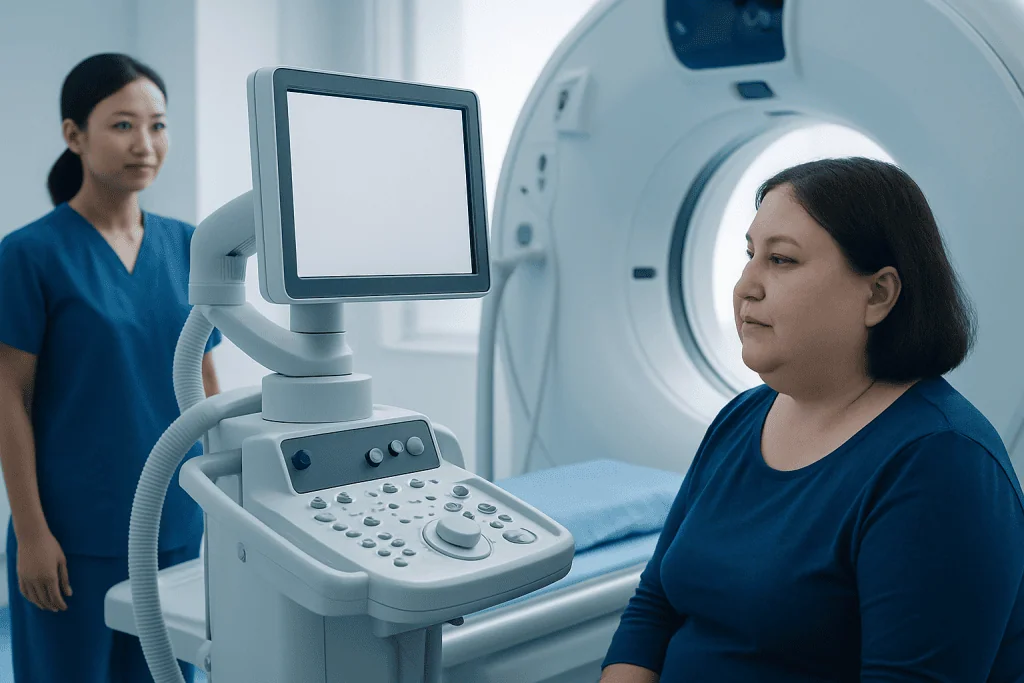
Moon face usually appears as fullness in the cheeks and around the jawline, creating a more circular facial shape. Some people also notice reduced definition around the temples or chin. The skin itself may look normal, or it may appear stretched, flushed, or more acne-prone depending on the cause.
For some people, moon face is mainly a cosmetic concern. For others, it may occur together with wider body changes that point to a medical cause. The facial rounding can be symmetrical, and it may become more obvious in photographs or over time rather than from day to day.
It is helpful to separate moon face from sudden facial swelling. Rapid swelling, especially if it affects the lips, tongue, or breathing, is not typical moon face and needs urgent medical attention. Gradual facial fullness is more often related to hormonal changes, medication effects, or weight-related fat redistribution.
- Rounded, fuller cheeks
- Puffy appearance around the sides of the face
- Less visible jawline definition
- Sometimes associated redness or acne
- Often develops gradually over weeks or months
Common causes and risk factors

The most recognized cause of moon face is the use of corticosteroid medicines such as prednisone or similar drugs. These medications are valuable for many inflammatory and autoimmune conditions, but with longer use or higher doses they can change how fat is distributed in the body. A person may notice facial rounding together with increased fat around the abdomen or upper back.
Another important cause is Cushing syndrome, which happens when the body is exposed to too much cortisol. This can result from steroid medicines or, less commonly, from the body producing excess cortisol because of a problem involving the adrenal glands or the pituitary gland. Other clues may include purple stretch marks, muscle weakness, high blood sugar, bone loss, mood changes, or irregular periods.
Not all facial fullness is related to cortisol. Weight gain can make the face look rounder, and some people naturally store more fat in the face. Fluid retention may also contribute and can occur with kidney problems, thyroid disorders, liver disease, poor sleep, or certain medications. In some cases, facial swelling may be related to allergic reactions or dental and salivary gland problems rather than true moon face.
Risk factors depend on the cause but may include prolonged steroid therapy, untreated hormone disorders, obesity, and medical conditions that affect fluid balance. Because the appearance can overlap with several conditions, self-diagnosis is often unreliable.
Other symptoms that may occur with moon face
Doctors do not assess moon face in isolation. They look for a pattern of symptoms that may point to the underlying reason. When moon face is linked to excess cortisol, people may also develop weight gain mainly around the trunk, thinning of the arms or legs, weakness when climbing stairs, easy bruising, or slow wound healing.
Skin and hair changes can be important clues. Acne, increased facial hair, thinning skin, or reddish-purple stretch marks on the abdomen can suggest a hormonal cause. Mood changes, poor sleep, headaches, and changes in menstrual cycles may also be relevant depending on the person’s age and sex.
If the fuller face is related more to fluid retention than fat redistribution, swelling may be more variable and can affect the eyelids, hands, feet, or ankles too. In these cases, the doctor may ask about urinary changes, shortness of breath, fatigue, or a history of kidney, heart, or thyroid disease.
- Central weight gain
- Buffalo hump or upper back fat pad
- High blood pressure or high blood sugar
- Muscle weakness
- Easy bruising or skin thinning
- Swelling elsewhere in the body
How doctors diagnose the cause
Diagnosis starts with a careful medical history and physical examination. The doctor will ask when the facial changes began, whether they developed gradually or suddenly, and what other symptoms are present. A full medication review is especially important because steroid tablets, inhalers, creams, injections, and even some over-the-counter products can contribute.
If a hormonal problem is suspected, the doctor may arrange blood, urine, or saliva tests to look at cortisol levels and related hormone patterns. Depending on the results, imaging studies may be needed to assess the adrenal or pituitary glands. In some situations, doctors also investigate related concerns such as diabetes, high blood pressure, or bone health.
When swelling rather than fat redistribution seems more likely, evaluation may include kidney, liver, thyroid, or heart-related tests. The goal is not simply to label the facial appearance, but to find the mechanism behind it. That is why diagnosis can vary from a straightforward medication review to a more detailed endocrine workup using diagnostic imaging and laboratory testing.
Treatment options for moon face
Treatment for moon face depends entirely on the underlying cause. If corticosteroid medicine is responsible, the prescribing doctor may consider gradually lowering the dose, switching to a different regimen, or using the lowest effective amount. Steroid medicines should never be stopped suddenly unless a doctor specifically advises it, because abrupt withdrawal can be dangerous.
When moon face is caused by Cushing syndrome, treatment focuses on correcting the source of excess cortisol. This may involve endocrine evaluation, medication, or surgery in selected cases. If a growth in the pituitary or adrenal gland is involved, management may include endocrine surgery or other specialist treatment after careful assessment.
If facial fullness is mainly related to weight gain, a structured approach to nutrition, physical activity, sleep, and treatment of contributing conditions can help. When fluid retention is part of the problem, the doctor will address the cause, which may involve managing thyroid, kidney, heart, or liver issues. Temporary puffiness from lifestyle factors such as poor sleep or high salt intake may improve with routine self-care, but persistent change should still be checked.
For patients who feel distressed by appearance changes, supportive care matters too. Reassurance, realistic expectations, and management of the cause can often lead to gradual improvement. In some cases, the facial fullness decreases once steroid treatment is reduced or the hormone imbalance is treated, although the timeline varies from person to person.
Self-care and prevention
Moon face cannot always be prevented, especially when steroid treatment is medically necessary. However, patients can reduce risk by using corticosteroids exactly as prescribed and attending regular follow-up visits. If concerns about side effects arise, it is best to discuss them early rather than changing the medicine independently.
General health measures may support recovery and reduce worsening. These include maintaining a balanced diet, limiting excess salt if fluid retention is an issue, staying physically active within individual ability, and aiming for regular sleep. These steps do not treat hormone disorders on their own, but they can support overall metabolic health.
People who are taking long-term steroids may benefit from periodic review of blood pressure, blood sugar, and bone health. Keeping a record of new symptoms or photographs over time can also help a doctor judge whether facial changes are stable, improving, or progressing. If the cause appears complex, specialist care in endocrinology may be recommended, sometimes alongside check-up and screening services to assess related health effects.
Near the end of the care pathway, some patients seek evaluation in multidisciplinary centers. Acibadem International’s specialists in JCI-accredited hospitals diagnose and treat endocrine and general medical conditions for international patients when further assessment is needed.
When to seek medical care
A person should arrange a medical review if moon face is new, persistent, or getting more noticeable without a clear reason. Assessment is especially important if the change occurs together with weight gain around the abdomen, muscle weakness, easy bruising, acne, high blood pressure, menstrual changes, or high blood sugar.
Anyone taking steroid medicines who develops significant facial rounding should speak with the prescribing doctor. This does not always mean the medicine must be stopped, but it does mean the treatment plan should be reviewed. The clinician can weigh the benefits of the drug against possible side effects and decide whether any testing is needed.
Urgent care is needed for sudden facial swelling, especially if it affects breathing, swallowing, or the lips and tongue, as this may suggest an allergic reaction rather than moon face. Prompt assessment is also important if swelling comes with severe headache, chest symptoms, confusion, or major changes in urine output.
Frequently asked questions
Is moon face always caused by steroids?
No. Steroid medicines are a common cause, but moon face can also be linked to Cushing syndrome, weight gain, fluid retention, or other medical conditions. Because the causes vary, a doctor may need to review symptoms, medicines, and test results.
Can moon face go away?
In many cases, yes, especially when the underlying cause is identified and managed. If it is related to steroid treatment, the facial fullness may gradually improve after the medicine is reduced or changed under medical supervision. The time needed for improvement can vary.
How is moon face different from normal weight gain?
Weight gain can make the face look fuller, but moon face usually refers to a more distinct rounded or puffy appearance that may occur with hormonal changes or steroid use. Doctors also look for other features, such as central weight gain, bruising, skin changes, or muscle weakness, to help tell the difference.
Should someone stop prednisone or other steroids if moon face develops?
No one should stop prescribed steroids suddenly unless a doctor instructs them to do so. Abruptly stopping corticosteroids can be unsafe. The safest step is to contact the prescribing doctor to discuss whether the treatment plan should be adjusted.
What tests might a doctor order for moon face?
The doctor may begin with a medication review and physical examination. Depending on the suspected cause, tests can include blood, urine, or saliva hormone tests, along with checks of blood sugar, kidney function, thyroid function, or imaging studies.
When is facial puffiness an emergency?
Gradual moon face is usually not an emergency, but sudden swelling can be. Immediate medical help is needed if the swelling affects breathing, swallowing, the lips, or tongue, or if it occurs with severe illness symptoms such as confusion or chest discomfort.
References
- National Institutes of Health
- National Institute of Diabetes and Digestive and Kidney Diseases
- Mayo Clinic
- Endocrine Society
- NHS
This article is for general information only and is not a substitute for professional medical advice. Please consult a qualified doctor about your individual situation.
Medical weight-loss options in Turkey — costs & eligibility
JCI-accredited · board-certified surgeons · reply within 24h
Add us as a Preferred Source to see more of our trusted health content across Google Search, AI Overviews and Discover.
Check your numbers in seconds
BMI, calories, due date, blood pressure and 30+ more clinical calculators — free, instant, doctor-reviewed ranges.