

Morton’s Neuroma: Early Signs, Risk Factors, and How It Is Treated

Morton's neuroma usually causes burning or sharp pain in the ball of the foot, often between the third and fourth toes. Tight, narrow, or high-heeled shoes can worsen symptoms by increasing pressure on the forefoot.
Key Takeaways
- Morton's neuroma usually causes burning or sharp pain in the ball of the foot, often between the third and fourth toes.
- Tight, narrow, or high-heeled shoes can worsen symptoms by increasing pressure on the forefoot.
- Diagnosis is mainly based on symptoms and a foot exam, with imaging used when needed to confirm the cause of pain.
- Treatment often begins with shoe changes, activity modification, pads, orthotics, and anti-inflammatory measures.
- If symptoms continue, injections or surgery may be considered after specialist assessment.
Morton's neuroma is a painful thickening of tissue around a nerve in the forefoot, usually between the third and fourth toes. Early signs often include burning pain in the ball of the foot, tingling in the toes, or the feeling of standing on a pebble, and many people improve with early, non-surgical treatment.
Overview
Morton’s neuroma is a common cause of forefoot pain. It happens when tissue around one of the small nerves leading to the toes becomes thickened and irritated, most often in the space between the third and fourth toes. Although the word “neuroma” may sound like a tumor, this condition is usually a benign nerve irritation and thickening rather than a cancer.
People often describe morton’s neuroma as a burning pain in the ball of the foot, tingling in the toes, or the sensation of having a small stone or folded sock inside the shoe. Symptoms may start gradually and come and go, especially after long periods of walking, standing, or wearing narrow shoes.
This condition can affect daily comfort, exercise, and work activities, but it is often treatable. Early recognition matters because reducing pressure on the nerve may calm symptoms before they become more persistent.
Early signs and symptoms
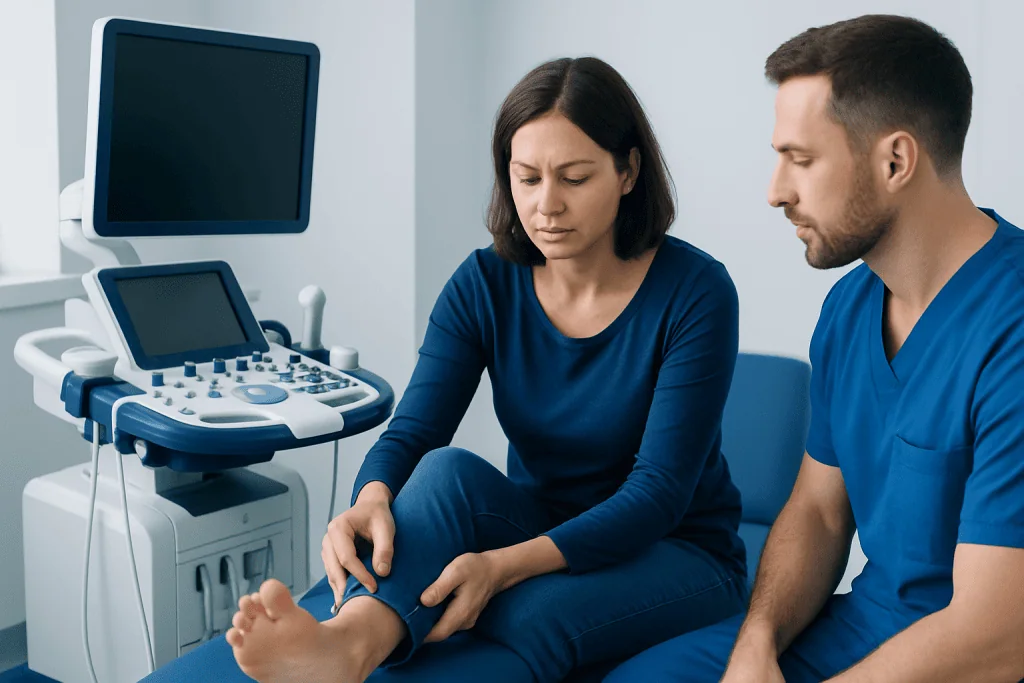
The earliest signs of morton’s neuroma are often easy to overlook. Pain may appear only when wearing certain shoes or after longer walks, then ease with rest or after removing footwear. Over time, episodes can become more frequent.
Typical symptoms include burning, stinging, or sharp pain in the ball of the foot; numbness or tingling in the toes; and discomfort that seems to radiate into the adjacent toes. Some people feel as if they are stepping on a pebble, marble, or bunched-up sock even when nothing is there.
Symptoms usually affect one foot, though both feet can be involved. The pain tends to worsen with high-impact activity, tight shoes, or high heels, and may improve when the foot is massaged, the toes are spread, or shoes are changed.
- Burning pain in the forefoot
- Tingling or numbness in the toes
- A feeling of fullness or pressure between the toes
- Pain that worsens in tight or narrow shoes
- Relief when shoes are removed or activity is reduced
Why it happens: causes and risk factors
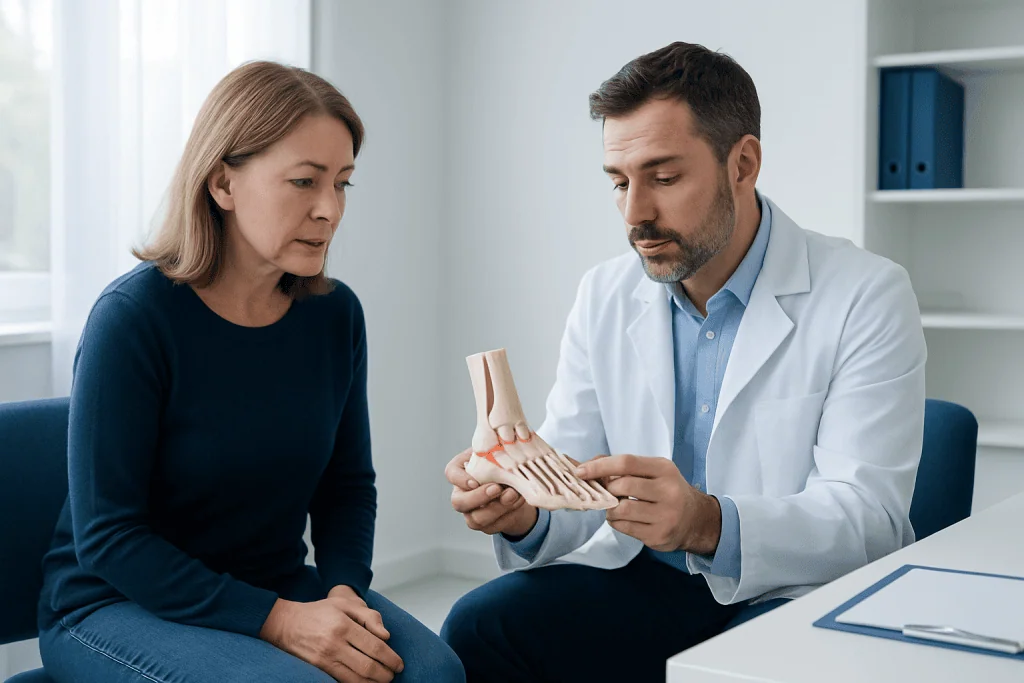
Morton’s neuroma develops when repeated pressure or irritation affects a digital nerve in the forefoot. The nerve can become compressed between the metatarsal bones and nearby tissues, leading to inflammation, thickening, and pain. It is most commonly found between the third and fourth toes because this area often experiences significant mechanical stress during walking.
Footwear is one of the best-known risk factors. Shoes with a narrow toe box squeeze the front of the foot, while high heels shift body weight forward and increase pressure on the ball of the foot. Repetitive impact from running or court sports may also contribute.
Foot structure can play a role. People with flat feet, high arches, bunions, hammertoes, or unstable foot mechanics may place uneven stress on the forefoot. In some cases, symptoms that seem like morton’s neuroma can overlap with other foot problems, such as plantar fasciitis or arthritis, which is why a proper evaluation is important.
- Narrow, tight, or high-heeled shoes
- Running, jumping, or high-impact sports
- Forefoot overload from prolonged standing or walking
- Foot shape or mechanics such as flat feet or high arches
- Other forefoot conditions that increase local pressure
How doctors diagnose Morton's neuroma
Diagnosis usually begins with a careful history and physical examination. A doctor will ask where the pain is felt, what seems to trigger it, and whether there is tingling, numbness, or the sensation of stepping on something inside the shoe. The timing of symptoms and shoe-related discomfort can offer useful clues.
During the exam, the forefoot may be gently pressed to reproduce symptoms. The doctor may check for tenderness between the toes, numbness, and signs of other causes of pain such as stress injury, joint inflammation, or skin lesions. Sometimes squeezing the forefoot produces a clicking sensation or pain, but this finding is not required for diagnosis.
Imaging is not always necessary, but it can help when the diagnosis is unclear or when other problems need to be ruled out. Ultrasound and MRI can identify nerve thickening and nearby soft-tissue changes, while X-rays may be used to look for bone or joint causes of pain. In selected cases, specialists may also assess whether biomechanical issues or spinal nerve problems are contributing to symptoms.
Treatment options
Treatment for morton’s neuroma usually starts with conservative steps aimed at reducing pressure on the irritated nerve. Many people improve by switching to shoes with a wide toe box, lower heels, and better cushioning. Metatarsal pads or custom orthotics can help spread pressure more evenly across the forefoot and reduce nerve compression.
Activity modification is often helpful, especially if symptoms are linked to repetitive impact. Rest, ice, and short-term anti-inflammatory measures may ease flare-ups. Physical therapy can also support recovery by improving foot mechanics, calf flexibility, and load distribution. For broader support with persistent pain that affects walking or alignment, a specialist may recommend orthopedic rehabilitation.
If symptoms continue despite these measures, a doctor may consider injections around the affected nerve to reduce inflammation and pain. Injections can provide temporary or longer-lasting relief in selected patients, though results vary. When symptoms remain significant and daily activities are limited, surgery may be discussed. Procedures may involve releasing structures that compress the nerve or removing the affected nerve segment. Surgical planning may be part of a wider orthopedics and traumatology evaluation to match treatment to the person’s symptoms, foot anatomy, and activity goals.
Because forefoot pain has several possible causes, treatment should be individualized rather than based on symptoms alone. The best option depends on symptom duration, response to shoe changes, activity demands, and whether imaging or examination suggests another problem that needs attention.
Prevention and self-care
Not every case of morton’s neuroma can be prevented, but simple habits may lower the chance of symptoms developing or returning. The most important step is choosing footwear that does not crowd the toes. Shoes should have enough room in the forefoot, supportive soles, and a heel height that does not shift too much weight forward.
People who run or spend long hours on their feet may benefit from rotating shoes, using shock-absorbing insoles, and addressing training habits that overload the forefoot. If a person has flat feet, high arches, or another foot-shape issue, orthotics or specialist footwear advice may improve pressure distribution.
Self-care during a flare-up often includes reducing aggravating activity, applying ice wrapped in a cloth for short periods, and avoiding shoes that reproduce pain. Gentle stretching and strengthening may help if guided by a qualified clinician. If symptoms are not improving, persistent self-treatment should not replace a proper medical assessment, especially because conditions such as Achilles tendonitis or joint disorders can also alter walking patterns and indirectly increase forefoot strain.
When to seek medical care
Medical care is appropriate when forefoot pain keeps returning, limits walking, or does not improve with roomier shoes and rest. A person should also seek evaluation if there is numbness, increasing pain, or symptoms that begin to interfere with work, exercise, or sleep.
Prompt assessment is especially important if the foot is swollen, red, visibly changing shape, or painful even at rest, as these features may point to a different problem that needs attention. People with diabetes, circulation problems, or known nerve disease should not ignore new foot symptoms.
A foot and ankle, orthopedic, or rehabilitation specialist can help clarify the diagnosis and guide treatment. Acibadem International’s multidisciplinary specialists and JCI-accredited hospitals evaluate and treat conditions such as morton’s neuroma for international patients, including cases that may benefit from coordinated physical therapy and rehabilitation.
Frequently asked questions
What does morton's neuroma feel like?
Many people describe morton's neuroma as burning pain in the ball of the foot with tingling or numbness in nearby toes. A common description is the feeling of stepping on a pebble or having a folded sock under the foot.
Can morton's neuroma go away on its own?
Mild symptoms may settle if pressure on the nerve is reduced early, especially with better footwear and activity changes. However, persistent or recurring symptoms should be assessed by a doctor because ongoing irritation can make the condition harder to manage.
Do all patients with morton's neuroma need surgery?
No. Many people improve with non-surgical treatment such as wider shoes, orthotics, pads, rest, and sometimes injections. Surgery is usually considered only when symptoms remain bothersome despite appropriate conservative care.
What shoes are best for morton's neuroma?
Shoes with a wide toe box, good cushioning, and low heels are generally most helpful. The goal is to reduce squeezing of the forefoot and decrease pressure on the irritated nerve.
How is morton's neuroma diagnosed?
Doctors usually diagnose morton's neuroma through the pattern of symptoms and a foot examination. Ultrasound, MRI, or X-rays may be used when the diagnosis is uncertain or when other causes of foot pain need to be ruled out.
Is morton's neuroma the same as a tumor?
Despite the name, morton's neuroma is typically not a tumor in the cancer sense. It is usually a thickening and irritation of tissue around a small nerve in the forefoot.
References
- American Academy of Orthopaedic Surgeons
- National Institute of Arthritis and Musculoskeletal and Skin Diseases
- American Orthopaedic Foot & Ankle Society
- Mayo Clinic
- NHS
This article is for general information only and is not a substitute for professional medical advice. Please consult a qualified doctor about your individual situation.
Oncology care in Turkey — second opinion and treatment plan
JCI-accredited · board-certified surgeons · reply within 24h
Add us as a Preferred Source to see more of our trusted health content across Google Search, AI Overviews and Discover.

More from the Health Library



Related Specialists

Dr. Ecem Sevim Akı
Otorhinolaryngology
Prof. Dr. Hatem Hakan Selçuk
Interventional Neuroradiology
Ebubekir Korkmaz
Physical Medicine & Rehabilitation
Prof. Dr. Hüsnü Görgen
Gynecology & Obstetrics