Motor Neuron Disease Care: Breathing, Swallowing, and Mobility Support

Motor neuron disease care is most effective when neurology, respiratory, nutrition, speech, rehabilitation, and psychological support are coordinated. Breathing changes can be monitored with simple tests, and non-invasive ventilation may help selected patients breathe more comfortably.
Key Takeaways
- Motor neuron disease care is most effective when neurology, respiratory, nutrition, speech, rehabilitation, and psychological support are coordinated.
- Breathing changes can be monitored with simple tests, and non-invasive ventilation may help selected patients breathe more comfortably.
- Swallowing assessment and nutrition planning reduce choking risk, weight loss, dehydration, and mealtime stress.
- Physical therapy, assistive devices, home adaptations, and mobility aids help conserve energy and support independence.
- Families and caregivers benefit from education, planning, respite, and clear guidance on when to seek medical help.
Motor neuron disease affects the nerves that control voluntary muscles, so care focuses on maintaining breathing, swallowing, mobility, communication, nutrition, and quality of life. A coordinated team can adapt support over time, helping people stay safer, more comfortable, and as independent as possible.
Overview: What Motor Neuron Disease Care Involves
Motor neuron disease, often shortened to MND, is a group of neurological conditions in which motor neurons gradually stop working as they should. These nerve cells carry signals from the brain and spinal cord to muscles used for movement, speech, swallowing, and breathing. Amyotrophic lateral sclerosis, or ALS, is the most common form, but care needs vary from person to person.
Because MND can affect many daily functions, care is not limited to one treatment. It is a coordinated, ongoing approach that may include a neurologist, respiratory physician, physiotherapist, occupational therapist, speech and language therapist, dietitian, nurse, psychologist, social worker, and palliative care team. The goal is to anticipate needs, respond early to changes, and preserve comfort, dignity, and participation in daily life.
Good motor neuron disease care is practical and individualized. It may involve breathing support, swallowing strategies, nutrition planning, mobility aids, communication tools, symptom control, and emotional support. While current treatments cannot reverse most forms of MND, timely supportive care can make everyday activities safer and more manageable.
Recognizing Changes in Breathing, Swallowing, Speech, and Movement
Symptoms may begin subtly, such as hand weakness, foot drop, muscle cramps, twitching, a softer voice, or mild difficulty climbing stairs. Some people first notice speech or swallowing changes, while others develop limb weakness before breathing is affected. Symptoms can fluctuate during the day, especially when fatigue is present, so small changes are worth mentioning during follow-up visits.
Breathing changes in MND may develop gradually. A person may feel short of breath when lying flat, wake with morning headaches, sleep poorly, feel unusually tired during the day, or notice a weaker cough. These symptoms do not always mean an emergency, but they are important because respiratory muscles can be supported when problems are identified early.
Swallowing changes may include coughing during meals, a wet-sounding voice after drinking, longer mealtimes, difficulty chewing, unintentional weight loss, or avoiding certain foods. Speech may become slurred, quieter, nasal, or tiring. Movement changes may include falls, trouble turning in bed, difficulty rising from a chair, or reduced hand coordination for buttons, writing, and utensils.
Causes, Types, and Risk Factors

MND occurs when motor neurons are damaged and gradually lose their ability to send clear signals to muscles. In many people, the exact cause is not known. A smaller proportion of cases are familial, meaning they are linked to inherited gene changes. Genetic counseling may be considered when there is a family history of MND, younger age at onset, or a specialist believes testing may help guide understanding and family planning.
Different MND patterns can affect care priorities. ALS commonly involves both upper and lower motor neuron signs, such as stiffness, brisk reflexes, weakness, and muscle wasting. Progressive bulbar palsy mainly affects speech and swallowing early. Primary lateral sclerosis tends to cause stiffness and spasticity, while progressive muscular atrophy primarily affects lower motor neurons. These labels help clinicians plan care, but each person’s progression is unique.
Known risk factors include increasing age, male sex in some forms, and family history in genetic cases. Environmental contributors have been studied, but no single lifestyle factor explains most cases. For patients and families, the most useful step is not to search for blame, but to work with a team experienced in neuromuscular diseases so that symptoms are assessed and managed as early as possible.
Diagnosis and Ongoing Monitoring
Diagnosis begins with a detailed history and neurological examination. The doctor looks for patterns of weakness, reflex changes, muscle wasting, stiffness, fasciculations, speech changes, and swallowing concerns. Because several treatable conditions can resemble MND, investigations are used to support the diagnosis and exclude other causes.
Tests may include blood tests, MRI scans, nerve conduction studies, and electromyography. Electromyography evaluates electrical activity in muscles and can show signs of motor neuron involvement. Specialized neurophysiology testing is often important in confirming the pattern of nerve and muscle changes. Depending on symptoms, respiratory function tests, swallowing assessment, nutrition evaluation, and cognitive or behavioral screening may also be recommended.
Monitoring is just as important as the first diagnosis. Regular follow-up helps the team detect changes in lung function, weight, swallowing safety, mobility, mood, sleep, pain, spasticity, saliva control, and communication. Care plans are adjusted over time, often before a problem becomes difficult to manage. Patients and caregivers are encouraged to keep a brief symptom diary and bring practical questions to each appointment.
Breathing Support and Respiratory Care
Breathing support in MND aims to help respiratory muscles work more efficiently and to improve comfort, sleep, and energy. Doctors may monitor breathing with tests such as forced vital capacity, sniff nasal inspiratory pressure, oxygen and carbon dioxide assessment, or overnight sleep studies. These tests are interpreted together with symptoms, because numbers alone do not describe how a person feels day to day.
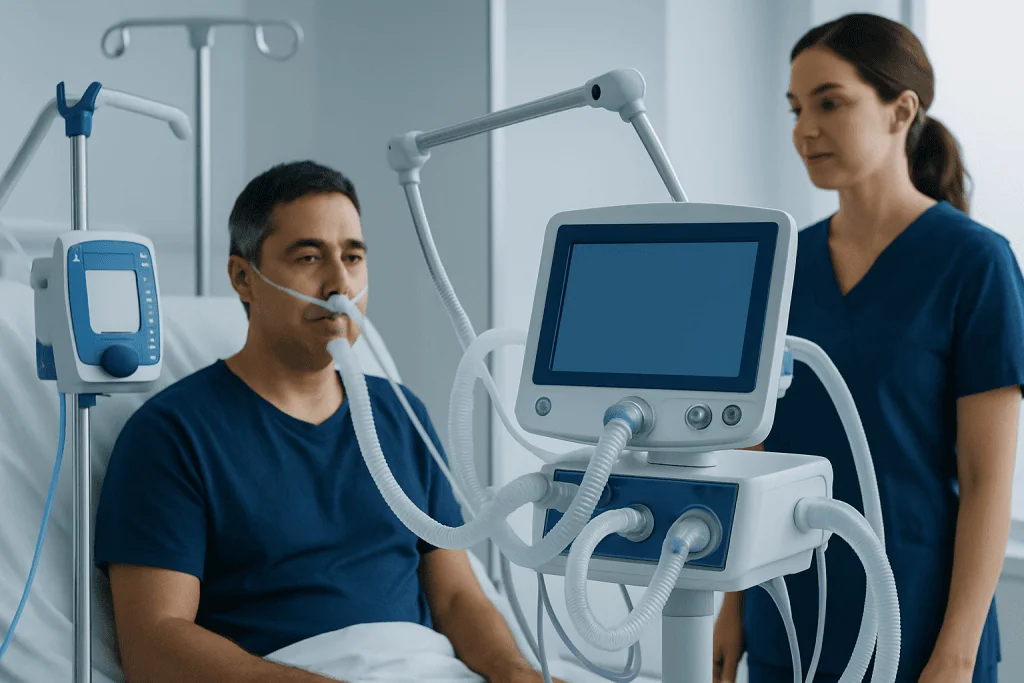
Non-invasive ventilation, often delivered through a mask over the nose or nose and mouth, may be recommended when breathing muscles become weaker or sleep-related breathing problems develop. It does not cure MND, but for many suitable patients it can reduce breathlessness, improve sleep quality, and ease morning headaches. The mask type, settings, and timing should be adjusted by trained clinicians, and follow-up is important to solve problems such as dryness, leaks, or discomfort.
Cough support may also be part of care. A weaker cough can make it harder to clear mucus, especially during a cold or chest infection. Techniques may include assisted coughing, breath-stacking, suction equipment, airway clearance advice, and in some cases a mechanical cough-assist device. Vaccinations, hand hygiene, prompt treatment of respiratory infections, and avoiding smoke exposure can also support lung health.
Swallowing, Nutrition, Communication, and Comfort
Swallowing care is led by assessment, not guesswork. A speech and language therapist may evaluate chewing, tongue movement, cough response, voice changes after swallowing, and the safest textures and fluids. Sometimes an imaging-based swallow study is used to see how food and liquid move through the throat. Practical strategies may include upright posture, smaller mouthfuls, slower pacing, texture changes, and avoiding distractions during meals.
Nutrition is central to strength, energy, and comfort. A dietitian can suggest nutrient-dense foods, modified textures, supplements when appropriate, and ways to maintain hydration. If swallowing becomes unsafe or mealtimes become exhausting, a feeding tube may be discussed. This decision is personal and should be explained clearly, including timing, benefits, limitations, and how it fits the patient’s goals.
Communication support should begin before speech becomes very difficult. Voice banking, message banking, alphabet boards, writing tools, smartphone apps, and eye-gaze devices can help people stay connected. Emotional and cognitive changes may also occur in some people with MND, so neuropsychological support can help families understand behavior, planning, mood, and coping needs. When suitable, neuropsychology support may be part of the broader care plan.
Mobility, Rehabilitation, Home Safety, and Daily Living
Rehabilitation in MND is not about pushing muscles beyond their limits. It focuses on conserving energy, preventing falls, maintaining range of motion, reducing stiffness, protecting joints, and adapting daily activities. A physiotherapist can recommend gentle stretching, positioning, balance strategies, breathing-related exercises, and safe transfer techniques. Exercise plans should be individualized because overexertion can worsen fatigue.
An occupational therapist helps translate medical advice into everyday solutions. This may include hand splints, adapted cutlery, bathroom rails, shower chairs, bed adjustments, ramps, pressure-relief cushions, or environmental control systems. Mobility aids such as ankle-foot orthoses, walking sticks, walkers, manual wheelchairs, or powered wheelchairs can be introduced at the right time to support independence rather than signal loss of independence.
Families often benefit from practical planning. Helpful steps may include:
- reviewing fall risks at home, including rugs, stairs, and poor lighting;
- organizing medications and emergency contacts in one visible place;
- learning safe lifting and transfer methods;
- planning accessible transport for appointments;
- discussing work, travel, and home adaptations early.
Pain, cramps, spasticity, saliva changes, sleep problems, constipation, anxiety, and low mood are common care issues and can often be eased. Patients should not assume these symptoms must simply be endured. A clinician can suggest medication, therapy, equipment, or lifestyle adjustments based on the individual’s overall health and preferences.
When to See a Doctor and How Care Is Coordinated
A person with possible MND symptoms should see a neurologist if they develop progressive weakness, repeated falls, persistent muscle twitching with weakness, unexplained speech or swallowing changes, or a combination of stiffness and muscle wasting. People already diagnosed with MND should contact their care team promptly if they have new breathlessness at rest, choking episodes, rapid weight loss, dehydration, chest infection symptoms, repeated falls, pressure sores, severe pain, or sudden changes in communication or behavior.
Follow-up is usually planned at regular intervals, but appointments may need to be brought forward when symptoms change. It can help to bring a caregiver, a medication list, recent test results, and a written list of concerns. Important topics include breathing at night, cough strength, swallowing safety, weight, bowel function, sleep, mobility, equipment needs, mood, caregiver strain, and advance care preferences.
Care is strongest when it is proactive and compassionate. Acibadem International’s multidisciplinary specialists and JCI-accredited hospitals diagnose and treat motor neuron disease for international patients, including coordination of neurology, respiratory, rehabilitation, nutrition, and supportive care when appropriate. Any care plan should be discussed with qualified clinicians who understand the patient’s medical history, personal goals, and local support options.
Frequently asked questions
Is motor neuron disease the same as ALS?
ALS is the most common type of motor neuron disease, but the terms are not always identical. Motor neuron disease is a broader group that includes ALS and other patterns such as progressive bulbar palsy, primary lateral sclerosis, and progressive muscular atrophy. A neurologist can explain which pattern best fits a person’s symptoms and test results.
When should breathing support be discussed in MND?
Breathing support should be discussed early, even before severe symptoms occur. Warning signs include breathlessness when lying flat, morning headaches, poor sleep, daytime sleepiness, weak cough, or frequent chest infections. Respiratory tests help determine whether non-invasive ventilation or cough support may be helpful.
Can swallowing problems in MND be managed safely?
Many swallowing problems can be managed with assessment, texture changes, posture advice, pacing, and nutrition support. A speech and language therapist and dietitian can reduce mealtime stress and help maintain hydration and weight. If swallowing becomes unsafe or exhausting, a feeding tube may be discussed as an option, not an obligation.
Should people with MND exercise?
Gentle, individualized activity may help maintain flexibility, comfort, and confidence, but exercise should not be excessive. A physiotherapist can recommend stretching, range-of-motion work, and safe mobility strategies based on strength, fatigue, breathing, and fall risk. New exercise plans should be reviewed with the care team.
What equipment may help with mobility and independence?
Equipment may include ankle supports, walking aids, wheelchairs, bathroom adaptations, transfer aids, pressure-relief cushions, and communication devices. The right timing matters; introducing aids early can conserve energy and reduce falls. An occupational therapist can assess the home and suggest practical changes.
How can caregivers support someone with MND?
Caregivers can help by learning safe transfer techniques, monitoring changes in swallowing or breathing, attending appointments, and keeping emergency information accessible. They should also seek support for their own wellbeing, including respite and counseling when needed. MND care works best when the patient and caregiver are both supported.
References
- National Institute of Neurological Disorders and Stroke
- National Institute for Health and Care Excellence
- American Academy of Neurology
- Motor Neurone Disease Association
- ALS Association
This article is for general information only and is not a substitute for professional medical advice. Please consult a qualified doctor about your individual situation.
Motor Neuron Disease in Turkey — costs, top hospitals & a free quote
JCI-accredited · board-certified surgeons · reply within 24h