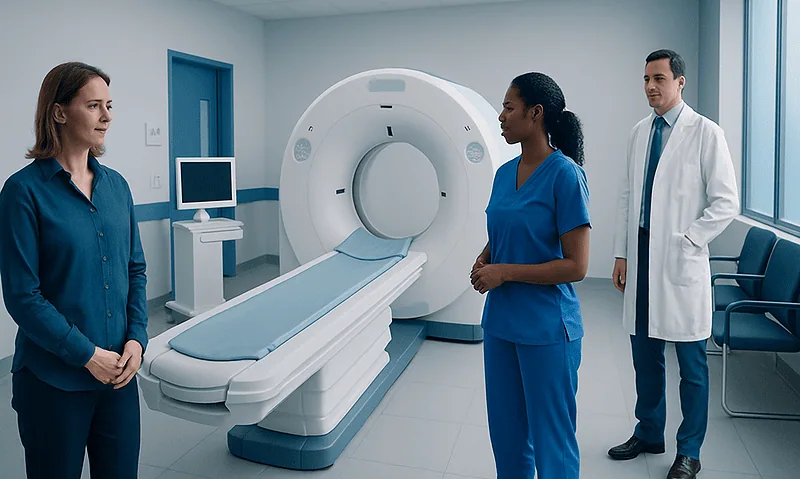
Multiple Myeloma Stage 1 Treatment: How It Works, Results and What to Expect

Stage 1 multiple myeloma is an older staging term and does not always mean that treatment can be delayed. Some people have smoldering multiple myeloma, which has no myeloma-defining events and is usually monitored rather than treated immediately.
Key Takeaways
- Stage 1 multiple myeloma is an older staging term and does not always mean that treatment can be delayed.
- Some people have smoldering multiple myeloma, which has no myeloma-defining events and is usually monitored rather than treated immediately.
- Active multiple myeloma is commonly treated with combinations of anti-myeloma medicines, sometimes followed by stem cell transplantation.
- Treatment decisions depend on symptoms, anemia, kidney function, calcium levels, bone findings, and bone marrow or biomarker results.
- Regular follow-up helps the care team detect progression, treatment response, side effects, and complications early.
Multiple myeloma stage 1 treatment is individualized because early disease may be monitored closely when it is not causing organ damage, while active myeloma generally needs treatment to control cancer cells and protect bone, kidney, and blood health. A hematology-oncology team uses laboratory tests, imaging, symptoms, and personal health factors to recommend the safest approach.
Overview: What Does Stage 1 Multiple Myeloma Mean?
Multiple myeloma stage 1 treatment depends less on the stage label alone and more on whether the disease is active, causing organ damage, or likely to progress. If a person has active multiple myeloma, treatment is usually recommended even when the disease burden is relatively low. If testing shows smoldering multiple myeloma without symptoms or myeloma-defining features, careful monitoring may be the preferred first approach.
Multiple myeloma is a cancer of plasma cells, a type of white blood cell made in the bone marrow. Abnormal plasma cells can produce an excess monoclonal protein, often called M protein, and may interfere with healthy blood-cell production, weaken bones, and affect kidney function. The phrase “stage 1” is commonly associated with the International Staging System, which uses blood test results to estimate prognosis; it does not by itself determine whether treatment is needed.
Clinicians also distinguish active multiple myeloma from precursor conditions. Monoclonal gammopathy of undetermined significance (MGUS) and smoldering multiple myeloma can have abnormal proteins or plasma cells but do not meet criteria for active disease. Understanding this distinction is important because unnecessary treatment can cause side effects without clear benefit, while active disease should not be left untreated.
How Treatment Works and Its Main Goals
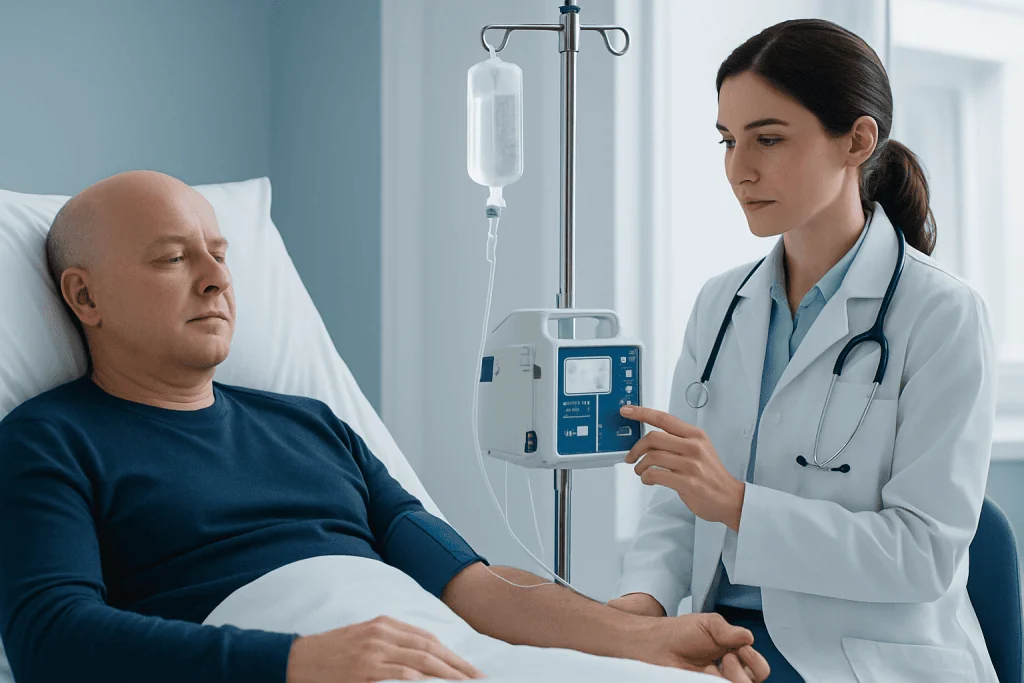
Treatment works by reducing or controlling abnormal plasma cells. Modern care often combines medicines that attack myeloma cells through different mechanisms. These may include proteasome inhibitors, immunomodulatory medicines, monoclonal antibodies, corticosteroids, and, in selected circumstances, chemotherapy. Combination treatment is generally more effective than using one medicine alone for active disease.
The immediate goals are to reduce the amount of myeloma in the body, relieve symptoms, and prevent or manage complications such as anemia, bone damage, high calcium levels, infections, and kidney injury. Longer-term goals include achieving the deepest possible response, prolonging remission, and preserving daily function and quality of life.
Treatment may also include supportive care. Bone-strengthening medicines can lower the risk of skeletal complications in appropriate patients, while vaccinations, infection prevention, pain management, blood transfusions, and kidney-protective measures may be needed. Radiation therapy or orthopedic procedures may be considered for a painful bone lesion, a fracture risk, or pressure on the spinal cord.
For many eligible patients, autologous stem cell transplantation is an important planned part of first-line treatment. It uses a person’s own previously collected stem cells after high-dose therapy, with the aim of allowing intensive myeloma treatment while helping bone marrow recover.
Who May Need Treatment and How Candidacy Is Assessed

A hematologist evaluates whether a person has active myeloma by looking for myeloma-defining events. These include high calcium levels, kidney impairment attributable to myeloma, anemia, or bone lesions. Certain biomarker findings can also indicate a very high likelihood of near-term progression and support treatment even before these complications develop.
People with smoldering myeloma usually enter an active-surveillance plan instead of starting standard treatment immediately. Follow-up may include blood and urine tests, symptom review, and imaging at intervals set by the specialist. Some individuals with high-risk smoldering myeloma may be offered a clinical trial or selected early treatment after a detailed discussion of possible benefits and harms.
For active stage 1 disease, the treatment plan is tailored to age, overall fitness, heart, lung, liver, and kidney health, nerve symptoms, frailty, previous illnesses, and personal priorities. Fitness for stem cell transplantation is assessed individually; it is not based on age alone. A transplant-ineligible person can still receive effective medication-based treatment.
Baseline testing commonly includes a complete blood count, kidney function and calcium tests, serum and urine protein studies, serum free light-chain testing, bone marrow examination, and whole-body imaging. Cytogenetic testing on bone marrow cells helps identify disease features that may influence the intensity of treatment and follow-up.
What to Expect: Treatment Step by Step
For active multiple myeloma, treatment often begins with an induction phase. During this phase, a combination of medicines is given in repeated cycles over several months. Some medicines are taken by mouth, while others are delivered by injection or intravenous infusion. The team monitors blood counts, kidney function, M protein or light-chain levels, treatment side effects, and signs of infection throughout treatment.
If stem cell transplantation is planned, stem cells are usually collected after initial treatment has reduced the disease. Collection involves medicines that move stem cells from the bone marrow into the bloodstream, followed by a blood-processing procedure called apheresis. The stem cells are frozen and stored until they are needed.
During an autologous transplant, high-dose treatment is used to eliminate as many myeloma cells as possible. The stored stem cells are then returned through an infusion, similar to a blood transfusion. These cells travel to the bone marrow and gradually restore blood-cell production. The transplant is not surgery, and it does not cure myeloma by itself, but it can deepen response and lengthen remission for suitable patients.
After induction with or without transplant, maintenance therapy may be advised to help sustain disease control. The exact medicines, duration, and monitoring plan vary. Some patients may instead receive ongoing medication-based therapy without transplant, especially when other health conditions make intensive treatment less suitable.
Recovery Timeline, Monitoring, Benefits and Risks
Recovery differs according to the treatments used. Medication-based induction may allow many people to continue parts of their regular routine, although appointments, fatigue, and side effects can affect daily life. Some reactions occur early, while others develop gradually, so reporting changes promptly helps the team adjust supportive medicines or treatment schedules.
After stem cell transplantation, blood counts typically fall for a period before the infused stem cells begin producing new cells. Hospital admission or close outpatient monitoring may be needed, depending on the program and the person’s condition. Fatigue can persist for weeks or months, and returning to usual activity is gradual. Infection precautions and follow-up blood tests are especially important during recovery.
Potential benefits of treatment include lower disease burden, improvement in anemia or bone pain, protection of kidney function, fewer myeloma-related complications, and a longer period of disease control. Responses are measured through blood and urine markers, bone marrow findings when needed, imaging, and clinical well-being. A very good response is encouraging, but continued monitoring remains necessary because myeloma can return or become resistant over time.
Possible risks depend on the medicines and procedures used. They can include low blood counts, infection, fatigue, nausea, diarrhea or constipation, blood clots, nerve pain or numbness, skin reactions, and infusion-related reactions. High-dose therapy and transplant can cause mouth sores, severe fatigue, low blood counts, and temporary vulnerability to infection or bleeding. The care team provides prevention strategies and asks patients to report fever, worsening weakness, shortness of breath, unusual bruising, or new severe pain without delay.
Living Well During Treatment and Follow-Up
People receiving treatment benefit from a practical, individualized self-care plan. This may include maintaining hydration as advised by the clinical team, eating enough protein and calories, staying physically active within safe limits, and protecting bones from falls. A physiotherapist or rehabilitation clinician can help develop an activity plan when bone disease, pain, weakness, or balance concerns are present.
Infection prevention is an important part of care. Patients should discuss recommended vaccines with their hematology team and ask before taking over-the-counter medicines, supplements, or herbal products. Some medicines can affect kidney function, bleeding risk, blood clots, or interactions with anti-myeloma treatment. It is also wise to discuss dental care before starting bone-strengthening medicines because specific dental procedures may require planning.
Emotional well-being matters alongside physical treatment. A cancer diagnosis and the uncertainty of monitoring can affect sleep, mood, work, family life, and relationships. Support from loved ones, counseling, patient support groups, palliative-care specialists, and the wider oncology team can help at any stage, including while treatment is working well.
At Acibadem International, multidisciplinary specialists in JCI-accredited hospitals can assess multiple myeloma, coordinate diagnostic testing, and discuss medical therapy, supportive care, and transplant options for international patients.
When to Seek Medical Care
Anyone with an abnormal monoclonal protein, unexplained anemia, persistent bone pain, reduced kidney function, or repeated infections should seek medical evaluation. These symptoms can have many causes, but timely testing can help identify whether myeloma or another condition is involved. People already diagnosed with MGUS or smoldering myeloma should keep scheduled follow-up visits even if they feel well.
Urgent medical attention is appropriate for fever during cancer treatment, sudden shortness of breath, confusion, severe weakness, new inability to walk, loss of bowel or bladder control, severe back pain with leg weakness or numbness, or signs of dehydration. These symptoms may indicate infection, spinal cord compression, high calcium, blood clots, or another complication needing prompt assessment.
Patients should contact their treating team for new or worsening bone pain, marked fatigue, reduced urination, swelling, unusual bleeding or bruising, or side effects that interfere with eating, drinking, sleeping, or normal activity. Early communication often allows complications to be managed before they become more serious.
Frequently asked questions
Is stage 1 multiple myeloma always treated?
Not always. The decision depends on whether the person has active myeloma or smoldering myeloma, along with symptoms, organ involvement, imaging findings, and biomarker results. Active myeloma generally requires treatment, while standard care for many people with smoldering myeloma is close monitoring.
Can stage 1 multiple myeloma be cured?
Multiple myeloma is generally considered a treatable but relapsing condition rather than a disease with a guaranteed cure. Many people achieve deep responses and long periods of remission with modern therapies. Ongoing monitoring is needed because treatment may be required again if the disease returns or progresses.
What is the first treatment for active multiple myeloma?
First treatment commonly uses a combination of anti-myeloma medicines given in cycles. The exact combination is chosen according to transplant eligibility, kidney function, genetic risk features, other health conditions, and treatment availability. Some people then proceed to autologous stem cell transplantation and maintenance therapy.
How long does treatment for stage 1 multiple myeloma take?
Initial medication treatment often lasts several months, but the overall treatment pathway varies widely. If a transplant is planned, stem cell collection and recovery add further time. Maintenance therapy may continue for an extended period when it is appropriate and tolerated.
What tests show whether multiple myeloma treatment is working?
Doctors monitor M protein or free light chains in the blood and urine, blood counts, kidney function, calcium levels, and symptoms. Bone marrow testing or imaging may be used in selected situations to confirm the depth of response or investigate possible progression. Results are interpreted together rather than relying on one test alone.
Can a person work or exercise during myeloma treatment?
Many people can remain active or work in some capacity, but energy levels and infection risk may vary throughout treatment. Exercise should be adapted to bone health, fatigue, balance, and any pain or fracture risk. A clinician or physiotherapist can provide safer, personalized guidance.
References
- National Cancer Institute
- National Comprehensive Cancer Network
- International Myeloma Foundation
- American Society of Hematology
- Mayo Clinic
This article is for general information only and is not a substitute for professional medical advice. Please consult a qualified doctor about your individual situation.
Multiple Myeloma in Turkey — costs, top hospitals & a free quote
JCI-accredited · board-certified surgeons · reply within 24h
Add us as a Preferred Source to see more of our trusted health content across Google Search, AI Overviews and Discover.