Multiple Sclerosis vs Neuromyelitis Optica: Why the Diagnosis Matters

MS and NMOSD may both affect vision, strength, sensation, and walking, but they are distinct disorders. A correct diagnosis matters because some treatments used for MS do not help NMOSD and may worsen disease control.
Key Takeaways
- MS and NMOSD may both affect vision, strength, sensation, and walking, but they are distinct disorders.
- A correct diagnosis matters because some treatments used for MS do not help NMOSD and may worsen disease control.
- MRI scans, blood tests for antibodies such as AQP4-IgG, and a neurological examination help distinguish the two conditions.
- NMOSD attacks are often more severe and commonly involve the optic nerves and spinal cord.
- Early specialist care can help reduce relapses, protect function, and support long-term quality of life.
Multiple sclerosis (MS) and neuromyelitis optica spectrum disorder (NMOSD) can cause similar symptoms, but they are different immune-mediated conditions. Telling them apart is important because the diagnosis guides testing, treatment choices, and the risk of future attacks.
Overview: Why MS and NMOSD Are Often Compared
Multiple sclerosis and neuromyelitis optica spectrum disorder are both autoimmune conditions that affect the central nervous system. In both disorders, the immune system mistakenly targets healthy tissue, leading to inflammation and injury in areas such as the optic nerves, spinal cord, and brain. Because they can share symptoms such as visual loss, numbness, weakness, or balance problems, they may seem similar at first.
However, they are not the same disease. MS is a chronic inflammatory disease in which immune activity damages myelin, the protective covering around nerve fibers, and sometimes the nerve fibers themselves. NMOSD is a separate condition, often linked to antibodies such as aquaporin-4 immunoglobulin G (AQP4-IgG), that tends to cause attacks focused especially on the optic nerves and spinal cord.
The distinction matters in everyday care. The expected disease course, treatment strategy, and monitoring plan can differ significantly. A person with recurring optic neuritis or transverse myelitis may need targeted testing to determine whether symptoms fit MS, NMOSD, or another inflammatory neurological disorder.
For patients and families, the most helpful message is that a careful diagnosis can lead to more appropriate treatment and better planning. Evaluation by a neurologist, often with expertise in neuroimmunology, helps clarify the cause of symptoms and reduce the chance of misdiagnosis.
Symptoms: Similar Signs, Different Patterns
Both MS and NMOSD can cause episodes of neurological symptoms called relapses or attacks. These may include blurred vision, eye pain, weakness in the arms or legs, numbness, tingling, unsteadiness, bladder problems, fatigue, or pain. Because these features overlap, symptom pattern and severity are important clues.
In MS, symptoms often develop over days and may involve many different parts of the brain and spinal cord over time. People may have optic neuritis, double vision, sensory symptoms, muscle stiffness, or problems with coordination. Some symptoms improve partially or fully after an attack, especially early in the disease.
In NMOSD, attacks are often more sudden, more severe, and more likely to leave lasting disability if not treated promptly. Vision loss from optic neuritis may affect one or both eyes and can be profound. Spinal cord inflammation can cause marked weakness, numbness, severe pain, and bladder or bowel dysfunction. Some people also develop nausea, vomiting, or hiccups due to inflammation in the brainstem area.
Doctors look not only at which symptoms are present, but also how they occur. Features that may raise suspicion for NMOSD include severe optic neuritis, long segments of spinal cord involvement, recurrent attacks in the same regions, or brainstem symptoms such as persistent vomiting. These patterns help guide the next steps in testing.
Causes and Risk Factors

The exact cause of both conditions is not fully understood. They are considered autoimmune disorders, meaning the immune system becomes misdirected and attacks components of the nervous system. This process likely results from a combination of genetic susceptibility and environmental influences rather than a single cause.
In MS, the immune system primarily targets myelin and other structures within the brain and spinal cord. MS is more common in young adults and is seen more often in women than men. Family history can slightly increase risk, but most people with MS do not have a close relative with the disease.
In NMOSD, many patients have antibodies against aquaporin-4, a water channel protein found on certain cells in the central nervous system. Others may have antibodies against myelin oligodendrocyte glycoprotein, although this can indicate a related but distinct disorder rather than classic NMOSD. NMOSD also occurs more often in women and may be associated with other autoimmune conditions.
Neither disease is contagious, and neither is caused by stress alone. Stress may affect how a person feels and copes with symptoms, but it is not considered the root cause. Recognizing personal and family autoimmune history can still be helpful during evaluation, especially when a neurologist is deciding which blood tests and imaging studies to request.
How Doctors Tell the Difference
Diagnosis usually begins with a detailed medical history and neurological examination. The doctor asks about symptom timing, severity, prior episodes, and recovery between attacks. Even small details, such as whether nausea came before weakness or whether vision loss affected one eye or both, can help distinguish between possible causes.
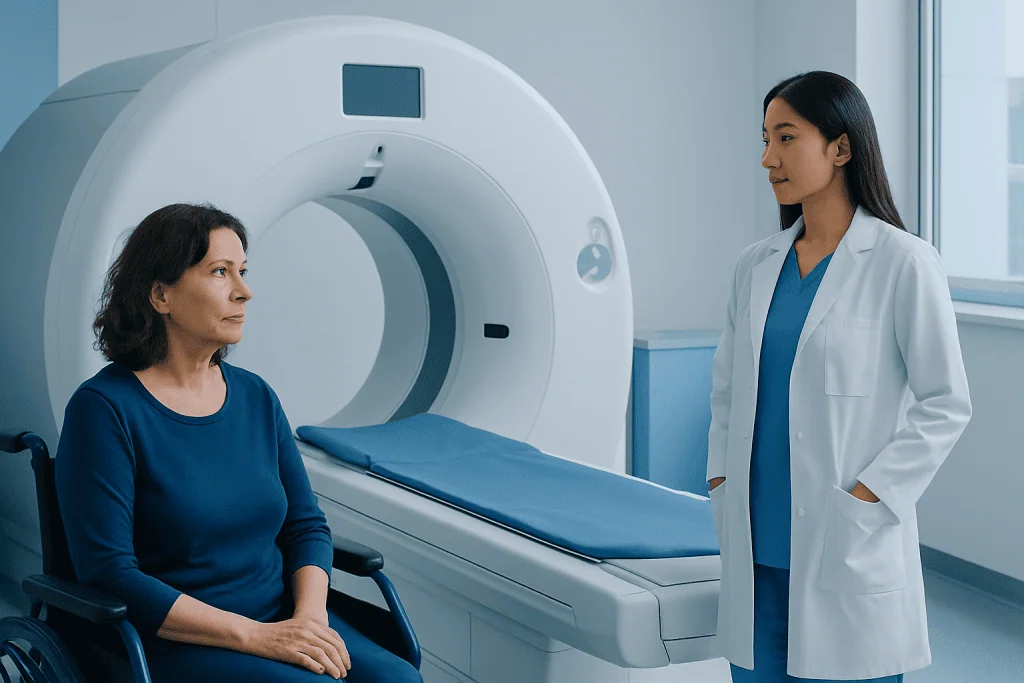
MRI is one of the most important tools. In MS, MRI often shows characteristic lesions in the brain and sometimes the spinal cord, with patterns that suggest disease spread over time and in different locations. In NMOSD, MRI may show long spinal cord lesions extending across several vertebral segments or inflammation involving the optic nerves and certain brain regions. Depending on the situation, a doctor may recommend MRI scanning of the brain, optic pathways, and spinal cord to build a clearer picture.
Blood tests are especially important when NMOSD is suspected. Testing for AQP4-IgG antibodies can strongly support the diagnosis, and some patients may also be evaluated for MOG antibodies. Cerebrospinal fluid testing may add useful information in selected cases, although it is not always definitive on its own. Evoked potentials and eye assessments can also help evaluate visual pathway injury.
Because several inflammatory disorders can overlap, diagnosis sometimes requires ruling out related conditions. For example, a specialist may compare the findings with multiple sclerosis or with other causes of optic neuritis and myelitis before confirming NMOSD. The goal is not simply to name a condition, but to choose the treatment pathway most likely to protect long-term neurological function.
Why the Diagnosis Matters for Treatment
The main reason accurate diagnosis matters is that MS and NMOSD are treated differently. While both conditions may require prompt treatment during an acute attack, the medicines used to prevent future relapses are not the same. A treatment plan that is appropriate for MS may not control NMOSD effectively, and some MS-focused therapies are not recommended when NMOSD is the true diagnosis.
During acute relapses, doctors often use high-dose corticosteroids to reduce inflammation. If symptoms are severe or do not improve enough, plasma exchange may be considered, particularly in NMOSD. Early treatment of an attack can help limit nerve injury and improve recovery.
For long-term disease control, MS care may include disease-modifying therapies designed to reduce relapse frequency and new lesion formation. In contrast, NMOSD treatment typically focuses on immunosuppressive or targeted biologic therapy aimed at preventing further antibody-driven attacks. This is why careful evaluation before starting long-term medication is so important.
In addition to disease control, supportive treatment matters in both disorders. Rehabilitation, pain management, bladder care, and visual support may all be part of a comprehensive plan. Depending on symptoms, a neurologist may work closely with specialists in physical therapy and rehabilitation or neurology care to help maintain daily function and independence.
Living With MS or NMOSD: Self-care and Prevention of Complications
There is no known way to completely prevent either MS or NMOSD, but many practical steps can support health and reduce complications. Taking prescribed treatment consistently, keeping follow-up appointments, and reporting new symptoms early are central parts of long-term care. Regular monitoring helps the care team assess disease activity, treatment response, and side effects.
Healthy daily habits also play an important role. Good sleep, balanced nutrition, gentle physical activity, stress management, and avoiding smoking can support overall well-being. These steps do not replace medical therapy, but they may improve energy, mood, mobility, and resilience during recovery from attacks.
People living with visual changes, weakness, stiffness, or fatigue may benefit from rehabilitation strategies and home safety planning. Occupational therapy, mobility aids, and practical adaptations at work or home can make everyday tasks easier. Emotional support is equally important, as uncertainty around relapses and diagnosis can be difficult for patients and families.
Education helps people recognize warning signs without becoming overwhelmed. Sudden visual loss, new leg weakness, changes in walking, severe numbness, or bladder dysfunction should be discussed promptly with a doctor. In selected cases, specialists may also evaluate related immune conditions such as optic neuritis when visual symptoms are a major concern.
When to See a Doctor
A person should seek medical attention if they develop sudden vision changes, eye pain, new weakness, numbness, difficulty walking, or problems with bladder or bowel control. These symptoms can have several causes, but inflammatory neurological conditions benefit from early assessment. Prompt treatment may reduce the risk of lasting damage.
Emergency care may be needed for rapidly worsening weakness, severe spinal symptoms, major balance problems, or significant vision loss. Even if symptoms begin to improve, medical evaluation is still important because MRI scans, blood tests, and examination findings may help identify the underlying condition.
Anyone previously diagnosed with MS who develops unusual features, severe optic neuritis, or recurrent spinal cord attacks may need re-evaluation to make sure the diagnosis still fits. A second opinion from a neuroimmunology specialist can be helpful when the clinical picture is unclear or treatment response is not as expected.
Near the end of the diagnostic journey, many patients benefit from coordinated specialist care. Acibadem International’s multidisciplinary specialists and JCI-accredited hospitals diagnose and treat MS, NMOSD, and related neuroimmunological conditions for international patients, with care tailored to each person’s neurological findings and overall health.
Frequently asked questions
Is neuromyelitis optica the same as multiple sclerosis?
No. They are different autoimmune conditions that can affect similar parts of the nervous system and cause overlapping symptoms. The distinction is important because the tests used to confirm the diagnosis and the long-term treatments can differ.
What symptoms make doctors think about NMOSD instead of MS?
Doctors may think about NMOSD when attacks are especially severe, involve major vision loss, or cause extensive spinal cord symptoms such as marked weakness and bladder problems. Persistent nausea, vomiting, or hiccups linked to brainstem inflammation can also point toward NMOSD.
Can an MRI alone tell the difference between MS and NMOSD?
MRI provides very important clues, but it is not always enough by itself. Doctors usually combine MRI findings with a neurological examination, blood tests for antibodies such as AQP4-IgG, and the patient’s symptom history.
Why can the wrong diagnosis be a problem?
An incorrect diagnosis may delay the most appropriate treatment and allow preventable attacks to occur. It can also lead to use of therapies that are designed for a different disease and may not adequately control the true condition.
Is NMOSD always linked to an antibody test?
Many people with NMOSD test positive for AQP4-IgG antibodies, but not every patient fits the same pattern. When antibody tests are negative or unclear, specialists may use MRI findings, clinical features, and other laboratory results to guide diagnosis.
Can people with MS or NMOSD live active lives?
Yes, many people continue to work, study, travel, and stay engaged in daily life with proper care. Early diagnosis, regular follow-up, rehabilitation when needed, and individualized treatment can help support function and quality of life.
References
- National Institute of Neurological Disorders and Stroke
- National Multiple Sclerosis Society
- Mayo Clinic
- Cleveland Clinic
- World Health Organization
This article is for general information only and is not a substitute for professional medical advice. Please consult a qualified doctor about your individual situation.
Multiple Sclerosis in Turkey — costs, top hospitals & a free quote
JCI-accredited · board-certified surgeons · reply within 24h
Add us as a Preferred Source to see more of our trusted health content across Google Search, AI Overviews and Discover.

Physical Medicine & Rehabilitation
Restoring movement and function after injury, surgery or neurological conditions.
150 specialists in this unitMore from the Health Library



Related Specialists

Prof. Dr. A. Taner Usta
Gynecology & Obstetrics
Prof. Dr. Mustafa Koray Lenk
Pediatric Cardiology
Dt. Songül Özdemir Eğilmez
Oral & Dental Health
Prof. Dr. Cem Aygün
Gastroenterology