Musculoskeletal Pain: Common Causes, Related Conditions, and When to See a Doctor

Musculoskeletal pain can involve muscles, bones, joints, tendons, ligaments, or connective tissues. Common causes include overuse, poor posture, minor injuries, arthritis, and inflammatory conditions.
Key Takeaways
- Musculoskeletal pain can involve muscles, bones, joints, tendons, ligaments, or connective tissues.
- Common causes include overuse, poor posture, minor injuries, arthritis, and inflammatory conditions.
- Pain may be acute or chronic and can come with stiffness, swelling, weakness, or reduced movement.
- Diagnosis depends on the pattern of symptoms, physical examination, and sometimes imaging or blood tests.
- Self-care may help mild cases, but red-flag symptoms such as fever, major injury, numbness, or worsening weakness need prompt medical attention.
Musculoskeletal pain is pain that affects the muscles, bones, joints, tendons, ligaments, or related soft tissues. It is common and often linked to strain, overuse, injury, or arthritis, but persistent, severe, or unexplained pain should be assessed by a doctor.
Overview: What Musculoskeletal Pain Means
Musculoskeletal pain refers to pain arising from the body’s support and movement system. This includes muscles, bones, joints, tendons, ligaments, cartilage, and nearby soft tissues. People often describe it as aching, soreness, stiffness, tenderness, cramping, or a deep pain that affects movement and daily comfort.
It is one of the most common reasons people seek medical advice. Musculoskeletal pain may start suddenly after an injury or heavy activity, or it may develop gradually from overuse, posture problems, age-related wear, or an underlying medical condition. The symptoms may stay in one area, such as the shoulder or knee, or affect several parts of the body at once.
Many cases are temporary and improve with time, modified activity, and supportive care. However, musculoskeletal pain is a broad symptom rather than a diagnosis itself. Understanding where the pain is, how long it lasts, and what other symptoms occur can help identify the cause and guide the most appropriate treatment.
How Musculoskeletal Pain Can Feel
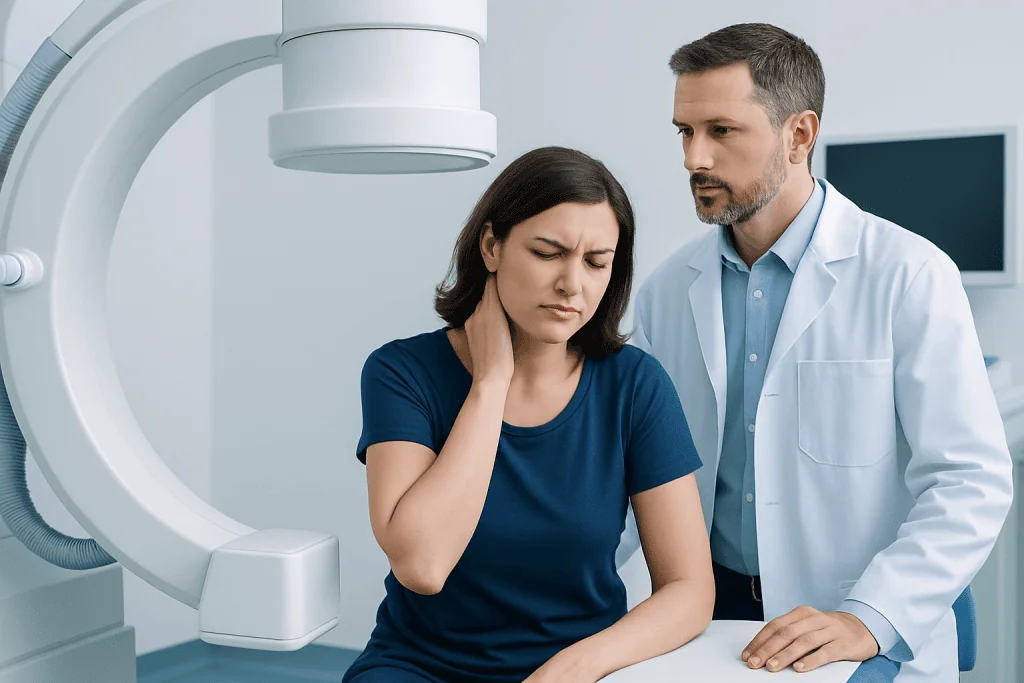
Musculoskeletal pain does not feel the same for everyone. Some people notice a dull, persistent ache after exercise or a workday. Others experience sharp pain with movement, morning stiffness, muscle tightness, or a heavy tired feeling in the limbs. Symptoms may worsen with walking, lifting, sitting for long periods, or repetitive tasks.
The pain may be localized to one structure, such as a strained muscle or inflamed tendon, or it may be more widespread. Joint-related pain is often linked with stiffness, swelling, clicking, or reduced range of motion. Muscle-related pain may feel more like tenderness, spasm, cramping, or weakness.
Common associated symptoms include:
- Stiffness, especially after rest or in the morning
- Swelling around a joint or soft tissue area
- Tenderness when pressing the affected area
- Weakness or difficulty using the area normally
- Reduced flexibility or range of motion
- Pain that gets worse with activity or repetitive movement
When symptoms are widespread and lasting, doctors may also consider related conditions such as fibromyalgia or inflammatory joint disease. The timing and pattern of the pain often provide important clues.
Common Causes and Related Conditions

Musculoskeletal pain can have many causes, and several may overlap. Everyday reasons include muscle strain, tendon irritation, ligament sprain, poor posture, repetitive stress, sports injuries, and physically demanding work. Even a sudden increase in exercise, prolonged sitting, or an uncomfortable sleeping position can trigger pain.
Joint and spine conditions are also frequent causes. These may include osteoarthritis, back and neck disorders, bursitis, tendinitis, and problems involving the discs or surrounding structures. In some people, pain begins after a clear injury; in others, it develops slowly as tissues are repeatedly stressed over time.
Certain medical conditions can lead to ongoing or recurrent musculoskeletal pain. These include inflammatory arthritis, autoimmune disease, infections, osteoporosis-related fractures, and generalized pain disorders. Depending on the symptoms, a doctor may evaluate for related problems such as rheumatoid arthritis or herniated disc.
Risk factors that can increase the chance of musculoskeletal pain include:
- Repetitive movements at work or during sports
- Poor ergonomics or posture
- Older age and age-related joint changes
- Previous injuries
- Obesity or excess mechanical stress on joints
- Low physical activity and muscle deconditioning
- Stress, poor sleep, or mood symptoms that amplify pain perception
How Doctors Diagnose the Cause
Diagnosis starts with a careful medical history. A doctor will usually ask when the pain started, where it is felt, what makes it better or worse, whether there was an injury, and whether symptoms such as swelling, numbness, weakness, fever, or fatigue are present. These details help distinguish common mechanical pain from inflammatory, neurologic, or systemic causes.
A physical examination often focuses on posture, walking pattern, joint movement, muscle strength, tenderness, and signs of swelling or instability. In many cases, this examination gives enough information to form an initial diagnosis and treatment plan.
Further tests are sometimes needed if symptoms are severe, do not improve, or suggest a more complex problem. These may include blood tests for inflammation or autoimmune disease, X-rays to look at bones and joints, or advanced imaging. Depending on the body area involved, a clinician may request MRI imaging or CT scan to evaluate bones, discs, soft tissues, or other internal structures more closely.
Accurate diagnosis matters because treatment depends on the source of the pain. For example, a muscle strain, osteoarthritis flare, pinched nerve, and inflammatory arthritis can all feel similar at first, but they are managed differently.
Treatment Options for Musculoskeletal Pain
Treatment is based on the cause, severity, and duration of symptoms. Mild pain from overuse or strain often improves with short-term rest, activity modification, heat or cold therapy, and gentle movement. Doctors may also recommend pain-relieving or anti-inflammatory medicines when appropriate, depending on a person’s health history.
Physical rehabilitation is often an important part of recovery. Guided stretching, strengthening, posture correction, and movement retraining can help reduce pain and prevent recurrence. For many people, physical therapy and rehabilitation improves function by addressing weakness, stiffness, and body mechanics rather than only masking symptoms.
If a joint, tendon, nerve, or spinal problem is involved, treatment may include splints, braces, injections, or specialist care. Some conditions need more targeted management, especially when pain is persistent, limits mobility, or is linked to structural damage. In select cases, surgery may be considered after proper evaluation, particularly if there is severe joint disease, instability, or nerve compression.
Chronic musculoskeletal pain often benefits from a broader plan. This may include regular exercise, sleep support, stress reduction, weight management, and treatment of contributing conditions such as arthritis or depression. The goal is not only pain relief, but also preserving movement, independence, and quality of life.
Prevention and Self-Care Strategies
Not all musculoskeletal pain can be prevented, but many everyday causes can be reduced with practical habits. A balanced routine that includes regular physical activity, muscle strengthening, flexibility work, and rest periods helps protect joints and soft tissues. Gradually increasing exercise intensity is safer than sudden bursts of activity.
Good posture and ergonomics also matter. Adjusting workstation height, lifting with proper technique, wearing supportive footwear, and taking breaks from repetitive tasks can reduce strain on the neck, back, shoulders, and knees. People who sit for long periods often benefit from standing, stretching, and moving at regular intervals.
Helpful self-care steps include:
- Resting briefly after a minor strain without staying inactive for too long
- Using ice soon after an acute injury and heat for muscle tightness when appropriate
- Starting gentle stretching once severe pain begins to settle
- Maintaining a healthy weight to reduce pressure on joints
- Prioritizing sleep, hydration, and stress management
- Following a rehabilitation plan consistently if prescribed
Self-care is most useful for mild, uncomplicated pain. If pain keeps returning, disrupts sleep, or interferes with normal activity, a medical review can help identify the underlying issue and prevent it from becoming long-lasting.
When to Seek Medical Care
Many episodes of musculoskeletal pain improve within days to a few weeks, especially if they are caused by overuse or a minor strain. Still, some symptoms should not be ignored. Medical assessment is advisable if pain is severe, keeps getting worse, lasts longer than expected, or limits walking, lifting, sleeping, or routine tasks.
Prompt medical care is especially important after a fall, sports injury, or accident if there is obvious swelling, deformity, inability to bear weight, or sudden loss of function. Numbness, tingling, weakness, or pain that shoots down an arm or leg may suggest nerve involvement and may need further evaluation.
People should seek urgent medical attention if musculoskeletal pain occurs with fever, unexplained weight loss, chest pain, shortness of breath, a hot red swollen joint, or loss of bladder or bowel control. These features can point to infection, fracture, spinal emergency, or another condition that needs timely treatment.
For international patients who need evaluation, Acibadem International’s multidisciplinary specialists and JCI-accredited hospitals diagnose and treat musculoskeletal conditions using a coordinated approach. Care may involve orthopedics, rehabilitation, pain management, rheumatology, and imaging services, depending on the likely cause of symptoms.
Frequently asked questions
What is considered musculoskeletal pain?
Musculoskeletal pain is pain involving muscles, bones, joints, tendons, ligaments, or nearby soft tissues. It may be felt in one area, such as the back or knee, or across several parts of the body.
What are the most common causes of musculoskeletal pain?
Common causes include muscle strain, overuse, poor posture, repetitive motion, minor injury, arthritis, and tendon or ligament problems. In some cases, inflammatory or autoimmune conditions can also be responsible.
Can stress make musculoskeletal pain worse?
Yes. Stress can increase muscle tension, affect sleep, and make pain feel more intense or harder to cope with. This does not mean the pain is not real; it means both body and mind can influence how pain is experienced.
How long does musculoskeletal pain usually last?
The duration depends on the cause. Mild pain from a strain or overuse may improve within days or weeks, while pain from arthritis, nerve problems, or chronic conditions may last longer and need ongoing management.
When should someone worry about muscle and joint pain?
Medical advice is important if pain is severe, keeps returning, lasts more than a few weeks, or limits normal activities. Urgent care is needed for pain after major injury, inability to bear weight, fever, marked swelling, numbness, or new weakness.
What doctor treats musculoskeletal pain?
Primary care doctors often evaluate the first symptoms and may begin treatment. Depending on the cause, care may also involve an orthopedist, rheumatologist, physiatrist, neurologist, pain specialist, or physical therapist.
References
- World Health Organization
- National Institute of Arthritis and Musculoskeletal and Skin Diseases
- American Academy of Orthopaedic Surgeons
- Centers for Disease Control and Prevention
- Mayo Clinic
This article is for general information only and is not a substitute for professional medical advice. Please consult a qualified doctor about your individual situation.
Joint and spine care in Turkey — expert assessment & treatment
JCI-accredited · board-certified surgeons · reply within 24h
Add us as a Preferred Source to see more of our trusted health content across Google Search, AI Overviews and Discover.