Mutation: What Patients Need to Know

A mutation is a change in DNA and may be inherited or acquired during life. Most mutations are neutral or harmless; some are beneficial, while others can contribute to disease.
Key Takeaways
- A mutation is a change in DNA and may be inherited or acquired during life.
- Most mutations are neutral or harmless; some are beneficial, while others can contribute to disease.
- The effect of a mutation depends on where it occurs, what gene is involved, and whether it changes how cells function.
- Genetic testing can help clarify diagnosis, family risk, and treatment planning in selected situations.
- A mutation result should be interpreted by qualified professionals because not all findings are medically significant.
A mutation is a change in DNA, the body's genetic instruction code. Many mutations do not cause illness, but some can influence inherited conditions, cancer risk, symptoms, and decisions about testing or treatment.
Overview: what a mutation means
A mutation is a change in DNA, the chemical code that carries genetic instructions in the body. DNA helps guide how cells grow, repair themselves, and carry out everyday functions. When a mutation happens, the instruction in one gene or a larger DNA segment is altered.
For patients, the most important point is that a mutation is not automatically a disease. Many mutations have no effect at all. Others may slightly change how the body works, increase the chance of a condition, or directly cause disease if they disrupt an important gene.
Mutations can be present from birth or develop later in life. An inherited mutation is passed from a parent through the egg or sperm and is present in nearly all cells. An acquired mutation develops after conception in a specific group of cells, often because of normal aging, random copying errors, or environmental exposures.
The word mutation is often discussed in cancer care, rare diseases, and family health history. It may come up during testing for unexplained symptoms, when assessing inherited risk, or while choosing targeted therapies for conditions such as cancer.
Types of mutations and why they matter
Doctors and genetic specialists describe mutations in several ways. One common distinction is between inherited mutations and somatic mutations. Inherited mutations are present from conception and may affect family members across generations. Somatic mutations happen in body cells during life and are not usually passed on to children.
Mutations can also be classified by the kind of DNA change involved. Some affect a single DNA letter. Others insert, delete, or rearrange larger pieces of genetic material. A very small change may have little effect, while a larger change may significantly alter how a gene works.
Another important distinction is the mutation’s effect. Some are benign, meaning they are not known to cause disease. Some are pathogenic, meaning they are known to disrupt normal function and contribute to illness. Others are called variants of uncertain significance, which means there is not yet enough evidence to say whether they are harmless or harmful.
These categories matter because they guide decision-making. A known harmful mutation may lead to closer monitoring, preventive care, family testing, or specific treatments. For example, molecular findings can help guide targeted therapy in some cancers and blood disorders.
Symptoms and health effects

A mutation itself does not create a universal set of symptoms. The effects depend on which gene is involved, whether one or both copies of the gene are affected, and which tissues rely on that gene’s function. Some people with a mutation have clear symptoms, while others remain healthy throughout life.
When symptoms do occur, they vary widely. Inherited mutations may contribute to developmental differences, metabolic disorders, blood conditions, nerve or muscle problems, or a higher likelihood of certain cancers. Acquired mutations may change how individual cells behave and can be part of the process that leads to tumors or other cell disorders.
Sometimes a person has a mutation but no symptoms because the body compensates, the gene change is mild, or the condition has incomplete penetrance. In other cases, symptoms appear only later in life. This is why family history, age of onset, and the pattern of symptoms can be very important in deciding whether genetic evaluation is helpful.
If a healthcare team suspects that a DNA change is contributing to symptoms, they may recommend further assessment through specialist review, blood tests, imaging, or genetic testing.
What causes mutations and who may be at higher risk
Mutations can happen for many reasons, and often there is no single identifiable cause. DNA naturally copies itself whenever cells divide. Small copying errors can occur, and most are repaired by the body. Some changes remain and become permanent mutations.
Inherited mutations come from a parent and may be more likely when there is a strong family history of a specific disorder, repeated cases of the same cancer, or illness appearing at younger-than-expected ages. However, a person may still have an inherited mutation even without a known family history, especially in small families or when relatives were never tested.
Acquired mutations become more common with age because cells divide many times over the years. Environmental factors may also contribute, including tobacco smoke, certain chemicals, radiation, ultraviolet light from the sun, or chronic inflammation. These exposures do not guarantee disease, but they can increase DNA damage in some tissues.
Risk is also influenced by chance. Some mutations arise spontaneously without anything a patient did or could have prevented. This can be reassuring for families, because a mutation result does not usually mean someone is at fault.
How mutations are diagnosed and interpreted
Evaluation usually starts with a medical history, family history, and physical examination. A doctor may ask about relatives with similar symptoms, early cancers, miscarriages, congenital conditions, or unexplained deaths. This information helps determine whether a genetic cause is likely and which tests may be useful.
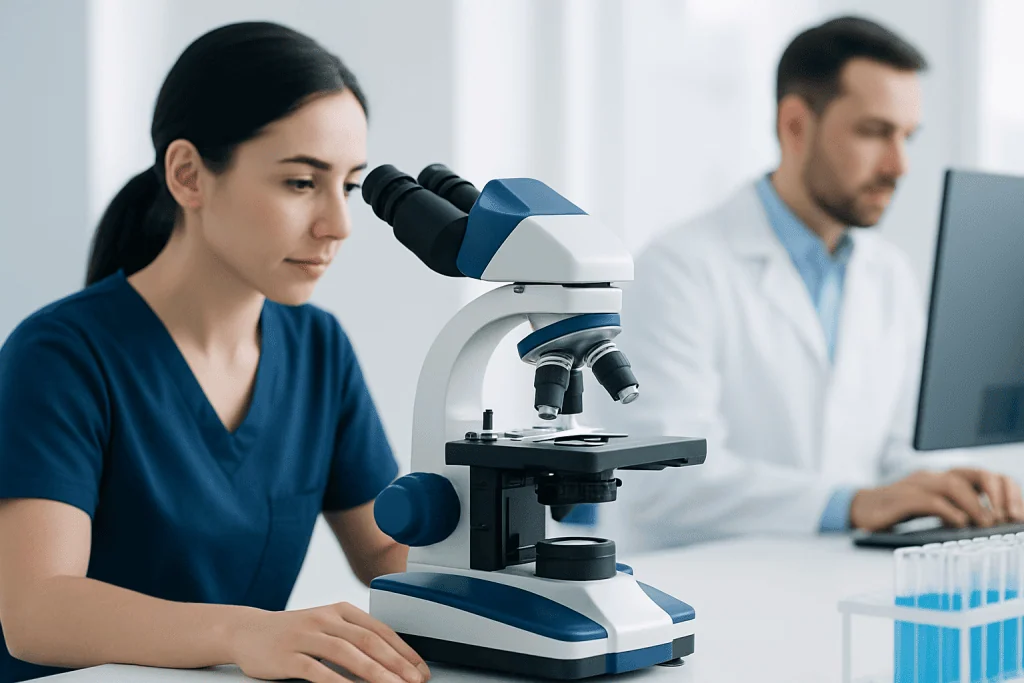
Testing may involve blood, saliva, bone marrow, or a tissue sample depending on the clinical question. Some tests look at a single gene, while others use broader gene panels or more extensive sequencing. In cancer, doctors may examine tumor tissue to identify acquired mutations that may affect diagnosis or treatment. This can be part of a broader oncology care plan.
Interpretation is a key part of the process. A result may show a benign change, a pathogenic mutation, or a variant of uncertain significance. A negative result also does not always rule out a genetic cause, because current technology cannot detect every possible DNA change and not all disease genes are fully understood.
Genetic counseling can help patients understand what a result means for their own health and for relatives. Counselors and physicians can explain inheritance patterns, possible next steps, screening options, and whether family members should consider testing.
Treatment options and ongoing management
There is no single treatment for mutation itself because management depends on the condition linked to the DNA change. In some cases, no treatment is needed and the finding only helps explain a trait or family pattern. In other situations, the result changes surveillance, medication choices, or the need for specialist follow-up.
For inherited disorders, treatment may focus on controlling symptoms, preventing complications, and monitoring organs that could be affected over time. This can include regular blood tests, imaging, lifestyle guidance, or care from neurology, cardiology, endocrinology, or other specialists depending on the gene involved.
In cancer care, mutation results may help classify a tumor and identify therapies more likely to work against specific molecular changes. Some patients may be considered for precision approaches such as immunotherapy or targeted medicines when appropriate. Decisions are individualized and depend on the full clinical picture, not on one genetic finding alone.
Near the end of the care pathway, some people also benefit from coordinated review in centers with genetics, pathology, and organ-specific expertise. Acibadem International’s multidisciplinary specialists and JCI-accredited hospitals evaluate and treat patients who need diagnosis and management related to genetic and mutation-based conditions.
Prevention, family planning, and self-care
Not all mutations can be prevented, especially inherited ones or those that occur randomly. Still, healthy habits can reduce avoidable DNA damage and support overall well-being. This includes not smoking, protecting skin from excess sun, limiting unnecessary radiation exposure, following workplace safety guidance, and keeping up with age-appropriate medical care.
For people with a known inherited mutation, prevention often means early detection rather than complete avoidance. A doctor may recommend periodic screening, laboratory monitoring, or imaging based on the specific gene and associated risks. Following the care plan consistently can help identify problems earlier, when they are easier to manage.
Family planning questions are common after a mutation is identified. Some people want to know the chance of passing a mutation to children or whether relatives should be informed and tested. Genetic counseling can provide practical, confidential support and explain available reproductive and family testing options in a neutral way.
Self-care also includes seeking reliable information. Online mutation results can be confusing without medical context. Patients are usually best served by discussing findings with a qualified doctor or genetics professional rather than trying to interpret raw reports alone.
When to seek medical care
Medical advice is appropriate if there is a strong family history of a particular disease, especially when several close relatives are affected, the condition appears at a young age, or multiple generations show a similar pattern. A person should also speak with a doctor if they have unexplained symptoms that suggest a possible inherited disorder or if a previous test has shown a mutation they do not understand.
Prompt review may be important after a new diagnosis of cancer, because mutation testing can sometimes help refine treatment planning. It is also reasonable to seek care before pregnancy or while planning a family if there is a known inherited condition in either parent or among close relatives.
Urgent care is not usually needed simply because the word mutation appears in a report. However, any severe or rapidly worsening symptoms should be assessed without delay according to standard medical advice. A healthcare professional can explain whether a mutation finding is incidental, informative, or important for immediate decisions.
If a patient is referred for further evaluation, this may include specialist review, laboratory analysis, imaging, or counseling. The goal is not only to label a DNA change, but to understand whether it meaningfully affects health and what next steps are appropriate.
Frequently asked questions
Is every mutation harmful?
No. Many mutations are harmless and do not cause disease. Some have no noticeable effect, while a smaller number may increase health risks or directly contribute to a condition.
What is the difference between an inherited mutation and an acquired mutation?
An inherited mutation is passed from a parent and is present from birth in most or all cells of the body. An acquired mutation develops later in life in specific cells, often through aging, random DNA copying errors, or environmental exposures.
If a genetic test finds a mutation, does that mean a person will definitely get sick?
Not always. Some mutations raise risk without guaranteeing disease, and some people never develop symptoms. The meaning depends on the specific gene, the type of mutation, and the person's medical and family history.
Can mutations cause cancer?
Yes, some mutations can contribute to cancer by affecting how cells grow, divide, or repair DNA. These may be inherited or may arise only in the tumor itself during a person's lifetime.
Should family members be tested if one person has a mutation?
Sometimes, yes. If the mutation is inherited and medically significant, relatives may benefit from counseling and possibly testing to understand their own risks. A genetics professional can explain who in the family is most likely to need evaluation.
Can mutations be prevented?
Inherited mutations cannot be prevented, and some acquired mutations happen naturally with age. However, people can reduce avoidable DNA damage by not smoking, protecting against excessive sun exposure, and following general preventive health advice.
References
- World Health Organization
- U.S. National Human Genome Research Institute
- MedlinePlus Genetics
- National Cancer Institute
- American College of Medical Genetics and Genomics
This article is for general information only and is not a substitute for professional medical advice. Please consult a qualified doctor about your individual situation.
Oncology care in Turkey — second opinion and treatment plan
JCI-accredited · board-certified surgeons · reply within 24h
Add us as a Preferred Source to see more of our trusted health content across Google Search, AI Overviews and Discover.