

My Period Won’t Stop But Its Light: What Is Normal, What Is Not, and When to Seek Care

Light bleeding that does not stop is often spotting or prolonged bleeding, not a normal full period. Common causes include hormonal fluctuations, birth control methods, stress, pregnancy-related issues, and uterine conditions.
Key Takeaways
- Light bleeding that does not stop is often spotting or prolonged bleeding, not a normal full period.
- Common causes include hormonal fluctuations, birth control methods, stress, pregnancy-related issues, and uterine conditions.
- Tracking timing, flow, and associated symptoms can help a doctor identify the cause.
- Care is important sooner if bleeding is frequent, lasts more than a week or two, or occurs with pain, fainting, or possible pregnancy.
- Treatment depends on the cause and may include observation, medication changes, hormone therapy, or evaluation for structural problems.
A light period that seems to continue for days or weeks is often due to spotting or prolonged light bleeding rather than a typical menstrual period. It can happen with hormonal changes, contraception, stress, or common gynecologic conditions, and it is worth medical attention if it keeps happening, lasts longer than usual, or comes with pain, dizziness, or bleeding after sex.
Overview: Is a Light Period That Won’t Stop Normal?
If someone thinks, “my period won’t stop but its light,” the most likely explanation is ongoing spotting or prolonged light bleeding rather than a usual menstrual period. This can happen from time to time and is not always a sign of a serious problem, especially around times of hormonal change such as the first few years after periods begin, after pregnancy, or near perimenopause.
However, light bleeding that continues for many days, returns often between periods, or changes a person’s usual cycle is not something to ignore. In medical terms, this is often discussed under abnormal uterine bleeding, which simply means bleeding that is different from what is typical for that person in timing, amount, or duration.
A helpful way to think about “normal” is to compare the bleeding with that person’s own pattern. Some cycles are naturally lighter or slightly longer than others. But if a light flow lingers beyond the usual period length, or if daily spotting starts to interfere with life, it is reasonable to seek evaluation.
What This Light Bleeding May Look Like
Persistent light bleeding can look different from person to person. Some notice pink, red, or brown discharge only when wiping. Others need a panty liner or light pad for several days because the bleeding never fully stops. Brown spotting usually means older blood leaving the uterus more slowly, while bright red blood suggests more active bleeding.
This pattern may occur before a true period, after a period seems to have ended, or unpredictably between cycles. It may be completely painless, or it may happen with mild cramping, bloating, breast tenderness, or mood changes. The exact pattern can offer clues about the cause.
Keeping a brief record can be very useful. Helpful details include:
- When the bleeding started and how long it has lasted
- Whether it is pink, red, or brown
- How many pads or liners are used
- Whether there is pelvic pain, fever, dizziness, or fatigue
- Whether bleeding occurs after sex or after missing birth control pills
Common Causes of Ongoing Light Bleeding

Hormonal shifts are one of the most common reasons for prolonged light bleeding. Ovulation changes, stress, travel, major weight changes, thyroid problems, and polycystic ovary syndrome can all affect the lining of the uterus and lead to spotting or a light period that drags on. This is especially common when cycles are naturally irregular.
Birth control is another frequent cause. Spotting can happen in the first months after starting or changing hormonal contraception, including pills, injections, implants, and hormonal IUDs. Missing pills or taking them at inconsistent times may also trigger breakthrough bleeding. Sometimes an adjustment in the contraception plan is all that is needed.
Structural conditions inside the uterus can also cause light but persistent bleeding. These include uterine fibroids, polyps, adenomyosis, or changes in the uterine lining. Infections of the cervix or uterus, sexually transmitted infections, and irritation after sex may lead to bleeding as well. Less commonly, persistent bleeding can be linked to precancerous changes or gynecologic cancers, particularly after age 45 or after menopause.
Pregnancy-related causes must also be considered when there is any chance of pregnancy. Implantation bleeding can be light and brief, but bleeding in early pregnancy can also signal miscarriage or an ectopic pregnancy, which needs urgent medical assessment.
When It May Be More Concerning
Light bleeding is not automatically dangerous, but certain patterns deserve more prompt medical attention. Bleeding that lasts longer than about one to two weeks, keeps returning over several cycles, or appears after sex should be evaluated. The same is true if periods suddenly become very irregular after having been predictable.
Other warning signs include pelvic pain, fever, unusual vaginal discharge, fatigue, shortness of breath, or dizziness. These symptoms may point to infection, anemia, or another underlying issue that should not be self-diagnosed. Even if the flow is light, symptoms around the bleeding matter.
Bleeding after menopause is never considered normal and should always be checked. A person should also seek prompt care if there is any possibility of pregnancy and they have light bleeding with one-sided pain, shoulder pain, fainting, or severe cramps, because these can be signs of an ectopic pregnancy.
How Doctors Find the Cause
Evaluation usually starts with a conversation about cycle history, medications, contraception, pregnancy possibility, and associated symptoms. A doctor may ask when the last normal period occurred, whether bleeding happens after sex, and whether there are signs of hormonal imbalance such as acne, hair growth changes, or weight shifts.
A physical and pelvic examination may be recommended, depending on age, symptoms, and comfort level. Tests often include a pregnancy test, blood work to check for anemia or thyroid problems, and sometimes screening for infection. If there are concerns about the cervix or uterine lining, a cervical screening test or endometrial sampling may be advised.
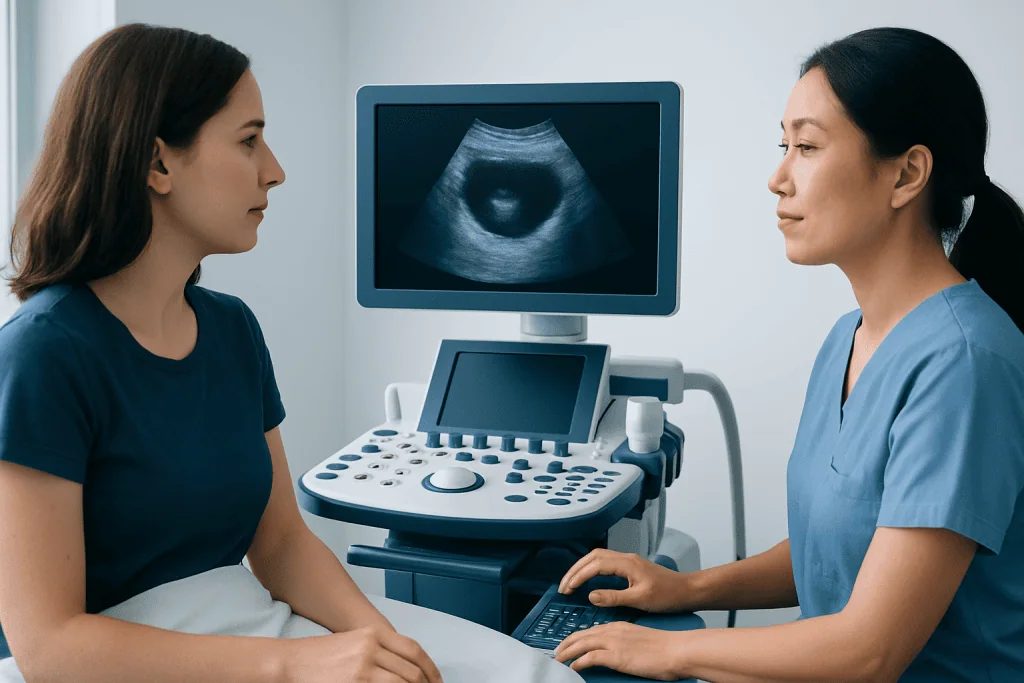
Imaging is often helpful when structural causes are suspected. A pelvic ultrasound can look for fibroids, polyps, ovarian cysts, or thickening of the uterine lining. In some cases, doctors may recommend pelvic ultrasound imaging or further evaluation with hysteroscopy to directly examine the inside of the uterus.
Treatment Options for Persistent Light Bleeding
Treatment depends on the cause, the person’s age, whether pregnancy is desired, and how disruptive the bleeding is. If the bleeding is mild and linked to a temporary hormonal shift, a doctor may suggest monitoring the pattern for a short time. When birth control is the trigger, changing the method or adjusting timing may help reduce breakthrough bleeding.
Hormonal treatment is commonly used when the uterine lining needs to be regulated. This may include contraceptive pills, progesterone-based therapy, or other individualized approaches. If there is heavy bleeding at times or low iron from long-term blood loss, treatment may also address anemia and its symptoms.
When a structural problem such as a polyp or fibroid is found, targeted treatment may be recommended. Depending on the situation, this can range from medication to procedures such as myomectomy or other minimally invasive approaches. If infection is present, appropriate antimicrobial treatment is needed.
Care should always be personalized. What works well for one person may not be right for another, especially if there are fertility plans, migraine, clotting risks, or other medical conditions to consider.
Self-Care, Cycle Tracking, and Prevention
Not every episode of light ongoing bleeding can be prevented, but careful cycle awareness can make changes easier to recognize early. Using a calendar or period-tracking app to note start dates, spotting days, symptoms, and birth control use can help reveal whether a pattern is random or recurring.
General health habits also support hormone balance. Managing stress, eating regularly, maintaining a stable weight, and taking medications as prescribed may reduce cycle disruption in some people. If hormonal contraception is used, taking it consistently is one of the best ways to lower the chance of breakthrough bleeding.
It is also important not to start supplements or hormone remedies without medical guidance, especially if bleeding has no clear explanation. Ongoing or unusual bleeding deserves a proper diagnosis before trying home treatments.
When to Seek Medical Care
Medical care is appropriate if light bleeding lasts longer than usual, comes back often, or is new for someone whose cycles are usually predictable. It is especially important to book an appointment if the bleeding happens after sex, between periods repeatedly, or after menopause.
Urgent care is needed for bleeding with severe pelvic pain, fainting, chest symptoms, fever, or possible pregnancy. A doctor can help determine whether the cause is hormonal, structural, infectious, or pregnancy-related and guide the next steps safely.
For people who need specialist evaluation, Acibadem International’s multidisciplinary specialists and JCI-accredited hospitals diagnose and treat gynecologic bleeding concerns for international patients, including assessment of uterine conditions and personalized care plans.
Frequently asked questions
Can a light period that will not stop still be normal?
Sometimes, yes. A brief episode of prolonged light bleeding can happen with stress, ovulation changes, or after starting hormonal birth control. But if it lasts longer than usual, keeps happening, or comes with other symptoms, it should be checked.
Is spotting the same as a period?
Not exactly. Spotting usually means light bleeding outside a typical menstrual flow or bleeding that is too light to be considered a full period. A person may describe both as “my period won't stop but its light,” but the distinction can help doctors find the cause.
Can birth control make light bleeding continue for weeks?
Yes, especially during the first few months after starting, stopping, or changing a hormonal method. Missing pills or taking them inconsistently can also cause breakthrough bleeding. A doctor can advise whether the method should be continued, adjusted, or changed.
Should a pregnancy test be done if bleeding is light but ongoing?
If there is any chance of pregnancy, a test is a good idea. Light bleeding can happen in early pregnancy, but it can also signal problems such as miscarriage or ectopic pregnancy. Pregnancy-related bleeding should not be assumed to be harmless.
What tests might be needed for persistent spotting?
A doctor may recommend a pregnancy test, blood tests, infection screening, and sometimes a pelvic exam. Depending on age and symptoms, imaging such as pelvic ultrasound or procedures to examine the uterus may be useful.
When is light bleeding an emergency?
Urgent care is needed if light bleeding happens with severe pain, fainting, dizziness, shortness of breath, fever, or possible pregnancy. Bleeding after menopause also needs prompt medical evaluation. Even a light flow can be important when it appears with warning signs.
References
- American College of Obstetricians and Gynecologists
- National Institute for Health and Care Excellence
- Office on Women's Health
- Mayo Clinic
- World Health Organization
This article is for general information only and is not a substitute for professional medical advice. Please consult a qualified doctor about your individual situation.
Explore treatments in Turkey — costs, top hospitals & a free quote
JCI-accredited · board-certified surgeons · reply within 24h
Add us as a Preferred Source to see more of our trusted health content across Google Search, AI Overviews and Discover.
Check your numbers in seconds
BMI, calories, due date, blood pressure and 30+ more clinical calculators — free, instant, doctor-reviewed ranges.

More from the Health Library



Related Specialists

Prof. Dr. Tansu Karaahmet
Cardiology
Prof. Dr. Alper Celal Akcan
General Surgery
Selvî Yüce
Physical Medicine & Rehabilitation
Assoc. Prof. Dr. Bahar Sevimli Dikicier
Dermatology