

Myelopathy: Early Signs, Risk Factors, and How It Is Treated

Myelopathy describes problems caused by injury or pressure affecting the spinal cord. Common early signs include hand clumsiness, gait imbalance, numbness, weakness, and changes in fine motor skills.
Key Takeaways
- Myelopathy describes problems caused by injury or pressure affecting the spinal cord.
- Common early signs include hand clumsiness, gait imbalance, numbness, weakness, and changes in fine motor skills.
- Degenerative cervical spine disease is a common cause, but trauma, tumors, infection, inflammation, and vitamin deficiency can also be involved.
- Diagnosis usually combines a neurological exam with MRI and other tests to identify the level and cause of spinal cord involvement.
- Treatment may include monitoring, medication, rehabilitation, and sometimes surgery to relieve spinal cord compression.
- Prompt medical assessment is important if symptoms are progressive or if bladder, bowel, or walking problems appear.
Myelopathy is a term for spinal cord dysfunction, usually caused by pressure on the cord in the neck or back. Early recognition matters because symptoms such as hand clumsiness, balance changes, numbness, or weakness can worsen over time, and treatment depends on the cause and severity.
Overview: what myelopathy means
Myelopathy means the spinal cord is not working normally. In many people, this happens because the cord is being compressed by changes in the spine, especially in the neck, but it can also result from inflammation, infection, reduced blood supply, trauma, tumors, or nutritional problems. Because the spinal cord carries signals between the brain and the body, symptoms can affect strength, sensation, coordination, reflexes, and bladder or bowel control.
A helpful way to think about myelopathy is that it describes a pattern of spinal cord dysfunction rather than a single disease. Doctors often classify it by location, such as cervical myelopathy in the neck, thoracic myelopathy in the upper or mid-back, or less commonly problems affecting lower cord regions. The exact symptoms depend on where the cord is affected and what is causing the damage.
One reason myelopathy deserves attention is that it may begin subtly. Some people notice that buttons are harder to fasten, handwriting becomes less steady, or walking feels less secure. Others develop numbness, weakness, stiffness, electric shock-like sensations, or urgency with urination. These symptoms can overlap with other neurological or spine conditions, so proper evaluation is important.
Early signs and symptoms
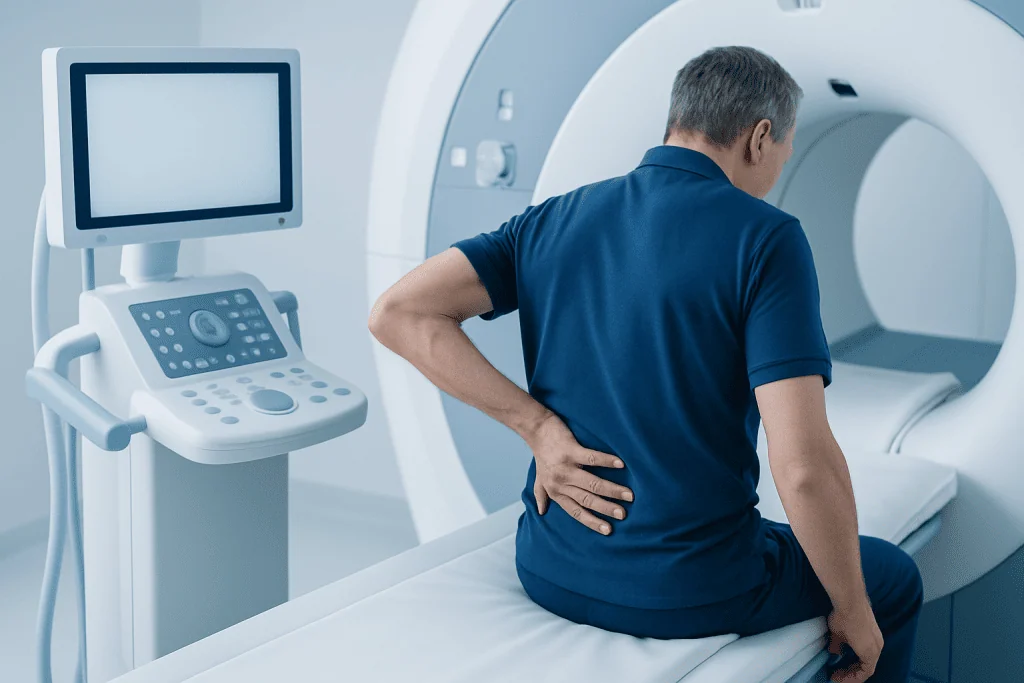
The early signs of myelopathy are often gradual rather than dramatic. A person may first notice reduced dexterity in the hands, dropping objects more often, difficulty using keys or zippers, or a sense that the legs feel stiff or unsteady. Balance can worsen before pain becomes a major issue, especially in cervical myelopathy.
Symptoms vary by the area of the spinal cord involved. When the neck is affected, problems may involve both the arms and legs because the cervical cord carries signals to much of the body. Thoracic cord problems may affect the trunk and legs more than the hands. Some people also develop tingling, numbness, muscle weakness, increased reflexes, cramps, or a band-like tight feeling around the torso.
Doctors often look for a combination of symptoms and neurological signs that suggest spinal cord involvement rather than a pinched nerve alone. Features that can occur with myelopathy include:
- Hand clumsiness or loss of fine motor control
- Gait imbalance or frequent stumbling
- Numbness or tingling in the arms, legs, or trunk
- Muscle weakness, heaviness, or stiffness
- Neck or back pain, sometimes but not always present
- Urgency, hesitancy, or other bladder changes
- In more advanced cases, bowel dysfunction
Not everyone has all of these symptoms. Some people have significant spinal cord compression on imaging but only mild symptoms, while others are more clearly affected in daily life. Because progression can be unpredictable, ongoing symptoms should be assessed by a qualified clinician.
Causes and risk factors

The most common cause of myelopathy in adults is degenerative change in the spine. Over time, discs can bulge, ligaments can thicken, and bone spurs can form, narrowing the spinal canal and pressing on the cord. In the neck, this is commonly referred to as cervical spondylosis, which may lead to cervical myelopathy when the cord is affected.
Other causes are also important. A herniated disc can compress the cord more suddenly. Trauma, fractures, or spinal instability may injure the cord directly or narrow the canal. Tumors, abscesses, and inflammatory diseases such as multiple sclerosis or transverse myelitis can cause myelopathy by affecting the cord tissue itself. Reduced blood flow to the cord, prior radiation, and certain vitamin deficiencies, especially vitamin B12 deficiency, can also contribute.
Risk factors depend on the underlying cause but often include increasing age, known spinal arthritis, previous spinal injury, congenital narrow spinal canal, osteoporosis, inflammatory disease, cancer history, infection risk, and nutritional deficiency. People with progressive degenerative spine conditions may also be at higher risk if they already have significant narrowing on imaging.
Because some symptoms overlap with nerve root compression, neuropathy, or brain disorders, diagnosis should not rely on symptoms alone. For example, neck arthritis may cause arm pain from a pinched nerve, while myelopathy suggests the spinal cord itself is involved and typically needs closer attention.
How myelopathy is diagnosed
Diagnosis begins with a detailed history and neurological examination. The doctor asks when symptoms began, whether they are progressing, and how they affect walking, hand function, work, sleep, and bladder or bowel habits. On examination, they assess strength, sensation, reflexes, balance, coordination, and gait. Certain reflex changes or signs of increased muscle tone may suggest spinal cord involvement.
MRI is usually the most informative imaging test because it shows the spinal cord, discs, ligaments, and soft tissues in detail. It can identify compression, inflammation, tumors, or signal changes in the cord that may reflect injury. CT scans and plain X-rays may help evaluate bone anatomy, alignment, fractures, or spinal instability. In some cases, CT myelography is used when MRI is not possible or does not answer the clinical question.
Additional tests may be recommended depending on the suspected cause. Blood tests can help look for infection, inflammation, autoimmune disease, or vitamin deficiency. Nerve conduction studies and electromyography may help distinguish myelopathy from peripheral nerve disorders or combined conditions. If inflammatory or infectious causes are suspected, further neurological testing may be needed.
A careful diagnosis matters because treatment differs widely between degenerative compression, inflammatory disease, infection, and tumor-related causes. The goal is not only to name the problem, but also to determine whether the spinal cord is under ongoing threat and whether urgent treatment is needed.
Treatment options for myelopathy
Myelopathy treatment depends on the cause, the severity of symptoms, and whether the condition is stable or worsening. When symptoms are mild and there is no rapid progression, doctors may recommend close monitoring, activity modification, physical therapy, pain management, and treatment of contributing medical issues. However, conservative care does not remove significant mechanical pressure from the spinal cord if that is the underlying problem.
When myelopathy is caused by spinal cord compression and symptoms are progressive, surgery is often considered to prevent further decline and, in many cases, improve function. The operation is tailored to the level and cause of compression and may involve removing pressure from the cord and stabilizing the spine if needed. Relevant procedures can include spinal fusion surgery and laminectomy in selected patients.
If the cause is inflammatory, infectious, nutritional, vascular, or tumor-related, treatment focuses on that specific problem. This may involve medications, antibiotics, immune therapy, vitamin replacement, or coordinated cancer care. Rehabilitation can be an important part of recovery for many causes, helping improve mobility, strength, balance, and independence in daily activities.
In practice, treatment planning often involves more than one specialty. Neurology, neurosurgery, orthopedics, rehabilitation medicine, radiology, and physical therapy may all contribute to care. Near the end of the treatment pathway, some international patients seek evaluation at centers such as Acibadem International, where multidisciplinary specialists in JCI-accredited hospitals diagnose and treat complex spine and neurological conditions.
Living with myelopathy: self-care and prevention
Self-care cannot cure myelopathy, but it can support function and safety while medical treatment is being planned or after treatment has begun. Many people benefit from practical strategies such as using handrails, wearing supportive footwear, reducing trip hazards at home, and pacing activities to limit fatigue. If walking is unsteady, a doctor or therapist may recommend an assistive device.
Physical and occupational therapy may help maintain flexibility, strengthen supporting muscles, and improve balance and hand function. It is usually best to follow a personalized plan rather than attempting forceful neck or back exercises without guidance, especially when spinal cord compression is known or suspected. Good posture, ergonomic work habits, and regular low-impact movement may also support overall spine health.
Prevention depends on the cause. Degenerative spinal changes cannot always be prevented, but bone health, fall prevention, smoking cessation, and management of chronic conditions may reduce related risks. Early treatment of infections or inflammatory disorders and correction of nutritional deficiencies can also help protect the spinal cord in some situations.
People who have already been diagnosed should keep follow-up appointments and report new symptoms promptly. A condition that seems stable can change over time, and early reassessment may prevent more lasting disability.
When to seek medical care
Medical assessment is advisable if there is ongoing numbness, weakness, hand clumsiness, balance difficulty, or new problems with coordination that do not quickly resolve. Even mild symptoms can matter when they suggest the spinal cord is involved. Progressive symptoms deserve prompt evaluation rather than a wait-and-see approach.
Urgent care is especially important if there is sudden weakness, rapidly worsening walking difficulty, new bladder or bowel dysfunction, severe back or neck pain after trauma, fever with spine pain, or known cancer with new neurological symptoms. These features can signal significant spinal cord compression or another condition that requires timely treatment.
People who have been told they have spinal canal narrowing, disc disease, or spinal stenosis should also seek medical review if their symptoms change. Depending on the findings, doctors may recommend neurological evaluation, rehabilitation, or procedures such as microdiscectomy when disc-related compression is part of the problem.
Frequently asked questions
Is myelopathy the same as a pinched nerve?
No. A pinched nerve usually refers to compression of a nerve root, while myelopathy means the spinal cord itself is affected. Myelopathy is often taken more seriously because the spinal cord controls many functions below the level of compression.
Can myelopathy get better without surgery?
Sometimes symptoms can remain stable or improve somewhat with treatment of the underlying cause, rehabilitation, and careful monitoring. However, if myelopathy is due to significant spinal cord compression and symptoms are progressing, surgery may be the best option to prevent further damage. The right approach depends on imaging findings, neurological examination, and how symptoms are changing over time.
What is cervical myelopathy?
Cervical myelopathy is spinal cord dysfunction caused by a problem in the neck region of the spine. It commonly results from age-related degenerative changes that narrow the spinal canal. Because the cervical spinal cord carries signals to the arms and legs, symptoms may affect both hand function and walking.
Does myelopathy always cause pain?
No. Some people have clear neurological symptoms such as clumsiness, weakness, stiffness, or balance problems with little or no pain. This is one reason the condition may be overlooked at first, especially when symptoms begin gradually.
How serious is myelopathy?
The seriousness varies with the cause, location, and speed of progression. Mild cases may remain stable for a time, while others can worsen and lead to lasting weakness, walking difficulty, or bladder problems if not treated. A doctor can assess urgency based on the symptoms and test results.
What tests are usually used to confirm myelopathy?
Doctors usually combine a neurological examination with imaging, most often MRI. Additional tests may include CT, X-rays, blood tests, and nerve studies depending on what is suspected. These tests help identify both the location of spinal cord involvement and the underlying cause.
References
- National Institute of Neurological Disorders and Stroke
- American Academy of Orthopaedic Surgeons
- National Institute of Arthritis and Musculoskeletal and Skin Diseases
- American Association of Neurological Surgeons
- World Health Organization
This article is for general information only and is not a substitute for professional medical advice. Please consult a qualified doctor about your individual situation.
Persistent digestive symptoms? Get evaluated in Turkey
JCI-accredited · board-certified surgeons · reply within 24h
Add us as a Preferred Source to see more of our trusted health content across Google Search, AI Overviews and Discover.

More from the Health Library



Related Specialists

Dr. Abdurrahman Şaban
Pulmonology
Asst. Prof. Dr. Baran Cengiz Arcağök
Pediatrics
Dr. Erdem Kaplan
Emergency Service
Assoc. Prof. Dr. Deniz Can Aliş
Radiology