Myomectomy in Turkey: Hospitals, Safety & What to Expect

Myomectomy removes fibroids but preserves the uterus, unlike hysterectomy. Open, laparoscopic, robotic-assisted and hysteroscopic approaches may be used depending on fibroid characteristics.
Key Takeaways
- Myomectomy removes fibroids but preserves the uterus, unlike hysterectomy.
- Open, laparoscopic, robotic-assisted and hysteroscopic approaches may be used depending on fibroid characteristics.
- A thorough gynecological assessment and imaging are essential before surgery, particularly for patients travelling internationally.
- Recovery time varies substantially by procedure type, from days after hysteroscopic surgery to several weeks after open surgery.
- Fibroids can recur after myomectomy, so ongoing gynecological follow-up may still be needed.
- Urgent assessment is important for severe pelvic pain, heavy bleeding, fainting, fever or possible pregnancy complications.
Myomectomy in Turkey is a surgical option for removing uterine fibroids while keeping the uterus in place. The appropriate surgical approach, recovery plan and suitability for travel depend on the number, size and location of fibroids, symptoms, overall health and future pregnancy plans.
Overview: Myomectomy in Turkey
Myomectomy in Turkey is performed to remove noncancerous growths of the uterus, called fibroids, while preserving the uterus. It may be considered when fibroids cause heavy or prolonged menstrual bleeding, pelvic pressure, pain, anemia, urinary or bowel symptoms, or concerns related to fertility and pregnancy.
For international patients, safe planning involves more than choosing a destination. A gynecologist should confirm that surgery is appropriate, identify the fibroids accurately with imaging, discuss the likely surgical method and ensure there is enough time for recovery before travel. Learn more about myomectomy as a uterus-preserving treatment and the factors that guide care.
Turkey has hospitals that provide specialist gynecology, imaging, anesthesia and surgical services. Patients should look for clear communication, documented preoperative assessment, transparent discharge planning and arrangements for postoperative follow-up at home.
How Myomectomy Works and Who May Be a Candidate
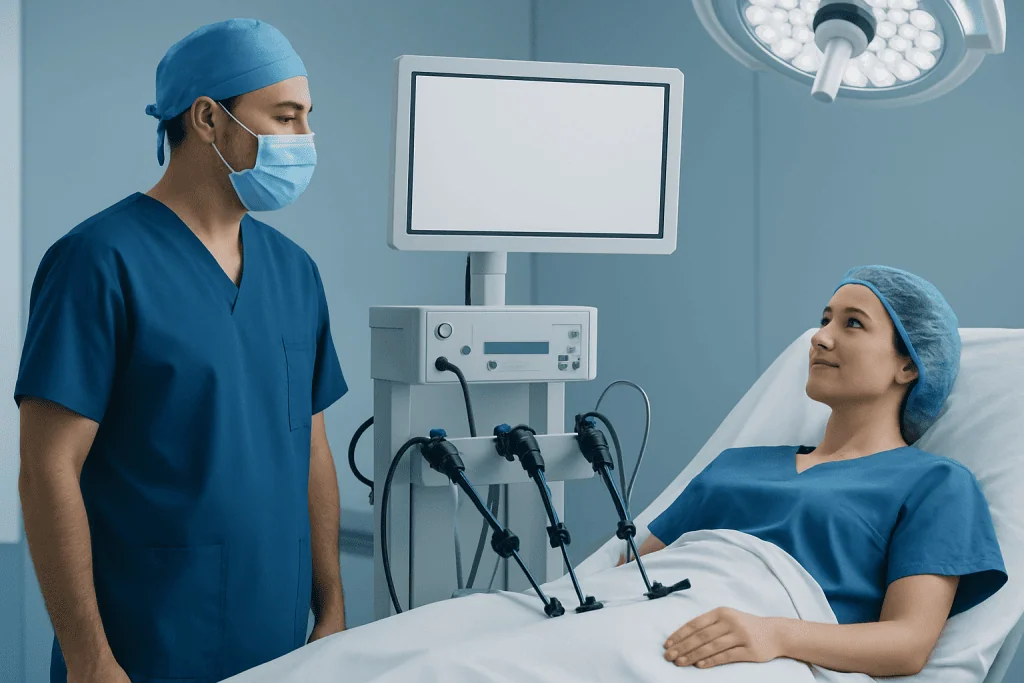
During a myomectomy, the surgeon separates fibroids from the surrounding uterine muscle and repairs the uterine wall. The operation is designed to relieve symptoms linked to fibroids without removing the uterus. It is not suitable for every person with fibroids, because some fibroids cause few or no symptoms and can be monitored instead.
Potential candidates commonly have symptoms affecting daily life, anemia due to menstrual blood loss, fibroids that distort the uterine cavity, or reproductive goals that make uterine preservation important. Decisions are individualized. Age, pregnancy plans, the size and number of fibroids, prior operations, medical conditions and the likelihood that symptoms are truly caused by fibroids all matter.
Fibroids are common and usually benign. However, an assessment is needed to distinguish them from other gynecological conditions and to decide whether observation, medicines, minimally invasive procedures or surgery is the most appropriate option. Uterine fibroids can vary widely in their location and effects, which is why one treatment approach does not fit everyone.
- Submucosal fibroids grow toward the uterine cavity and may affect bleeding or fertility.
- Intramural fibroids develop within the uterine muscle.
- Subserosal fibroids grow outward from the uterus and may cause pressure symptoms.
Assessment and Planning Before Surgery

A preoperative consultation generally includes discussion of symptoms, menstrual history, medications, previous pregnancies and operations, medical conditions and future fertility plans. The clinician will also review whether there are signs of anemia or other health issues that should be addressed before an operation.
Pelvic ultrasound is commonly used to identify and measure fibroids. Depending on the clinical question, magnetic resonance imaging may help map multiple or large fibroids and support surgical planning. Blood tests may include a complete blood count and tests requested by the anesthesia team. Further evaluation may be advised if abnormal bleeding needs investigation.
For people travelling to Turkey, recent imaging and medical records can help the team provide an initial opinion before arrival, but the final plan should follow an in-person assessment. Patients should share all medicines and supplements, including blood-thinning medicines, and ask whether they need to stop or adjust any treatment before surgery.
Travel planning should allow time for consultation, surgery, early recovery and a postoperative check. It is also sensible to arrange accommodation close to the hospital, a support person where possible, accessible transport and a plan for follow-up with a gynecologist after returning home.
Types of Myomectomy and the Procedure Step by Step
The surgical technique is chosen according to fibroid location, size and number. Hysteroscopic myomectomy is performed through the vagina and cervix, without abdominal incisions, to remove selected fibroids inside the uterine cavity. Laparoscopic or robotic-assisted myomectomy uses small abdominal incisions and specialized instruments. Open abdominal myomectomy uses a larger incision and may be recommended for very large, numerous or complex fibroids.
On the day of surgery, the patient meets the surgical and anesthesia teams, confirms consent and has final safety checks. Myomectomy is usually performed under general anesthesia. The surgeon accesses the uterus using the planned approach, identifies the fibroid or fibroids, removes them and carefully closes the uterine muscle when needed. Tissue removed during surgery is generally sent for laboratory examination.
After surgery, the patient is monitored as anesthesia wears off. Pain relief, nausea management, early movement and checks for bleeding are important parts of immediate care. Some hysteroscopic and laparoscopic procedures may involve a short hospital stay or same-day discharge when clinically appropriate, while open surgery commonly requires a longer stay.
The surgeon may discuss whether the uterine incision could influence recommendations for a future pregnancy or delivery. This depends on the depth and location of uterine repair and should be reviewed with an obstetrician before or during a subsequent pregnancy.
Benefits, Limitations and Possible Risks
The main potential benefit of myomectomy is symptom relief while retaining the uterus. Many patients experience improvement in heavy bleeding, pelvic pressure or pain after recovery. For selected patients, removing cavity-distorting fibroids may also support fertility planning, although fertility outcomes depend on many factors beyond fibroids.
Myomectomy has limitations. It does not prevent new fibroids from developing or existing small fibroids from growing later. Symptoms can therefore recur, and some patients may need additional treatment in the future. Myomectomy is also not always the best solution for every type of fibroid or every reproductive situation.
As with any operation, risks include bleeding, infection, blood clots, reactions to anesthesia, pain, scarring and injury to nearby organs such as the bladder or bowel. Rarely, severe bleeding or unexpected surgical findings may require a change in the planned procedure, including hysterectomy. A surgeon should explain individual risks before consent.
Adhesions, which are bands of internal scar tissue, can occur after pelvic surgery and may affect pain or fertility in some cases. Choosing the least invasive safe approach may reduce recovery burden for some patients, but the best method is the one that allows complete and safe treatment of the relevant fibroids.
Recovery Timeline, Self-Care and Travel Considerations
Recovery varies by procedure. After hysteroscopic myomectomy, cramping and light bleeding or discharge may occur for a short period, and many people resume light activities relatively quickly. Laparoscopic or robotic-assisted surgery generally requires several weeks for a fuller recovery. Open abdominal myomectomy often requires a longer healing period, frequently several weeks or more.
In the early recovery period, patients should take prescribed medicines as directed, walk gently when advised, rest adequately and follow instructions about wound care, bathing, driving, lifting, exercise and sexual activity. Constipation can be uncomfortable after anesthesia and surgery, so hydration, fiber and clinician-approved measures may be helpful.
International patients should not schedule a return flight until the treating team considers it medically appropriate. Long-distance travel after surgery requires attention to comfort, mobility and blood-clot prevention measures advised by the clinician. The timing of travel depends on the operation, recovery progress and individual risk factors.
Acibadem International’s multidisciplinary specialists and JCI-accredited hospitals support diagnosis and treatment planning for international patients, including coordination of hospital care and practical recovery arrangements. A patient should also have a clear written summary of the procedure, medications, warning signs and recommended follow-up to share with their local clinician.
When to Seek Medical Care
Before surgery, medical assessment is important for heavy menstrual bleeding, pelvic pain or pressure, rapidly changing symptoms, anemia symptoms such as marked fatigue or breathlessness, difficulty becoming pregnant, or symptoms that interfere with daily life. A gynecologist can determine whether fibroids are contributing and discuss appropriate options.
After myomectomy, patients should contact the surgical team promptly for worsening pain, persistent vomiting, increasing redness or drainage from an incision, fever, heavy vaginal bleeding, foul-smelling discharge, difficulty passing urine, calf swelling or new shortness of breath. These symptoms do not always indicate a serious problem, but they need timely assessment.
Emergency care is needed for severe or sudden abdominal pain, very heavy bleeding, fainting, chest pain, breathing difficulty or signs of a severe allergic reaction. Pregnant patients with prior myomectomy should ensure their maternity team knows about the operation early in pregnancy so that care can be planned appropriately.
Frequently asked questions
Is myomectomy in Turkey safe?
Safety depends primarily on appropriate patient selection, experienced surgical and anesthesia teams, hospital standards and careful follow-up planning. Patients travelling for surgery should have a full preoperative assessment, understand the planned procedure and allow sufficient time in the country for recovery and review before flying home.
Can myomectomy improve fertility?
Myomectomy may be helpful when fibroids distort the uterine cavity or are otherwise believed to affect fertility or pregnancy. It does not guarantee pregnancy, because age, ovulation, fallopian tube function, sperm factors and other conditions also influence fertility. A gynecologist or fertility specialist can advise whether fibroid removal is likely to be beneficial.
How long does recovery take after myomectomy?
Recovery depends on the surgical approach and individual healing. Hysteroscopic procedures often have the shortest recovery, while laparoscopic surgery generally needs several weeks and open abdominal surgery can require a longer period. The surgeon provides personalized advice about work, exercise, travel and other activities.
Will fibroids return after myomectomy?
They can. Myomectomy removes existing fibroids but does not stop new fibroids from developing or small untreated fibroids from growing. Follow-up is particularly important if symptoms return or if future pregnancy is being planned.
What is the difference between myomectomy and hysterectomy?
Myomectomy removes fibroids and leaves the uterus in place. Hysterectomy removes the uterus and permanently ends the ability to carry a pregnancy. The appropriate choice depends on symptoms, fibroid characteristics, medical history and personal preferences.
When can someone travel after myomectomy?
The right time to travel is individualized and should be confirmed by the treating surgeon. It depends on the type of operation, mobility, pain control, bleeding, wound healing and blood-clot risk. Patients should avoid making inflexible travel arrangements before receiving postoperative clearance.
References
- American College of Obstetricians and Gynecologists
- National Institute for Health and Care Excellence
- Mayo Clinic
- World Health Organization
This article is for general information only and is not a substitute for professional medical advice. Please consult a qualified doctor about your individual situation.
Persistent digestive symptoms? Get evaluated in Turkey
JCI-accredited · board-certified surgeons · reply within 24h
Add us as a Preferred Source to see more of our trusted health content across Google Search, AI Overviews and Discover.