Naloxone Nasal Spray — Explained by Medical Evidence, Not Myths
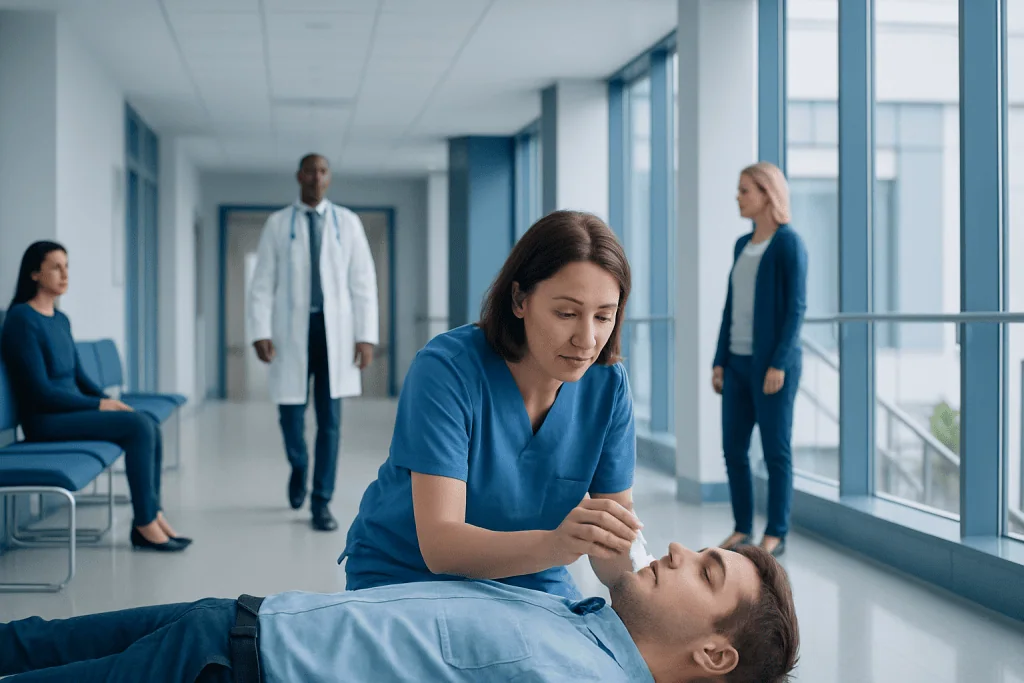
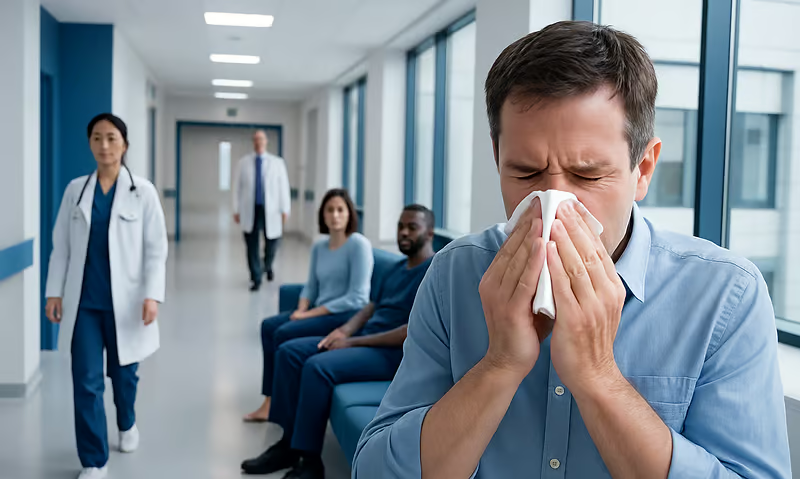
Naloxone nasal spray can temporarily reverse an opioid overdose by blocking opioid effects in the brain. It should be given right away if overdose is suspected, even if the person is not known to use opioids.
Key Takeaways
- Naloxone nasal spray can temporarily reverse an opioid overdose by blocking opioid effects in the brain.
- It should be given right away if overdose is suspected, even if the person is not known to use opioids.
- Emergency services should always be called after naloxone is used because its effects can wear off.
- Naloxone will not reverse overdoses caused only by alcohol, benzodiazepines, or stimulants.
- Withdrawal symptoms can happen after naloxone, but restoring breathing is the immediate priority.
Naloxone nasal spray is a fast-acting medicine used to temporarily reverse the effects of an opioid overdose, especially slowed or stopped breathing. It is designed for emergency use by bystanders, but it does not replace urgent medical care or treatment for opioid use disorder.
What naloxone nasal spray is and what it does
Naloxone nasal spray is an emergency medicine that can quickly reverse the life-threatening effects of an opioid overdose. It works by temporarily blocking opioids from attaching to receptors in the brain, which can help restore normal breathing in a person whose breathing has become dangerously slow or has stopped.
This medicine is used when an opioid overdose is known or suspected. It is commonly carried by family members, caregivers, first responders, and people at increased risk of overdose. Because it is delivered through the nose, it is designed to be used by non-medical bystanders as well as healthcare professionals.
Naloxone is not a treatment for addiction, and it is not the same as emergency room care. Its effect may wear off before the opioid has fully left the body, which means overdose symptoms can return. For that reason, naloxone buys time, but it does not complete treatment.
How it works in an overdose emergency
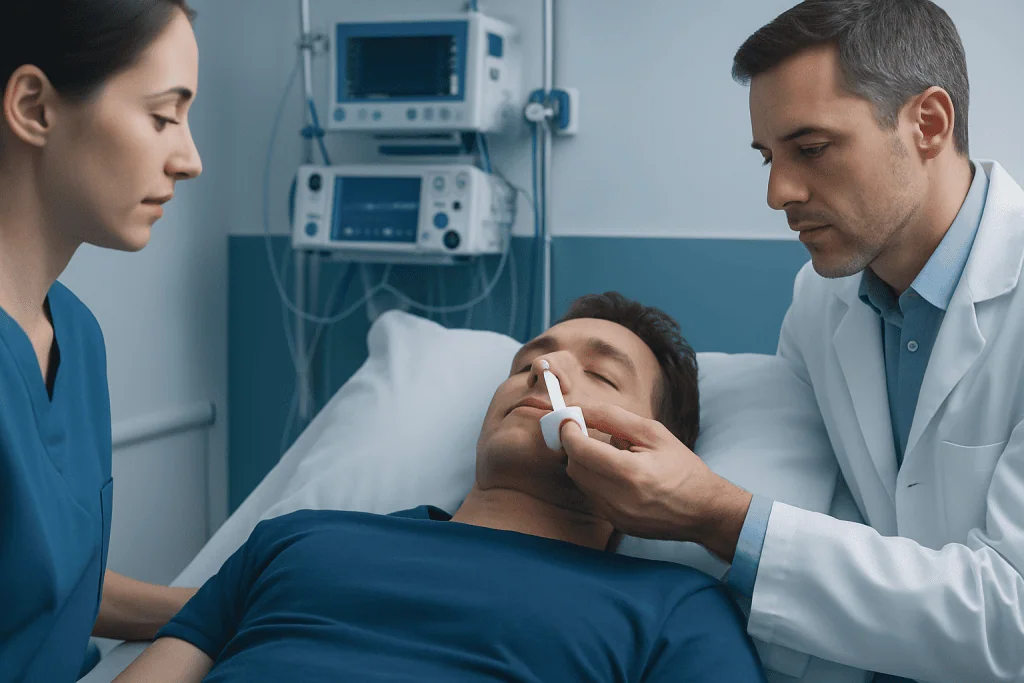
Opioids such as heroin, fentanyl, morphine, oxycodone, and some prescription pain medicines can slow breathing by acting on specific receptors in the brain. In an overdose, this effect can become severe enough to reduce oxygen to the body and brain. Naloxone rapidly displaces the opioid from those receptors and reduces its effect for a limited time.
Naloxone usually starts working within minutes, but response time can vary depending on the type of opioid, the amount taken, and whether other substances were involved. A person may become more awake, breathe more normally, cough, or move after receiving the spray. Some people need more than one dose, especially with potent or long-acting opioids.
A key myth is that naloxone “cures” an overdose. Medical evidence shows that it is a temporary reversal agent, not a cure. The person still needs close observation and emergency assessment because symptoms can return after the naloxone effect fades.
When naloxone nasal spray should be used
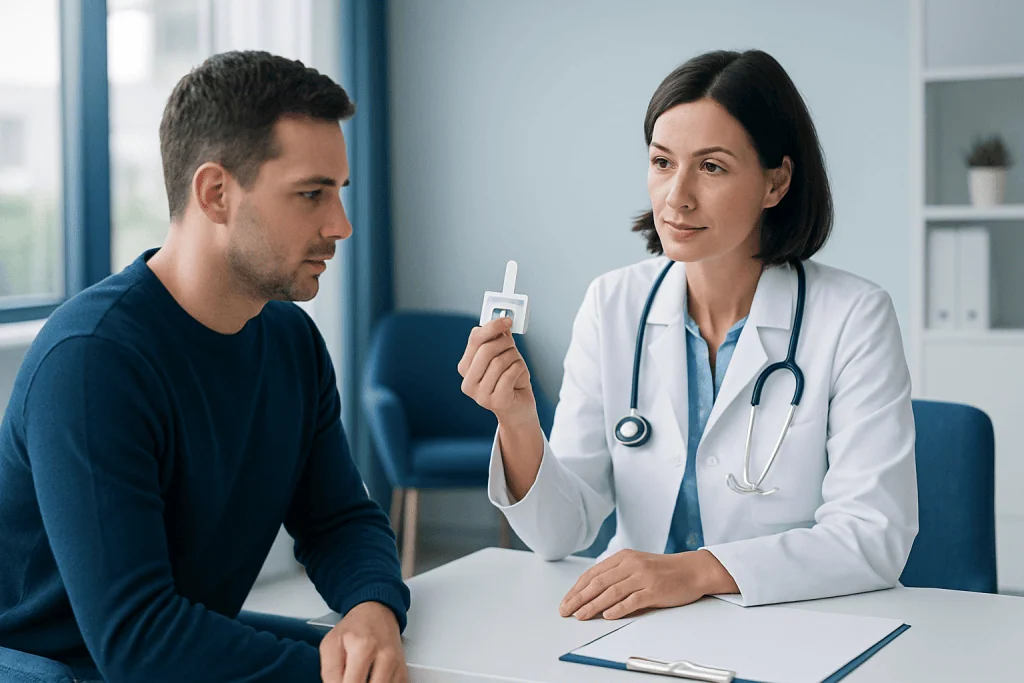
Naloxone nasal spray should be used as soon as an opioid overdose is suspected. Signs can include very slow, shallow, or absent breathing, extreme sleepiness, inability to wake the person, limp body, pinpoint pupils, pale or bluish lips or nails, choking sounds, or gurgling breathing. In an emergency, it is safer to use naloxone if opioid overdose is possible than to delay because of uncertainty.
It may also be needed when opioids have been taken together with other substances. Mixed overdoses can be harder to recognize, but if opioids are part of the picture, naloxone may still help improve breathing. After giving the spray, emergency services should be called immediately and the person should be monitored closely.
Basic emergency steps are just as important as giving the medicine:
- Try to wake the person and check for normal breathing.
- Call emergency medical services right away.
- Give naloxone nasal spray according to the product instructions.
- If trained, provide rescue breathing or CPR if needed.
- Place the person on their side once breathing improves, to help protect the airway.
- If there is no response after a few minutes, give another dose if available.
What naloxone does not do: common myths and limits
One common myth is that naloxone works for every kind of overdose. In reality, naloxone specifically reverses the effects of opioids. It does not reverse overdose caused only by alcohol, benzodiazepines such as diazepam or alprazolam, cocaine, methamphetamine, or other non-opioid drugs. However, when the cause is unclear and opioid exposure is possible, clinicians generally support giving naloxone because it may be lifesaving.
Another myth is that naloxone encourages risky drug use. Public health evidence does not support the idea that access to naloxone causes overdose behavior. Instead, wider availability is associated with more opportunities to prevent death and connect people with follow-up care.
It is also important to know that naloxone can trigger withdrawal symptoms in someone who is physically dependent on opioids. These symptoms may include agitation, sweating, nausea, vomiting, body aches, or a rapid heart rate. Although uncomfortable, withdrawal is usually not the main emergency concern; restoring breathing and oxygen remains the priority.
Safety, side effects, and practical use
Naloxone is generally considered safe and is not known to cause intoxication or dependence. If it is given to someone who is not experiencing an opioid overdose, it is unlikely to cause major harm. This safety profile is one reason it is recommended for community emergency use.
Side effects are usually related to sudden opioid withdrawal rather than the nasal spray itself. A person who wakes up may feel confused, anxious, irritable, or physically unwell. Rarely, serious complications can occur, especially in people with significant underlying medical problems, which is another reason emergency evaluation is still necessary after use.
For practical readiness, people who may need naloxone should know where it is stored, check expiration dates, and read the instructions before an emergency occurs. Keeping naloxone available can be especially important for people taking high-dose opioid pain medicines, those with a history of overdose, and households where opioids are present. If opioid use is part of a broader health concern, assessment for drug addiction and support planning may be appropriate.
After naloxone: why follow-up care still matters
Even when naloxone seems to work well, the emergency is not over. Some opioids remain in the body longer than naloxone does, so overdose symptoms may return. The person should be watched continuously until medical professionals take over, and additional doses may be needed if breathing slows again.
After the immediate crisis, follow-up care can help reduce the chance of another overdose. That may include reviewing prescribed medicines, discussing substance use, treating pain more safely, and addressing mental health or social factors that increase risk. In some cases, a clinician may recommend structured care such as addiction treatment or evaluation in a broader rehabilitation program.
If overdose has caused prolonged low oxygen levels, doctors may also assess for brain, heart, or lung complications. In hospital settings, monitoring and supportive treatment are tailored to the substances involved and the person’s overall health. Multidisciplinary specialists at Acibadem International’s JCI-accredited hospitals also diagnose and treat overdose-related conditions for international patients when this level of care is needed.
When to seek medical care
Emergency medical care is needed immediately if a person has suspected opioid overdose, is difficult to wake, is not breathing normally, turns blue or gray around the lips, or does not respond after naloxone. Calling emergency services should happen at once, even if the person starts to improve after the first dose.
Medical advice is also important after any nonfatal overdose, even when recovery seems complete. A clinician can look for hidden complications, review the reason the overdose happened, and help lower future risk. If there are concerns about repeated opioid misuse, chronic pain management, or coexisting mental health issues, formal evaluation should not be delayed.
People who live with or care for someone at higher risk may want to speak with a doctor or pharmacist about obtaining naloxone, learning overdose response steps, and understanding related conditions such as alcohol addiction when substance use is mixed. Early planning can make emergency action faster and safer.
Frequently asked questions
Can naloxone nasal spray hurt someone if they are not having an opioid overdose?
Naloxone is generally considered very safe and is unlikely to cause serious harm if given to someone who is not experiencing an opioid overdose. Because delay can be dangerous, it is often recommended when opioid overdose is suspected.
How quickly does naloxone nasal spray work?
It often starts working within a few minutes, but the response can vary. Some people need another dose if the opioid is very strong, long-acting, or taken in a large amount.
Do you still need to call an ambulance after giving naloxone?
Yes. Naloxone is temporary, and overdose symptoms can return after it wears off. Emergency medical evaluation is needed even if the person wakes up and seems better.
Will naloxone nasal spray work for overdoses from alcohol or sedatives alone?
No, naloxone only reverses opioid effects. It will not reverse an overdose caused only by alcohol, benzodiazepines, or stimulants, although it may still help if opioids were also taken.
Why might a person become upset or sick after naloxone?
Naloxone can rapidly trigger opioid withdrawal in someone who is physically dependent on opioids. This may cause nausea, vomiting, sweating, agitation, or body aches, but restoring breathing remains the urgent priority.
Who should consider keeping naloxone nasal spray available?
It may be helpful for people at increased risk of opioid overdose, including those taking opioid pain medicines, those with a history of overdose, and households where opioids are used or stored. Family members and caregivers can also be trained to use it.
References
- World Health Organization
- Centers for Disease Control and Prevention
- U.S. Food and Drug Administration
- Substance Abuse and Mental Health Services Administration
- National Institute on Drug Abuse
This article is for general information only and is not a substitute for professional medical advice. Please consult a qualified doctor about your individual situation.
Explore treatments in Turkey — costs, top hospitals & a free quote
JCI-accredited · board-certified surgeons · reply within 24h
Add us as a Preferred Source to see more of our trusted health content across Google Search, AI Overviews and Discover.