Narcolepsy Without Cataplexy: Why Diagnosis Is Often Delayed

Narcolepsy without cataplexy mainly causes persistent daytime sleepiness and sudden sleep episodes. Diagnosis is often delayed because symptoms may be mistaken for stress, poor sleep habits, depression, or other sleep disorders.
Key Takeaways
- Narcolepsy without cataplexy mainly causes persistent daytime sleepiness and sudden sleep episodes.
- Diagnosis is often delayed because symptoms may be mistaken for stress, poor sleep habits, depression, or other sleep disorders.
- Sleep specialists usually diagnose it with a detailed history, sleep logs, overnight sleep testing, and a multiple sleep latency test.
- Treatment often combines lifestyle strategies with medicines that improve wakefulness and support regular sleep.
- Early evaluation can reduce school, work, driving, and safety problems linked to untreated sleepiness.
Narcolepsy without cataplexy is a chronic sleep-wake disorder that can be difficult to recognize. Because its main symptom is excessive daytime sleepiness without the more widely known symptom of sudden muscle weakness, many people are diagnosed later than they should be.
Overview
Narcolepsy without cataplexy is a neurological sleep-wake disorder marked by excessive daytime sleepiness that does not improve fully with adequate time in bed. A person may feel overwhelmingly sleepy during routine activities, fall asleep unintentionally, or struggle to stay alert even after what seems like a full night’s sleep. In current classification systems, this form is often grouped under narcolepsy type 2.
Unlike narcolepsy with cataplexy, this condition does not include sudden episodes of muscle weakness triggered by emotions such as laughter or surprise. Because cataplexy is the symptom many people associate most strongly with narcolepsy, its absence can make the condition easier to miss. Patients may spend years attributing symptoms to a busy schedule, stress, burnout, or “just being tired.”
Narcolepsy without cataplexy can affect school performance, work productivity, concentration, memory, mood, and driving safety. Symptoms often begin in the teens or young adulthood, but they can also appear earlier or later. With proper diagnosis and treatment, many people can manage symptoms well and improve daily functioning.
Symptoms and Everyday Impact
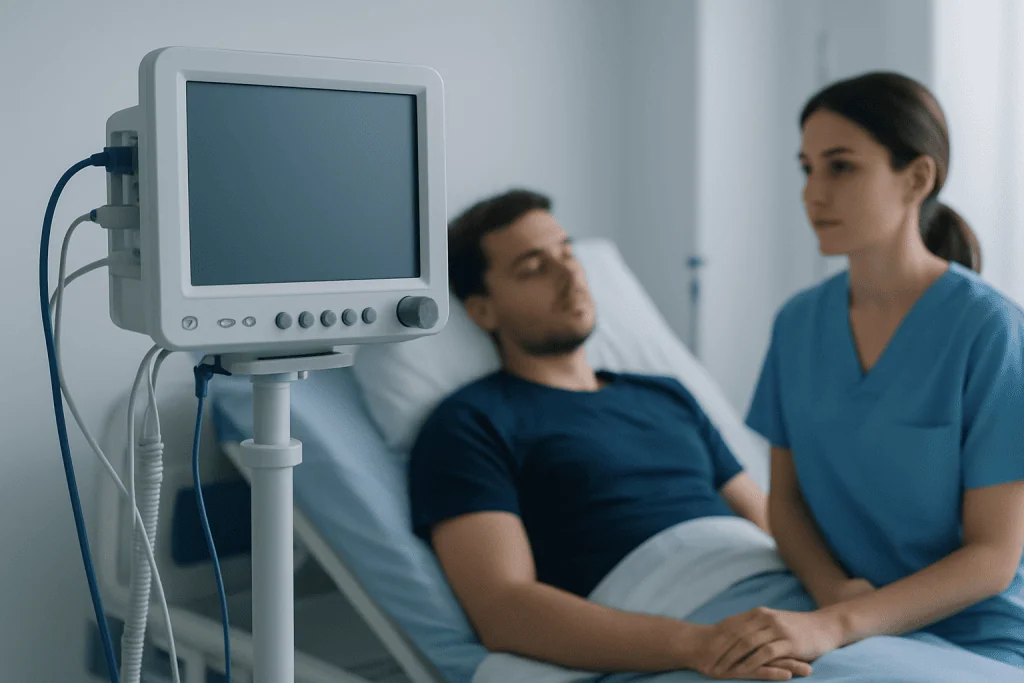
The main symptom is excessive daytime sleepiness. This is more than ordinary fatigue. People often describe a strong, hard-to-resist need to sleep, mental fogginess, and repeated episodes of dozing off in quiet situations such as reading, watching television, sitting in meetings, or traveling as a passenger. Some may nap briefly and feel better for a short time, but the sleepiness usually returns.
Other symptoms may overlap with those seen in other forms of narcolepsy. These can include vivid dream-like experiences when falling asleep or waking up, called hypnagogic or hypnopompic hallucinations, and temporary inability to move when waking or falling asleep, known as sleep paralysis. Nighttime sleep may also be fragmented, with frequent awakenings despite feeling sleepy during the day.
People with narcolepsy without cataplexy may also notice poor concentration, slower thinking, forgetfulness, irritability, or reduced motivation. In children and teenagers, symptoms may be mistaken for inattention, lack of discipline, or mood changes. In adults, the disorder may be confused with overwork, depression, shift-work effects, or another sleep disorder such as sleep apnea.
- Persistent daytime sleepiness
- Unplanned naps or sleep attacks
- Nonrestorative sleep
- Sleep paralysis
- Vivid dreams at sleep-wake transitions
- Difficulty with attention, memory, and performance
Why Diagnosis Is Often Delayed

Diagnosis is often delayed because the symptoms are common and non-specific. Daytime sleepiness can occur with insufficient sleep, obstructive sleep apnea, circadian rhythm disorders, depression, medication side effects, chronic illness, and many lifestyle factors. Without cataplexy, there may be no striking symptom that clearly points a clinician toward narcolepsy at the first visit.
Another reason for delay is that people often normalize their symptoms. Someone who has felt sleepy for years may assume this is part of their personality or schedule. They may rely heavily on caffeine, structure their day around naps, or avoid situations where sleepiness becomes obvious. Family members, teachers, and coworkers may notice a problem before the patient realizes that the pattern is not typical.
Mislabeling can also happen during mental health or general medical evaluation. Sleepiness may be described as low energy, poor motivation, or difficulty focusing, which can resemble depression, anxiety, or attention-related concerns. In some cases, poor nighttime sleep leads clinicians to suspect insomnia rather than a central hypersomnolence disorder. Because the testing process requires planning and specialist interpretation, referral to a sleep center may not happen right away.
Finally, diagnosis can be complicated if the person has more than one sleep problem. Narcolepsy may coexist with insomnia symptoms or disrupted sleep habits, which can blur the clinical picture. Medications, irregular schedules, and untreated breathing-related sleep disorders can also affect test results, making careful preparation especially important.
Causes and Risk Factors
The exact cause of narcolepsy without cataplexy is not always clear. Narcolepsy in general is considered a neurological disorder involving the brain systems that regulate sleep and wakefulness. In narcolepsy with cataplexy, loss of orexin-producing neurons is a key mechanism. In narcolepsy without cataplexy, orexin levels are often normal, and the biology may be more varied and less fully understood.
Researchers believe multiple factors may contribute, including genetic susceptibility, immune-related mechanisms, and changes in how the brain controls REM sleep and wakefulness. The condition is not caused by laziness, lack of willpower, or poor character. It is a medical disorder that deserves proper evaluation.
Risk factors are not always obvious, but clinicians may look more closely when a person has persistent daytime sleepiness beginning at a younger age, unexplained sleep attacks, sleep paralysis, vivid dream phenomena, or a family history of sleep disorders. Other conditions can produce similar symptoms, so identifying possible contributors such as sleep deprivation, shift work, head injury, medication effects, or another neurological disorder is also an important part of the assessment.
How Doctors Diagnose It
Diagnosis starts with a detailed medical and sleep history. The doctor asks about the pattern and severity of daytime sleepiness, sleep duration, nighttime awakenings, naps, medications, mood symptoms, work schedule, and safety concerns such as drowsy driving. A sleep diary and sometimes actigraphy, a wearable device that tracks rest-activity patterns, may be used for one to two weeks to help confirm that the person is getting adequate sleep before formal testing.
The usual testing pathway includes an overnight sleep study, called polysomnography, followed the next day by a multiple sleep latency test. Polysomnography helps identify other causes of sleepiness, including breathing-related sleep disorders and periodic limb movements. The multiple sleep latency test measures how quickly a person falls asleep during scheduled daytime naps and whether REM sleep begins unusually early, which can support a diagnosis of narcolepsy.
Doctors may also order blood tests or other evaluations if another medical cause of sleepiness is suspected. The goal is not only to confirm narcolepsy but also to exclude conditions that can imitate it. In some cases, the distinction between narcolepsy without cataplexy and idiopathic hypersomnia can be challenging, and repeat evaluation may be needed if symptoms change over time.
Because preparation affects accuracy, patients are often asked to avoid sleep deprivation and discuss any medicines that could alter REM sleep or alertness before testing. Some people benefit from assessment in a center with experience in sleep study testing and central disorders of hypersomnolence.
Treatment Options
Treatment usually combines lifestyle measures with medication. The exact plan depends on symptom severity, daily responsibilities, coexisting medical conditions, and individual response. Medicines may be used to improve daytime alertness, reduce sleep attacks, or address disturbed nighttime sleep. A sleep specialist will choose treatment carefully and monitor for benefit and side effects over time.
Behavioral strategies are also important. Scheduled short naps can help some people reduce sudden sleep episodes and improve focus. Keeping a consistent sleep-wake schedule, protecting enough nighttime sleep, limiting alcohol, and avoiding sedating medicines when possible may also improve symptom control. School or workplace accommodations can be useful, especially during diagnosis and treatment adjustment.
If another sleep disorder is present, treating it can make a major difference. For example, managing obstructive sleep apnea or chronic insomnia may reduce the overall burden of sleepiness, even if narcolepsy remains part of the picture. This is why many patients need a broad, individualized approach rather than a single test or medicine.
Some people need multidisciplinary care, especially when symptoms affect mood, learning, driving, or work capacity. In selected cases, comprehensive evaluation in a center experienced in sleep medicine care can help clarify the diagnosis and coordinate long-term management.
Self-care, Safety, and Living Well
Daily habits can make symptoms more manageable. A regular sleep schedule is one of the most helpful steps, even on weekends. Good sleep hygiene, such as keeping the bedroom dark and quiet, limiting heavy meals close to bedtime, and reducing evening screen exposure, may support more stable sleep. While these steps do not cure narcolepsy, they can reduce added sleepiness from inconsistent routines.
Safety planning matters because unexpected sleep episodes can affect driving, studying, cooking, operating machinery, and childcare. People with significant daytime sleepiness should speak with their doctor about driving and other high-risk tasks. Planning naps before long drives, avoiding driving when sleepy, and arranging alternatives when symptoms are poorly controlled can help lower risk.
Open communication with family, teachers, or employers can also be helpful. Narcolepsy is often misunderstood, and symptoms may be mistaken for disinterest or poor effort. A clear explanation that this is a neurological condition can support practical adjustments such as scheduled breaks, flexible timing, or a quiet place for a short nap.
Near the end of the diagnostic journey, some patients seek care in specialized centers for confirmation and treatment planning. Acibadem International’s multidisciplinary specialists and JCI-accredited hospitals evaluate and treat sleep-related neurological conditions, including patients traveling from abroad for care.
When to See a Doctor
A doctor should evaluate persistent daytime sleepiness that interferes with school, work, relationships, or safety. It is especially important to seek medical advice if a person falls asleep unintentionally, struggles to stay awake while driving, or experiences sleep paralysis or vivid dream-like events around sleep onset or waking.
Prompt evaluation is also useful when sleepiness continues despite allowing enough time for sleep. Many people assume they simply need more rest, but severe or long-standing sleepiness deserves medical attention. Early diagnosis may help reduce accidents, improve mental clarity, and support better quality of life.
Emergency care may be needed if sleepiness occurs along with sudden neurological symptoms such as confusion, weakness, difficulty speaking, chest pain, or fainting, because these are not typical features of narcolepsy and may suggest another urgent problem. For routine assessment, a primary care doctor, neurologist, or sleep specialist can help begin the evaluation, which may include neurology consultation or referral for formal sleep testing.
Frequently asked questions
What is the difference between narcolepsy without cataplexy and narcolepsy with cataplexy?
Both conditions can cause excessive daytime sleepiness and sudden sleep episodes. The main difference is that narcolepsy with cataplexy includes brief episodes of muscle weakness triggered by emotions, while narcolepsy without cataplexy does not.
Can narcolepsy without cataplexy be mistaken for depression or burnout?
Yes. Daytime sleepiness, poor concentration, low energy, and reduced motivation can overlap with depression, stress, and burnout. This is one reason diagnosis is often delayed until a detailed sleep evaluation is performed.
How is narcolepsy without cataplexy confirmed?
Doctors usually confirm it through a careful history, a sleep diary, an overnight sleep study, and a multiple sleep latency test the following day. These tests help show abnormal daytime sleepiness and rule out other causes.
Is narcolepsy without cataplexy the same as being tired all the time?
No. Ordinary tiredness often improves with rest, while narcolepsy causes a stronger and more persistent urge to sleep that can interfere with normal activities. It is a neurological sleep-wake disorder, not simply a busy lifestyle.
Can lifestyle changes help if someone has narcolepsy without cataplexy?
Yes, although lifestyle changes usually do not replace medical treatment. A regular sleep schedule, planned naps, good sleep hygiene, and avoiding driving when sleepy can all help reduce the impact of symptoms.
Does narcolepsy without cataplexy go away?
It is generally considered a chronic condition, but symptoms can often be managed effectively. Many people do better with the right combination of treatment, follow-up, and practical adjustments at home, school, or work.
References
- American Academy of Sleep Medicine
- National Institute of Neurological Disorders and Stroke
- National Heart, Lung, and Blood Institute
- Mayo Clinic
- MedlinePlus
This article is for general information only and is not a substitute for professional medical advice. Please consult a qualified doctor about your individual situation.
Narcolepsy in Turkey — costs, top hospitals & a free quote
JCI-accredited · board-certified surgeons · reply within 24h
Add us as a Preferred Source to see more of our trusted health content across Google Search, AI Overviews and Discover.

More from the Health Library



Related Specialists

Prof. Dr. Nuran Beşe
Radiation Oncology
Dr. Semra Kavas
Infectious Diseases & Clinical Microbiology
Prof. Dr. Murat Kılıç
General Surgery
Dr. Burak Tanyıldız
Ophthalmology