

Nasal Endoscopy: How It Works, Recovery, and What to Expect
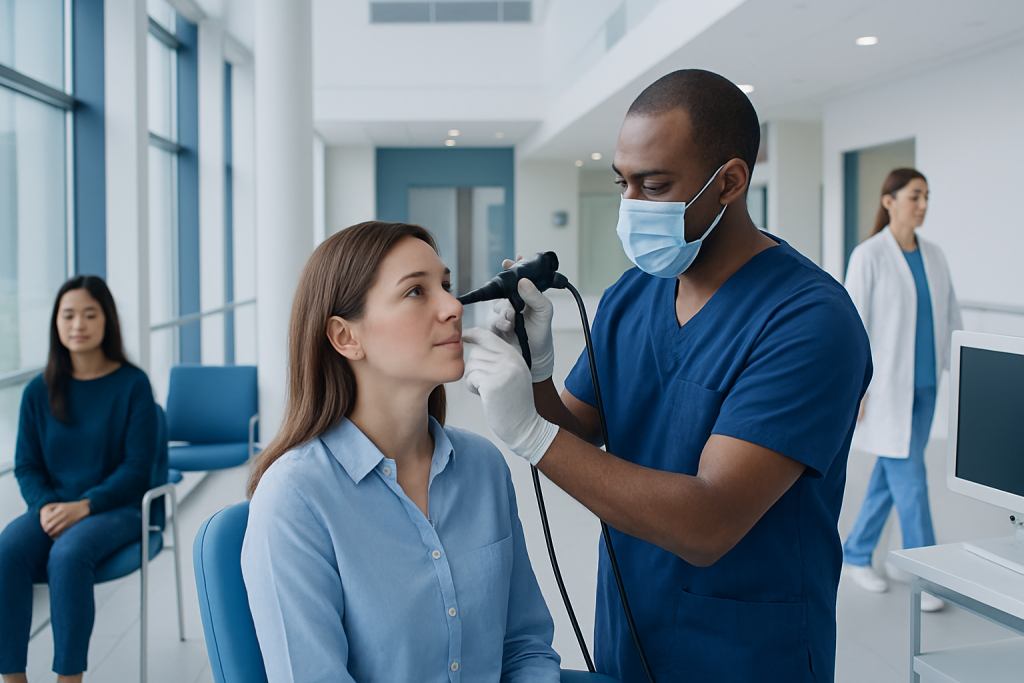
Nasal endoscopy uses a thin camera to inspect the nose and sinus openings in detail. It is often done in an outpatient clinic with local numbing spray and usually does not require general anesthesia.
Key Takeaways
- Nasal endoscopy uses a thin camera to inspect the nose and sinus openings in detail.
- It is often done in an outpatient clinic with local numbing spray and usually does not require general anesthesia.
- The procedure can help diagnose persistent congestion, sinus infections, polyps, bleeding, and other nasal problems.
- Most people return to normal activities the same day, with only mild temporary discomfort.
- Risks are generally low, but patients should seek medical advice for heavy bleeding, severe pain, or fever afterward.
Nasal endoscopy is a commonly used ENT procedure that allows a doctor to examine the nasal passages and sinus openings with a thin, lighted scope. It is usually brief, well tolerated, and helpful for finding the cause of ongoing nasal or sinus symptoms and planning treatment.
Overview: what nasal endoscopy is and why it is done
Nasal endoscopy is a procedure that allows an ear, nose, and throat specialist to look directly inside the nasal passages and the areas where the sinuses drain. A slender scope with a light and camera is placed gently into the nose, giving a detailed view that cannot be seen with a standard flashlight exam alone. This helps explain symptoms such as blocked breathing, facial pressure, recurrent infections, nosebleeds, reduced smell, or drainage down the throat.
For many people, the procedure is done in a clinic during a routine visit. It is typically quick and usually requires only a numbing spray or gel inside the nose. Because it provides close-up images of the lining of the nose and sinus openings, nasal endoscopy can help confirm inflammation, swelling, structural issues, growths, or other causes of symptoms.
Nasal endoscopy may be used to diagnose a condition, monitor how well treatment is working, or plan further care. It can be especially useful when symptoms continue despite medication or when imaging findings need to be matched with what the doctor sees directly. In some cases, it also helps guide minor office procedures, such as removing crusting or collecting a sample for testing.
Who may need nasal endoscopy
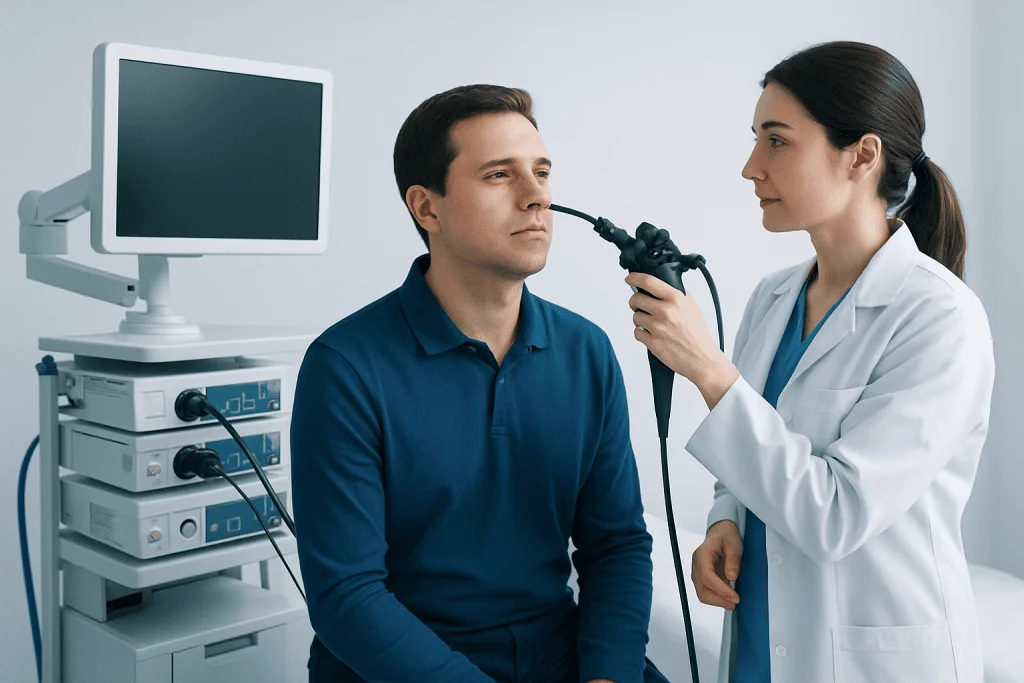
A doctor may recommend nasal endoscopy for people with symptoms that are ongoing, unexplained, or recurring. Common reasons include chronic stuffiness, repeated sinus infections, facial pain or pressure, a reduced sense of smell, persistent mucus, postnasal drip, snoring related to nasal blockage, or one-sided symptoms that need closer evaluation.
It may also be appropriate when there is concern for nasal polyps, a deviated septum, enlarged turbinates, chronic inflammation, a foreign body, or a source of bleeding. For patients with known sinus disease, nasal endoscopy can help assess whether medical treatment is reducing swelling and improving drainage. It is often part of a fuller ENT assessment alongside history, physical examination, and sometimes imaging.
Children and adults can both undergo nasal endoscopy, although the approach may be adjusted for comfort and cooperation. The decision depends on the person’s symptoms, age, medical history, and what information the specialist is trying to obtain. If a patient has severe anxiety, significant recent nasal trauma, or certain bleeding risks, the doctor may modify the plan or discuss alternatives.
How the procedure works: step by step
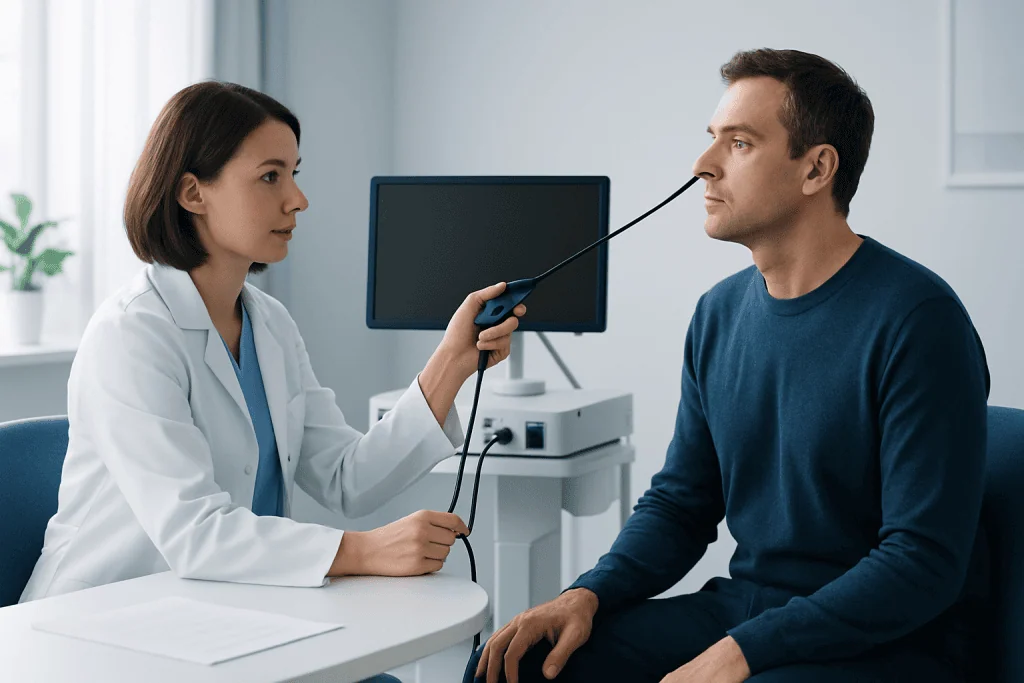
Before the examination begins, the doctor usually asks about symptoms, previous sinus problems, allergies, medications, and any history of bleeding. A decongestant spray may be used to reduce swelling, and a local anesthetic spray or gel may be applied to make the inside of the nose more comfortable. This preparation often takes a few minutes.
The doctor then inserts a thin endoscope into one nostril and guides it carefully through the nasal passage. Depending on the area being examined, either a flexible scope or a rigid scope may be used. The scope does not need to go into the sinuses themselves to assess many common problems; often, viewing the nasal cavity and sinus drainage pathways is enough to provide useful information.
During the exam, the specialist looks at the septum, turbinates, mucus, areas of swelling, and the openings that lead to the sinuses. The doctor may note signs of infection, polyps, crusting, scarring, bleeding points, or structural narrowing. If needed, a small sample of mucus or tissue may be taken, though this is not required in every case.
The procedure itself is usually brief, often lasting only several minutes. Patients may feel pressure, a tickling sensation, or the urge to sneeze, but severe pain is not expected. Findings from nasal endoscopy often help determine whether treatment should continue with medicines or whether more specialized care, such as ENT treatment or endoscopic sinus surgery, should be considered.
What doctors can find with nasal endoscopy
One of the main benefits of nasal endoscopy is that it can show causes of symptoms that may otherwise remain unclear. The doctor may identify inflamed lining, thick mucus, pus draining from a sinus opening, polyps, a deviated septum, enlarged turbinates, scar tissue, or a source of recurrent nosebleeds. These findings can explain why symptoms persist and help guide the next step.
The procedure is commonly used in the evaluation of sinusitis and other chronic nasal problems. It can help distinguish between temporary irritation and longer-term disease by showing where swelling is located and whether the sinus drainage pathways are blocked. This can be important when deciding if symptoms are more likely due to infection, allergy, anatomy, or a combination of factors.
Nasal endoscopy may also support the evaluation of nasal polyps, unusual growths, cerebrospinal fluid leak suspicion, foreign bodies, or one-sided obstruction. In some people, especially those with recurring symptoms after prior treatment, the detailed view can reveal why standard therapies have not worked as expected. If imaging is needed, the endoscopy findings can help make CT scan interpretation more precise and clinically meaningful.
Benefits, risks, and possible side effects
Nasal endoscopy offers several practical benefits. It gives a direct, magnified view of structures inside the nose, can usually be done without sedation, and often provides immediate information during the same appointment. This may reduce delays in diagnosis and help the doctor choose the most appropriate treatment, whether that means medication, monitoring, or referral for a procedure.
Most side effects are mild and short-lived. Some people notice temporary numbness in the nose or throat from the anesthetic spray, a brief bitter taste, mild pressure, watering eyes, or a small amount of spotting from the nose afterward. These effects often settle quickly on their own.
Although complications are uncommon, they can happen. These may include nosebleeding, discomfort, irritation of the nasal lining, or, rarely, faintness during or after the exam. Patients who take blood thinners, have a bleeding disorder, or have had recent nasal surgery should mention this before the procedure so the team can take added precautions.
- Benefits: quick, detailed, office-based evaluation
- Common temporary effects: mild discomfort, numbness, sneezing, slight bleeding
- Less common concerns: more noticeable bleeding, infection, vasovagal fainting
- Important note: the exact experience can vary based on anatomy and the reason for the exam
Recovery timeline and self-care after nasal endoscopy
Recovery after nasal endoscopy is usually straightforward. Most people can leave the clinic shortly after the examination and resume usual daily activities the same day. If numbing spray was used, the nose or throat may feel unusual for a short time, so eating and drinking may be more comfortable after sensation starts to return.
Mild irritation, sneezing, or a small amount of blood-tinged mucus can occur for several hours. It is generally helpful to avoid forceful nose blowing immediately afterward unless the doctor advises otherwise. Drinking water, using saline spray if recommended, and resting briefly can help reduce temporary irritation.
If a biopsy or a minor in-office procedure was also performed, recovery instructions may be more specific. The doctor may advise avoiding strenuous exercise, hot beverages for a short period, or certain medications depending on bleeding risk. Patients should follow the guidance given for their individual case and ask when test results or follow-up plans will be discussed.
When nasal endoscopy is part of evaluation for persistent sinus symptoms, the findings may lead to treatment such as nasal sprays, antibiotics when appropriate, allergy care, or further imaging. In selected patients, more advanced treatment may be discussed, including septoplasty if structural blockage is contributing to symptoms.
How to prepare for the appointment
Preparation is usually simple. Patients should bring a list of current medicines, including nasal sprays, blood thinners, and over-the-counter products, along with details about allergies, previous sinus surgery, or frequent nosebleeds. It is also useful to note how long symptoms have been present and what seems to trigger or relieve them.
In many cases, there are no special fasting requirements because general anesthesia is not used. However, people should follow any instructions given by the clinic, especially if there is a possibility that another procedure may be performed at the same visit. If someone is very anxious about the exam, mentioning this beforehand can help the team explain the steps and improve comfort.
Questions can make the visit more productive. Patients may want to ask what the doctor is looking for, whether imaging is also needed, what treatment options may follow, and whether symptoms are most likely due to inflammation, infection, allergy, or anatomy. Understanding these points can help people feel more prepared and involved in their care decisions.
When to seek medical care
Medical care is appropriate when nasal symptoms are persistent, keep returning, or begin interfering with breathing, sleep, smell, or daily life. A specialist evaluation may also be important for one-sided blockage, repeated nosebleeds, facial pain that does not improve, or symptoms that continue despite standard treatment. These situations do not always mean something serious, but they should be assessed carefully.
After a nasal endoscopy, patients should contact a doctor if they develop heavy bleeding, worsening pain, fever, significant swelling, or symptoms that feel out of proportion to what they were told to expect. Urgent help is also needed for trouble breathing or severe bleeding that does not stop.
For people who need further assessment or treatment, Acibadem International’s multidisciplinary specialists and JCI-accredited hospitals evaluate nasal and sinus conditions for international patients. Depending on the findings, care may range from medication and monitoring to targeted procedural treatment.
Frequently asked questions
Is nasal endoscopy painful?
Nasal endoscopy is usually not painful, though it can feel uncomfortable or unusual. Many people notice pressure, tickling, watering eyes, or the urge to sneeze. A numbing spray is often used to improve comfort.
How long does a nasal endoscopy take?
The examination itself is often brief and may take only a few minutes. The full visit can take longer because of preparation, discussion of symptoms, and review of findings. If a sample is taken or a minor office procedure is added, the appointment may last longer.
Do patients need anesthesia or sedation for nasal endoscopy?
Most nasal endoscopies are done with local anesthetic spray or gel inside the nose. General anesthesia is not usually needed for a routine office exam. Sedation may be considered only in selected situations, depending on the patient and the planned procedure.
Can patients drive home after nasal endoscopy?
Most people can drive themselves home and return to normal activities the same day. This is because the procedure is commonly done without sedation. If a patient has had additional treatment or feels unwell afterward, it is sensible to follow the clinic's advice.
Why would a doctor order a nasal endoscopy instead of only a CT scan?
A CT scan shows anatomy and deeper sinus details, while nasal endoscopy allows the doctor to directly inspect the lining, mucus, swelling, and drainage areas in real time. The two tests provide different types of information and are often complementary. In many cases, endoscopy helps decide whether imaging is necessary at all.
What should patients avoid after nasal endoscopy?
After a routine exam, people are often advised to avoid forceful nose blowing for a short time, especially if there is slight spotting. If a biopsy or minor procedure was done, the doctor may give more specific restrictions. Following the clinic's instructions is the safest approach.
References
- American Academy of Otolaryngology–Head and Neck Surgery
- National Institute on Deafness and Other Communication Disorders
- Mayo Clinic
- Cleveland Clinic
- Merck Manual
This article is for general information only and is not a substitute for professional medical advice. Please consult a qualified doctor about your individual situation.
Explore treatments in Turkey — costs, top hospitals & a free quote
JCI-accredited · board-certified surgeons · reply within 24h
Add us as a Preferred Source to see more of our trusted health content across Google Search, AI Overviews and Discover.

More from the Health Library



Related Specialists
Dr. Bülent Erdoğan
Emergency Service
Prof. Dr. Hakan Ümit Ünal
Gastroenterology
Dr. Sırrı Baştürk
Orthopedic Surgery & Traumatology
Prof. Dr. Yavuz Atar
Otorhinolaryngology