Natural Antidepressants: Evidence-Based Options and When to See a Doctor

Some natural antidepressants have supportive evidence, but none work equally well for everyone. Exercise, sleep care, structured psychotherapy support, and light therapy generally have stronger evidence than many supplements.
Key Takeaways
- Some natural antidepressants have supportive evidence, but none work equally well for everyone.
- Exercise, sleep care, structured psychotherapy support, and light therapy generally have stronger evidence than many supplements.
- Herbal and nutritional products can interact with antidepressants, birth control, blood thinners, and other medicines.
- Natural options are best viewed as supportive care for mild symptoms, not emergency treatment.
- Suicidal thoughts, psychosis, severe functional decline, or symptoms lasting more than two weeks need prompt medical evaluation.
Natural antidepressants can include exercise, psychotherapy-supportive lifestyle changes, light therapy, and some supplements, but their effectiveness varies and they are not a substitute for professional care in moderate to severe depression. The safest approach is to focus on options with the strongest evidence, avoid self-treating warning signs, and speak with a qualified doctor before starting any supplement.
Overview: What natural antidepressants can and cannot do
Natural antidepressants are non-prescription approaches that may help improve mood symptoms. They can include lifestyle measures such as exercise, regular sleep, and stress reduction, as well as therapies like bright light exposure and certain dietary supplements. For some people with mild depressive symptoms, these options may be helpful, especially when used consistently and alongside professional guidance.
However, the term “natural” does not automatically mean effective or safe. Clinical evidence is stronger for some options than others, and many products sold for mood have limited research, inconsistent quality, or important side effects and drug interactions. In moderate to severe depression, natural approaches alone are often not enough.
A practical way to think about natural antidepressants is to separate evidence-backed supportive tools from anecdotal remedies. Supportive tools may improve sleep, energy, daily structure, and stress resilience, which can all affect mood. Anecdotal remedies are those promoted widely online but not well supported by high-quality studies.
Depression is a medical condition, not a personal failure. When symptoms are persistent or affect work, school, relationships, appetite, sleep, or safety, professional assessment is important. A psychiatrist or psychologist can help determine whether symptoms reflect depression, anxiety, bipolar disorder, seasonal affective disorder, grief, burnout, or another condition such as depression.
Which natural options have the best evidence?

The strongest evidence among natural approaches usually supports regular physical activity, structured sleep improvement, and in selected cases, bright light therapy. Exercise has been shown to improve mood in many people, likely by affecting stress hormones, inflammation, sleep quality, and brain signaling. It does not need to be extreme; walking, cycling, swimming, or resistance training done regularly can help.
Bright light therapy is most established for seasonal patterns of depression, but some people with nonseasonal depression may also benefit under medical guidance. The timing, intensity, and consistency matter, and light therapy is not suitable for everyone, especially people with bipolar spectrum conditions because it may trigger mood elevation in some cases.
Psychotherapy itself is not usually labeled “natural,” but it remains one of the most evidence-based non-drug approaches for depression. Cognitive behavioral therapy and related treatments help people identify unhelpful thought patterns, improve coping skills, and rebuild daily routines. For many patients, this is more reliable than supplements alone and may be part of care for seasonal depression or other mood concerns.
Nutrition also matters, but specific foods are not antidepressants in the same way a medicine is. A balanced eating pattern that includes vegetables, fruit, whole grains, legumes, fish, nuts, and adequate protein may support overall mental health, especially when poor appetite or highly restrictive diets are present. If symptoms are ongoing, a doctor may also review whether an underlying medical issue is contributing.
Supplements and herbs: what is evidence-based and what is uncertain?
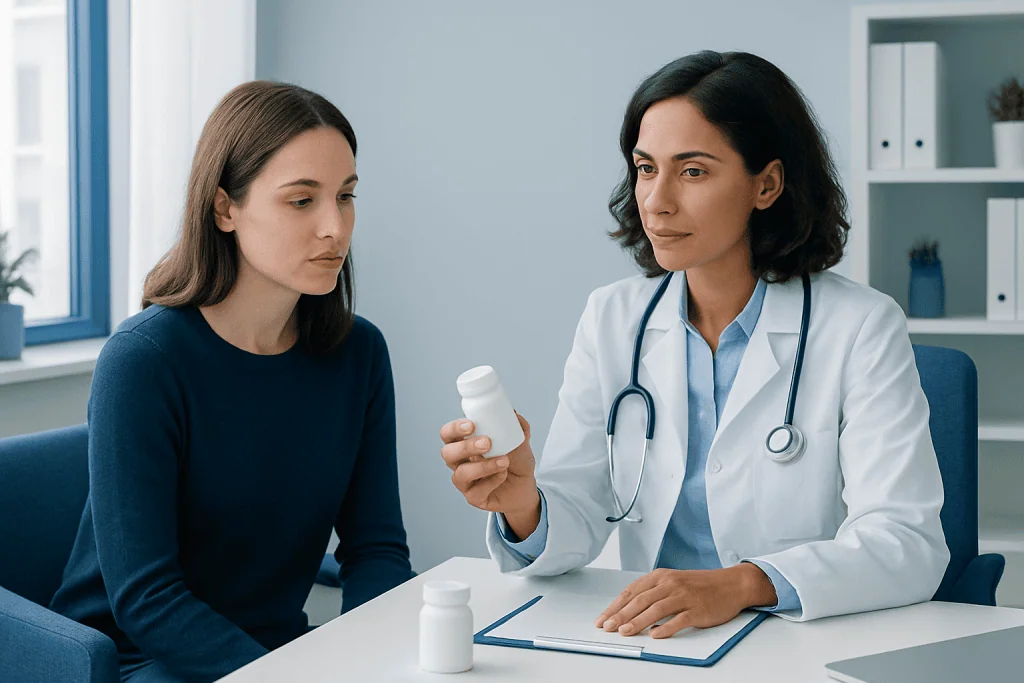
Among supplements, the evidence is mixed. Omega-3 fatty acids, especially formulas containing EPA, have some supportive data as an add-on for depressive symptoms, but benefits are not guaranteed and product quality varies. Vitamin D may help if a person is deficient, but it should not be assumed to treat depression on its own when levels are normal.
St. John’s wort is one of the better-studied herbal products for mild to moderate depression, but it has major safety concerns. It can interact with antidepressants, contraceptive pills, blood thinners, transplant medicines, HIV treatments, seizure medicines, and many other drugs. It can also contribute to serotonin-related side effects when combined with other mood medications, so it should never be started casually.
Saffron has shown promising results in some studies, but the overall evidence base is still smaller than for standard treatments, and long-term safety data are limited. SAMe and certain B vitamins may be discussed in clinical settings, yet they are not appropriate for everyone. In particular, some supplements can worsen anxiety, disturb sleep, or trigger mania in people with bipolar disorder.
Products with weaker or mainly anecdotal support include many “mood booster” blends marketed online. These may combine multiple herbs, stimulants, or vitamins without strong clinical evidence. Because labels do not always guarantee quality or purity, it is wise to review any supplement with a physician or pharmacist before use, especially if there is existing anxiety disorder, depression treatment, pregnancy, or chronic illness.
Lifestyle measures that can support mood safely
Several daily habits can support recovery and are generally low risk. Regular movement, a consistent sleep-wake schedule, time outdoors, reduced alcohol use, and social connection all have plausible and evidence-based roles in mood regulation. These approaches do not replace treatment when depression is significant, but they can make other treatments work better.
Sleep deserves special attention because poor sleep can both worsen and mimic depression. Going to bed and waking at a similar time each day, limiting late caffeine and alcohol, and reducing evening screen stimulation may help stabilize energy and mood. People with longstanding insomnia may benefit from structured behavioral treatment rather than relying only on sleep aids.
Mindfulness, relaxation training, yoga, and breathing exercises may reduce stress and improve emotional regulation for some individuals. The evidence for depression is modest compared with exercise or psychotherapy, but these practices can still be useful as part of a broader plan. They are often most helpful when practiced regularly rather than only during crises.
Social withdrawal tends to deepen depression, so maintaining some routine contact with trusted family, friends, or community can help. This may include shared meals, short walks, support groups, or volunteer activity. Even small amounts of structure and connection can be meaningful when motivation is low.
How doctors evaluate depressive symptoms before recommending treatment
Before suggesting natural antidepressants, doctors usually look at the full picture. They ask about symptom duration, sleep, appetite, concentration, anxiety, alcohol or substance use, recent stressors, and whether symptoms are affecting safety or daily functioning. This helps distinguish temporary low mood from a depressive disorder that may need more formal care.
Assessment is also important because some medical conditions can look like depression. Thyroid disorders, vitamin deficiencies, chronic pain, sleep apnea, neurological illness, medication side effects, and hormonal changes can all affect mood. In some cases, blood tests or other evaluation may be needed to identify contributing factors.
A careful review also screens for bipolar disorder. This matters because treatment choices differ, and some supplements or antidepressants may worsen mood instability in people who have episodes of unusually high energy, decreased need for sleep, impulsivity, or racing thoughts. If bipolar disorder is suspected, specialist care is especially important.
When needed, patients may benefit from formal mental health assessment and tailored treatment such as psychiatric evaluation and treatment or psychological counseling and therapy. In selected cases, treatment may include therapy, medication, lifestyle support, or a combination of these approaches.
When natural approaches may be reasonable and how to use them safely
Natural approaches may be reasonable when symptoms are mild, recently started, and do not involve safety concerns or major functional decline. They can also play a supportive role for people already receiving standard treatment, as long as the care team knows about any supplement or herbal product being used. Tracking symptoms over time can help determine whether an approach is truly helping.
It is safest to start with low-risk options that have broader health benefits. These include exercise, regular meals, sleep routine, reduced alcohol use, daylight exposure, and social support. If a supplement is being considered, choosing one product at a time and discussing interactions with a clinician is safer than combining multiple “natural” mood remedies.
Patients should also be realistic about expectations. Natural options often work gradually, and they may improve energy, sleep, or stress tolerance more than core depressive symptoms. If there is no meaningful improvement after a few weeks, symptoms are worsening, or day-to-day function is declining, reassessment is appropriate.
Near the end of the care pathway, some people need a more comprehensive plan that combines medical and psychological care. Acibadem International’s multidisciplinary specialists in JCI-accredited hospitals evaluate and treat mood disorders for international patients, including assessment and related neurological evaluation when needed if symptoms overlap with sleep, cognitive, or nervous system concerns.
When to seek medical care
Urgent medical help is needed right away if a person has thoughts of self-harm or suicide, feels unable to stay safe, hears or sees things others do not, becomes severely agitated, stops eating or drinking, or cannot carry out basic daily tasks. Emergency care is also important if there are signs of mania, such as very little need for sleep, unusually high energy, reckless behavior, or rapidly racing thoughts.
A doctor should be consulted soon if low mood, loss of interest, hopelessness, anxiety, sleep disturbance, appetite changes, or poor concentration lasts more than two weeks or begins to interfere with work, school, caregiving, or relationships. Medical review is also important during pregnancy, after childbirth, in older adults, and in anyone with chronic illness or multiple medications.
People should not stop prescribed antidepressants suddenly or replace them with herbal products without guidance. Withdrawal symptoms and drug interactions can be significant, and mood may worsen unexpectedly. If current treatment does not seem to be working, a doctor can review alternatives safely.
Natural antidepressants can be part of a thoughtful plan, but they are most helpful when used with clear limits and good follow-up. Professional support is not a last resort; it is often the safest way to identify what is causing the symptoms and to choose treatment that matches their severity.
Frequently asked questions
Do natural antidepressants really work?
Some do help certain people, but the evidence varies a lot by option. Exercise, sleep improvement, and light therapy for seasonal depression generally have better support than many supplements. Natural approaches are most appropriate for mild symptoms or as add-on support, not as a substitute for urgent or specialist care.
What is the best natural antidepressant?
There is no single best option for everyone. Regular exercise has some of the most consistent evidence and also benefits sleep, stress, and physical health. For seasonal symptoms, clinician-guided bright light therapy may also be useful.
Is St. John’s wort safe for depression?
It can help some people with mild to moderate depression, but it is not automatically safe. It has many important drug interactions and can cause problems when combined with antidepressants or other common medicines. A doctor or pharmacist should review it before use.
Can vitamins treat depression?
Vitamins may help if a deficiency is contributing to symptoms, but they usually do not treat depression by themselves. Vitamin D, B12, and folate are sometimes relevant, depending on a person’s health, diet, and lab results. It is best to correct confirmed deficiencies rather than take large amounts without guidance.
How long should someone try natural remedies before seeing a doctor?
A doctor should be seen sooner if symptoms are severe, worsening, or affecting safety or daily function. For mild symptoms without red flags, it is still wise to seek medical advice if there is no clear improvement within a few weeks. Persistent symptoms lasting more than two weeks deserve attention.
Can natural antidepressants be used with prescription antidepressants?
Sometimes yes, but only with professional guidance. Some lifestyle measures, such as exercise and sleep care, are commonly used alongside medication. Supplements and herbs are different because they may interact with antidepressants or increase side effects.
References
- National Institute of Mental Health
- American Psychiatric Association
- National Center for Complementary and Integrative Health
- World Health Organization
- National Institute for Health and Care Excellence
This article is for general information only and is not a substitute for professional medical advice. Please consult a qualified doctor about your individual situation.
Explore treatments in Turkey — costs, top hospitals & a free quote
JCI-accredited · board-certified surgeons · reply within 24h
Add us as a Preferred Source to see more of our trusted health content across Google Search, AI Overviews and Discover.