Natural Ways to Get Rid of Headache While Pregnant: Possible Causes and When to Seek Care
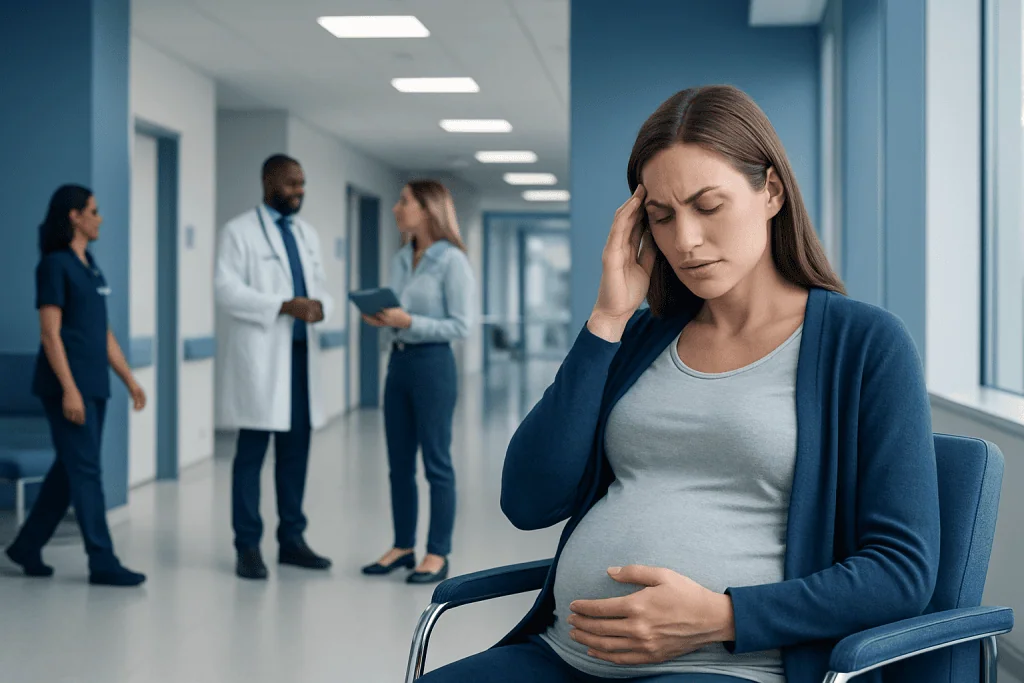
Many headaches in pregnancy improve with hydration, rest, regular meals, sleep, and stress reduction. Hormonal changes, fatigue, hunger, caffeine withdrawal, and tension are common causes of headache during pregnancy.
Key Takeaways
- Many headaches in pregnancy improve with hydration, rest, regular meals, sleep, and stress reduction.
- Hormonal changes, fatigue, hunger, caffeine withdrawal, and tension are common causes of headache during pregnancy.
- A severe, sudden, persistent, or unusual headache should not be ignored, especially if it comes with vision changes, swelling, high blood pressure, or neurologic symptoms.
- Medication choices in pregnancy should always be discussed with a qualified doctor, midwife, or pharmacist.
- Keeping a headache diary can help identify triggers and guide safer treatment during pregnancy.
Natural ways to get rid of headache while pregnant often start with simple, safe steps such as drinking water, eating regularly, resting in a dark quiet room, using a cold compress, and reducing stress. Most pregnancy headaches are not dangerous, but severe, sudden, or unusual headaches need prompt medical attention because they can sometimes signal a condition that needs treatment.
Overview: Safe, Natural Relief for Headaches in Pregnancy
Natural ways to get rid of headache while pregnant usually focus on restoring the body’s basic needs and reducing common triggers. For many pregnant women, headache relief begins with drinking water, eating a balanced snack or meal, lying down in a dark quiet room, placing a cool compress on the forehead, and taking time to relax. These measures can be effective because pregnancy headaches are often linked to dehydration, fatigue, tension, missed meals, or hormonal changes.
Headaches are common during pregnancy, especially in the first and third trimesters. In many cases they are similar to tension headaches or may reflect a history of migraine that changes during pregnancy. Although most headaches are not caused by a serious problem, pregnancy is a time when some headache patterns deserve more caution than usual.
A patient-friendly approach is to think in two steps: first, try gentle, low-risk self-care; second, know the warning signs that mean a healthcare professional should be contacted promptly. This balance helps support comfort without overlooking symptoms that may need evaluation.
What Headaches Can Feel Like During Pregnancy
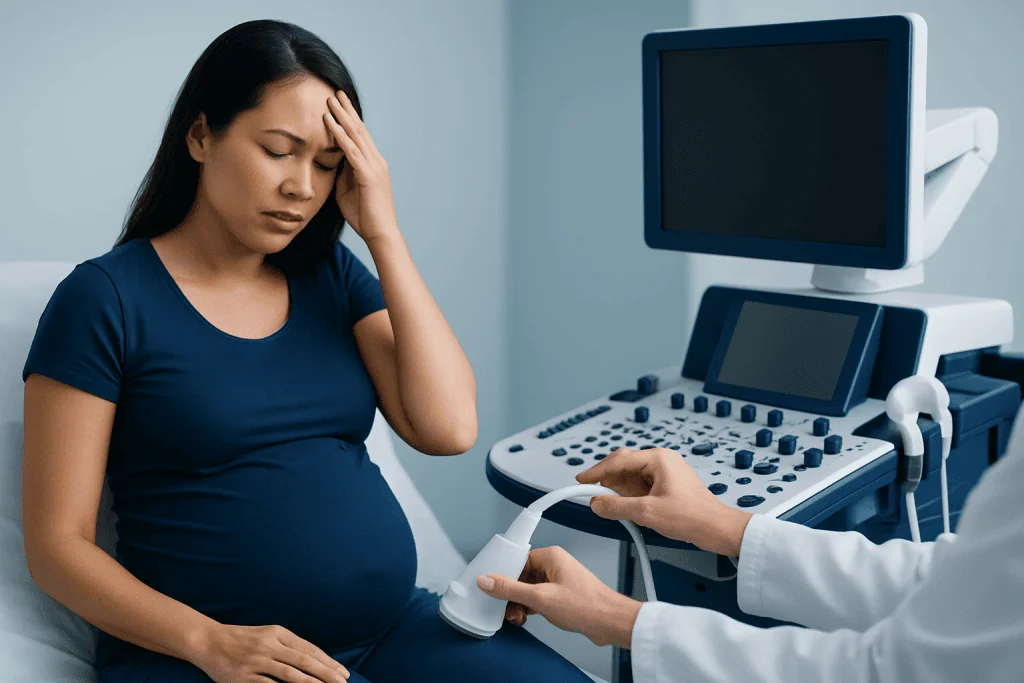
Pregnancy headaches do not all feel the same. Some are dull, tight, or band-like around the forehead or back of the head, which is common with tension headaches. Others may be throbbing, one-sided, or linked to nausea, light sensitivity, or sound sensitivity, which can be more suggestive of migraine.
Headaches may happen at certain times of day, such as after poor sleep, after too much screen time, or when meals are delayed. Some pregnant women notice headaches when they are under emotional stress, physically tense, or spending long periods without enough fluids. Tracking when symptoms begin and what they feel like can make patterns easier to recognize.
Sometimes headache is part of a bigger picture. A person may also notice neck and shoulder tightness, sinus pressure, or fatigue. If there are symptoms such as weakness, confusion, fainting, fever, or vision changes, the headache should be treated more seriously and discussed with a clinician right away.
Possible Causes and Risk Factors
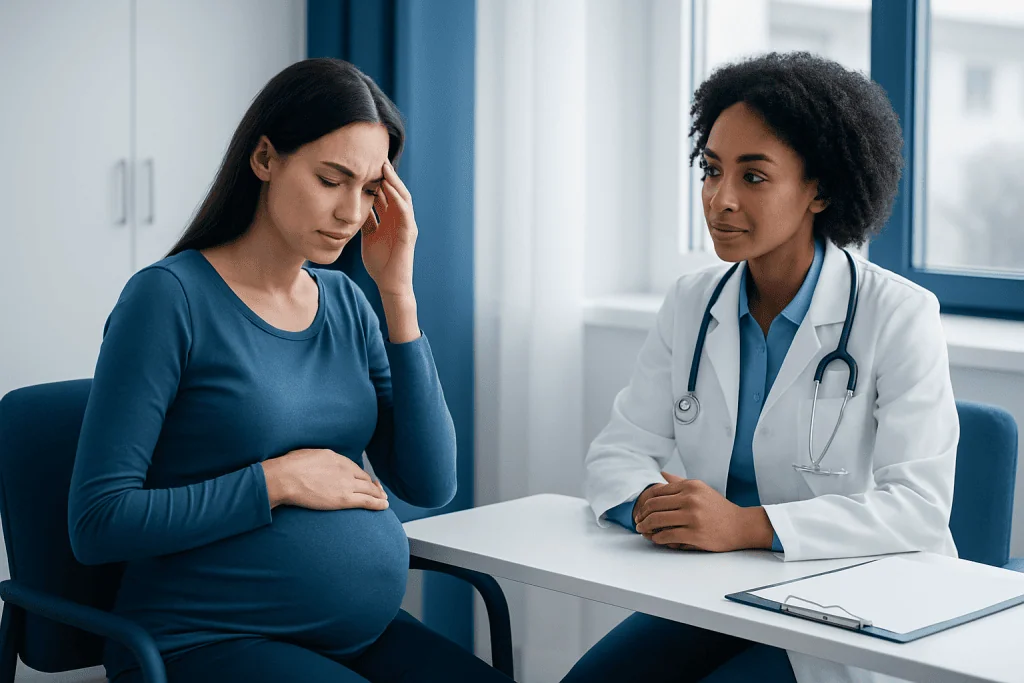
Several everyday factors can lead to headache while pregnant. Hormonal shifts can affect blood vessels and pain pathways, especially early in pregnancy. Tiredness, interrupted sleep, dehydration, low blood sugar from missed meals, caffeine withdrawal, and stress are also common triggers. Changes in posture and muscle tension may contribute as the pregnancy progresses.
Some women are more likely to have headaches because they had them before pregnancy, especially migraine or tension headaches. A personal history of recurrent headache may continue during pregnancy, although patterns can improve, worsen, or change. Environmental triggers such as strong smells, bright lights, heat, stuffy rooms, and excess noise can also play a role.
Less commonly, headache in pregnancy may be linked to sinus illness, anemia, elevated blood pressure, or other medical conditions. In later pregnancy, a new severe headache can sometimes point to a pregnancy-related complication that needs urgent review. That is why context matters: the timing, severity, associated symptoms, and blood pressure history all help determine what a headache may mean.
Natural Ways to Get Rid of Headache While Pregnant
For many people, the safest first response is a step-by-step self-care routine. A large glass of water, a light meal or snack with protein and complex carbohydrates, and a short rest period can help if the headache is related to dehydration or low blood sugar. Resting in a dark, quiet room and placing a cold compress on the forehead or the back of the neck may also reduce discomfort.
Gentle lifestyle measures can prevent repeat headaches. These include keeping regular meal times, drinking fluids throughout the day, getting enough sleep, stretching the neck and shoulders, and taking breaks from screens or long periods of sitting. Relaxation techniques such as slow breathing, prenatal yoga, meditation, or a warm shower may help when stress or muscle tension is part of the problem.
Some people also benefit from identifying and limiting triggers. A headache diary can record sleep, meals, fluid intake, stress, and activities before symptoms start. Helpful non-drug options may include:
- Drinking water regularly rather than waiting to feel thirsty
- Eating small, regular meals to avoid hunger-related headaches
- Using a cool compress
- Practicing gentle stretching or prenatal-approved exercise
- Improving posture and using supportive pillows
- Reducing exposure to bright light, loud noise, and strong odors
- Trying relaxation exercises or mindfulness
If headaches continue or become more severe, a doctor may suggest further evaluation or discuss pregnancy-safe treatment. In selected cases, specialists may also assess people with persistent migraine symptoms or frequent severe headaches to rule out other causes and consider individualized care, including neurology evaluation.
When Headaches Need Medical Assessment
Most headaches in pregnancy are not emergencies, but some should be checked without delay. A severe headache that starts suddenly, a headache that is different from usual, or one that does not improve with rest and hydration deserves prompt medical advice. This is especially important if the headache happens after 20 weeks of pregnancy or in the postpartum period.
Medical assessment is also important if headache is paired with warning signs such as blurred vision, flashing lights, swelling of the face or hands, chest pain, shortness of breath, confusion, weakness, numbness, trouble speaking, fainting, seizure, or very high blood pressure readings if these are known. Fever, a stiff neck, or severe vomiting should also prompt urgent care.
These symptoms do not always mean a serious problem, but they should not be self-diagnosed. Clinicians may need to consider conditions such as pregnancy-related high blood pressure disorders, infection, severe migraine, or more rare neurologic causes. If symptoms are intense or rapidly worsening, urgent evaluation is the safest course.
How Doctors Diagnose Headache in Pregnancy
Diagnosis starts with a careful history. A clinician will usually ask when the headache started, where it is located, what it feels like, how long it lasts, and whether there are triggers or associated symptoms such as nausea, vision changes, or neurologic symptoms. Blood pressure measurement is especially important during pregnancy because it can help identify conditions that need closer monitoring.
The physical exam may include neurologic checks and an assessment for swelling, sinus symptoms, dehydration, or muscle tension. In many cases, the history and examination are enough to suggest a common pregnancy headache. Blood tests or urine testing may be used if there is concern about infection, anemia, or pregnancy-related blood pressure problems.
Imaging is not needed for most straightforward headaches, but it may be considered when red flags are present. If a clinician suspects an underlying brain, blood vessel, or structural cause, they may arrange MRI or other tests that are appropriate in pregnancy. If there are symptoms pointing to a sinus or ENT problem, targeted evaluation may also be recommended.
Treatment Options Beyond Home Remedies
When natural measures are not enough, treatment depends on the likely cause, the stage of pregnancy, and the patient’s overall health. Medication decisions in pregnancy should always be made with professional guidance because some commonly used headache medicines are not recommended. A doctor, obstetrician, or pharmacist can advise which options are considered safer and when they are appropriate.
If headaches are frequent, the goal is not only pain relief but also prevention. That may mean improving sleep patterns, treating anemia or sinus disease, managing stress, reviewing caffeine intake, or addressing underlying blood pressure issues. People with a history of significant migraine or neurologic symptoms may benefit from specialist input, particularly if attacks interfere with eating, sleep, or daily activities.
Some patients need coordinated care between obstetrics and specialists. Depending on the symptoms, this may involve obstetrics and gynecology care together with neurologic review. Near the end of the care pathway, it is reasonable to note that Acibadem International’s multidisciplinary specialists and JCI-accredited hospitals diagnose and treat headache-related conditions for international patients when further assessment is needed.
Prevention and Self-Care During Pregnancy
Preventing headaches during pregnancy often depends on consistency more than intensity. Regular fluids, steady meals, and a predictable sleep routine can reduce many common triggers. Gentle daily movement, if approved by the pregnancy care team, can improve circulation, posture, and tension-related discomfort.
Stress management also matters. Even short periods of rest, stretching, breathing exercises, or quiet time may lower the chance of a tension headache. Supportive pillows, especially during later pregnancy, can reduce strain on the neck and shoulders while resting or sleeping.
It can also help to keep expectations realistic. Not every headache can be fully prevented, and pregnancy itself can change headache patterns. Still, a simple symptom diary can be very useful. Recording food intake, fluids, sleep, blood pressure if monitored, stress, and headache timing may reveal patterns that support better prevention and more focused medical advice.
Frequently asked questions
What are the best natural ways to get rid of headache while pregnant?
The most helpful first steps are often hydration, regular meals, rest, and a quiet dark room. A cold compress, gentle stretching, and stress-reduction techniques may also help. If the headache is severe, unusual, or does not improve, a doctor should be contacted.
Are headaches normal during pregnancy?
Headaches are common in pregnancy, especially in the first trimester and sometimes later on due to fatigue, dehydration, tension, or hormonal changes. In many cases they are not dangerous. However, a new severe headache or one with other symptoms needs medical review.
When should a pregnant woman worry about a headache?
A headache needs prompt medical advice if it is sudden, severe, persistent, or different from previous headaches. It is also important to seek care if there are vision changes, swelling, high blood pressure, weakness, confusion, fever, or seizure-like symptoms. These features can point to conditions that need urgent assessment.
Can dehydration cause headaches during pregnancy?
Yes, dehydration is a common cause of headache during pregnancy. Increased fluid needs, vomiting, heat, and busy routines can all make dehydration more likely. Drinking water regularly throughout the day may reduce headache frequency for some people.
Do missed meals cause headaches while pregnant?
They can. Going too long without eating may lead to low blood sugar, which can trigger headache, shakiness, or weakness. Small, regular meals and balanced snacks may help prevent this pattern.
Is it safe to take headache medicine during pregnancy?
Some medicines may be used in pregnancy, but others are not recommended. Because the safest choice depends on the trimester, medical history, and symptoms, it is best to ask a doctor, midwife, or pharmacist before taking any medication. Self-medicating without advice is not ideal during pregnancy.
References
- American College of Obstetricians and Gynecologists
- National Institute of Neurological Disorders and Stroke
- Mayo Clinic
- National Health Service
- World Health Organization
This article is for general information only and is not a substitute for professional medical advice. Please consult a qualified doctor about your individual situation.
Explore treatments in Turkey — costs, top hospitals & a free quote
JCI-accredited · board-certified surgeons · reply within 24h
Add us as a Preferred Source to see more of our trusted health content across Google Search, AI Overviews and Discover.
Check your numbers in seconds
BMI, calories, due date, blood pressure and 30+ more clinical calculators — free, instant, doctor-reviewed ranges.