Nausea After Workout: Common Causes, Related Conditions, and When to See a Doctor

Hard or sudden-intensity exercise can temporarily reduce blood flow to the digestive system and trigger nausea. Dehydration, overheating, low blood sugar, and meal timing are frequent and often manageable contributors.
Key Takeaways
- Hard or sudden-intensity exercise can temporarily reduce blood flow to the digestive system and trigger nausea.
- Dehydration, overheating, low blood sugar, and meal timing are frequent and often manageable contributors.
- Stopping exercise, cooling down gradually, and sipping fluids are appropriate first steps when nausea occurs.
- Chest pain, fainting, confusion, severe headache, or ongoing vomiting require prompt medical care.
- Repeated nausea after routine exercise may point to a digestive, metabolic, heart-related, or medication-related issue that needs evaluation.
Nausea after workout is common and is often temporary, particularly after intense exercise, exercising in heat, dehydration, or eating too close to activity. Adjusting pace, fluids, food timing, and recovery habits can help, while persistent or severe symptoms should be assessed by a healthcare professional.
Nausea After Workout: What It Can Mean
Nausea after workout usually occurs when the body is under more physical stress than it can comfortably manage at that moment. A demanding session can shift blood flow away from the stomach and intestines toward working muscles and the skin, especially during running, interval training, heavy lifting, or exercise in hot conditions. This can slow digestion and leave a person feeling queasy during or shortly after activity.
For many people, the symptom improves with rest, cooling down, and rehydration. However, nausea should not simply be pushed through. The pattern matters: symptoms that occur only after unusually strenuous activity have a different significance from nausea that happens with light exercise, recurs frequently, or comes with chest discomfort, fainting, severe abdominal pain, or other warning signs.
The most useful first step is to consider the workout context. Intensity, temperature, fluid intake, food and alcohol intake, sleep, illness, medications, and pre-existing health conditions can all influence how the body responds to exercise.
Why Exercise Can Trigger Nausea
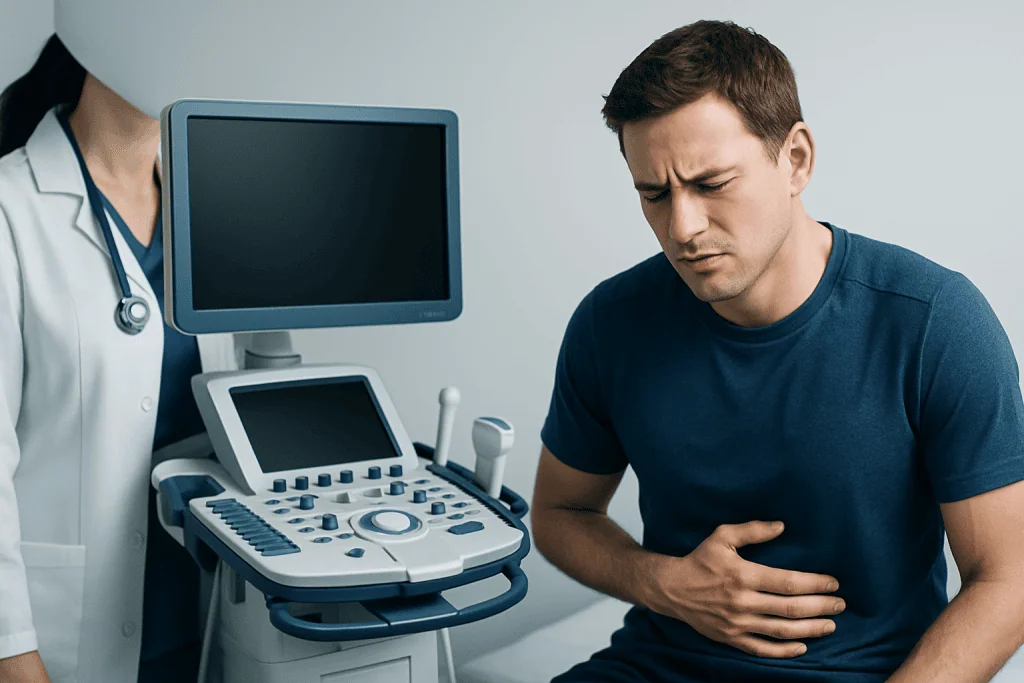
During exercise, the nervous system prioritizes circulation to muscles, the heart, and the skin. At higher intensities, less blood is available for digestion. This normal response can cause stomach discomfort, reflux, cramping, bloating, or nausea, particularly if a person starts exercise soon after a large meal or abruptly increases training intensity.
Jarring movement can also contribute. Running and high-impact sports may mechanically disturb the stomach and intestines, while cycling posture or core exercises can increase pressure in the abdomen. Some people are more sensitive to these effects, especially if they already experience indigestion, reflux, or irritable bowel symptoms.
Exercise-related nausea can also arise when the body is overheated, under-fueled, or dehydrated. In these situations, nausea is a signal to reduce exertion and recover rather than a sign that the workout is becoming more effective. Continuing hard exercise despite worsening symptoms may increase the risk of heat illness, vomiting, or injury.
Common Triggers to Consider

Several common and modifiable factors can explain nausea after workout. A sudden increase in pace, duration, resistance, or interval intensity is a frequent cause, particularly for people returning to exercise after a break. Training in humid weather, poor ventilation, or direct sun can make the same workout feel much harder and can contribute to overheating.
Food and fluid timing are also important. Exercising immediately after a rich, high-fat, high-fiber, or very large meal may delay stomach emptying and worsen discomfort. On the other hand, exercising after prolonged fasting or inadequate carbohydrate intake can contribute to low blood sugar symptoms, such as shakiness, sweating, weakness, headache, and nausea.
- Dehydration: Fluid losses through sweat can reduce exercise tolerance and cause thirst, dry mouth, dizziness, headache, and nausea.
- Overhydration: Drinking excessive amounts of plain water, especially during prolonged activity, can rarely disturb blood sodium levels and requires urgent attention if confusion, severe headache, or repeated vomiting develops.
- Alcohol, poor sleep, or illness: These may lower tolerance for exercise and make nausea more likely.
- Supplements and medications: Caffeine, stimulant-containing pre-workouts, iron supplements, some pain relievers, antibiotics, diabetes medicines, and other drugs may cause or worsen nausea in some people.
Keeping a simple record of meals, hydration, workout type, symptoms, and recovery can help identify a pattern. This information is also useful if medical advice is needed.
Related Conditions That May Need Assessment
Although lifestyle and training factors are common explanations, recurrent nausea with exercise can sometimes be related to an underlying condition. Gastroesophageal reflux disease can cause nausea, upper abdominal discomfort, sour taste, or burning in the chest or throat, particularly when exercise follows meals. Gastritis, peptic ulcer disease, gallbladder conditions, migraine, and anxiety-related symptoms may also contribute in certain people.
Low blood glucose is a particular concern for people who use insulin or other diabetes medicines, and it may cause nausea along with sweating, tremor, hunger, palpitations, confusion, or unusual fatigue. People with diabetes should discuss an individualized exercise and glucose-management plan with their healthcare team rather than changing medication on their own.
More rarely, nausea with exertion can be an atypical symptom of a heart or circulation problem. This is especially important when it occurs alongside pressure or pain in the chest, discomfort spreading to the jaw, back, shoulder, or arm, unusual shortness of breath, palpitations, fainting, or a marked decline in exercise capacity. Heart-related symptoms are not always dramatic, and they can present differently among individuals.
Pregnancy, anemia, infections, vestibular disorders, and medication side effects may also lower exercise tolerance or cause nausea. A clinician can consider these possibilities based on a person’s symptoms, health history, physical examination, and, when appropriate, testing.
What to Do When Nausea Starts During Exercise
When nausea begins during a workout, the person should stop or significantly reduce activity and move to a cool, safe area. A gradual cool-down is usually preferable to suddenly lying flat after strenuous exercise, unless the person feels faint or has been advised otherwise. Tight clothing can be loosened, and slow, steady breathing may help settle the sensation.
Small sips of water may be helpful, particularly when sweating or heat exposure is involved. After prolonged or very sweaty exercise, a drink containing electrolytes may be appropriate for some people, but very large volumes should be avoided. If vomiting occurs, it is best to rest and reintroduce fluids gradually once the stomach has settled.
Food should not be forced while nausea is active. Once symptoms improve, a light snack containing carbohydrate and some protein may support recovery if the person has not eaten for several hours. A person with diabetes who suspects low blood glucose should follow the action plan provided by their clinician and check glucose if able.
Exercise should not resume that day if nausea is severe, keeps returning, or is accompanied by dizziness, weakness, chest symptoms, or significant abdominal pain. Persistent symptoms deserve medical guidance before returning to challenging training.
Reducing the Chance of Nausea After a Workout
Prevention generally focuses on gradual progression. Building endurance and strength over time gives the digestive, cardiovascular, and temperature-regulation systems an opportunity to adapt. A person who develops nausea with high-intensity sessions may benefit from temporarily shortening intervals, lowering resistance, extending rest periods, or choosing lower-impact exercise such as walking, swimming, or easy cycling.
Meal timing should be individualized. Many people tolerate a light meal or snack one to three hours before exercise better than a heavy meal immediately beforehand. Options may include foods that are familiar, easy to digest, and not overly high in fat or fiber. People who exercise early in the morning may tolerate a smaller snack or may need personalized advice if symptoms occur while fasting.
Hydration should begin before activity rather than relying on a large amount of fluid all at once during a workout. Drinking according to thirst, taking breaks in hot conditions, wearing breathable clothing, and allowing time to acclimatize to heat can reduce the likelihood of heat-related nausea. Limiting alcohol before exercise and being cautious with caffeinated supplements can also help.
If symptoms are new after starting a supplement or medication, a pharmacist or prescribing clinician can review whether it may be contributing. People should not stop prescribed medicines without professional advice.
When to Seek Medical Care
Urgent medical care is needed if nausea after exercise occurs with chest pain or pressure, severe shortness of breath, fainting, confusion, a seizure, new weakness, severe headache, blue or gray lips, severe abdominal pain, blood in vomit, or persistent vomiting. Emergency assessment is also appropriate for possible heat stroke symptoms, including altered mental state, very high body temperature, collapse, or hot skin.
A non-urgent medical appointment is advisable when nausea happens repeatedly, begins with mild or routine activity, lasts for hours after exercise, interferes with eating or hydration, or is accompanied by unexplained weight loss, recurrent heartburn, changes in bowel habits, palpitations, or fatigue. A clinician may review exercise habits, diet, medications, blood glucose risk, digestive symptoms, and cardiovascular risk factors.
Evaluation may include a physical examination and selected tests such as blood tests, an electrocardiogram, or digestive investigations, depending on the symptoms and medical history. This approach helps distinguish common exercise-related discomfort from conditions that need specific treatment.
Acibadem International’s multidisciplinary specialists and JCI-accredited hospitals can assess persistent exercise-related symptoms and coordinate care for international patients when needed.
Frequently asked questions
Is nausea after workout normal?
Mild, short-lived nausea can occur after strenuous exercise, particularly in heat or when a person is dehydrated, under-fueled, or has eaten a large meal close to exercise. It should improve with rest and recovery. Frequent, severe, or unexplained nausea should be discussed with a healthcare professional.
Why do I feel nauseous after exercising on an empty stomach?
Exercising after a long period without food may contribute to low blood sugar or reduced energy availability, which can cause nausea, shakiness, weakness, sweating, or headache. Some people tolerate fasted exercise well, while others do not. A small, easy-to-digest snack before activity may help, but people using diabetes medication should seek individualized advice.
Can dehydration cause nausea after a workout?
Yes. Sweating without adequate fluid replacement can contribute to dehydration, which may cause thirst, dry mouth, headache, dizziness, fatigue, and nausea. Rehydrating gradually and avoiding exercise during extreme heat can help reduce this risk.
Should a person eat before working out to prevent nausea?
Many people feel best after a light snack or meal eaten with enough time to digest, often one to three hours before exercise. Large, fatty, spicy, or high-fiber meals immediately before activity can worsen stomach discomfort. The ideal timing and food choices vary according to the individual and the type of workout.
Can nausea after exercise be a sign of a heart problem?
Nausea alone is usually not caused by a heart problem, but it can occur with cardiac symptoms in some people. Urgent evaluation is important if nausea occurs with chest pressure, unusual breathlessness, sweating, fainting, palpitations, or pain spreading to the arm, jaw, back, or shoulder.
When can a person exercise again after vomiting during a workout?
It is generally best to avoid further exercise that day and focus on rest, cooling down, and gradual fluid intake. Exercise can be resumed when the person feels fully recovered, can keep fluids down, and has no warning symptoms. Repeated vomiting, dehydration, severe weakness, or symptoms with light exercise should be medically assessed before returning to training.
References
- American College of Sports Medicine
- Centers for Disease Control and Prevention
- National Institute of Diabetes and Digestive and Kidney Diseases
- National Heart, Lung, and Blood Institute
- Mayo Clinic
This article is for general information only and is not a substitute for professional medical advice. Please consult a qualified doctor about your individual situation.
Persistent digestive symptoms? Get evaluated in Turkey
JCI-accredited · board-certified surgeons · reply within 24h
Add us as a Preferred Source to see more of our trusted health content across Google Search, AI Overviews and Discover.