

Nausea Treatment at Home: How It Works, Results and What to Expect

Small, frequent sips of clear fluids can help prevent dehydration when nausea is mild. Sitting upright, getting fresh air and avoiding strong smells may reduce nausea for some people.
Key Takeaways
- Small, frequent sips of clear fluids can help prevent dehydration when nausea is mild.
- Sitting upright, getting fresh air and avoiding strong smells may reduce nausea for some people.
- Bland foods are usually easier to tolerate than fatty, spicy or strongly scented meals.
- Home care is not appropriate for severe symptoms, dehydration, vomiting blood, intense pain or neurological warning signs.
- A clinician can identify and treat causes such as infection, migraine, medication effects, pregnancy-related nausea or digestive conditions.
Nausea treatment at home can often ease mild, short-lived symptoms through hydration, small bland meals, rest and avoiding common triggers. The best approach depends on the likely cause, while persistent, severe or recurrent nausea needs medical assessment.
Nausea Treatment at Home: How It Works
Nausea treatment at home is intended for mild symptoms that are brief and have no warning signs. It works by reducing stimulation of the stomach and balance system, preventing dehydration, and avoiding triggers that can worsen the feeling of sickness. Useful measures may include taking small sips of water or oral rehydration fluids, resting in a calm environment, choosing light foods when appetite returns, and avoiding strong odors.
Nausea is a symptom rather than a diagnosis. It can occur with a viral illness, motion sickness, migraine, indigestion, food intolerance, anxiety, pregnancy, medication side effects, or many other conditions. Because treatment depends on the cause, home measures should be viewed as supportive care rather than a substitute for medical evaluation when symptoms are severe, unexplained, or continuing.
Many mild episodes improve within hours as the trigger settles. Keeping a simple note of when nausea occurs, associated symptoms, meals, new medicines, travel, and menstrual or pregnancy status can help a healthcare professional identify a pattern if symptoms recur.
Who Can Try Home Care and Who Needs Assessment
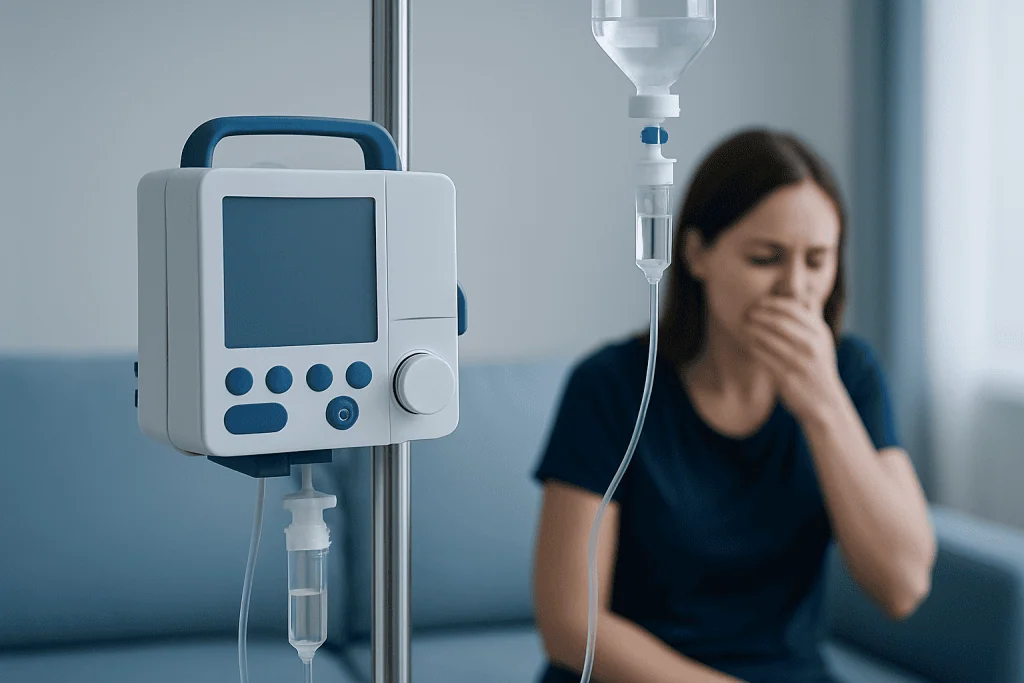
Home care may be reasonable for an otherwise well person with mild nausea who can keep down at least small amounts of fluid, has no severe pain, and expects a temporary cause such as travel, a minor stomach upset, or a known trigger. Children, older adults, pregnant people, and people with long-term health conditions may become dehydrated more quickly and should be monitored especially carefully.
People should speak with a clinician before using over-the-counter anti-nausea medicines if they are pregnant, breastfeeding, taking regular medicines, have glaucoma, prostate problems, heart rhythm concerns, liver or kidney disease, or are treating a child. A pharmacist can help check whether a product is appropriate and whether it may cause drowsiness or interact with other medicines.
Repeated nausea can sometimes be associated with digestive conditions such as gastroesophageal reflux disease (GERD), migraine, inner-ear disorders, or medication effects. Medical review is important if symptoms return often, interfere with eating or daily activities, or lead to unintended weight loss.
A Practical Step-by-Step Home Plan

Start by reducing immediate triggers. Move to a cool, quiet space with fresh air if possible, loosen tight clothing, and avoid strong food smells, smoke, alcohol, and intense visual stimulation. Slow, steady breathing may reduce anxiety that can accompany nausea, although it does not treat the underlying cause.
Next, focus on fluids. Take one or two small sips every few minutes rather than drinking a large glass at once. Water, clear broth, diluted juice, ice chips, or an oral rehydration solution may be easier to tolerate. If vomiting has occurred, wait briefly for the stomach to settle and then restart with very small amounts. Avoid alcohol and limit caffeinated drinks, which may worsen dehydration or stomach irritation.
When fluids are tolerated, introduce small portions of plain foods such as crackers, toast, rice, bananas, applesauce, potatoes, or soup. Eating slowly and staying upright after food can help. Fried, fatty, spicy, acidic, or highly sweet foods may aggravate symptoms. Some people find ginger tea, ginger-containing foods, or peppermint helpful, but effects vary and herbal products can interact with medicines.
- Take small sips rather than large drinks.
- Eat frequent, small bland meals instead of one large meal.
- Rest with the upper body elevated.
- Avoid driving or operating machinery if nausea or medicines cause dizziness or drowsiness.
What Relieves Nausea Immediately at Home?
There is no single method that works immediately for everyone, but the quickest low-risk options are often to sit upright, take slow breaths, get fresh air, and sip a small amount of a clear fluid. Removing odors, pausing food temporarily, and using a cool cloth on the forehead or neck may also feel soothing. These measures are most helpful for mild nausea and do not replace care for serious symptoms.
For motion-related nausea, looking at a fixed point in the distance, minimizing reading or screen use during travel, and sitting where movement is least noticeable can be useful. If nausea follows a meal, remaining upright and avoiding bending or lying flat may lessen reflux-related discomfort. A pharmacist or doctor may recommend an anti-nausea medicine for particular situations, but the right choice depends on the likely cause and a person’s health history.
A practical “body trick” is controlled breathing: inhale gently through the nose, pause briefly, then exhale slowly through the mouth. This can calm the nervous system and reduce the sensation of nausea for some people. It is not a cure, and worsening symptoms should not be managed with breathing exercises alone.
How Long Does It Take to Get Rid of Nausea?
The time course varies widely. Nausea caused by a minor dietary upset, brief motion sickness episode, or a short-lived viral illness may begin to ease over several hours to a few days. Nausea related to pregnancy, migraine, medication changes, reflux, infection, or a chronic digestive disorder may continue or recur until the underlying cause is addressed.
Improvement is usually gradual. A person may first be able to tolerate a few sips of fluid, then bland food, and later return to normal meals. Recovery is supported by replacing fluids, resting, and returning to usual eating slowly rather than forcing large meals. Heavy exertion and alcohol are best avoided until nausea has fully settled.
If nausea lasts more than a few days, repeatedly returns, or does not improve despite careful home measures, a doctor should assess it. Persistent symptoms deserve attention even without vomiting, especially if they affect hydration, nutrition, sleep, work, or quality of life.
Is It Better to Sit Up or Lay Down When Nauseous?
For many people, it is better to sit upright or rest with the head and upper body elevated. This position may reduce reflux of stomach contents, make breathing feel easier, and lower the risk of choking if vomiting occurs. Reclining with several pillows can be more comfortable than lying completely flat.
Lying on the left side may be more comfortable for some people with reflux or pregnancy-related nausea, but individual responses differ. Lying flat immediately after eating can worsen nausea for some people, particularly when indigestion or reflux is involved. If a person feels faint, they should lie down safely and seek help if fainting, chest pain, severe weakness, or other concerning symptoms occur.
During an episode of vomiting, leaning forward or lying on the side is generally safer than lying on the back, as it helps protect the airway. Anyone who is very drowsy, confused, or unable to protect their airway needs urgent medical attention.
Benefits, Limits, and Possible Risks of Home Remedies
The main benefits of home management are comfort, hydration support, and avoiding foods or activities that aggravate symptoms while a mild illness resolves. These measures are generally low risk when used sensibly. However, they cannot diagnose or correct serious causes of nausea, such as intestinal obstruction, appendicitis, severe infection, metabolic illness, or a neurological problem.
Herbal remedies and supplements should be used cautiously. “Natural” does not always mean safe, particularly in pregnancy or alongside prescription medicine. Ginger may not be suitable for everyone, and peppermint can worsen heartburn in some individuals. Essential oils should not be swallowed, and strong scents may actually trigger nausea in sensitive people.
Over-the-counter medicines can be helpful in selected cases but may cause drowsiness, dry mouth, blurred vision, constipation, or urinary difficulties. They can also mask a worsening condition. It is best to ask a healthcare professional which option, if any, fits the person’s symptoms and medical background.
When to Seek Medical Care
Urgent medical care is needed for nausea or vomiting with severe or worsening abdominal pain, chest pain, a severe headache, confusion, stiff neck, fainting, trouble breathing, weakness on one side of the body, or a recent head injury. Care is also important if vomit contains blood, looks like coffee grounds, is green, or if stools are black or bloody.
A doctor should assess signs of dehydration, including very little urine, dark urine, marked thirst, dizziness on standing, dry mouth, unusual sleepiness, or inability to keep fluids down. Infants, young children, older adults, pregnant people, and people with diabetes or significant kidney, heart, liver, or immune conditions should seek advice earlier when nausea or vomiting is persistent.
For ongoing or recurrent symptoms, evaluation can identify the cause and guide treatment. Acibadem International’s multidisciplinary specialists and JCI-accredited hospitals diagnose and treat digestive and other causes of persistent nausea for international patients. Depending on the findings, clinicians may discuss gastroenterology evaluation and targeted testing or treatment rather than relying on repeated home remedies.
Frequently asked questions
What relieves nausea immediately at home?
Sitting upright, moving to fresh air, taking slow breaths, and sipping small amounts of clear fluid can provide quick relief for mild nausea. Avoid strong smells, large meals, alcohol, and greasy foods. Seek medical care rather than relying on home treatment if symptoms are severe or accompanied by warning signs.
How long does it take to get rid of nausea?
Mild nausea may improve within hours, while a stomach infection can last several days. The duration depends on the cause, hydration status, and whether vomiting is present. Nausea that persists for several days or keeps returning should be assessed by a healthcare professional.
What is the body trick for nausea?
Slow, controlled breathing can help some people reduce the discomfort and anxiety associated with nausea. Sitting upright, focusing on a fixed point, and limiting motion can also help, particularly with motion sickness. These techniques provide symptom support but do not treat the underlying cause.
Is it better to sit up or lay down when nauseous?
Sitting upright or reclining with the upper body raised is often preferable, especially after eating or when reflux may be contributing. Lying flat can worsen symptoms for some people. If vomiting occurs, leaning forward or lying on the side is safer than lying on the back.
Can dehydration cause nausea?
Yes. Dehydration can contribute to nausea, dizziness, weakness, headache, and reduced urination. Small, frequent sips of water or an oral rehydration solution may help, but inability to keep fluids down requires medical advice.
Should someone eat when they feel nauseous?
It is usually reasonable to begin with fluids and then try small amounts of bland food once tolerated. Large, fatty, spicy, or strongly scented meals may make nausea worse. If eating remains difficult or weight loss develops, a clinician should evaluate the cause.
References
- National Institute of Diabetes and Digestive and Kidney Diseases
- National Health Service
- Mayo Clinic
- American College of Gastroenterology
This article is for general information only and is not a substitute for professional medical advice. Please consult a qualified doctor about your individual situation.
Persistent digestive symptoms? Get evaluated in Turkey
JCI-accredited · board-certified surgeons · reply within 24h
Add us as a Preferred Source to see more of our trusted health content across Google Search, AI Overviews and Discover.

More from the Health Library



Related Specialists

Prof. Dr. Yaşar Çolak
Gastroenterology
Prof. Dr. Gamze Uğurluer Sümer
Radiation Oncology
Prof. Dr. İbrahim Tuncay
Orthopedic Surgery & Traumatology
Burcu Kocabey
Physical Medicine & Rehabilitation