

Nerve Transplant: Procedure, Recovery and Results

Nerve transplant usually refers to nerve grafting or nerve transfer surgery for severe peripheral nerve injuries. Nerves regenerate slowly, so nerve transplant recovery commonly takes many months and sometimes longer.
Key Takeaways
- Nerve transplant usually refers to nerve grafting or nerve transfer surgery for severe peripheral nerve injuries.
- Nerves regenerate slowly, so nerve transplant recovery commonly takes many months and sometimes longer.
- Early specialist assessment is important because prolonged loss of muscle connection can reduce the chance of functional recovery.
- Rehabilitation, splinting and regular follow-up are central parts of recovery after nerve reconstruction.
- Surgery can improve sensation, movement or both, but the degree of recovery varies between individuals.
A nerve transplant is a reconstructive procedure used when a damaged peripheral nerve cannot be repaired directly. It may use a nerve graft or nerve transfer to create a pathway for regrowth, with outcomes depending on the injury, timing, affected body area and rehabilitation.
Overview: What Is a Nerve Transplant?
A nerve transplant is a term often used to describe surgery that reconstructs an injured peripheral nerve. Peripheral nerves carry messages between the brain and spinal cord and the muscles, skin and organs. When a nerve is cut, severely stretched, crushed or has a gap after injury or surgery, the signals controlling movement and feeling may be disrupted.
In many cases, surgeons can reconnect the two ends of a nerve directly. If that would create too much tension, they may bridge the gap with a nerve graft, sometimes called a nerve transplant. A graft may come from another less essential sensory nerve in the person’s body, from donor tissue in selected situations, or from a processed nerve graft. Another approach, called a nerve transfer, redirects a nearby functioning nerve branch to restore an important lost function.
The aim is not to replace a nerve in the same way as an organ transplant. Instead, surgery provides a route through which the patient’s nerve fibers may regrow. This process is gradual, and recovery depends on many factors, including the type of injury, how quickly it is treated, the distance to the target muscle or skin area, age and overall health.
How Nerve Reconstruction Works and Who May Be a Candidate
After a peripheral nerve injury, the portion of the nerve beyond the injury can no longer receive normal signals. If the nerve structure is preserved, some fibers may recover without surgery. However, a complete cut, extensive scar tissue, a missing segment or injury close to the nerve roots may require specialist reconstruction.
A person may be considered for nerve grafting or a nerve transfer when there is persistent weakness, paralysis, numbness, pain or loss of muscle control after trauma, a fracture or dislocation, a deep laceration, compression, tumor removal or another operation. Nerve transfers are commonly considered when the original nerve is unlikely to recover in time to reconnect with the affected muscles.
Candidacy is individual. The surgical team considers which nerve is affected, whether the injury is recent or longstanding, the condition of the muscles and joints, wound healing, circulation and the person’s rehabilitation goals. Conditions such as severe infection, uncontrolled diabetes, smoking and poor blood supply may affect healing and are addressed as part of treatment planning.
Related injuries may involve the nerve network around the shoulder, known as the brachial plexus. A specialist assessment of brachial plexus injury can help clarify whether observation, repair, grafting, transfer or rehabilitation is most appropriate.
What Happens During Nerve Transplant or Nerve Transfer Surgery?
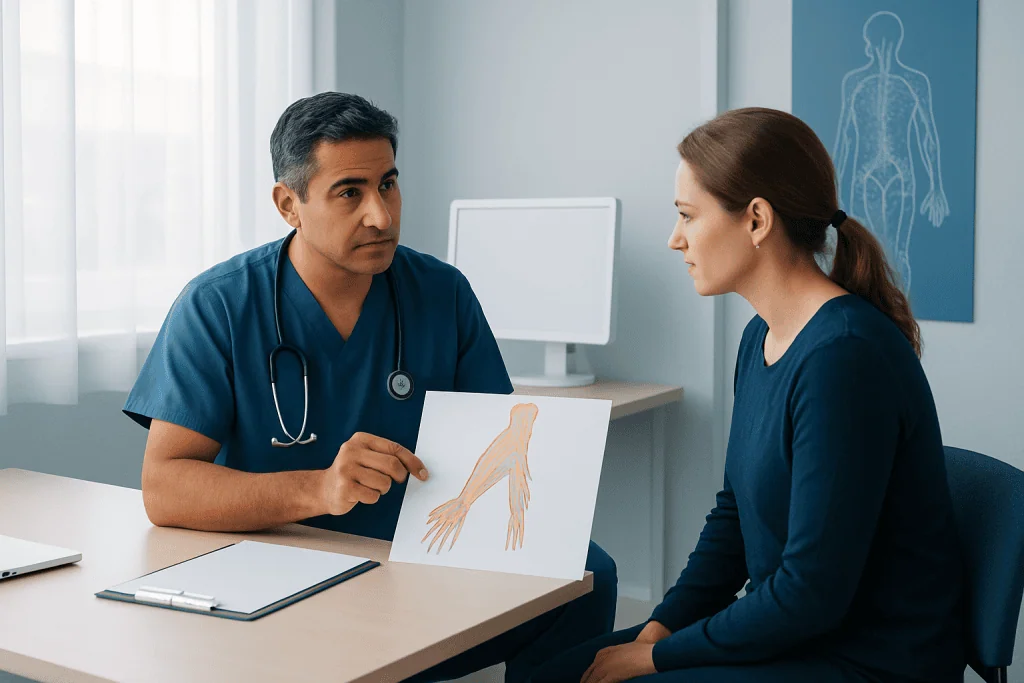
Before surgery, a peripheral nerve specialist reviews the history of the injury and performs a detailed examination of strength, sensation, reflexes and joint movement. Nerve conduction studies and electromyography may help locate and characterize the injury. Ultrasound or magnetic resonance imaging may also be used to assess nerve continuity, scarring and related injuries.
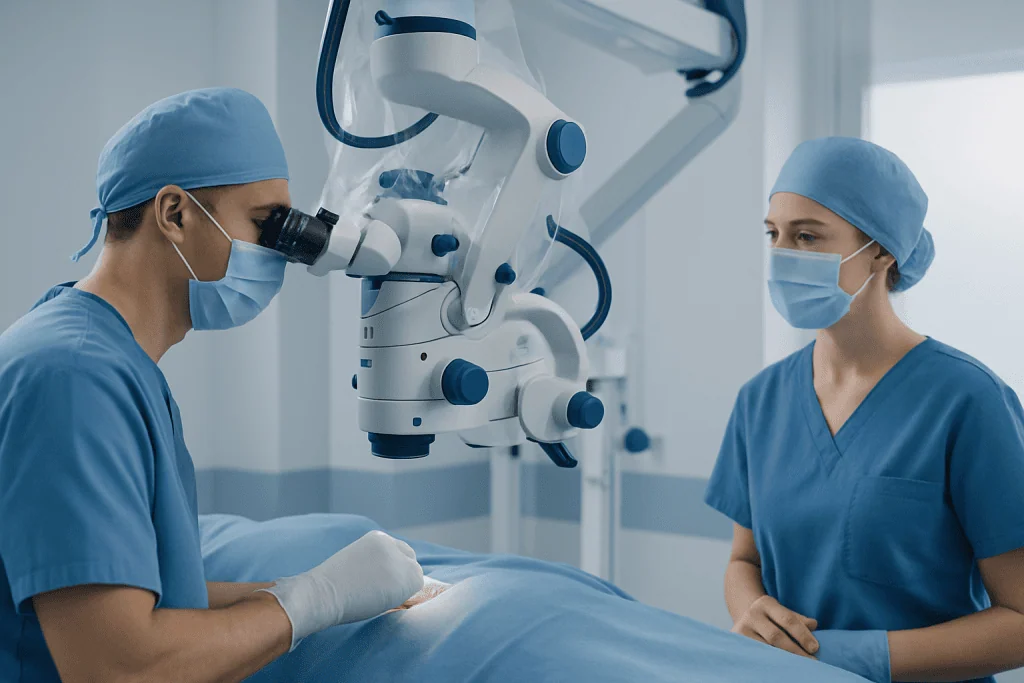
During surgery, which is usually performed under general anesthesia, the surgeon exposes the damaged nerve and examines it under magnification. Damaged or scarred tissue may be carefully removed until healthy nerve ends are identified. If the ends meet without tension, they may be repaired with fine sutures.
If there is a gap, the surgeon may take a sensory nerve graft from another area, often leaving a patch of numbness at the donor site, or use another appropriate graft material. The graft is joined to the injured nerve to guide regrowth. In a nerve transfer, a small branch from a functioning nearby nerve is connected to the nerve branch serving a critical muscle or sensory area.
After reconstruction, the limb may be protected with a dressing, splint or sling. The specific approach depends on the injury location and goals. Peripheral nerve surgery planning also includes rehabilitation, since surgery and therapy work together to support the best possible function.
Nerve Transplant Recovery Time and Rehabilitation
Nerve transplant recovery is usually measured in months rather than days or weeks. The surgical wound generally heals first, while nerve fibers then regrow gradually from the repair site toward the muscles and skin they supply. Because the distance differs from one injury to another, the nerve transplant recovery time is highly individual.
In the early weeks, protecting the repair and managing swelling are priorities. The care team may recommend a splint or brace, gentle movement of unaffected joints and wound care. Pain, tingling or brief electric-shock sensations can occur during healing, but new or worsening symptoms should be discussed with the surgeon.
Physical and occupational therapy are often essential. Therapy may maintain joint flexibility, prevent stiffness, protect weak muscles, retrain movement patterns and help the person adapt while nerve function returns. For hand, arm or shoulder injuries, hand surgery and rehabilitation may be part of a coordinated recovery plan.
Nerve transfer recovery time can sometimes be shorter than graft recovery when the transfer is closer to the target muscle, but this is not guaranteed. Follow-up may include repeated strength examinations and electrical tests to look for reinnervation. Full recovery may take a year or more, and some people continue to gain function beyond that period.
Benefits, Limits and Possible Risks
The potential benefits of nerve reconstruction include improved muscle activation, better sensation, greater independence in daily activities and reduced risk of complications associated with long-term weakness. For some injuries, restoring one key movement, such as elbow bending, shoulder stability or finger function, can make a meaningful functional difference.
A nerve transplant success rate cannot be summarized by one number. Results vary according to the nerve involved, injury severity, the interval before repair, the length of a graft, the person’s age, the health of the target muscles and participation in rehabilitation. Surgeons usually discuss realistic goals in terms of useful function rather than promising complete return to pre-injury ability.
Possible surgical risks include bleeding, infection, wound problems, scarring, persistent numbness, pain, neuroma formation, incomplete recovery and need for further treatment. When an autologous graft is used, there may also be lasting numbness or sensitivity at the donor site. Anesthesia carries its own risks, which are reviewed before surgery.
Some people may benefit more from tendon transfer, muscle transfer, nerve stimulation, pain management or adaptive rehabilitation than from a nerve graft alone. The best plan is developed with specialists in peripheral nerve surgery, orthopedics or plastic reconstruction, neurology and rehabilitation medicine.
What Are the Signs That Nerves Are Healing After Damage?
Signs that nerves are healing after damage may include gradually improving sensation, tingling, reduced numbness, better ability to detect touch or temperature, and small gains in muscle movement. Some people notice tingling or occasional shooting sensations as nerve fibers regenerate, but symptoms alone do not prove that recovery is occurring.
For motor nerves, early recovery may appear as a slight muscle twitch or a small movement that becomes more controlled over time. A clinician may identify signs of reinnervation before they are obvious to the person, using physical examination and, when appropriate, electromyography.
Healing is rarely steady from day to day. Symptoms can fluctuate with activity, swelling, temperature and fatigue. New weakness, rapidly worsening pain, marked swelling, skin color changes or loss of function should not be assumed to be normal healing and should be assessed promptly.
How Long Do Stretched Nerves Take to Heal?
A stretched nerve, sometimes called a traction injury, can take weeks to months to heal if the nerve fibers remain intact. A mild injury may improve over several weeks, while more substantial stretching can require many months. A severe traction injury can tear nerve fibers or pull nerves away from the spinal cord, in which case spontaneous recovery may be limited.
The time needed depends on whether the nerve has been bruised, partially damaged, fully disrupted or scarred. The location matters as well: nerves must regrow from the injury site to the affected muscles or skin, so an injury farther from the hand or foot may have a shorter route than one near the shoulder, pelvis or spine.
Regular reassessment is important when recovery is uncertain. A clinician may use repeat examinations and nerve tests to determine whether healing is underway or whether referral for reconstruction should be considered. Protecting joints, maintaining safe movement and attending therapy can prevent secondary problems while the nerve is observed.
Does Nerve Restore Really Work, and Is There a Cure for Nerve Damage?
The phrase “nerve restore” is often used broadly for treatments intended to support nerve healing. Whether treatment works depends on the cause and type of nerve damage. Some nerves recover naturally after pressure is relieved or an injury heals; others need surgery to repair a cut nerve, bridge a gap or transfer nerve input to a weak muscle.
There is no single cure for all nerve damage. Treatment may address the underlying cause, such as diabetes, vitamin deficiency, immune disease, compression or trauma, while also managing pain and preserving function. For a damaged peripheral nerve, reconstruction can create an opportunity for regrowth, but it cannot always reverse longstanding muscle loss or restore every sensation.
Evidence-based care begins with an accurate diagnosis rather than relying on supplements, devices or unproven therapies that claim to regenerate nerves. A neurologist or peripheral nerve surgeon can explain which options are appropriate, what improvement is realistic and how rehabilitation can support recovery.
Acibadem International’s multidisciplinary specialists and JCI-accredited hospitals diagnose and treat peripheral nerve injuries for international patients, with care plans tailored to the injury and functional goals.
When to Seek Medical Care
Medical assessment is important after any deep cut, crush injury, fracture, dislocation or traction injury followed by numbness, weakness, loss of movement or severe burning pain. Early evaluation is particularly important when a person cannot lift the wrist, move fingers, bend the elbow, raise the arm, walk normally or feel parts of a hand or foot.
Urgent medical care is needed for a limb that becomes pale, cold, severely swollen or increasingly painful, or when numbness and weakness begin suddenly. These symptoms can indicate a problem involving blood flow, pressure on nerves or another condition requiring prompt treatment.
People recovering from nerve surgery should contact their surgical team for fever, wound redness or drainage, worsening swelling, uncontrolled pain, a new loss of movement or concerns about a splint or dressing. Follow-up appointments are also important even when recovery feels slow, because nerve regeneration may need ongoing monitoring and rehabilitation adjustments.
Frequently asked questions
What is the difference between a nerve graft and a nerve transfer?
A nerve graft bridges a gap between two ends of an injured nerve and provides a pathway for nerve fibers to grow through. A nerve transfer connects a functioning nearby nerve branch to the nerve branch of an important weak muscle or sensory area. The most suitable technique depends on the location, timing and severity of the injury.
How painful is recovery after nerve transplant surgery?
Discomfort after surgery is expected and is managed with an individualized postoperative plan. Some people also have tingling, numbness or nerve-type pain during recovery. Severe or worsening pain, especially with swelling, fever or wound changes, should be reported to the surgical team.
Can a nerve transplant restore feeling and movement completely?
Some people regain useful sensation, movement or both, but complete recovery is not possible in every case. Outcomes depend on the original injury, the time before reconstruction, the distance nerves must regrow and the condition of the muscles. A specialist can explain the likely goals for a specific injury.
How soon should a nerve injury be evaluated?
A suspected nerve injury should be assessed promptly, particularly after a deep cut, fracture, dislocation or major traction injury. Early assessment helps identify injuries that may recover on their own and those that need timely repair or reconstruction. Emergency care is appropriate for sudden severe weakness, loss of feeling or circulation concerns.
Can physical therapy help after nerve transfer surgery?
Yes. Physical and occupational therapy can protect the repair, preserve range of motion and help retrain the brain and muscles as nerve signals return. The program is tailored to the reconstructed nerve, the body area involved and the stage of healing.
Will numbness at the nerve graft donor site go away?
When a sensory nerve is taken from another area for a graft, numbness at that donor site is common. It may become less noticeable over time, but some altered sensation can remain. The surgeon discusses donor-site effects and alternative options before surgery.
References
- National Institute of Neurological Disorders and Stroke
- American Society for Surgery of the Hand
- American Association of Neuromuscular & Electrodiagnostic Medicine
- Mayo Clinic
- World Health Organization
This article is for general information only and is not a substitute for professional medical advice. Please consult a qualified doctor about your individual situation.
Joint and spine care in Turkey — expert assessment & treatment
JCI-accredited · board-certified surgeons · reply within 24h
Add us as a Preferred Source to see more of our trusted health content across Google Search, AI Overviews and Discover.

More from the Health Library



Related Specialists

Prof. Dr. Berna Özkan
Ophthalmology
Prof. Dr. Kerim Sarıyılmaz
Orthopedic Surgery & Traumatology
Prof. Dr. Lütfi Telci
Anesthesiology
Assoc. Prof. Dr. Fuzuli Tuğrul
Radiation Oncology