Nervous System Infections in Immunocompromised Patients: When to Get Urgent Help

Immunocompromised patients may develop nervous system infections more easily and symptoms can progress faster. Urgent warning signs include fever, severe headache, neck stiffness, confusion, seizures, and new weakness or numbness.
Key Takeaways
- Immunocompromised patients may develop nervous system infections more easily and symptoms can progress faster.
- Urgent warning signs include fever, severe headache, neck stiffness, confusion, seizures, and new weakness or numbness.
- Diagnosis often involves blood tests, brain imaging, and sometimes lumbar puncture to examine cerebrospinal fluid.
- Treatment depends on the cause and may include antivirals, antibiotics, antifungals, or antiparasitic medicines.
- Prevention includes infection control, vaccination when appropriate, food and environmental precautions, and close follow-up with a doctor.
Nervous system infections can become serious more quickly in immunocompromised patients because the body may have more difficulty controlling germs. Early medical attention for symptoms such as fever, severe headache, confusion, seizures, or new weakness can help speed diagnosis and treatment.
Overview
Nervous system infections are infections that affect the brain, spinal cord, meninges, or nerves. Examples include meningitis, encephalitis, brain abscess, spinal infections, and infections caused by viruses, bacteria, fungi, or parasites. In people with weakened immune systems, these conditions may be more likely to occur and may behave differently than they do in otherwise healthy people.
An immunocompromised person may have a reduced ability to fight infections because of cancer treatment, organ transplantation, HIV, certain autoimmune disease treatments, long-term steroid use, advanced kidney disease, diabetes, or other medical conditions. Sometimes the symptoms of infection are less typical, which can make the illness harder to recognize early.
Because the brain and spinal cord are delicate, infections in these areas should never be ignored. Prompt medical evaluation is especially important when symptoms begin suddenly, worsen over hours to days, or include changes in thinking, behavior, movement, balance, or consciousness.
Symptoms and urgent warning signs
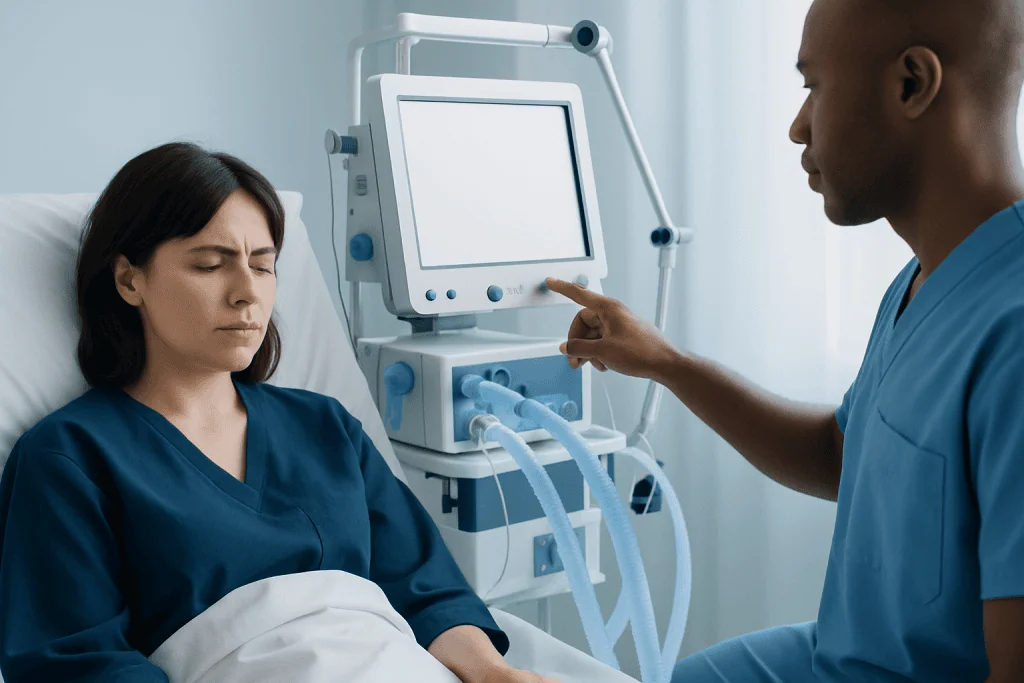
Symptoms of nervous system infections can range from mild to severe. Common signs include fever, headache, nausea, vomiting, sensitivity to light, neck stiffness, unusual sleepiness, and a general feeling of being unwell. Some patients also develop confusion, trouble speaking, memory problems, or changes in personality or behavior.
More urgent symptoms include seizures, fainting, worsening confusion, severe drowsiness, new weakness in the face, arm, or leg, difficulty walking, loss of coordination, and numbness. In babies, older adults, and immunocompromised patients, symptoms may be subtle at first, such as reduced alertness, poor appetite, or a sudden decline in daily functioning.
Urgent medical help is needed right away if an immunocompromised person develops any of the following:
- Fever with severe headache or neck stiffness
- Confusion, disorientation, or sudden personality change
- New seizure or jerking movements
- Weakness, numbness, trouble speaking, or vision loss
- Persistent vomiting or inability to stay awake
- A rapidly worsening headache, especially with fever
These symptoms do not always mean a nervous system infection is present, but they should be assessed urgently because conditions such as stroke or serious inflammation can look similar and also require immediate care.
Causes and risk factors in immunocompromised patients
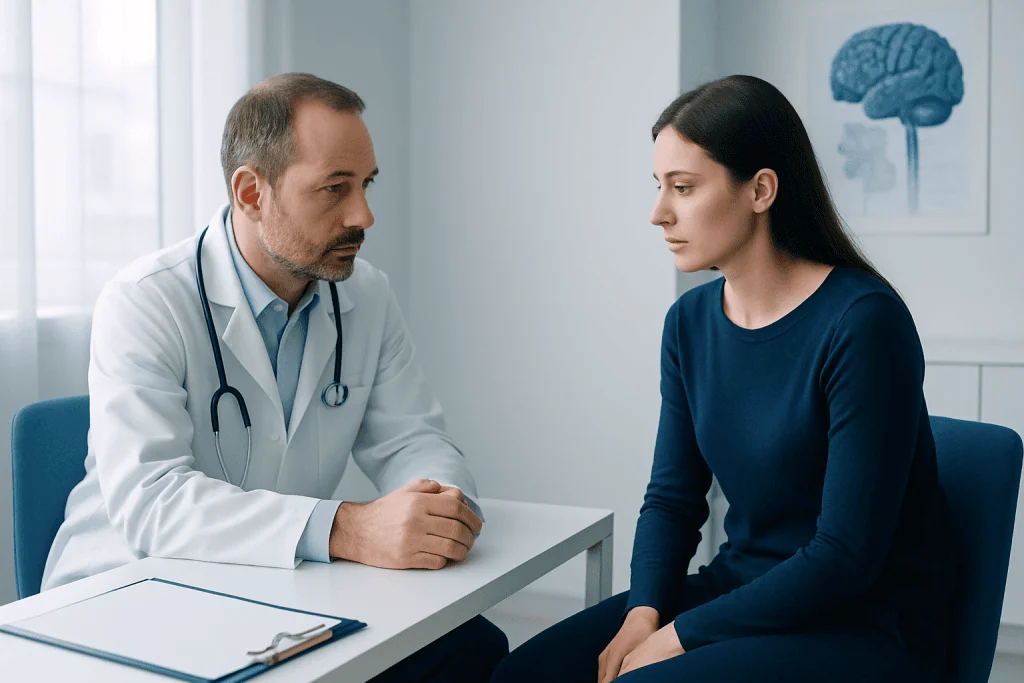
Many different germs can infect the nervous system. Viruses such as herpes simplex virus, varicella-zoster virus, cytomegalovirus, and JC virus may reactivate when immunity is reduced. Bacteria can spread through the bloodstream or from nearby infections such as sinus, ear, or dental infections. Fungi and parasites are especially important in immunocompromised patients because some of these infections are uncommon in the general population but more likely when immune defenses are low.
Risk factors include chemotherapy, anti-rejection medicines after transplant, biologic drugs that suppress the immune system, untreated or advanced HIV infection, long-term corticosteroid use, blood cancers, poorly controlled diabetes, and severe malnutrition. Recent hospitalization, central lines, surgery, or exposure to certain environments can also increase risk.
Some infections are linked to specific exposures. These may include undercooked food, unpasteurized dairy, contaminated water, animal droppings, soil, mold, or travel to areas where certain parasites are more common. Opportunistic infections can sometimes affect the brain alongside infections elsewhere in the body, such as the lungs or bloodstream.
Not every neurological symptom in an immunocompromised patient is caused by infection. Medicines, autoimmune inflammation, metabolic problems, tumors, and vascular conditions may also be involved. This is why careful medical evaluation is so important.
How doctors make the diagnosis
Diagnosis usually begins with a medical history and neurological examination. Doctors ask about symptoms, how quickly they started, current medicines, immune-suppressing treatments, recent infections, travel, food exposures, and contact with sick people. They also assess alertness, memory, speech, strength, reflexes, coordination, and signs of meningeal irritation.
Blood tests may help look for inflammation, infection, and possible effects on organs such as the kidneys or liver. Imaging is often needed to check for swelling, abscess, bleeding, or other structural problems. A brain MRI scan is especially useful in many cases, while a CT scan may be used quickly in emergency settings.
Doctors may also recommend a lumbar puncture, sometimes called a spinal tap, to examine cerebrospinal fluid. This test can help identify whether the cause is viral, bacterial, fungal, parasitic, or inflammatory. Depending on the situation, the fluid may be checked with culture, molecular tests, and other specialized studies.
Additional tests can include blood cultures, electroencephalography for seizures or encephalopathy, chest imaging, and tests for infections in other parts of the body. In more complex cases, several specialists may be involved to distinguish infection from conditions such as multiple sclerosis relapses, medication effects, or cancer-related complications.
Treatment options
Treatment depends on the suspected cause, the severity of symptoms, and the patient’s underlying health. Because delays can be dangerous, doctors may start treatment before all test results are available. This is common when bacterial meningitis, herpes encephalitis, or fungal infection is strongly suspected.
Medicines may include antibiotics, antivirals, antifungals, or antiparasitic drugs. Supportive treatment is also important and may include fluids, fever control, seizure management, oxygen, and careful monitoring in the hospital. If brain swelling is present, treatment may be needed to reduce pressure and protect brain function.
Some patients need treatment for related complications such as dehydration, electrolyte imbalance, or secondary infections. If an abscess or collection of infected fluid is present, a procedure may occasionally be required for drainage. Depending on the case, doctors may also review whether immune-suppressing medicines should be adjusted temporarily, balancing infection control with the patient’s underlying condition.
Recovery can vary widely. Some people improve quickly with early treatment, while others need rehabilitation for memory, speech, balance, or strength. When advanced care is needed, multidisciplinary teams may use imaging and procedures such as lumbar puncture as part of diagnosis and management.
Prevention and self-care
Prevention starts with understanding personal risk. Immunocompromised patients should ask their doctor which infections are of greatest concern based on their diagnosis, medicines, travel plans, and daily activities. Vaccination may reduce the risk of certain infections, although the recommended vaccines and timing depend on the type of immune suppression.
General precautions include frequent handwashing, avoiding close contact with people who are sick, following food safety measures, and using safe water when traveling. Patients may be advised to avoid unpasteurized dairy, undercooked meat, raw seafood, or other foods more likely to carry harmful germs. In some situations, avoiding construction dust, mold exposure, or animal waste is also wise.
Good self-care also includes taking prescribed medicines exactly as directed, keeping follow-up appointments, and reporting new neurological symptoms promptly. Patients should not stop immune-suppressing medicines on their own unless a doctor specifically advises it.
For people at high risk, doctors sometimes prescribe preventive antimicrobial medicines. A personalized prevention plan is often the safest approach because immune suppression can vary greatly from one person to another.
When to see a doctor
An immunocompromised person should contact a doctor promptly for any unexplained fever, persistent headache, or new neurological symptom, even if it seems mild. Early review is important because symptoms can progress quickly and because infections may present in unusual ways when immunity is reduced.
Emergency care is needed for severe headache with fever, stiff neck, confusion, seizure, fainting, trouble speaking, vision changes, sudden weakness, or rapidly worsening drowsiness. If symptoms are severe, it is safer to seek urgent assessment rather than waiting to see if they improve.
It can help to bring a list of current medicines, recent test results, and details about medical conditions such as cancer, transplant status, or HIV treatment. Information about recent travel, animal exposures, sick contacts, and food exposures may also support faster diagnosis.
For international patients who need coordinated assessment, Acibadem International’s multidisciplinary specialists and JCI-accredited hospitals diagnose and treat complex neuroinfectious conditions with input from neurology, infectious diseases, radiology, and critical care teams when needed.
Frequently asked questions
Why are nervous system infections more concerning in immunocompromised patients?
A weakened immune system can make it harder for the body to control infections quickly. This can increase the chance of unusual infections, less typical symptoms, and faster progression, so early medical assessment is especially important.
What symptoms should never be ignored?
Fever with severe headache, neck stiffness, confusion, seizures, and new weakness are all urgent warning signs. Sudden trouble speaking, vision changes, or severe sleepiness also need immediate medical attention.
Can nervous system infections happen without a high fever?
Yes. Some immunocompromised patients may have only a low-grade fever or no fever at all, especially early in the illness. New confusion, headache, weakness, or seizures should still be taken seriously even without a prominent temperature rise.
How is a nervous system infection confirmed?
Doctors usually combine the history, examination, blood tests, and imaging findings. In many cases, cerebrospinal fluid testing from a lumbar puncture is one of the most helpful ways to identify the cause.
Are these infections treatable?
Many nervous system infections are treatable, especially when recognized early. The exact treatment depends on whether the infection is caused by a virus, bacterium, fungus, or parasite, and supportive hospital care may also be needed.
Should immunocompromised patients change their regular medicines if infection is suspected?
They should not make changes on their own unless a doctor advises it. Some medicines may need adjustment during an infection, but this decision should be made carefully because stopping treatment suddenly can also cause harm.
References
- World Health Organization
- Centers for Disease Control and Prevention
- National Institute of Neurological Disorders and Stroke
- Infectious Diseases Society of America
- European Centre for Disease Prevention and Control
This article is for general information only and is not a substitute for professional medical advice. Please consult a qualified doctor about your individual situation.
Joint and spine care in Turkey — expert assessment & treatment
JCI-accredited · board-certified surgeons · reply within 24h
Add us as a Preferred Source to see more of our trusted health content across Google Search, AI Overviews and Discover.