Neuro-Ophthalmology Symptoms: Warning Signs You Should Not Ignore

Neuro-ophthalmology symptoms may involve vision, pupils, eyelids, or eye movements. Warning signs include sudden vision loss, double vision, eye pain with vision changes, and new visual field loss.
Key Takeaways
- Neuro-ophthalmology symptoms may involve vision, pupils, eyelids, or eye movements.
- Warning signs include sudden vision loss, double vision, eye pain with vision changes, and new visual field loss.
- These symptoms can be related to conditions affecting the optic nerve, brain, blood vessels, or muscles controlling the eyes.
- Diagnosis often requires both an eye examination and a neurological assessment.
- Prompt medical evaluation can help identify serious causes and guide timely treatment.
Neuro-ophthalmology symptoms are visual or eye-movement problems linked to the optic nerve, brain, or nerves controlling the eyes. While some causes are temporary or treatable, sudden or persistent changes in vision should be evaluated promptly to protect eye and neurological health.
Overview
Neuro-ophthalmology symptoms are problems that affect vision because of issues involving the optic nerve, brain, or the nerves and muscles that control eye movements. Unlike common eye conditions that mainly involve the front of the eye, neuro-ophthalmic problems often connect visual symptoms with the nervous system. This is why symptoms may seem to involve both the eyes and the brain at the same time.
People may notice blurred vision, double vision, loss of part of the visual field, trouble moving the eyes, unusual pupil reactions, or drooping of an eyelid. Some symptoms develop suddenly, while others appear gradually over days or weeks. The pattern, speed, and associated symptoms can give important clues about the underlying cause.
Not every visual disturbance means there is a serious neurological disease. However, certain warning signs should not be ignored, especially sudden changes in vision, pain with eye movement, or new double vision. A careful assessment by an ophthalmologist, neurologist, or neuro-ophthalmologist helps determine whether the cause is benign, urgent, or part of a broader health problem.
Symptoms That May Signal a Neuro-Ophthalmic Problem
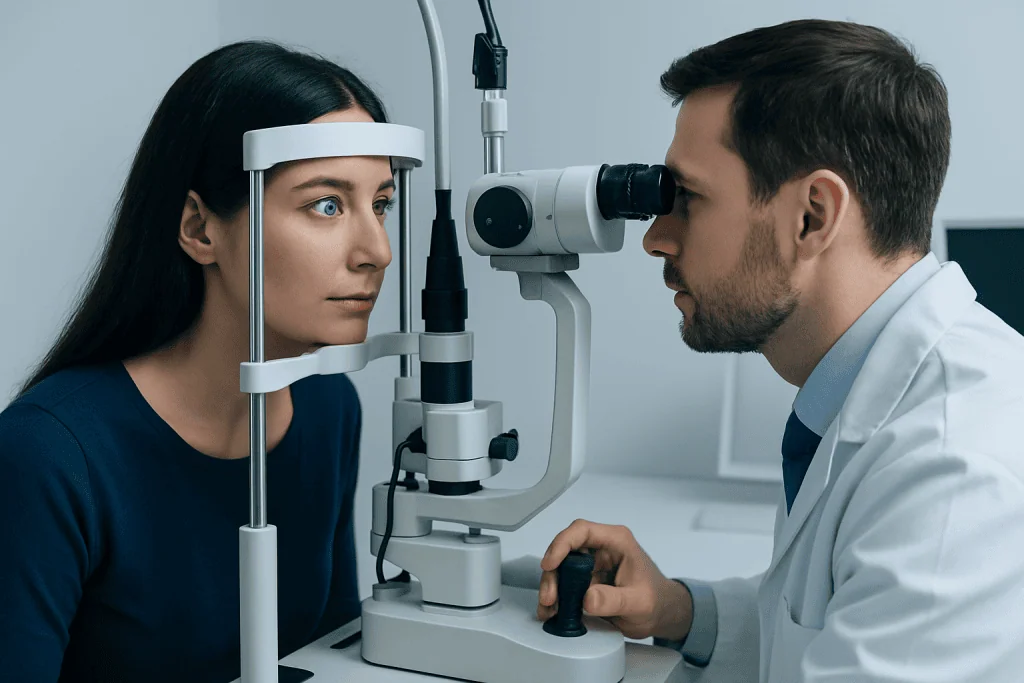
Neuro-ophthalmology symptoms can vary widely depending on which part of the visual pathway is affected. The optic nerve carries visual information from the eye to the brain, while several cranial nerves control eye movement and pupil function. Problems in any of these areas can lead to noticeable changes in sight or eye coordination.
Common symptoms include blurred vision in one or both eyes, dimming of vision, loss of color brightness, double vision, difficulty focusing, drooping eyelids, or episodes of temporary vision loss. Some people describe missing areas in their side vision or a shadow covering part of what they see. Others notice that one pupil looks larger than the other, or that bright light becomes uncomfortable.
Warning signs that deserve prompt medical attention include sudden vision loss, new double vision, severe headache with visual symptoms, eye pain with reduced vision, and symptoms that occur together with weakness, numbness, dizziness, or speech changes. These combinations may point to conditions affecting the optic nerve, eye movement nerves, or brain pathways. In some cases, such symptoms overlap with disorders such as stroke or brain tumor and need urgent evaluation.
- Sudden blurred or lost vision in one eye
- Double vision that is new or persistent
- Loss of side vision or a dark area in the visual field
- Pain with eye movement
- Drooping eyelid or unequal pupils
- Visual symptoms with headache or neurological changes
Common Causes and Risk Factors
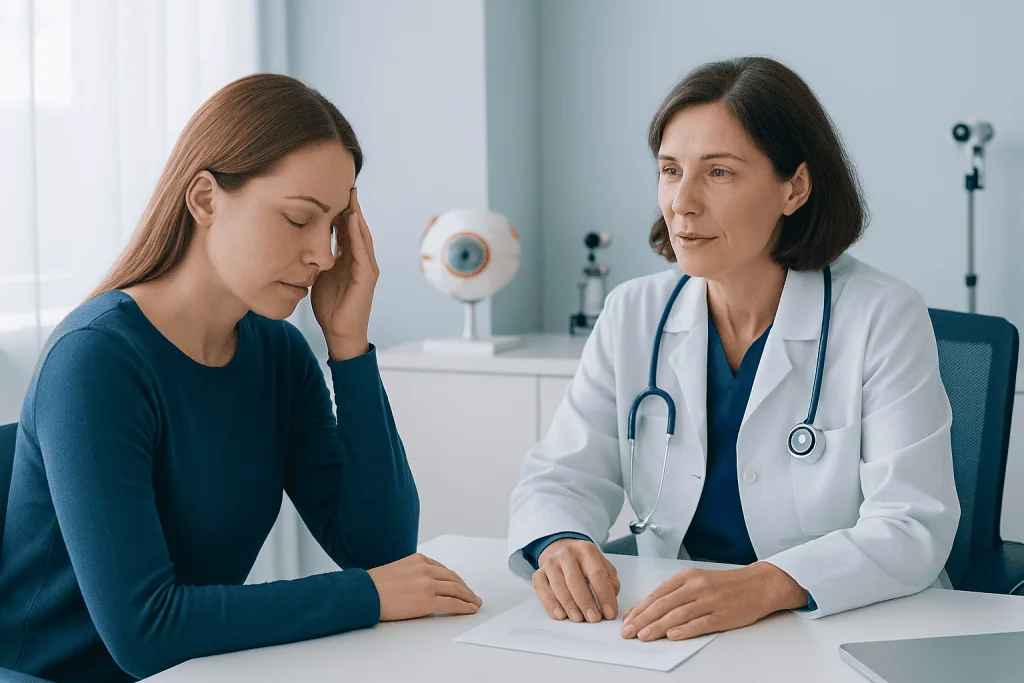
There are many possible causes of neuro-ophthalmology symptoms. Some involve the optic nerve directly, such as inflammation, poor blood flow, or pressure on the nerve. Others affect the brain areas responsible for processing vision or the cranial nerves that move the eyes. Because the visual system is closely linked to the nervous system, the same symptom can have several very different explanations.
Examples include optic neuritis, migraine with visual symptoms, nerve palsies that affect eye movement, increased pressure inside the skull, vascular conditions, autoimmune diseases, infections, and masses pressing on visual pathways. Vision changes may also occur in conditions such as multiple sclerosis, especially when the optic nerve is inflamed. In older adults, reduced blood supply to the optic nerve can also lead to sudden visual loss.
Risk factors depend on the underlying problem, but may include high blood pressure, diabetes, smoking, autoimmune disease, recent infection, head trauma, and advancing age. A personal history of neurological disease, severe headaches, or vascular disease may also increase concern when new eye or vision symptoms appear. Even so, people without known risk factors can still develop neuro-ophthalmic conditions, which is why symptom pattern and timing matter so much.
How Doctors Diagnose Neuro-Ophthalmology Symptoms
Diagnosis begins with a detailed history. Doctors usually ask when the symptoms started, whether they came on suddenly or gradually, whether one or both eyes are affected, and whether there is pain, headache, weakness, imbalance, or other neurological symptoms. This history helps narrow the possible causes and identify emergencies.
The examination often includes testing visual acuity, color vision, pupil reactions, eye alignment, eye movements, eyelid position, and the visual field. The doctor may also examine the back of the eye to look for optic nerve swelling, pallor, bleeding, or other changes. These findings can suggest whether the problem is in the eye itself, the optic nerve, or the brain’s visual pathways.
Additional tests may include visual field testing, blood tests, and imaging such as MRI or CT, especially if there is concern about inflammation, compression, stroke, or increased intracranial pressure. In some cases, the person may also need specialized assessments such as optical coherence tomography or MRI scanning to evaluate the optic nerve and brain in more detail. If the findings suggest a broader neurological issue, doctors may coordinate care with teams experienced in neurology evaluation and related specialties.
Treatment Options
Treatment depends entirely on the cause of the symptoms. There is no single treatment for all neuro-ophthalmology conditions because the underlying problem may involve inflammation, poor blood flow, infection, pressure on a nerve, autoimmune disease, or a brain-related condition. The main goal is to identify the cause quickly and treat it appropriately.
Some people may need medicines to reduce inflammation, control infection, manage migraine, or address autoimmune activity. Others may need treatment for high blood pressure, diabetes, or vascular risk factors. If symptoms are caused by pressure on the optic nerve or brain structures, surgery or another procedure may be considered. Temporary measures such as patching one eye or using special lenses can sometimes help reduce symptoms from double vision while the main problem is being treated.
When symptoms reflect a serious neurological emergency, urgent hospital-based care may be needed. If imaging or other tests show a structural problem, treatment planning may involve neurosurgical care or other targeted interventions. For international patients with complex visual and neurological symptoms, Acibadem International’s multidisciplinary specialists in JCI-accredited hospitals provide coordinated diagnosis and treatment tailored to the underlying cause.
Prevention and Self-Care
Not all neuro-ophthalmology symptoms can be prevented, but general health measures can reduce risk for some of the underlying causes. Managing blood pressure, cholesterol, and blood sugar supports healthy circulation to the eyes and brain. Avoiding smoking, staying physically active, and attending regular medical checkups can also help lower vascular risk.
People who have migraine, autoimmune disease, or chronic neurological conditions should follow their care plan and report any new or unusual visual changes. It can be helpful to note when symptoms happen, how long they last, and whether they are linked to headache, fatigue, infection, or certain activities. This record may make diagnosis easier.
Self-care should never replace assessment when warning signs are present. It is reasonable to rest the eyes, avoid driving if vision is affected, and seek support for transportation if double vision or visual loss occurs. However, home remedies should not delay medical evaluation when symptoms are sudden, painful, recurrent, or associated with neurological complaints.
When to See a Doctor
Any sudden change in vision should be taken seriously. Immediate medical attention is especially important for sudden vision loss, new double vision, eye pain with reduced sight, severe headache with visual symptoms, or visual changes with weakness, confusion, or trouble speaking. These symptoms may reflect urgent problems involving the optic nerve, circulation, or brain.
A prompt appointment is also recommended for persistent blurred vision, drooping of one eyelid, unequal pupils, episodes of temporary vision loss, or gradually worsening side vision. Even when symptoms seem mild, early evaluation can help identify causes before they become more difficult to treat. Vision changes are not always caused by a simple eye strain or the need for glasses.
If symptoms come and go, it is still worth discussing them with a qualified doctor, especially if they are new, increasing, or recurring. Neuro-ophthalmic symptoms often require careful coordination between eye specialists and neurological experts. Early diagnosis can protect vision, address underlying disease, and provide reassurance when the cause is less serious than feared.
Frequently asked questions
What does neuro-ophthalmology mean?
Neuro-ophthalmology is a medical field that focuses on vision problems related to the brain, optic nerve, and the nerves controlling eye movement. It sits between neurology and ophthalmology, so it often helps explain symptoms that involve both the eyes and the nervous system.
Are neuro-ophthalmology symptoms always serious?
Not always. Some symptoms may be caused by migraine or other treatable conditions, but others can point to urgent problems involving the optic nerve, blood vessels, or brain. Sudden or persistent symptoms should be assessed by a doctor.
Is double vision a reason to seek medical care?
Yes, especially if double vision is new, comes on suddenly, or is accompanied by headache, drooping eyelid, weakness, or dizziness. Double vision can result from problems with the eye muscles, the nerves that control them, or the brain pathways that coordinate eye movement.
Can headaches and vision changes be related?
Yes. Some headaches, including migraine, can cause visual symptoms such as flashing lights, blind spots, or temporary visual distortion. However, headache with sudden vision loss, neurological symptoms, or severe eye pain requires prompt medical evaluation.
What tests are commonly used for neuro-ophthalmology symptoms?
Doctors often use a detailed eye examination, visual field testing, pupil assessment, and evaluation of eye movements. Depending on the situation, imaging such as MRI or CT and selected blood tests may also be needed to identify the cause.
Should someone drive if they have sudden vision changes or double vision?
No. Driving is not safe if vision is suddenly reduced, distorted, or doubled. It is best to arrange transport and seek medical advice as soon as possible.
References
- American Academy of Ophthalmology
- National Eye Institute
- National Institute of Neurological Disorders and Stroke
- Mayo Clinic
- Merck Manual
This article is for general information only and is not a substitute for professional medical advice. Please consult a qualified doctor about your individual situation.
Explore treatments in Turkey — costs, top hospitals & a free quote
JCI-accredited · board-certified surgeons · reply within 24h
Add us as a Preferred Source to see more of our trusted health content across Google Search, AI Overviews and Discover.
Check your numbers in seconds
BMI, calories, due date, blood pressure and 30+ more clinical calculators — free, instant, doctor-reviewed ranges.