Neurogenic Bladder Treatment: How It Works, Results and What to Expect

Neurogenic bladder results from disrupted nerve signals between the brain, spinal cord and bladder. Treatment aims to empty the bladder safely, reduce leakage and prevent high bladder pressures that can harm the kidneys.
Key Takeaways
- Neurogenic bladder results from disrupted nerve signals between the brain, spinal cord and bladder.
- Treatment aims to empty the bladder safely, reduce leakage and prevent high bladder pressures that can harm the kidneys.
- Intermittent catheterization and medication are common first-line approaches, but treatment is individualized.
- Testing such as bladder scans, urine tests and urodynamic studies helps guide safe treatment choices.
- Some causes and symptoms can improve, while others require long-term management and monitoring.
Neurogenic bladder treatment is tailored to the cause of nerve damage, bladder pressure, urine retention or leakage, and a person’s daily needs. Care may include timed voiding, catheterization, medicines, botulinum toxin injections, nerve stimulation or surgery, with regular follow-up to protect the kidneys and improve quality of life.
Neurogenic Bladder Treatment: How It Works
Neurogenic bladder treatment helps a person store and empty urine safely when nerve signals controlling the bladder are affected. The best plan depends on whether the bladder squeezes too strongly, does not squeeze enough, stays overly tight, or fails to empty completely. Treatment is designed not only to reduce urgency, leakage or retention, but also to lower bladder pressure and protect kidney function.
Neurogenic bladder can occur after spinal cord injury, stroke, multiple sclerosis, Parkinson’s disease, diabetes-related nerve damage, pelvic surgery, congenital conditions such as spina bifida, or other neurological disorders. Symptoms vary widely. Some people leak urine because the bladder contracts unexpectedly, while others retain urine because the bladder muscle or outlet muscles do not coordinate.
Care commonly combines practical bladder-emptying strategies with medicines or procedures. A urologist may work alongside neurologists, rehabilitation specialists, nurses and pelvic-floor therapists to review the underlying condition, bladder function, mobility, hand function and personal goals. The aim is a sustainable approach that is safe and manageable in daily life.
Assessment and Candidacy for Treatment
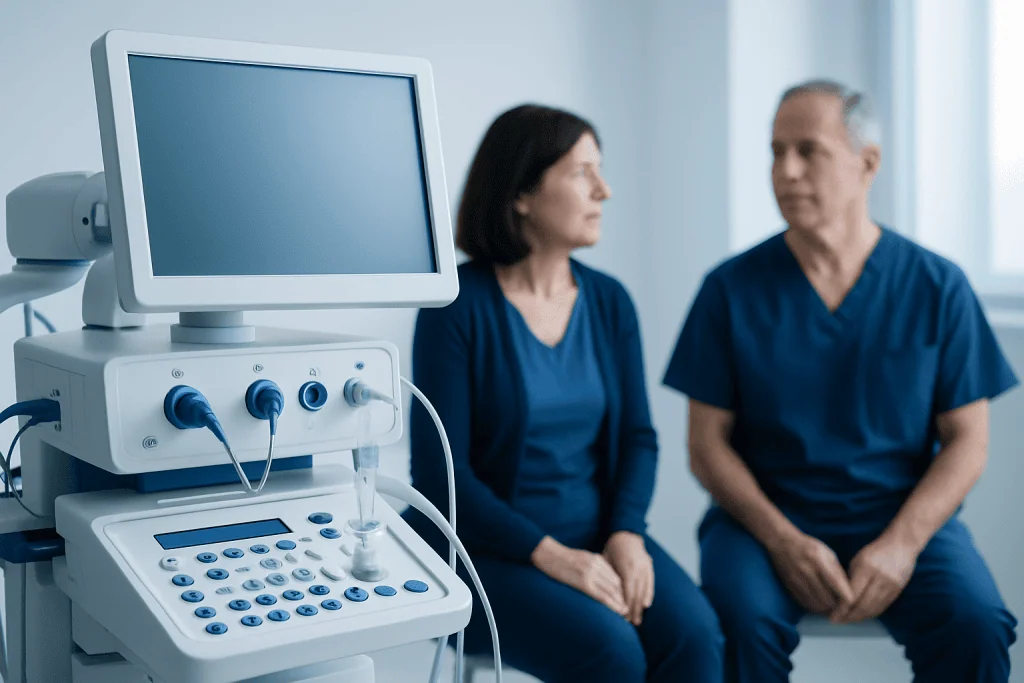
Most people with confirmed or suspected neurogenic bladder can benefit from assessment and individualized treatment. The urgency of treatment is greater when there is recurrent urinary infection, persistently high residual urine, hydronephrosis, worsening kidney function, frequent leakage, difficult catheterization or symptoms that interfere substantially with daily activities.
Evaluation begins with a medical history, medication review and discussion of urinary symptoms, fluid intake, bowel habits and neurological history. A clinician may ask the person to complete a bladder diary showing fluid intake, toilet visits, episodes of urgency or leakage, and catheterization volumes where relevant.
Tests may include urinalysis, urine culture when infection is suspected, blood tests to assess kidney function, ultrasound of the kidneys and bladder, and a post-void residual measurement. Urodynamic testing measures bladder pressure, capacity, sensation and sphincter coordination. These results can identify a high-pressure bladder, which may need timely treatment even if symptoms seem mild.
Choice of treatment also considers pregnancy plans, glaucoma, bowel problems, cognitive changes, hand dexterity, ability to perform catheterization, support at home and other health conditions. A plan should be reviewed over time because neurological conditions and bladder behavior can change.
Treatment Options and the Step-by-Step Care Pathway

Treatment often starts with a structured routine. Timed voiding, adjusting fluid timing, managing constipation and pelvic-floor guidance may help selected people. When the bladder does not empty reliably, clean intermittent catheterization is often recommended. A trained clinician teaches the person, or a caregiver, how to pass a catheter into the bladder at scheduled intervals, drain urine and remove it. This method can reduce residual urine and avoid the long-term complications associated with an indwelling catheter for many patients.
Medicines may help calm an overactive, high-pressure bladder or relax the bladder outlet in appropriate situations. Drug selection is individualized according to the person’s bladder pattern and health history. If oral medicines do not provide enough benefit or cause troublesome side effects, bladder injections of botulinum toxin may be considered. The injections temporarily relax overactive bladder muscle and are usually performed through a cystoscope; the effect wears off over time, so repeat treatment may be needed.
For carefully selected patients, nerve-based treatments or surgery may be options. Sacral neuromodulation can modulate nerve pathways involved in bladder control in certain types of dysfunction. Reconstructive surgery, including bladder augmentation or procedures to improve outlet control, is generally reserved for complex cases when less invasive treatment does not control pressure, retention or incontinence safely. Long-term catheter options may be discussed when intermittent catheterization is not feasible.
A typical care pathway includes baseline testing, a trial of conservative treatment or medication, reassessment of symptoms and bladder emptying, and escalation when needed. Follow-up may include repeat ultrasound, kidney-function tests or urodynamics. Treatment decisions should be made with a urologist who has experience in neuro-urology.
Benefits, Risks and Recovery Expectations
The potential benefits of neurogenic bladder treatment include fewer leakage episodes, more predictable bladder emptying, reduced urgency, improved sleep and greater confidence with work, travel and social activities. Equally important, effective management can reduce the risk of recurrent infection, bladder stones, kidney swelling and kidney damage caused by excessive bladder pressure or chronic retention.
Recovery depends on the approach used. Education about bladder routines or intermittent catheterization may take place over one or several teaching sessions, followed by practice at home. Medication effects may be assessed over weeks. After botulinum toxin injection, improvement often develops over several days to a few weeks. Minor procedures may involve brief activity restrictions, while reconstructive surgery requires hospital care and a longer, individualized recovery period.
Every option has possible risks. Catheterization can cause temporary discomfort, urethral irritation or urinary infection. Bladder-relaxing medicines can cause dry mouth, constipation, blurred vision or cognitive side effects in some people; certain medicines may increase residual urine. Botulinum toxin can make emptying more difficult, so some people need to start or increase intermittent catheterization. Surgical risks include bleeding, infection, anesthesia-related complications and the need for ongoing monitoring.
Regular review is important because symptom improvement alone does not always show whether bladder pressure is safe. A clinician can adjust treatment based on symptoms, residual urine, infections, imaging and kidney tests. Acibadem International’s multidisciplinary specialists and JCI-accredited hospitals provide assessment and treatment planning for international patients with neurogenic bladder.
Does a Neurogenic Bladder Ever Get Better?
A neurogenic bladder can improve when the underlying neurological problem is temporary, treatable or partially reversible. For example, bladder changes related to a temporary spinal condition, recent surgery, infection, medication effect or a stroke may improve as recovery progresses. Symptom improvement can also occur when constipation is treated, medications are adjusted, or bladder pressure and emptying are better controlled.
However, improvement is not always the same as a complete cure. Even when symptoms become less noticeable, some people still need monitoring because incomplete emptying or high bladder pressure can occur without pain. Follow-up testing helps determine whether the bladder is functioning safely.
For progressive or permanent neurological conditions, treatment can still provide meaningful control. A personalized plan may reduce leakage, make emptying more reliable and lower the risk of urinary complications. The care team can revise the plan if symptoms, mobility or the neurological condition changes.
Is Neurogenic Bladder a Permanent Condition?
Neurogenic bladder may be temporary, long-lasting or permanent, depending on the cause and the extent of nerve injury. When nerve pathways recover, bladder control can partly or fully return. In contrast, spinal cord injury, some congenital conditions and certain progressive neurological diseases may lead to long-term bladder dysfunction.
Even when the underlying condition is permanent, bladder management is not fixed. The bladder’s behavior can evolve over time, and a treatment that worked well initially may need adjustment. Changes in mobility, hand function, bowel habits, infections, medications and aging can all affect bladder control.
Long-term management should focus on safety as well as comfort. This usually includes knowing how to recognize changes in urine output, retention, fever or flank pain, attending recommended kidney and bladder checks, and discussing new symptoms promptly with a clinician.
What Can an Urologist Do for a Neurogenic Bladder?
An urologist can identify the type of bladder dysfunction, assess whether urine is being stored and emptied safely, and create a stepwise treatment plan. This may include urine and kidney testing, ultrasound, bladder scans, cystoscopy when indicated, and urodynamic testing. These assessments help distinguish overactivity, poor bladder contraction, outlet obstruction and sphincter discoordination.
Urologists can teach or arrange training in catheterization, prescribe and monitor bladder medicines, treat urinary infections appropriately, and discuss approaches for leakage or retention. They may also provide cystoscopic botulinum toxin injections, consider neuromodulation, and perform reconstructive or catheter-related procedures when necessary.
Because neurogenic bladder is often linked to a neurological condition, coordinated care is valuable. Urology may work with neurology, physical medicine and rehabilitation, nursing specialists, kidney specialists and pelvic-floor therapy providers. This supports both urinary health and practical day-to-day bladder management.
What Is the Best Medicine for Neurogenic Bladder?
There is no single best medicine for every person with neurogenic bladder. The right choice depends on whether the bladder is overactive, high pressure, poorly emptying, or affected by a tight bladder outlet. A medicine that reduces urgency and leakage for one person may worsen urine retention for another, which is why clinical assessment is essential.
For an overactive bladder, clinicians may consider antimuscarinic medicines or beta-3 agonists. These can reduce involuntary bladder contractions and may help lower bladder pressure. If bladder emptying is poor, the treatment plan may prioritize catheterization rather than a bladder-relaxing medicine alone. In selected cases, medicines that relax the bladder outlet may be used.
Medicines should be reviewed for side effects and interactions, especially in older adults and people with constipation, glaucoma, heart conditions, cognitive impairment or kidney disease. A person should not stop, start or change bladder medication without medical guidance. If medicine is insufficient or not tolerated, other options such as botulinum toxin injections may be discussed.
When to Seek Medical Care
Prompt medical advice is important for fever, chills, new burning during urination, blood in the urine, severe lower abdominal pain, new flank or back pain, vomiting, or a marked reduction in urine output. These symptoms may indicate infection, retention, stones or another problem requiring assessment. People who catheterize should also seek advice if they cannot pass the catheter or if drainage suddenly stops.
Non-urgent review is appropriate for increasing leakage, repeated urinary infections, difficulty following a bladder routine, new constipation, changing catheterization volumes, or side effects from treatment. New weakness, numbness, loss of bowel control or sudden change in bladder function should be assessed urgently, particularly when accompanied by back pain.
Regular planned follow-up is part of safe neurogenic bladder care, even when symptoms are stable. A qualified doctor can advise how often kidney and bladder monitoring is needed based on the underlying condition and the person’s treatment plan.
Frequently asked questions
Can neurogenic bladder cause kidney damage?
It can contribute to kidney damage when urine is retained, bladder pressure is persistently high, or urine flows backward toward the kidneys. Regular monitoring and treatment are intended to identify these risks early and protect kidney function.
Is intermittent catheterization painful?
Some people feel temporary discomfort, especially while learning the technique, but it should not cause significant pain. Proper catheter choice, lubrication and training can make the process more comfortable. Pain, bleeding or difficulty passing a catheter should be discussed with a clinician.
How often does neurogenic bladder need follow-up?
Follow-up timing depends on the cause of neurogenic bladder, symptoms, bladder test results and treatment used. Some people need more frequent assessments after a new diagnosis or treatment change, while stable patients may have scheduled periodic kidney and bladder reviews.
Can drinking less water help with urine leakage?
Restricting fluids without medical advice is usually not the best solution and can make urine more concentrated, irritate the bladder and increase constipation risk. A clinician can recommend a safe fluid routine based on bladder symptoms, kidney health and other medical needs.
Can neurogenic bladder be managed without surgery?
Yes. Many people are managed without surgery using bladder routines, constipation management, intermittent catheterization, medicines and, when appropriate, botulinum toxin injections or neuromodulation. Surgery is usually considered only when less invasive options do not provide safe or adequate control.
Does neurogenic bladder always cause urinary incontinence?
No. Some people mainly have trouble emptying the bladder and may not leak urine. Others have urgency and leakage, while some experience both retention and incontinence at different times. Testing helps clarify the bladder pattern and guide treatment.
References
- National Institute of Diabetes and Digestive and Kidney Diseases
- American Urological Association
- European Association of Urology
- National Institute for Health and Care Excellence
This article is for general information only and is not a substitute for professional medical advice. Please consult a qualified doctor about your individual situation.
Neurogenic Bladder in Turkey — costs, top hospitals & a free quote
JCI-accredited · board-certified surgeons · reply within 24h
Add us as a Preferred Source to see more of our trusted health content across Google Search, AI Overviews and Discover.

Urology
Treatment of the urinary system and male reproductive health, including robotic and laser procedures.
60 specialists in this unit